

Table of Contents
Can a Head Injury Trigger Sciatica? How TBIs Disrupt Nerves, Muscles, and Alignment—and How Integrative Chiropractic Can Help

Key Takeaways
-
A head injury—even a mild concussion—can change how the brain controls spinal and pelvic muscles. This can pull the spine and hips out of balance, irritating the sciatic nerve. (Widerström-Noga et al., 2016; Liang et al., 2017). PMC+1
-
Severe traumatic brain injury (TBI) increases the risk of heterotopic ossification (HO)—new bone forming in soft tissue. Rarely, HO can grow near the hip and compress the sciatic nerve, potentially causing chronic sciatica if left untreated. (Safaz et al., 2008; Huang et al., 2017). PubMed+1
-
TBIs and upper-cervical problems can travel “down the chain.” When the upper neck is misaligned or stiff after a head injury, compensations can develop through the thoracic and lumbar spine, which can increase pressure on the sciatic nerve. (Paiva et al., 2011; Marchesini et al., 2023). PMC+1
-
Integrative chiropractic care—combining gentle spinal adjustments, soft-tissue work, movement therapy, and lifestyle support—aims to realign the spine, calm the nervous system, reduce inflammation, and restore motion, which may ease sciatica symptoms while supporting whole-body recovery after head injury. (Arrowhead Clinic, 2024; NWHSU, 2022). Arrowhead Clinic+1
-
Some chiropractic sources suggest that improving upper-cervical mechanics can support cerebrospinal fluid (CSF) flow. Although clinical studies are limited, this is a common therapeutic goal in many concussion-recovery programs. (Apex Chiropractic, 2022). Apex Chiropractic
What Is Sciatica?
Sciatica is nerve pain that travels from the lower back or buttocks down one leg (sometimes both). It can feel sharp, burning, tingling, or electric. Causes include disc herniation, spinal stenosis, and muscular entrapment (for example, deep hip rotators). Chiropractic and rehab plans target the root cause—not just the pain—by improving alignment, joint motion, and muscle balance. (Arrowhead Clinic, 2024). Arrowhead Clinic
How Can a Head Injury Lead to Sciatica?
1) Brain–Spine Control Changes After TBI
Your brain constantly coordinates trunk and hip muscles to keep the spine stable. A concussion or TBI can disrupt this control. Studies show that after TBI, many people develop ongoing pain, including neck, shoulder, back, and limb pain—reflecting altered central pain processing and muscle control. (Widerström-Noga et al., 2016). In animal and translational research, CXCR2-related inflammatory signaling after TBI is linked to nociceptive sensitization—the nervous system becomes more sensitive to pain. (Liang et al., 2017; Sahbaie et al., 2019). These central changes can set the stage for pelvic asymmetry and lumbar loading that irritate the sciatic nerve. (Widerström-Noga et al., 2016; Liang et al., 2017; Sahbaie et al., 2019). PMC+2PMC+2
2) Cervical (Upper-Neck) Links to Lower-Body Mechanics
After head and neck trauma, upper-cervical stiffness or misalignment may alter head posture and reflexes, changing spinal loading patterns all the way down to the pelvis. Some clinical reports and concussion-rehab clinics describe a chain reaction: atlas/occiput problems → thoracic compensation → lumbar shear → sciatic irritation. (Paiva et al., 2011; Marchesini et al., 2023; OK Precision Chiropractic, 2025; Broadview Health Centre, n.d.). Broadview Spine & Health Centre+3PMC+3PMC+3
Bottom line: Head/neck injuries can quietly change how your core stabilizes the spine. Over time, that can feed into sciatica.
3) Higher Risk of a Second Spinal Injury
TBI and spine trauma often co-occur, especially with high-energy accidents. Even when the primary injury is to the head, concomitant cervical or thoracolumbar injuries can be initially overlooked. Later, those injuries can cause sciatica. (Paiva et al., 2011; Riemann et al., 2022). PMC+1
4) Heterotopic Ossification (HO) Can Compress the Sciatic Nerve
HO is an abnormal bone that forms in soft tissues after major trauma or neurological injury. HO is more common after severe TBI, and if it forms near the hip, it can entrap the sciatic nerve—a rare but documented cause of stubborn sciatica. (Huang et al., 2017; Safaz et al., 2008; Anthonissen et al., 2020). Orthopedic literature also shows delayed sciatic neuropathy from scarring or hardware around the hip, which can mimic or worsen sciatica. (Issack et al., 2008). PMC+3PMC+3PubMed+3
Symptoms to Watch For
-
Pain that shoots from the lower back or buttocks down the leg
-
Numbness, tingling, or weakness in the leg/foot
-
Pain that worsens with sitting, bending, coughing, or at night
-
After head/neck injury: new low-back or leg pain that didn’t exist before, balance issues, neck stiffness, or headaches along with leg symptoms (Widerström-Noga et al., 2016). PMC
Red flags—seek urgent care now: progressive leg weakness, saddle numbness, bowel/bladder changes, fever with severe back pain, or sudden, severe “worst ever” neurological symptoms.
How Integrative Chiropractic Supports Recovery
Goal: realign the spine, calm irritated nerves, restore motion, reduce inflammation, and support whole-body healing after a head injury.
1) Careful Evaluation
-
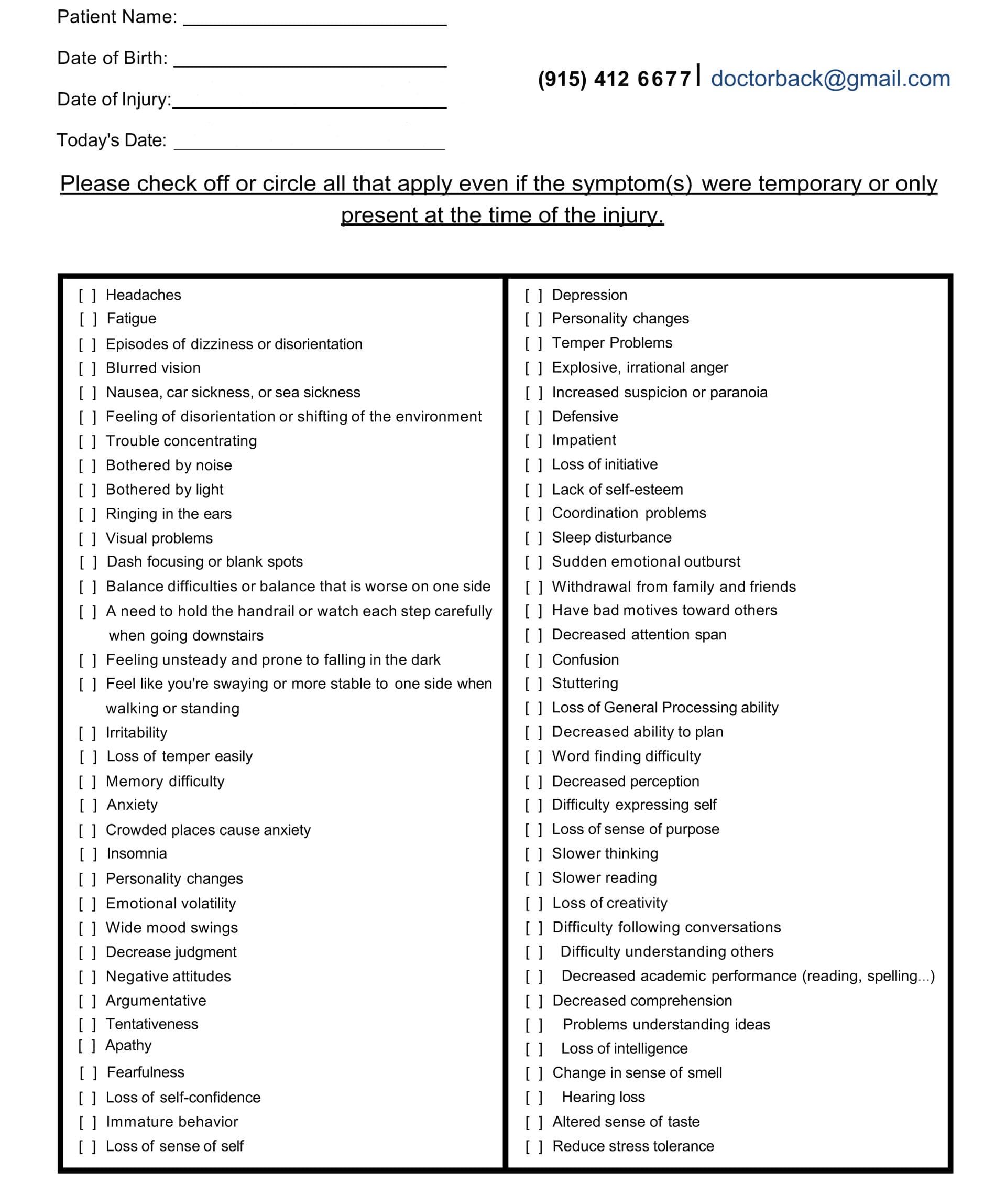
History & screening: head/neck injury timeline, dizziness, headaches, vision issues, sleep, mood, and new low-back/leg pain.
-
Neurological and orthopedic tests: reflexes, strength, sensation, and nerve tension tests.
-
Imaging when needed: cervical and lumbar imaging to rule out fractures or disc herniation; hip imaging if HO is suspected. (Paiva et al., 2011; Issack et al., 2008). PMC+1
2) Gentle Spinal Adjustments & Mobilization
-
Cervical focus: Improving upper-cervical mechanics can reduce compensations down the chain and lower strain on the lumbar segments.
-
Lumbar & pelvic alignment: Restoring motion at stuck segments may relieve pressure on sciatic roots and reduce muscle guarding. (Arrowhead Clinic, 2024; NWHSU, 2022). Arrowhead Clinic+1
3) Soft-Tissue and Nerve-Glide Work
-
Myofascial release for hip rotators and hamstrings
-
Neural mobilization for the sciatic nerve when appropriate
-
Scar-tissue management after hip/pelvis surgery or injury (Issack et al., 2008). PMC
4) Vestibular & Postural Rehab After Concussion
-
Gaze stabilization, balance drills, and graded aerobic work help the brain re-coordinate trunk and hip muscles, reducing abnormal loading that aggravates sciatica. (Broadview Health Centre, n.d.). Broadview Spine & Health Centre
5) Decompression & Flexion-Distraction (Case-by-Case)
-
Non-surgical spinal decompression and flexion-distraction techniques may reduce disc pressure and calm nerve irritation for some patients. (Broadview Health Centre, n.d.; Arrowhead Clinic, 2024). Broadview Spine & Health Centre+1
6) Inflammation & Pain Modulation
-
Education on sleep, anti-inflammatory nutrition, and stress control to support nervous-system recovery after TBI and neuropathic pain sensitization. (Widerström-Noga et al., 2016; Robayo et al., 2022). PMC+1
7) CSF Flow: An Emerging, Clinic-Level Goal
Some chiropractic clinics include upper-cervical care with the aim of supporting CSF circulation. Peer-reviewed data are limited, but clinicians report symptomatic improvements in select patients (headaches, brain “fog,” balance). If used, this should be part of a broader, evidence-informed plan that tracks function and safety. (Apex Chiropractic, 2022). Apex Chiropractic
When Heterotopic Ossification Is Suspected
-
Clues: hip stiffness, deep buttock pain, and progressive nerve-type pain months after severe TBI or major hip trauma/surgery.
-
Next steps: orthopedic referral and imaging (X-ray/CT). Treatment ranges from meds and therapy to, in select cases, surgery to remove HO. Case reports show sciatic entrapment from HO after TBI; early recognition matters. (Safaz et al., 2008; Huang et al., 2017). PubMed+1
Dr. Alexander Jimenez’s Clinical Observations (El Paso)
Dr. Jimenez, DC, APRN, FNP-BC, reports that patients with concussions or TBIs often present with a stack of issues: upper-cervical stiffness, thoracic rigidity, and lumbar-pelvic asymmetry. Addressing the neck-to-pelvis chain, along with targeted soft-tissue and guided exercises, tends to reduce leg pain and improve gait. His team also screens for co-injuries (e.g., whiplash, rib/thoracic restrictions, hip soft-tissue scarring) and coordinates with imaging and orthopedic colleagues if a herniated disc or disc herniation is suspected. (Jimenez, clinical sites). El Paso, TX Doctor Of Chiropractic
A Simple, Step-By-Step Plan
-
Rule out red flags and major structural problems.
-
Stabilize the neck first (as needed): gentle mobilization/adjustments, breathing, and posture drills.
-
Restore lumbar-pelvic motion: flexion-based relief positions, graded extensions if tolerated, hip mobility.
-
Nerve-calming strategies: walk-to-tolerance, box-breathing, sleep plan.
-
Strengthen what supports the nerve: glute bridges, side-steps, anti-rotation holds, progressing to hip hinges.
-
Re-introduce impact (only when cleared): careful, graded return to running/jumping.
-
Review ergonomics: sitting breaks, car-seat setup, and lifting mechanics.
-
Follow-ups: track pain, function, and balance. If pain persists or worsens, consider revisiting imaging and specialty referrals (e.g., herniated disc, entrapment).
Frequently Asked Questions
Is sciatica after a concussion common?
Back and limb pain are not rare after TBI, likely due to altered neuromuscular control and sensitization. (Widerström-Noga et al., 2016; Robayo et al., 2022). PMC+1
Could new bone (HO) really “pinch” the sciatic nerve?
Yes—rarely. Case reports document sciatic nerve entrapment from hip HO after TBI. (Safaz et al., 2008). PubMed
Do I need surgery?
Most cases of post-concussion sciatica improve with conservative care. Surgery is reserved for specific problems like severe disc herniation, progressive weakness, or confirmed entrapment (e.g., HO) not responding to other care. (Issack et al., 2008; Huang et al., 2017). PMC+1
Can chiropractic help restore CSF flow?
Some clinics pursue this goal; research is still emerging. It can be considered adjunctive to a broader, evidence-informed plan that monitors outcomes. (Apex Chiropractic, 2022). Apex Chiropractic
Practical Self-Care Tips (Always Clear With Your Clinician)
-
Daily walks: 10–20 minutes, 1–2×/day, to calm the nervous system
-
Spine-friendly sitting: feet flat, hips slightly higher than knees, change positions often
-
Relief positions: on your back, knees up on a chair; or side-lying with a pillow between knees
-
Gentle hip work: supported hip rotations and glute bridges if pain allows
-
Sleep hygiene, including maintaining a regular sleep schedule, a dark room, and limiting screen time before bed, is crucial for modulating pain after TBI (Widerström-Noga et al., 2016). PMC
Conclusion
Head injuries can create downstream problems that show up as sciatica through brain-driven changes in muscle control, upper-cervical issues that shift spinal loading, secondary spine injuries, or rare HO near the hip that compresses the sciatic nerve. An integrative chiropractic approach—coordinated with medical imaging and specialty care when necessary—can realign the spine, reduce nerve irritation, support nervous system recovery, and help you return to your normal life.
References
-
Anthonissen, J., et al. (2020). Traumatic brain injury enhances the formation of heterotopic ossification around the hip: an animal model study. Archives of Orthopaedic and Trauma Surgery, 140(8), 1029–1035. https://pubmed.ncbi.nlm.nih.gov/31834481/ PubMed
-
Apex Chiropractic. (2022, Dec 19). How chiropractic care can treat a traumatic brain injury. https://apexchiroco.com/updates/how-chiropractic-care-can-treat-a-traumatic-brain-injury/ Apex Chiropractic
-
Arrowhead Clinic. (2024, Nov 27). Chiropractic treatment for sciatica relief: What you need to know. https://www.arrowheadclinic.com/category/blog/chiropractic-treatment-for-sciatica-relief-what-you-need-to-know Arrowhead Clinic
-
Broadview Health Centre. (n.d.). Back pain connected to concussions. https://broadviewhealthcentre.com/back-pain-concussion-connection/ Broadview Spine & Health Centre
-
Broadview Health Centre. (n.d.). Brain injuries & back pain: Treatment methods. https://broadviewhealthcentre.com/brain-injuries-back-pain/ Broadview Spine & Health Centre
-
Huang, H., et al. (2017). Why severe traumatic brain injury increases the risk of heterotopic ossification. International Journal of Molecular Sciences, 18(4), 990. https://pmc.ncbi.nlm.nih.gov/articles/PMC5866497/ PMC
-
Issack, P. S., et al. (2008). Sciatic nerve injury associated with acetabular fractures. HSS Journal, 4(2), 135–139. https://pmc.ncbi.nlm.nih.gov/articles/PMC2642541/ PMC
-
Jimenez, A. (n.d.). El Paso’s Premier Chiropractic Clinic. https://dralexjimenez.com/ El Paso, TX Doctor Of Chiropractic
-
Liang, D.-Y., et al. (2017). The chemokine receptor CXCR2 supports nociceptive sensitization after traumatic brain injury. Journal of Neurotrauma, 34(17), 2602–2610. https://pmc.ncbi.nlm.nih.gov/articles/PMC5593214/ PMC
-
Marchesini, N., et al. (2023). Concomitant trauma of brain and upper cervical spine. European Spine Journal, 32, 3629–3639. https://pmc.ncbi.nlm.nih.gov/articles/PMC11599623/ PMC
-
NWHSU. (2022). Chiropractic and traumatic brain injuries (Chiropractic Economics summary). https://www.nwhealth.edu/news/reis-writes-for-chiropractic-economics-chiropractic-and-traumatic-brain-injuries/ Northwestern Health Sciences University
-
Paiva, W. S., et al. (2011). Spinal cord injury and its association with blunt head trauma. World Neurosurgery, 75(5–6), 748–753. https://pmc.ncbi.nlm.nih.gov/articles/PMC3177586/ PMC
-
Safaz, I., et al. (2008). Bilateral sciatic nerve entrapment due to heterotopic ossification in a patient with traumatic brain injury. American Journal of Physical Medicine & Rehabilitation, 87(1), 74–77. https://pubmed.ncbi.nlm.nih.gov/18158431/ PubMed
-
Sahbaie, P., et al. (2019). Mild traumatic brain injury causes nociceptive sensitization through spinal chemokine signaling. Scientific Reports, 9, 19500. https://www.nature.com/articles/s41598-019-55739-x Nature
-
Widerström-Noga, E., et al. (2016). Subacute pain after traumatic brain injury is associated with central neurobiological and psychosocial components. PM&R, 8(4), 344–355. https://pmc.ncbi.nlm.nih.gov/articles/PMC4931745/ PMC
-
OK Precision Chiropractic. (2025, Sept 25). Explaining concussions and lower back pain in Oklahoma City. https://www.okprecisionchiro.com/concussions-and-lower-back-pain/ Precision Chiropractic
-
Synergy Health Solutions (El Paso Chiropractic). (2025). Chiropractic Care in El Paso: Unlocking the Secrets to Recovery. https://elpasochiropractic.com/f/chiropractic-care-in-el-paso-unlocking-the-secrets-to-recovery?blogcategory=Traumatic+Brain+Injury+%28TBI%29 Synergy Chiropractic
Post Disclaimer
General Disclaimer, Licenses and Board Certifications *
Professional Scope of Practice *
The information herein on "Can a Head Injury Trigger Sciatica? Explained" is not intended to replace a one-on-one relationship with a qualified health care professional or licensed physician and is not medical advice. We encourage you to make healthcare decisions based on your research and partnership with a qualified healthcare professional.
Blog Information & Scope Discussions
Welcome to El Paso's Premier Wellness and Injury Care Clinic & Wellness Blog, where Dr. Alex Jimenez, DC, FNP-C, a Multi-State board-certified Family Practice Nurse Practitioner (FNP-BC) and Chiropractor (DC), presents insights on how our multidisciplinary team is dedicated to holistic healing and personalized care. Our practice aligns with evidence-based treatment protocols inspired by integrative medicine principles, similar to those on this site and on our family practice-based chiromed.com site, focusing on naturally restoring health for patients of all ages.
Our areas of multidisciplinary practice include Wellness & Nutrition, Chronic Pain, Personal Injury, Auto Accident Care, Work Injuries, Back Injury, Low Back Pain, Neck Pain, Migraine Headaches, Sports Injuries, Severe Sciatica, Scoliosis, Complex Herniated Discs, Fibromyalgia, Chronic Pain, Complex Injuries, Stress Management, Functional Medicine Treatments, and in-scope care protocols.
Our information scope is multidisciplinary, focusing on musculoskeletal and physical medicine; wellness; contributing etiological viscerosomatic disturbances within clinical presentations; associated somato-visceral reflex clinical dynamics; subluxation complexes; sensitive health issues; and functional medicine articles, topics, and discussions.
We provide and present clinical collaboration with specialists from various disciplines. Each specialist follows their professional scope of practice and licensure jurisdiction. We use functional health & wellness protocols to treat and support care for musculoskeletal injuries or disorders.
Our videos, posts, topics, and insights address clinical matters and issues that directly or indirectly relate to our clinical scope of practice.
Our office has made a reasonable effort to provide supportive citations and has identified relevant research studies that support our posts. We provide copies of supporting research studies upon request to regulatory boards and the public.
For further discussion on how this information relates to specific care plans or treatment protocols, please ask Dr. Alex Jimenez, DC, APRN, FNP-BC, or contact us at 915-850-0900.
We are here to help you and your family.
Blessings
Dr. Alex Jimenez DC, MSACP, APRN, FNP-BC*, CCST, IFMCP, CFMP, ATN
Email: [email protected]
Multidisciplinary Licensing & Board Certifications:
Licensed as a Doctor of Chiropractic (DC) in Texas & New Mexico*
Chiropractic Licenses:
Texas DC License #: TX5807, Verified: TX5807
New Mexico DC License #: NM-DC2182, Verified: NM-DC2182
Nurse Practitioner Licenses:
Texas APRN License #: 1191402, Verified: 1191402 *
New Mexico CNP License #: 90560, Verified 90560
Florida APRN License #: 11043890, Verified: APRN11043890 *
Colorado License #: C-APN.0105610-C-NP, Verified: C-APN.0105610-C-NP
New York License #: N25929, Verified N25929
Georgia APRN License #: GAA-NP005701
Multi-State Advanced Practice Registered Nurse (APRN*) Texas & Multi-States
Multi-state Compact APRN License by Endorsement (43 States)
Compact Status: Multi-State License: Authorized to Practice in 43 States*
Nursing Licensure Compact: Updated Here
DEA Registration: (Drug Enforcement Agency Registered)
All medical (MDs) and family practice providers (FNP-APRN) are registered and licensed to offer various levels of medication.
Verify Providers' DEA Registration Here
License Verification Link: Nursys License Verifier
* Prescriptive Authority Authorized (DEA Registered Providers). Call if Required
Board Certification:
ANCC FNP-BC: Board Certified Nurse Practitioner*
Education:
Graduate with Honors: ICHS: MSN-FNP (Family Nurse Practitioner Program)
Degree Granted. Master's in Family Practice, MSN Diploma (Cum Laude)
Dr. Alex Jimenez, DC, APRN, FNP-BC*, CFMP, IFMCP, ATN, CCST
(Board Certified: Family Practice Nurse Practitioner—Multistate)*
(Licensed Nurse Practitioner & Chiropractor - Multistate)*
Clinical Director
DC & FNP License (Review Above)
Digital Business Card
NPI: 1205907805
Dr. Maria Cardenas, MD
(Board Certified: Internal Medicine)
(Licensed Medical Doctor)
Medical Director, Clinical Director & Collaborative Physician
NPI # 1164426748
MD License #: J2933
Licenses and Board Certifications:
MD: Medical Doctor
DC: Doctor of Chiropractic
APRNP: Advanced Practice Registered Nurse
FNP-BC: Family Practice Specialization (Multi-State Board Certified)
FNP-BC: Family Practice Across Life Span (Neonatal to Geriatrics)
RN: Registered Nurse (Multi-State Compact License)
CFMP: Certified Functional Medicine Provider
MSN-FNP: Master of Science in Family Practice Medicine
MSACP: Master of Science in Advanced Clinical Practice
IFMCP: Institute of Functional Medicine
CCST: Certified Chiropractic Spinal Trauma
ATN: Advanced Translational Neutrogenomics
Family with Primary Care Focus (Family Nurse Practitioner or FNP)
- The Family Nurse Practitioner (FNP) promotes, maintains, and restores health for individuals and families across the lifespan. FNPs also identify health risks, promote wellness, and diagnose and manage acute and chronic illness.
- The FNP focuses on comprehensive primary care, promoting healthy lifestyles for patients across the lifespan in settings such as private practice, physician offices, and community health centers.
Memberships & Associations:
TCA: Texas Chiropractic Association: Member ID: 104311
TNA: Texas Nurse Association: Member ID: 06458222
TNP: Texas Nurse Practitioner Association ID: 2025091511
AANP: American Association of Nurse Practitioners: Member ID: 2198960
ANA: American Nurses Association: Member ID: 06458222 (District TX01)
| Primary Taxonomy | Selected Taxonomy | State | License Number |
|---|---|---|---|
| No | 111N00000X - Chiropractor | NM | DC2182 |
| Yes | 111N00000X - Chiropractor | TX | DC5807 |
| Yes | 363LF0000X - Nurse Practitioner - Family | TX | 1191402 |
| Yes | 363LF0000X - Nurse Practitioner - Family | FL | 11043890 |
| Yes | 363LF0000X - Nurse Practitioner - Family | CO | C-APN.0105610-C-NP |
| Yes | 363LF0000X - Nurse Practitioner - Family | NY | N25929 |
| Yes | 363LF0000X - Nurse Practitioner - Family | NM |
90560 |
| Yes | 363LF0000X - Nurse Practitioner - Family | GA | GAA-NP005701 |
Dr. Alex Jimenez, DC, APRN, FNP-BC*, CFMP, IFMCP, ATN, CCST
(Board Certified: Family Practice Nurse Practitioner—Multistate)*
(Primary Care Across Lifespan—Neonatal / Pediatric / Adult / Geriatrics)
(Licensed Nurse Practitioner & Chiropractor - Multistate)*
Clinical Director
Digital Business Card
NPI: 1205907805
Dr. Maria Cardenas, MD
(Board Certified: Internal Medicine)*
(Licensed Medical Doctor)*
Medical Director, Clinical Director & Collaborative Physician
NPI # 1164426748
MD License #: J2933
📆 Schedule Appointment: Schedule 24/7 (Click Here)