

Table of Contents
Regenerative Care for Personal Injury in El Paso
A personal injury can affect more than one part of the body. A car crash, workplace accident, fall, or sports injury may damage muscles, tendons, ligaments, joints, spinal discs, and nerves at the same time.
Some injuries improve with rest and basic care. Others continue to cause pain, weakness, stiffness, numbness, or limited movement. In these cases, an integrative treatment plan may combine chiropractic care, medical evaluation, rehabilitation, and selected regenerative procedures.
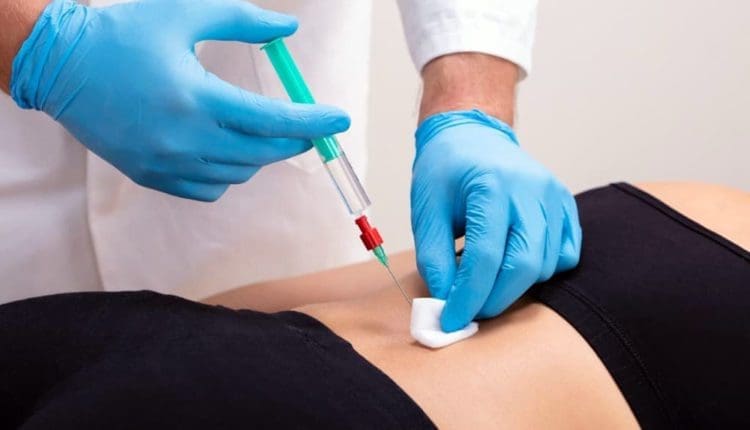
Platelet-rich plasma, platelet-fibrin products, micro-fragmented adipose tissue, and epidural spinal injections are different treatments with different goals. Some support injured tissues, while others reduce inflammation around spinal nerves so the patient can move and participate in rehabilitation.
The best treatment depends on the patient’s diagnosis, health history, examination findings, imaging results, and response to earlier care.
Why Personal Injuries May Need Layered Treatment
Personal injuries are often complex. For example, a rear-end collision may cause whiplash, muscle strain, ligament irritation, joint restriction, and a herniated spinal disc. The disc may then irritate a nerve traveling into the arm or leg.
A layered treatment plan may include:
- Chiropractic adjustments for joint and spinal movement
- Soft-tissue treatment for tight or injured muscles
- Therapeutic exercise for strength and stability
- Spinal decompression for selected disc conditions
- Medical evaluation and medication management
- Regenerative procedures for certain tissue injuries
- Epidural injections for severe spinal nerve inflammation
- Functional medicine support for nutrition, inflammation, and recovery
Regenerative procedures are not replacements for a complete diagnosis. They are tools that may be included when the injured tissue, patient, and treatment goal are appropriate.
PRP: Concentrated Platelets That Support Repair
Platelet-rich plasma, commonly called PRP, is prepared from the patient’s own blood. A small blood sample is placed into a centrifuge, which separates and concentrates the platelets.
Platelets are best known for helping blood clot, but they also contain growth factors and signaling proteins. These substances take part in the body’s normal response to injury.
The concentrated platelet solution can be injected into a damaged area, such as a tendon, ligament, muscle, or joint. The goal is to place a larger concentration of healing signals near tissue that has been slow to recover.
PRP may be considered for conditions such as:
- Partial tendon injuries
- Tennis or golfer’s elbow
- Rotator cuff injuries
- Knee ligament sprains
- Muscle injuries
- Plantar fascia pain
- Selected joint injuries
- Chronic tendon pain
Research suggests that PRP may support tissue repair and improve symptoms in selected patients. However, results vary because PRP preparations, injection methods, injuries, and rehabilitation plans are not always the same. More high-quality research is still needed for several uses (Setayesh et al., 2018).
PRP is not an instant cure. A patient may have temporary soreness after the procedure, and tissue healing may take several weeks or months. Rehabilitation remains important because the repaired tissue must gradually regain movement, strength, and tolerance.
PFP: A Fibrin Scaffold for Healing Signals
Platelet-fibrin products, or PFP, are prepared from the patient’s blood. The term may describe different platelet and fibrin preparations, including products similar to platelet-rich fibrin.
Unlike liquid PRP, a platelet-fibrin product forms a thicker fibrin network. This network may act as a temporary scaffold at the treatment site. Platelets and healing signals can become trapped within the scaffold and may be released over time.
A simple way to understand the difference is:
- PRP delivers concentrated platelets in a liquid solution.
- PFP places platelets within a fibrin framework.
The fibrin matrix may help keep healing signals near the injured area longer. This approach may be considered for chronic tendon, ligament, or soft-tissue injuries that have not responded to simpler care.
PFP may be used for:
- Long-lasting tendon injuries
- Ligament injuries
- Partial soft-tissue tears
- Areas needing a supportive healing matrix
- Injuries that have responded poorly to earlier treatment
However, “PFP” is not one universally standardized medical product. Preparation methods and names may vary among laboratories and clinics. Patients should ask what product is being used, how it is prepared, and what evidence supports its use for their specific injury.
MFAT: Fat-Derived Structural Support
Micro-fragmented adipose tissue, known as MFAT, is prepared from a small amount of the patient’s own fat tissue. Fat is usually collected through a small procedure, commonly from the abdomen or another suitable area.
The collected tissue is washed and mechanically processed into smaller fragments. The goal is to preserve the natural tissue framework and the supportive signaling environment found within adipose tissue.
MFAT is different from a laboratory-grown stem cell treatment. It is a minimally processed tissue product that contains structural material and different types of cells associated with blood vessels, tissue signaling, and repair.
MFAT may be considered for:
- More advanced joint damage
- Knee osteoarthritis
- Cartilage defects
- Larger partial tendon injuries
- Chronic joint pain
- Injuries needing additional tissue support
Studies of MFAT for knee osteoarthritis have reported improvements in pain and function in some patients. However, evidence is still developing. MFAT should not be presented as a guaranteed way to regrow cartilage or cure arthritis (Hohmann et al., 2025).
Patients should also understand that many products promoted under the broad label of “regenerative medicine” are not approved by the U.S. Food and Drug Administration for orthopedic conditions. The FDA has specifically warned consumers about unapproved adipose-derived and cell-based products. Patients should receive clear information about the source, processing, risks, evidence, and regulatory status of any proposed treatment (U.S. Food and Drug Administration, 2021).
Epidural Spinal Injections: Calming Irritated Nerves
An epidural spinal injection places medication into the epidural space near irritated spinal nerves. It is commonly considered when a disc problem, spinal narrowing, or inflammation is causing pain that travels into an arm or leg.
Common conditions include:
- Lumbar disc herniation
- Cervical disc herniation
- Sciatica
- Cervical radiculopathy
- Lumbar radiculopathy
- Spinal stenosis
- Inflamed or compressed nerve roots
A standard epidural steroid injection usually contains an anti-inflammatory corticosteroid and may also contain a local anesthetic. Its purpose is to decrease swelling and chemical irritation around a spinal nerve.
A steroid epidural is not a regenerative treatment. It does not rebuild a disc or repair a torn ligament. Its main value is reducing nerve inflammation. This may help a patient sleep, walk, work, and participate more comfortably in physical rehabilitation.
Relief may be temporary, and results vary. Risks can include bleeding, infection, headache, temporary numbness, elevated blood sugar, and rare nerve complications. Proper patient selection, image guidance, sterile technique, and follow-up care are important.
Some clinics discuss epidural platelet products or other biologic injections. These uses are different from standard epidural steroid injections. Evidence for biologic epidural procedures is still developing, and patients should not assume that these procedures are established or FDA-approved regenerative treatments.
Matching Treatment to the Injury
No single injection is best for every personal injury. The diagnosis must guide the treatment.
Herniated Disc With Sciatica
A patient with a herniated lumbar disc may have back pain, leg pain, numbness, or weakness. Treatment may include chiropractic or decompression care when appropriate, therapeutic exercise, activity changes, and an epidural injection if severe nerve inflammation prevents rehabilitation.
Whiplash Injury
Whiplash may involve cervical muscles, ligaments, joints, discs, and nerves. Care may include gentle chiropractic treatment, soft-tissue therapy, posture exercises, and progressive strengthening. PRP or a platelet-fibrin product may be considered when a confirmed ligament or tendon injury remains painful.
Torn Tendon
A partial rotator cuff or elbow tendon tear may be treated with activity changes, guided exercise, and progressive loading. PRP or PFP may be considered when the tendon has not improved with conservative care.
A complete tendon rupture, severe weakness, or major loss of function requires surgical evaluation.
Joint or Cartilage Injury
A serious knee or hip injury may damage cartilage and other joint tissues. PRP may be considered for some mild-to-moderate problems. MFAT may be discussed for selected patients with more advanced joint damage, but it cannot guarantee cartilage restoration.
Severe Neurological Symptoms
Progressive weakness, loss of bladder or bowel control, numbness in the saddle area, fever with spinal pain, or major difficulty walking may signal an emergency. These symptoms require immediate medical or surgical evaluation rather than routine regenerative care.
Multidisciplinary Care at Injury Medical Clinic PA
At Injury Medical Clinic PA in El Paso, the care model brings chiropractic, medical, functional, and rehabilitation services together.
Dr. Alexander Jimenez, DC, APRN, FNP-BC, CCST, CFMP, IFMCP, ATN, provides chiropractic and advanced practice nursing services. His clinical observations emphasize examining the whole injury instead of treating only the painful area.
For example, a painful knee may also be affected by hip weakness, altered walking patterns, or lower-back nerve irritation. Neck pain after a collision may involve the cervical spine, shoulder muscles, ligaments, posture, and nervous system.
Dr. Jimenez’s integrative approach may include:
- Chiropractic evaluation and treatment
- Personal injury examination
- Functional and medical assessment
- Rehabilitation and corrective exercise
- Spinal decompression
- Nutrition and functional medicine support
- Coordination of diagnostic imaging
- Referral for medical procedures when appropriate
These observations are educational and should not replace an individual examination or diagnosis.
Dr. Maria Guadalupe Cardenas, MD, works with Dr. Jimenez as medical director and collaborative physician. Public provider listings identify her as an internal medicine physician with more than 40 years of experience, board certification in internal medicine, and NPI number 1164426748. Clinic materials list Texas medical license J2933.
In this multidisciplinary structure, Dr. Jimenez focuses on chiropractic, functional medicine, personal injury care, and rehabilitation, while Dr. Cardenas provides medical direction and internal medicine oversight. This allows the team to coordinate structural care, medical safety, laboratory findings, medication concerns, and rehabilitation planning.
Treatment Documentation and Personal Injury Claims
Thorough medical documentation is important after an accident. Records may show:
- The patient’s reported symptoms
- Examination findings
- Diagnosed injuries
- Imaging and laboratory results
- Functional limitations
- Treatment recommendations
- Procedures performed
- Response to care
- Changes in pain, movement, and daily activity
- Referrals for additional medical evaluation
A regenerative procedure may document that the patient received active treatment for a diagnosed tissue injury. Follow-up examinations may also show changes in pain, movement, strength, and function.
However, no procedure automatically increases the value of a personal injury claim. Treatment must be medically necessary, properly documented, related to the injury, and supported by clinical findings. Legal outcomes depend on many medical and legal factors.
Building a Safe Path Back to Function
Regenerative and interventional treatments work best as parts of a complete recovery plan. An injection alone cannot correct poor movement, weakness, instability, or unsafe activity.
A well-planned recovery may move through several stages:
- Identify the damaged tissues and rule out emergencies.
- Reduce severe pain and nerve irritation.
- Restore safe joint and spinal movement.
- Support tissue healing when medically appropriate.
- Begin controlled rehabilitation.
- Rebuild strength, balance, and endurance.
- Measure progress and update the plan.
- Return gradually to work, exercise, and normal activity.
PRP, PFP, MFAT, and epidural spinal injections have different purposes. PRP and platelet-fibrin products may support selected tendon, ligament, and muscle injuries. MFAT may provide structural and signaling support for certain joint conditions. Standard epidural steroid injections reduce inflammation around irritated spinal nerves but do not regenerate damaged tissue.
The safest decision comes from matching the procedure to a clear diagnosis. A multidisciplinary team can then combine medical oversight, chiropractic care, rehabilitation, and functional support to help the patient move toward better function with fewer unnecessary medications or procedures.
This information is for education only. It does not replace medical advice, legal advice, an examination, or an individual treatment recommendation.
References
Cleveland Clinic. (2025, May 2). Epidural: What it is, side effects, risks, and procedure.
El Paso Chiropractor Blog. (2026a). Regenerative and integrative care for sciatica: PRP, PFP, MFAT, epidurals, and chiropractic support.
El Paso Chiropractor Blog. (2026b). Integrative chiropractic and regenerative medicine in El Paso: A modern path for spine, joint, and injury recovery.
Health Coach Clinic. (2026, June 18). Regenerative medicine options for spinal health.
Hohmann, E., et al. (2025). A systematic review of micro-fragmented adipose tissue for symptomatic knee osteoarthritis. Journal of Experimental Orthopaedics.
Jimenez, A. (n.d.). Dr. Alex Jimenez professional profile.
Jimenez, A. (2026). Regenerative therapies for fitness and recovery insights.
Personal Injury Doctor Group. (2026, July 16). Regenerative therapies for fitness and recovery.
Sciatica Pain and Treatment Clinic. (n.d.). Regenerative and integrative therapies for pain relief.
Setayesh, K., Villarreal, A., Gottschalk, A., Tokish, J. M., & Choate, W. S. (2018). Treatment of muscle injuries with platelet-rich plasma: A review of the literature. Current Reviews in Musculoskeletal Medicine, 11(4), 635–642.
Sports Medicine of the Rockies. (2026, February 26). Comparing PRP, BMAC, and MFAT: Choosing the right regenerative treatment.
U.S. Food and Drug Administration. (2021, June 3). Important patient and consumer information about regenerative medicine therapies.
YouTube. (n.d.). Platelet-rich plasma treatment for injured tendons, muscles, and joints [Video].
Post Disclaimer
General Disclaimer, Licenses and Board Certifications *
Professional Scope of Practice *
The information herein on "Regenerative Care for Personal Injury in El Paso Benefits" is not intended to replace a one-on-one relationship with a qualified health care professional or licensed physician and is not medical advice. We encourage you to make healthcare decisions based on your research and partnership with a qualified healthcare professional.
Blog Information & Scope Discussions
Welcome to El Paso's Premier Wellness and Injury Care Clinic & Wellness Blog, where Dr. Alex Jimenez, DC, FNP-C, a Multi-State board-certified Family Practice Nurse Practitioner (FNP-BC) and Chiropractor (DC), presents insights on how our multidisciplinary team is dedicated to holistic healing and personalized care. Our practice aligns with evidence-based treatment protocols inspired by integrative medicine principles, similar to those on this site and on our family practice-based chiromed.com site, focusing on naturally restoring health for patients of all ages.
Our areas of multidisciplinary practice include Wellness & Nutrition, Chronic Pain, Personal Injury, Auto Accident Care, Work Injuries, Back Injury, Low Back Pain, Neck Pain, Migraine Headaches, Sports Injuries, Severe Sciatica, Scoliosis, Complex Herniated Discs, Fibromyalgia, Chronic Pain, Complex Injuries, Stress Management, Functional Medicine Treatments, and in-scope care protocols.
Our information scope is multidisciplinary, focusing on musculoskeletal and physical medicine; wellness; contributing etiological viscerosomatic disturbances within clinical presentations; associated somato-visceral reflex clinical dynamics; subluxation complexes; sensitive health issues; and functional medicine articles, topics, and discussions.
We provide and present clinical collaboration with specialists from various disciplines. Each specialist follows their professional scope of practice and licensure jurisdiction. We use functional health & wellness protocols to treat and support care for musculoskeletal injuries or disorders.
Our videos, posts, topics, and insights address clinical matters and issues that directly or indirectly relate to our clinical scope of practice.
Our office has made a reasonable effort to provide supportive citations and has identified relevant research studies that support our posts. We provide copies of supporting research studies upon request to regulatory boards and the public.
For further discussion on how this information relates to specific care plans or treatment protocols, please ask Dr. Alex Jimenez, DC, APRN, FNP-BC, or contact us at 915-850-0900.
We are here to help you and your family.
Blessings
Dr. Alex Jimenez DC, MSACP, APRN, FNP-BC*, CCST, IFMCP, CFMP, ATN
Email: [email protected]
Multidisciplinary Licensing & Board Certifications:
Licensed as a Doctor of Chiropractic (DC) in Texas & New Mexico*
Chiropractic Licenses:
Texas DC License #: TX5807, Verified: TX5807
New Mexico DC License #: NM-DC2182, Verified: NM-DC2182
Nurse Practitioner Licenses:
Texas APRN License #: 1191402, Verified: 1191402 *
New Mexico CNP License #: 90560, Verified 90560
Florida APRN License #: 11043890, Verified: APRN11043890 *
Colorado License #: C-APN.0105610-C-NP, Verified: C-APN.0105610-C-NP
New York License #: N25929, Verified N25929
Georgia APRN License #: GAA-NP005701
Multi-State Advanced Practice Registered Nurse (APRN*) Texas & Multi-States
Multi-state Compact APRN License by Endorsement (43 States)
Compact Status: Multi-State License: Authorized to Practice in 43 States*
Nursing Licensure Compact: Updated Here
DEA Registration: (Drug Enforcement Agency Registered)
All medical (MDs) and family practice providers (FNP-APRN) are registered and licensed to offer various levels of medication.
Verify Providers' DEA Registration Here
License Verification Link: Nursys License Verifier
* Prescriptive Authority Authorized (DEA Registered Providers). Call if Required
Board Certification:
ANCC FNP-BC: Board Certified Nurse Practitioner*
Education:
Graduate with Honors: ICHS: MSN-FNP (Family Nurse Practitioner Program)
Degree Granted. Master's in Family Practice, MSN Diploma (Cum Laude)
Dr. Alex Jimenez, DC, APRN, FNP-BC*, CFMP, IFMCP, ATN, CCST
(Board Certified: Family Practice Nurse Practitioner—Multistate)*
(Licensed Nurse Practitioner & Chiropractor - Multistate)*
Clinical Director
DC & FNP License (Review Above)
Digital Business Card
NPI: 1205907805
Dr. Maria Cardenas, MD
(Board Certified: Internal Medicine)
(Licensed Medical Doctor)
Medical Director, Clinical Director & Collaborative Physician
NPI # 1164426748
MD License #: J2933
Licenses and Board Certifications:
MD: Medical Doctor
DC: Doctor of Chiropractic
APRNP: Advanced Practice Registered Nurse
FNP-BC: Family Practice Specialization (Multi-State Board Certified)
FNP-BC: Family Practice Across Life Span (Neonatal to Geriatrics)
RN: Registered Nurse (Multi-State Compact License)
CFMP: Certified Functional Medicine Provider
MSN-FNP: Master of Science in Family Practice Medicine
MSACP: Master of Science in Advanced Clinical Practice
IFMCP: Institute of Functional Medicine
CCST: Certified Chiropractic Spinal Trauma
ATN: Advanced Translational Neutrogenomics
Family with Primary Care Focus (Family Nurse Practitioner or FNP)
- The Family Nurse Practitioner (FNP) promotes, maintains, and restores health for individuals and families across the lifespan. FNPs also identify health risks, promote wellness, and diagnose and manage acute and chronic illness.
- The FNP focuses on comprehensive primary care, promoting healthy lifestyles for patients across the lifespan in settings such as private practice, physician offices, and community health centers.
Memberships & Associations:
TCA: Texas Chiropractic Association: Member ID: 104311
TNA: Texas Nurse Association: Member ID: 06458222
TNP: Texas Nurse Practitioner Association ID: 2025091511
AANP: American Association of Nurse Practitioners: Member ID: 2198960
ANA: American Nurses Association: Member ID: 06458222 (District TX01)
| Primary Taxonomy | Selected Taxonomy | State | License Number |
|---|---|---|---|
| No | 111N00000X - Chiropractor | NM | DC2182 |
| Yes | 111N00000X - Chiropractor | TX | DC5807 |
| Yes | 363LF0000X - Nurse Practitioner - Family | TX | 1191402 |
| Yes | 363LF0000X - Nurse Practitioner - Family | FL | 11043890 |
| Yes | 363LF0000X - Nurse Practitioner - Family | CO | C-APN.0105610-C-NP |
| Yes | 363LF0000X - Nurse Practitioner - Family | NY | N25929 |
| Yes | 363LF0000X - Nurse Practitioner - Family | NM |
90560 |
| Yes | 363LF0000X - Nurse Practitioner - Family | GA | GAA-NP005701 |
Dr. Alex Jimenez, DC, APRN, FNP-BC*, CFMP, IFMCP, ATN, CCST
(Board Certified: Family Practice Nurse Practitioner—Multistate)*
(Primary Care Across Lifespan—Neonatal / Pediatric / Adult / Geriatrics)
(Licensed Nurse Practitioner & Chiropractor - Multistate)*
Clinical Director
Digital Business Card
NPI: 1205907805
Dr. Maria Cardenas, MD
(Board Certified: Internal Medicine)*
(Licensed Medical Doctor)*
Medical Director, Clinical Director & Collaborative Physician
NPI # 1164426748
MD License #: J2933
📆 Schedule Appointment: Schedule 24/7 (Click Here)