

Table of Contents
Platelet-Rich Plasma Dosing for Injury Recovery Success
Abstract
In this educational overview, I will guide you through the complex world of Platelet-Rich Plasma (PRP) therapy, a cornerstone of regenerative medicine. We will demystify the science behind PRP, starting with the fundamental role of platelets and how we concentrate these cellular powerhouses to initiate healing. I will present the latest evidence-based research from leading experts, exploring the critical concept of PRP dosing and its profound impact on clinical success. We will examine the variability among commercial PRP systems and discuss how factors like platelet count, white blood cell composition, and patient age influence treatment efficacy. Drawing on key studies, we will establish why a “one-size-fits-all” approach is insufficient and why understanding the dose-response relationship is crucial for treating conditions such as tendon injuries and knee osteoarthritis. Finally, I will explain how integrative chiropractic care complements PRP therapy by ensuring proper biomechanics and supporting the body’s overall healing environment, providing a holistic framework for patient recovery.
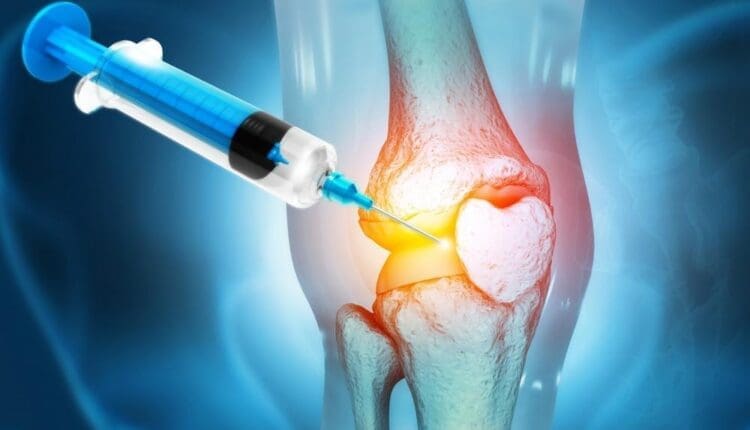
Decoding PRP: More Than Just Blood
As a practitioner in the field of functional and regenerative medicine, I often find myself revisiting a concept many of us last studied in our early medical training: the humble platelet. It’s easy to think of them simply as the body’s first responders to a cut, but they are so much more. Platelets are small, anucleated cell fragments packed with a wealth of proteins, growth factors, and cytokines. These bioactive proteins are the directors of the healing cascade, orchestrating tissue repair and regeneration.
Platelets have a lifespan of about seven to ten days. This biological fact is why, when preparing a patient for PRP therapy, we often advise them to avoid non-steroidal anti-inflammatory drugs (NSAIDs) for a period before the procedure. NSAIDs can inhibit platelet function, and we want these cells to be as active and effective as possible when we reintroduce them to an area of injury.
The goal of PRP therapy is beautifully simple in concept: we aim to concentrate these powerful healing agents and deliver them precisely where the body needs them most. The FDA’s definition of PRP is quite broad, essentially classifying it as a preparation with a platelet concentration above the patient’s baseline blood level. This broadness, however, opens the door to significant variability.
The Problem of Variability in PRP Preparations
A critical point I emphasize with my colleagues and patients is that not all PRP is created equal. A significant challenge in this field is the substantial differences in the final products produced by various commercial PRP systems.
- Variability in Platelet Concentration: Different systems yield wildly different platelet counts.
- Variability in White Blood Cell (WBC) Content: The number and type of white blood cells (leukocytes) included in the final product can vary dramatically.
- Variability in Volume: The final injection volume can vary, affecting the overall dose delivered.
A pivotal study from Australia by James Fitzpatrick and colleagues highlighted this issue perfectly. They analyzed five commercial systems and found substantial variability in both platelet counts and the presence of white blood cell types (Fitzpatrick et al., 2017). I’ve seen visual evidence of this firsthand from my colleague, Dr. Guenther Germann, who processed one patient’s blood using four different systems. The resulting PRP samples were a rainbow of different colors, each with a unique cellular composition. This visual powerfully demonstrates that the term “PRP” can refer to a multitude of distinct biologic formulations.
This variability has significant implications for clinical outcomes and is a major reason why research on PRP has sometimes produced conflicting results. If we don’t know the precise “recipe” of the PRP being used, it’s difficult to draw firm conclusions. Thankfully, the field is evolving. There is now more data on PRP for knee osteoarthritis than on other common treatments, such as hyaluronic acid injections. The evidence consistently suggests that when prepared and dosed correctly, PRP offers superior medium- to long-term benefits.
The Art and Science of Crafting PRP in My Clinic
To understand dosing, you first need to understand how we create the PRP product. It’s a meticulous process that I perform right here in my clinic.
- Blood Draw: The process begins with a standard blood draw from the patient. The volume of blood we draw is a critical first step in determining the final platelet dose. A larger initial volume generally allows for a higher final platelet yield. For instance, a 120cc kit offers much greater potential for a high-dose product than a smaller 30cc kit. It’s a simple equation: more starting material equals more potential for a concentrated final product.
- First Centrifugation (The “Hard Spin”): The drawn blood is placed in a sterile, closed-system kit and then into a centrifuge. This first spin is typically a “hard spin,” using high G-forces to separate the blood into distinct layers based on density. The heaviest components, the red blood cells, are forced to the bottom. Above them sits a thin, milky-white layer called the “buffy coat.” This layer is where the magic happens—it is rich in platelets and white blood cells. The lightest component, the platelet-poor plasma (PPP), forms the top layer.
- Isolation and Second Centrifugation: After the first spin, we carefully isolate the buffy coat and a portion of the plasma. In some systems, this mixture undergoes a second, often gentler, spin. This step further concentrates the platelets into a smaller volume of plasma.
Understanding the specific mechanics of your system is paramount. In my system, we know that approximately 85% of platelets are concentrated within a tiny 2-millimeter layer of the buffy coat. This allows me to be incredibly precise and achieve a high platelet concentration in a very small, manageable volume, which is ideal for targeted injections.
The Critical Importance of PRP Dosing
I often tell my patients to think of PRP not just as a treatment but as a biologic drug. Like any drug, from aspirin to a powerful antibiotic, there is a therapeutic dose. If the dose is too low (sub-therapeutic), it won’t produce the desired effect. If it’s too high, it could potentially have inhibitory or negative effects. The central question we must answer is: What is the correct clinical dose of PRP for a specific condition?
Dosing for Tendon and Soft Tissue Injuries
The evidence for PRP dosing has been steadily accumulating, particularly for soft tissue and tendon applications. Early research often failed to quantify the dose, making it difficult to interpret the results. However, more recent, high-quality studies have shed light on this crucial variable.
We now understand that there is a dose-response curve for tendon regeneration. Studies have shown that a specific platelet concentration effectively stimulates tenocyte (tendon cell) proliferation. However, once you exceed an optimal concentration, you can see an inhibitory effect, with fewer tenocytes produced. This demonstrates that more is not always better.
A landmark study by Peter Everts’ group analyzed numerous soft-tissue applications of PRP and, most importantly, reported the total platelet dose delivered (Everts et al., 2020). When they plotted the outcomes, a clear pattern emerged.
- Studies with total doses of less than 5 billion platelets were overwhelmingly associated with negative or failed clinical outcomes.
- Studies using a total dose of greater than 5 billion platelets were overwhelmingly associated with positive clinical outcomes.
This suggests a therapeutic threshold for soft tissue repair. A study from Scott Rodeo’s group at the Hospital for Special Surgery further solidified this concept. They reviewed controlled studies involving nearly 800 patients and found that high-dose PRP studies demonstrated significant positive effects, whereas low-dose PRP studies did not (Rodeo et al., 2023).
From my clinical experience, if a system produces only 1.5 billion platelets per treatment, you are likely operating in the sub-therapeutic range and may not see the results you hope for. To achieve a positive biological effect in tendons, we need to aim for a dose well above 5 billion platelets.
The Influence of Age on PRP Dosing
Another layer of complexity is the patient’s age. It’s a factor we must consider when formulating a personalized biologic treatment. Emerging data suggest that older patients may have platelets that are less potent or a lower baseline platelet count. Therefore, to achieve the same therapeutic dose, an older patient may require a higher starting blood volume to produce a PRP product with a sufficient number of platelets. This is a perfect example of personalized medicine in action—we must tailor the procedure to the individual’s unique physiology.
Dosing for Knee Osteoarthritis (OA)
Knee OA is arguably the area where we have the most robust data on PRP dosing. One of the most-cited studies in this space is the RESTORE trial, published in JAMA (Bennell et al., 2021). The headline conclusion was that PRP was no better than a placebo (saline injection). However, a deep dive into the study’s methodology reveals a critical flaw: they used a low-dose PRP formulation. The system they used produced only about 1.6 billion platelets, which they injected three times.
Based on our dose-response curve, we know this is a sub-therapeutic dose for a large joint like the knee. While the study was impeccably designed, its main contribution was helping us define the lower bound of our dose-response curve. It taught us what doesn’t work.
In stark contrast, consider the study by van der Weegen and colleagues (2016). They used a single injection of 10 billion platelets. What did they find?
- Significant improvements in pain and function.
- Radiographic evidence (MRI) suggests a slowing of cartilage degeneration.
This was a groundbreaking finding, suggesting that high-dose PRP may not just manage symptoms but could also be disease-modifying. Another study used three injections of 5 million platelets each, spaced over time, and found benefits in pain and function, as well as slowed arthritic progression on imaging.
The clinical takeaway for knee OA is clear: we need to be in the high-dose range, likely 10 billion platelets or more, to achieve optimal, potentially disease-modifying, results.
Calculating Dose: Concentration vs. Total Dose
In my practice, I focus on the total platelet dose, not just the concentration. Concentration (often expressed as 2x, 5x, 10x baseline) can be misleading. Imagine you have 10 billion platelets in a 5 mL glass of water. Now, take those same 10 billion platelets and put them in a 10 mL glass. The concentration is halved, but the total dose remains the same. The absolute number of healing cells delivered to the target tissue is what truly matters.
While a baseline Complete Blood Count (CBC) can offer some guidance, a patient’s platelet count fluctuates. The most reliable way to ensure an effective dose is to know the recovery rate of your specific PRP system and to draw a sufficient volume of blood, especially for older patients or for applications in large joints.
The Role of Other Cells: Leukocyte-Rich vs. Leukocyte-Poor PRP
Platelets are the stars of the show, but they don’t act alone. The buffy coat also contains white blood cells (WBCs), or leukocytes. This has led to a long-standing debate in the field about Leukocyte-Rich (LR-PRP) versus Leukocyte-Poor (LP-PRP).
The main WBCs we need to consider are neutrophils and monocytes.
- Neutrophils are highly pro-inflammatory. Their presence in high numbers can lead to a significant post-injection inflammatory flare, causing increased pain and swelling. In some delicate environments, such as within a joint, there is concern that enzymes released by neutrophils could damage cartilage.
- Monocytes, on the other hand, are considered more “anabolic” or constructive. They play a key role in orchestrating the transition from the inflammatory phase to the regenerative phase of healing.
Many studies, particularly those from outside Europe, have compared LR-PRP and LP-PRP. The consensus on conditions like knee OA is that, while LR-PRP tends to cause more post-injection pain for the first few days, there appears to be no significant difference in long-term clinical outcomes compared with LP-PRP (Riboh et al., 2017). The choice often comes down to managing patient comfort and the specific tissue being treated. For intra-articular injections, many practitioners, myself included, lean towards LP-PRP to minimize the inflammatory flare and protect the cartilage environment.
The Final Pieces of the Puzzle: Guidance, Rehab, and Integrative Care
Delivering a perfectly dosed PRP product is only part of the equation for success.
Precision Matters: The Role of Ultrasound Guidance
PRP is a biologically active substance designed to form a fibrin scaffold—a biologic glue—at the site of injury, concentrating growth factors to stimulate healing. If you are treating a partial rotator cuff tear, the PRP must be injected directly into the defect. If it’s placed in the surrounding tissue or the subacromial bursa, it will not have its intended mechanical or biological effect. This is why ultrasound guidance is not a luxury; it is an absolute necessity for precision and efficacy. It allows me to visualize the needle in real-time and ensure that 100% of this precious biologic drug is delivered exactly where it needs to be.
The Chiropractic and Rehabilitation Framework
PRP therapy does not work overnight. The biological processes it initiates—transforming a chronic, stagnant injury into an acute healing environment—take time. Patients typically begin to notice significant improvements around the three-month mark. This healing period requires a structured support system.
This is where integrative chiropractic care becomes an indispensable partner to regenerative medicine. As a Doctor of Chiropractic, I bring a unique perspective focused on biomechanics, neuromuscular function, and holistic health.
- Restoring Biomechanics: If a patient has knee OA due to poor hip stability or foot mechanics, simply injecting the knee only addresses the symptom. Through chiropractic adjustments, postural correction, and functional movement training, we address the underlying biomechanical faults that caused the joint to break down in the first place. This creates a better environment for the PRP to work and helps prevent recurrence.
- Personalized Rehabilitation: Following a PRP procedure, a carefully prescribed rehabilitation plan is crucial. We must protect the healing tissue while gradually loading it to encourage proper collagen alignment and strength. A generic handout of exercises is insufficient. We design personalized plans that progress the patient from a gentle range of motion to functional strengthening, ensuring that the new tissue matures properly.
- Supporting Systemic Health: Functional medicine principles teach us that healing is a whole-body process. We assess and optimize nutrition, gut health, and inflammation levels to create a systemic environment that is conducive to regeneration.
By integrating these approaches, we do more than just inject a joint or tendon; we treat the whole person, addressing both the site of injury and the underlying factors that contributed to it. This comprehensive model is the key to maximizing the incredible potential of PRP therapy and guiding our patients on a true path to recovery.
References
Bennell, K. L., Paterson, K. L., Metcalf, B. R., Duong, V., Emsley, H., Wang, Y., … & Harris, A. (2021). Effect of intra-articular platelet-rich plasma vs placebo on pain and cartilage volume in knee osteoarthritis: The RESTORE randomized clinical trial. JAMA, 326(20), 2021–2030. https://doi.org/10.1001/jama.2021.19415
Everts, P., Onishi, K., Jayaram, P., Lana, J. F., & Mautner, K. (2020). Platelet-rich plasma: new performance understandings and therapeutic considerations in 2020. International Journal of Molecular Sciences, 21(20), 7794. https://doi.org/10.3390/ijms21207794
Fitzpatrick, J., Bulsara, M., & Zheng, M. H. (2017). The effectiveness of platelet-rich plasma in the treatment of tendinopathy: a meta-analysis of randomized controlled clinical trials. The American Journal of Sports Medicine, 45(1), 226–233. https://doi.org/10.1177/0363546516643716
Riboh, J. C., Saltzman, B. M., Yanke, A. B., & Cole, B. J. (2017). Effect of leukocyte concentration on the efficacy of platelet-rich plasma in the treatment of knee osteoarthritis. The American Journal of Sports Medicine, 45(13), 3033-3040. https://doi.org/10.1177/0363546517724422
Rodeo, S. A., Delos, D., Williams, R. J., & Voigt, C. (2023). Platelet-rich plasma for musculoskeletal soft tissue injuries: A systematic review and meta-analysis of randomized controlled trials. The American Journal of Sports Medicine, 51(4), 1081-1094. https://doi.org/10.1177/03635465221105494
van der Weegen, W., van den Bosch, M. H., Wolkorte, R., & van der Sluijs, J. A. (2016). A single platelet-rich plasma injection in the knee for the treatment of knee osteoarthritis: a 2-year follow-up study. Knee Surgery, Sports Traumatology, Arthroscopy, 24(12), 3939-3946. https://doi.org/10.1007/s00167-015-3738-7
Post Disclaimer
General Disclaimer, Licenses and Board Certifications *
Professional Scope of Practice *
The information herein on "Platelet-Rich Plasma Dosing for Injury Recovery Guidelines" is not intended to replace a one-on-one relationship with a qualified health care professional or licensed physician and is not medical advice. We encourage you to make healthcare decisions based on your research and partnership with a qualified healthcare professional.
Blog Information & Scope Discussions
Welcome to El Paso's Premier Wellness and Injury Care Clinic & Wellness Blog, where Dr. Alex Jimenez, DC, FNP-C, a Multi-State board-certified Family Practice Nurse Practitioner (FNP-BC) and Chiropractor (DC), presents insights on how our multidisciplinary team is dedicated to holistic healing and personalized care. Our practice aligns with evidence-based treatment protocols inspired by integrative medicine principles, similar to those on this site and on our family practice-based chiromed.com site, focusing on naturally restoring health for patients of all ages.
Our areas of multidisciplinary practice include Wellness & Nutrition, Chronic Pain, Personal Injury, Auto Accident Care, Work Injuries, Back Injury, Low Back Pain, Neck Pain, Migraine Headaches, Sports Injuries, Severe Sciatica, Scoliosis, Complex Herniated Discs, Fibromyalgia, Chronic Pain, Complex Injuries, Stress Management, Functional Medicine Treatments, and in-scope care protocols.
Our information scope is multidisciplinary, focusing on musculoskeletal and physical medicine; wellness; contributing etiological viscerosomatic disturbances within clinical presentations; associated somato-visceral reflex clinical dynamics; subluxation complexes; sensitive health issues; and functional medicine articles, topics, and discussions.
We provide and present clinical collaboration with specialists from various disciplines. Each specialist follows their professional scope of practice and licensure jurisdiction. We use functional health & wellness protocols to treat and support care for musculoskeletal injuries or disorders.
Our videos, posts, topics, and insights address clinical matters and issues that directly or indirectly relate to our clinical scope of practice.
Our office has made a reasonable effort to provide supportive citations and has identified relevant research studies that support our posts. We provide copies of supporting research studies upon request to regulatory boards and the public.
For further discussion on how this information relates to specific care plans or treatment protocols, please ask Dr. Alex Jimenez, DC, APRN, FNP-BC, or contact us at 915-850-0900.
We are here to help you and your family.
Blessings
Dr. Alex Jimenez DC, MSACP, APRN, FNP-BC*, CCST, IFMCP, CFMP, ATN
Email: [email protected]
Multidisciplinary Licensing & Board Certifications:
Licensed as a Doctor of Chiropractic (DC) in Texas & New Mexico*
Chiropractic Licenses:
Texas DC License #: TX5807, Verified: TX5807
New Mexico DC License #: NM-DC2182, Verified: NM-DC2182
Nurse Practitioner Licenses:
Texas APRN License #: 1191402, Verified: 1191402 *
New Mexico CNP License #: 90560, Verified 90560
Florida APRN License #: 11043890, Verified: APRN11043890 *
Colorado License #: C-APN.0105610-C-NP, Verified: C-APN.0105610-C-NP
New York License #: N25929, Verified N25929
Georgia APRN License #: GAA-NP005701
Multi-State Advanced Practice Registered Nurse (APRN*) Texas & Multi-States
Multi-state Compact APRN License by Endorsement (43 States)
Compact Status: Multi-State License: Authorized to Practice in 43 States*
Nursing Licensure Compact: Updated Here
DEA Registration: (Drug Enforcement Agency Registered)
All medical (MDs) and family practice providers (FNP-APRN) are registered and licensed to offer various levels of medication.
Verify Providers' DEA Registration Here
License Verification Link: Nursys License Verifier
* Prescriptive Authority Authorized (DEA Registered Providers). Call if Required
Board Certification:
ANCC FNP-BC: Board Certified Nurse Practitioner*
Education:
Graduate with Honors: ICHS: MSN-FNP (Family Nurse Practitioner Program)
Degree Granted. Master's in Family Practice, MSN Diploma (Cum Laude)
Dr. Alex Jimenez, DC, APRN, FNP-BC*, CFMP, IFMCP, ATN, CCST
(Board Certified: Family Practice Nurse Practitioner—Multistate)*
(Licensed Nurse Practitioner & Chiropractor - Multistate)*
Clinical Director
DC & FNP License (Review Above)
Digital Business Card
NPI: 1205907805
Dr. Maria Cardenas, MD
(Board Certified: Internal Medicine)
(Licensed Medical Doctor)
Medical Director, Clinical Director & Collaborative Physician
NPI # 1164426748
MD License #: J2933
Licenses and Board Certifications:
MD: Medical Doctor
DC: Doctor of Chiropractic
APRNP: Advanced Practice Registered Nurse
FNP-BC: Family Practice Specialization (Multi-State Board Certified)
FNP-BC: Family Practice Across Life Span (Neonatal to Geriatrics)
RN: Registered Nurse (Multi-State Compact License)
CFMP: Certified Functional Medicine Provider
MSN-FNP: Master of Science in Family Practice Medicine
MSACP: Master of Science in Advanced Clinical Practice
IFMCP: Institute of Functional Medicine
CCST: Certified Chiropractic Spinal Trauma
ATN: Advanced Translational Neutrogenomics
Family with Primary Care Focus (Family Nurse Practitioner or FNP)
- The Family Nurse Practitioner (FNP) promotes, maintains, and restores health for individuals and families across the lifespan. FNPs also identify health risks, promote wellness, and diagnose and manage acute and chronic illness.
- The FNP focuses on comprehensive primary care, promoting healthy lifestyles for patients across the lifespan in settings such as private practice, physician offices, and community health centers.
Memberships & Associations:
TCA: Texas Chiropractic Association: Member ID: 104311
TNA: Texas Nurse Association: Member ID: 06458222
TNP: Texas Nurse Practitioner Association ID: 2025091511
AANP: American Association of Nurse Practitioners: Member ID: 2198960
ANA: American Nurses Association: Member ID: 06458222 (District TX01)
| Primary Taxonomy | Selected Taxonomy | State | License Number |
|---|---|---|---|
| No | 111N00000X - Chiropractor | NM | DC2182 |
| Yes | 111N00000X - Chiropractor | TX | DC5807 |
| Yes | 363LF0000X - Nurse Practitioner - Family | TX | 1191402 |
| Yes | 363LF0000X - Nurse Practitioner - Family | FL | 11043890 |
| Yes | 363LF0000X - Nurse Practitioner - Family | CO | C-APN.0105610-C-NP |
| Yes | 363LF0000X - Nurse Practitioner - Family | NY | N25929 |
| Yes | 363LF0000X - Nurse Practitioner - Family | NM |
90560 |
| Yes | 363LF0000X - Nurse Practitioner - Family | GA | GAA-NP005701 |
Dr. Alex Jimenez, DC, APRN, FNP-BC*, CFMP, IFMCP, ATN, CCST
(Board Certified: Family Practice Nurse Practitioner—Multistate)*
(Primary Care Across Lifespan—Neonatal / Pediatric / Adult / Geriatrics)
(Licensed Nurse Practitioner & Chiropractor - Multistate)*
Clinical Director
Digital Business Card
NPI: 1205907805
Dr. Maria Cardenas, MD
(Board Certified: Internal Medicine)*
(Licensed Medical Doctor)*
Medical Director, Clinical Director & Collaborative Physician
NPI # 1164426748
MD License #: J2933
📆 Schedule Appointment: Schedule 24/7 (Click Here)