


Table of Contents
Introduction
In this educational post, I present a comprehensive, first-person synthesis of modern, evidence-based strategies for optimizing health, performance, and longevity—grounded in physiology, validated by leading researchers, and refined through practical clinical application. As a dual-licensed clinician (DC, FNP-APRN), my goal is to demystify the crowded health and bio-optimization landscape and translate high-level science into simple, sustainable routines that work for real people with families, careers, and commitments. The structure and content highlight technologies and methods such as pulsed electromagnetic field therapy (PEMF), photobiomodulation (red/near-infrared light), intermittent hypoxia-hyperoxia training (IHHT), soft-shell hyperbaric oxygen therapy, super-slow resistance training, blood-flow restriction (BFR), peptide protocols, sleep structuring, thermal stress (sauna/cold), and daily movement design—each explained through the lens of physiology and supported by contemporary research.
Threaded throughout these modalities is a central principle: the quality of relationships and the alignment of priorities are the foundation of genuine longevity. Health optimization is only sustainable when integrated into meaningful routines that elevate connection, clarity, and purpose. I share my own daily frameworks and the implementation models I apply with clients ranging from high-performance executives and artists to individuals managing autoimmune, metabolic, and neurocognitive challenges. I focus on protocols that improve mitochondrial function, vascular dynamics, neuromuscular integrity, immune surveillance, collagen remodeling, neuroplasticity, and autonomic balance—without sacrificing the realities of busy life.
Each section provides a deep dive into the physiology and clinical rationale: why PEMF enhances ion channel dynamics and microcirculation; how red light displaces nitric oxide from cytochrome c oxidase to boost ATP; why intermittent hypoxia-hyperoxia reconditions mitochondrial networks via HIF-1α signaling; how soft-shell hyperbaric oxygen improves tissue oxygen tensions with practical safety; what super-slow resistance training achieves for joint safety, central blood pressure, and muscle fiber recruitment; how BFR leverages metabolic stress for hypertrophy at lower loads; how peptides like BPC-157, TB-500, SS-31, and selank/semax may modulate healing, cognition, and mitochondrial resilience; and how to structure sleep, naps, and non-sleep deep rest to maintain cognitive performance and metabolic recovery.
I also outline workspace design and micro-movement strategies that transform sedentary days into low-level activity-rich environments—reducing glycemic variability, enhancing lymphatic flow, and preserving musculoskeletal health. Guidance on sauna dosing, cold exposure timing, and antioxidant use is offered with nuance, reflecting recent data on post-exercise inflammation, adaptation, and redox signaling. Finally, I share family rituals—morning alignment, evening communal dinner, and daily gratitude—that reinforce the psychosocial scaffolding we know from longitudinal studies to be central to lifespan and healthspan.
This post is intentionally practical and narrative, while maintaining clinical rigor: protocols, dosages, cycles, and timing are all discussed in context. I reference the latest findings from leading researchers in exercise physiology, mitochondrial medicine, hyperbaric science, photobiomodulation, neuropeptides, and behavioral health, and I integrate these into realistic daily templates. Whether you are a clinician, health coach, or an individual seeking clarity in a noisy ecosystem, you will find both the scientific “why” and the lived “how” needed to adopt strategies that are effective, sustainable, and aligned with a full life.
Evidence-Based Longevity Routines: My Daily Protocols Linking Mitochondrial Optimization, Strength, Recovery, and Relationships
The Foundation: Priorities, Relationships, and Purpose-Driven Health
I begin every discussion of longevity with a simple truth: the quality and depth of relationships is the most potent predictor of enduring health. I learned this personally when a successful mentor emphasized the importance of aligning priorities—faith, love, children, and work—around a daily structure that protects connection. This isn’t sentimental; it’s evidence-based. Longitudinal data consistently show that social integration, marital satisfaction, and community engagement are associated with reduced all-cause mortality and improved cognitive and cardiovascular outcomes.
I anchor my day with a morning ritual at 7 a.m.—a short family huddle with gratitude, prayer, planning, and a shared moment of alignment. This practice tracks with behavioral research demonstrating improved autonomic balance and reduced perceived stress with consistent morning routines. When the day begins with a clear interpersonal and intentional focus, physiological cascades follow: lower cortisol amplitude, improved heart rate variability (HRV), and better adherence to healthy behaviors. In the evening, I protect a ritualized communal dinner—conversation, music, games—anchoring family cohesion and winding down the sympathetic nervous system to support parasympathetic restoration.
These bookend routines do not merely “feel good”; they create an operational framework for health behaviors to land consistently. High-performance routines without relational scaffolding become brittle. With it, the system becomes robust, adaptable, and sustainable—exactly what long-term health requires.
Morning Mitochondrial Optimization: PEMF, Breath Work, and Photobiomodulation
I start my morning with PEMF (Pulsed Electromagnetic Field therapy), light stretching, and deep diaphragmatic breath work. From a physiological standpoint, PEMF modulates ion channel activity, influences cell membrane potentials, and improves microcirculation. Studies suggest that appropriately tuned electromagnetic fields can enhance oxygen delivery, modulate nitric oxide signaling, and facilitate ATP production through better substrate availability in the electron transport chain. In practice, I use a PEMF mat while performing slow mobility drills. The goal is to prime mitochondrial efficiency, reduce neuromuscular tension, and set a calm, focused tone for the day.
Immediately following, I apply red/near-infrared light therapy (photobiomodulation) targeting the 600–900 nm spectrum. Mechanistically, photons interact with cytochrome c oxidase, displacing nitric oxide from its binding site, thereby liberating electron flow and increasing ATP yield. Additionally, photobiomodulation can influence reactive oxygen species (ROS) signaling—a hormetic stimulus that promotes mitochondrial biogenesis and cell survival pathways. I position red light as both a mitochondrial primer and a neurocognitive enhancer, often combining sessions with focused reading or audio learning to leverage concurrent attentional benefits.
Why these modalities together? The synergy lies in the continuum of oxygen utilization and ATP generation. PEMF supports microcirculatory flow; photobiomodulation intensifies mitochondrial flow; breathwork improves alveolar oxygenation and CO2 tolerance, thereby stabilizing autonomic tone and enhancing gas exchange efficiency. Collectively, these prime the metabolic engine before training—beneficial for both cognitive performance and physical work.
Intermittent Hypoxia-Hyperoxia Training (IHHT): Conditioning Mitochondria for Resilience
One of the most impactful tools I use is IHHT—alternating periods of hypoxia and hyperoxia during controlled sessions. The rationale is grounded in mitochondrial hormesis: transient hypoxia induces HIF-1α activation, promoting angiogenesis, glycolytic capacity, and redox adaptations, following hyperoxia, dissolved oxygen increases, improving tissue oxygen availability and favoring ATP synthesis in a high-oxygen environment.
Recent data suggest IHHT can improve VO2 kinetics, mitochondrial density, and fatigue resistance while modulating autonomic balance. With a device capable of precise oxygen-fraction shifts, I cycle during or immediately after workouts. I use IHHT to support the cardiorespiratory system, enhance mitochondrial quality control, and train the body to handle metabolic transitions more effectively—a crucial ability for real-world stress tolerance.
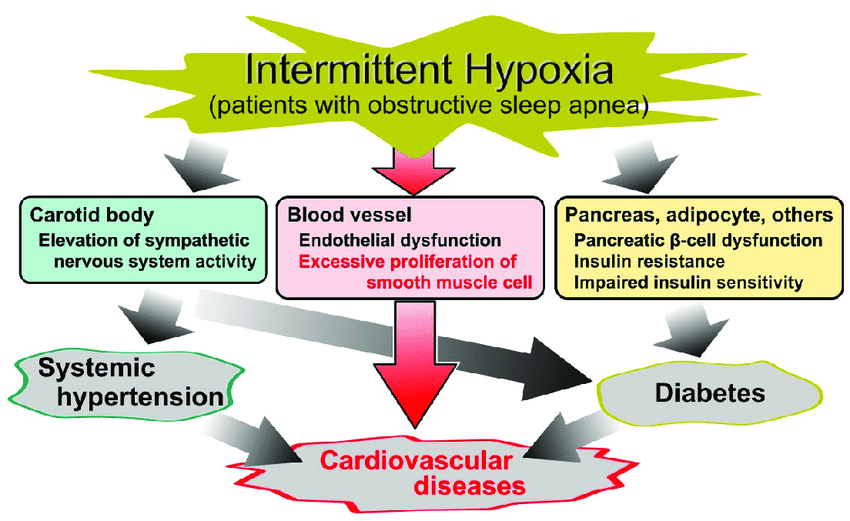 This is different from simple oxygen supplementation; it’s training. By cycling stress and recovery at the mitochondrial level, we cultivate resilience—the cellular equivalent of interval training. Clients comment on improved clarity, reduced brain fog, and quicker recovery after adopting IHHT—outcomes consistent with improved oxygen kinetics and redox regulation.
Soft-Shell Hyperbaric Oxygen Therapy: Practical Oxygen Physiology for Daily Use
Hyperbaric therapy isn’t only for wound care. Soft-shell hyperbaric oxygen therapy (HBOT) at lower pressures provides meaningful physiological benefits with excellent safety and accessibility. Under mild pressure, Henry’s law dictates increased dissolved oxygen in plasma, enhancing delivery independent of hemoglobin saturation. This can support tissue repair, modulate inflammation, and facilitate neural recovery.
Emerging data highlights that soft-shell systems may be particularly effective for fatigue, mild cognitive impairment, and post-exertional malaise, complementing IHHT and photobiomodulation. I use soft-shell HBOT post-lunch or early afternoon as part of my daily recovery window. This integrates into a siesta/nap or non-sleep deep rest session, achieving both physiological oxygenation and autonomic recalibration.
The clinical rationale: improved oxygen tensions can upregulate antioxidant defenses (including SOD and catalase), modulate microglial activation, and increase nitric oxide bioavailability. HBOT pairs particularly well with collagen remodeling and angiogenesis when used cyclically. For patients with autoimmune tendencies or IBD, I may integrate HBOT with gut-directed peptide support for enhanced mucosal healing trajectories.
Super-Slow Resistance Training: High-Stimulus, Low-Risk Strength for Longevity
For consistent, joint-safe strength gains, I rely heavily on super-slow resistance training—controlled tempo, single sets to technical failure, often using advanced resistance systems like ARX or smart cable units. The logic: maximize time under tension, reduce ballistic strain, and achieve meaningful mechanical tension, metabolic stress, and motor unit recruitment while lowering joint load and injury risk.
Physiologically, super-slow training produces robust hypertrophic signals (mTOR activation), improves insulin sensitivity, and can reduce central blood pressure when combined with proper breathing and movement patterns. While not the best approach for pure elite athletic power (due to decreased velocity), it’s excellent for healthspan—improving bone density, grip strength, and functional capacity. I anchor workouts around compound movements and add landmine presses, hip hinges, and row variations for safe, scalable loading.
Why this method? In busy lives, safety and time efficiency matter. A 20–30-minute high-quality session maintains or builds strength without the risks of high-impact or poorly supervised explosive lifts. The metabolic benefits—lower fasting glucose, improved GLUT4 translocation, reduced visceral fat—align with cardiovascular protection and long-term cognitive health.
Blood-Flow Restriction (BFR): Hypertrophy and Strength at Lower Loads
I incorporate BFR training to induce metabolic stress and stimulate growth hormone, IGF-1, and local myokine responses without heavy loads. The mechanism: partial occlusion creates a hypoxic, acidic environment, increasing fast-twitch fiber recruitment at lower intensities. This is ideal for rehabilitation, joint protection, or time-constrained sessions.
Physiology highlights include enhanced satellite cell activation, increased vascular endothelial growth factor (VEGF), and improved muscle protein synthesis. Clinically, I’ve seen BFR accelerate return to function after joint sprains or tendinopathies. For older adults or those recovering from injury, BFR is a powerful adjunct—especially when paired with eccentric-biased movements and adequate protein intake.
Thermal Stress: Sauna and Cold Exposure with Adaptive Timing
I use sauna (heat stress) and cold exposure strategically. Sauna induces heat shock proteins (HSPs), improves endothelial function, and supports detoxification through sweat-mediated excretion. Studies associate regular sauna use with reduced cardiovascular and all-cause mortality. For dosing, 15–20 minutes per session, several times weekly, is both practical and effective.
Cold exposure improves brown adipose tissue activation, enhances catecholamine release, and supports vagal tone. After workouts, I avoid extreme cold immersion immediately if the goal is hypertrophy or endurance adaptation since blunting inflammation can reduce post-exercise mitochondrial biogenesis and protein synthesis. However, short, moderate cold exposures (2–3 minutes, not near-freezing) throughout the day can aid alertness, mood, and HRV without significantly impairing training adaptations. I separate heavy training sessions from intense cold therapy by several hours unless the goal is rapid recovery for back-to-back performance requirements.
Recent findings suggest that the impact of high-dose antioxidants and post-exercise cold varies by age and training status; younger individuals seeking maximal adaptation may benefit from minimizing immediate blunt-response tactics, whereas older individuals may find a net benefit in managing oxidative stress and inflammation. My approach is personalized: clarify the training objective (adaptation vs. recovery), then choose sauna/cold timing accordingly.
Daily Movement Architecture: Designing Environments for Low-Level Activity
I design my workspaces to encourage low-level physical activity all day. This includes a treadmill or walking desk, a pull-up bar in the doorway, foam rollers, stretch tools, and scheduled micro-breaks to move. The physiology is clear: continual low-intensity movement enhances lymphatic flow, improves glycemic control, reduces allostatic load, and supports spinal health by preventing prolonged flexion/extension fixation.
I aim for approximately 15,000 steps/day, spread throughout the workday. The result is reduced insulin excursions, better lipid profiles, and improved cerebral perfusion—especially important for those with sedentary jobs. I coach clients to transform occupational environments into movement-friendly zones, shifting the daily average from sedentary to active without requiring heroic gym commitments. It aligns with the principle that health comes from consistent, low-friction habits rather than sporadic extremes.
Sleep Structuring: Core Sleep, Siesta, and Non-Sleep Deep Rest (NSDR)
 Sleep is central to glymphatic clearance, synaptic homeostasis, metabolic regulation, and hormone balance. While I often sleep 6–7 hours at night, I integrate structured naps or NSDR in the early afternoon. This split-sleep approach can maintain cognitive sharpness and autonomic stability when paired with a consistent routine.
Mechanistically, NSDR practices (guided relaxation, body scanning, slow breathing) reduce sympathetic tone, increase vagal output, and facilitate memory consolidation. I protect a daily window for recovery (often around 2–3 p.m.), sometimes combining NSDR with soft-shell hyperbaric to synergize oxygenation with parasympathetic recovery. I also maintain sleep hygiene: dark, cool rooms; no work in bed; minimal EMF exposure (hardwired connections, shielding where appropriate); consistent evening wind-down; and an emphasis on communal dinners that psychologically signal the day’s closure.
Evening Rituals: Communal Dinner, Music, and Play for Neuro-Emotional Health
Every evening, I prioritize a family dinner—conversation, storytelling, gratitude practice, and sometimes music or games. The neurobiology is compelling: shared meals improve oxytocin signaling, reduce amygdala reactivity, and support emotional regulation. The downstream physiological benefits include improved sleep onset, stabilized cortisol rhythm, and enhanced immune function.
I structure evenings so they end at a predictable time, honoring circadian biology and habit formation. This ritual reinforces the day’s central thesis: relationships are the bedrock of longevity. Even the best biomedical protocols falter without psychosocial coherence.
Oral Care, Hydration, and Morning Hygiene: Micro-Interventions with Macro Impact
I begin mornings with oral hygiene using hydrogen-based rinses or antimicrobial agents when indicated. Oral health affects endotoxemia, nitric oxide bioavailability (via nitrate-reducing oral microbiome), and systemic inflammation. I hydrate early, sometimes with electrolytes to support plasma volume, cardiac output, and early-day cognitive performance. These small steps accumulate large effects, particularly for blood pressure, glucose regulation, and exercise readiness.
Peptide Protocols: Targeted Biological Modulation for Recovery, Immunity, and Cognition
 I employ peptide strategies carefully, cyclically, and in accordance with regulatory and clinical safety frameworks. My approach prioritizes educated consent, professional oversight, and alignment with medical standards.
- Growth hormone secretagogues (e.g., combinations akin to CJC with DAC/GHRP-like dynamics) are cycled for approximately 12 weeks: on for 2 days, off for 2 days, with off-periods to reduce receptor downregulation. The goal: support lipolysis, sleep architecture, and tissue repair, while respecting endogenous regulation.
- For recovery, BPC-157 and TB-500 (thymosin beta-4 analogs) have been explored for their effects on angiogenesis, collagen remodeling, and anti-inflammatory activity. These are often used short-term for injuries (e.g., sprains) to accelerate functional recovery.
- For mitochondria: SS-31 (elamipretide) is a mitochondria-targeted peptide that binds cardiolipin, stabilizing the inner mitochondrial membrane and improving electron transport chain efficiency, thereby reducing ROS leak and improving ATP.
- For telomere and cellular health, Epitalon/Epithalon cycles are used intermittently to target circadian and longevity signaling; these cycles require careful consideration of timing and patient-specific indications.
- For cognition: Selank and Semax are nootropic peptides reported to support anxiolytic, dopaminergic, and neurotrophic pathways, offering stimulant-free focus and cognitive endurance.
- Gut protection: I pair gut-focused peptides with travel or stressful periods, especially in patients with IBD, IBS, or dysbiosis
- Immune modulation: Strategies aimed at balancing CD4/CD8 ratios and enhancing NK cell activity are reserved for specific contexts under medical supervision.
Clinical reasoning: Peptides are tools to adjust biological set points and accelerate healing trajectories. The overarching rule is personalization: identify the physiological bottleneck (mitochondrial inefficiency, collagen turnover, neuroinflammation), then choose the right agent, dose, cycle length, and monitoring plan.
Brain Optimization Stack: Mitochondria, Focus, and Calm
For cognition, I emphasize mitochondrial support, neuroplasticity, and attentional stability. My typical stack integrates SS-31 (for mitochondrial membrane stabilization), selank (for calm focus), and semax (for enhanced BDNF/attention pathways). The combined effect supports oxygen utilization, working memory, and task switching without jitter. I prefer stimulant-free solutions since chronic adrenergic drive can worsen sleep, HRV, and neuroinflammation.
Physiologically, the emphasis is on balancing GABAergic and dopaminergic tone, optimizing cerebral perfusion, and stabilizing redox state. I pair cognitive stacks with photobiomodulation and breath work, using controlled nasal breathing and longer exhale ratios to improve prefrontal coherence.
Beyond Adjustments: Chiropractic and Integrative Healthcare- Video
Practical Daily Template: My Personal Routine and Client Programming
My operating template is simple and repeatable:
- Morning: hydration, oral care, family huddle, PEMF, breath work, photobiomodulation, then IHHT or workout.
- Training: super-slow resistance plus periodic BFR; compound movements with safe loading.
- Workday: movement-rich environment—walking desk, pull-up bar, micro-mobility breaks; aim for 15,000 steps.
- Early afternoon: NSDR/nap window; optional soft-shell HBOT for oxygenation and recovery.
- Evening: communal dinner, gratitude, music/games; wind-down hygiene; cool, dark, tech-minimized sleep environment.
- Weekly: sauna sessions; moderate cold exposure away from heavy training; outdoor sunlight exposure when possible; periodic hypoxic training for cardiovascular and mitochondrial conditioning.
This template serves clients who need clarity and consistency. It is not extreme; it is sustainable.
Why These Methods Work: The Physiology in Context
The unifying physiology across these practices centers on:
- Mitochondrial efficiency: PEMF, photobiomodulation, IHHT, SS-31, sauna hormesis.
- Vascular health: sauna (endothelial nitric oxide), BFR (angiogenesis), daily movement (arterial stiffness reduction).
- Neuromuscular integrity: super-slow training (safe hypertrophy), BFR (fiber recruitment), landmine mechanics (spine-friendly strength).
- Autonomic balance: breath work, NSDR, evening rituals, structured sleep.
- Immune surveillance and tissue repair: peptides (BPC-157, TB-500), HBOT, balanced inflammation (timed cold exposure).
- Neurocognition: Selank/Semax, photobiomodulation, attention training; minimized stimulants.
Each protocol is justified by its influence on energy production, signal transduction, and adaptation. The aim is to build a resilient system that can perform under stress without depleting reserves.
Implementation Notes: Safety, Dosing, and Personalization
- Start with behavioral anchors: morning and evening rituals, workspace redesign, and daily movement goals.
- Introduce mitochondrial primers gradually: brief PEMF and red light sessions, then IHHT or HBOT if indicated.
- Strength training: begin with technique mastery; adopt super-slow reps to reduce injury risk; add BFR cautiously, with proper cuff placement and pressure.
- Thermal stress: titrate sauna duration and temperature; separate intense cold from growth-focused workouts if hypertrophy is a priority.
- Peptides: use under medical supervision. Cycle intelligently, monitor labs (glucose, lipids, CBC, CRP, ferritin), and track outcomes (HRV, sleep metrics, performance markers).
- Sleep: protect the afternoon recovery window; keep sleep environment clean (dark, cool, quiet, minimal EMF); employ NSDR
Real-World Considerations: Time, Family, and Sustainability
High-performing clients often fear that adopting comprehensive protocols will consume their lives. The antidote is design: embed health into daily infrastructure. Movement at the desk, mitochondrial priming while learning, recovery during a planned break, dinner as a connection and stress relief, sleep optimized by environment—not by willpower alone. The goal is to make health an option-less default, not a fragile add-on.
Advanced Notes: Special Populations and Edge Cases
- Autoimmune conditions: emphasize gut peptides, HBOT, gentle movement, and stress reduction; cautious use of cold post-exertion.
- Athletes: separate cold from adaptation sessions; use IHHT in mesocycles; track HRV and performance metrics.
- Older adults: leverage BFR, super-slow, sauna for vascular health; consider antioxidant timing; protect sleep and carbohydrate timing.
- Cognitive complaints: stack photobiomodulation with Selank/Semax, breath work, and NSDR; add HBOT cycles and IHHT for oxygen dynamics.
- Metabolic syndrome: prioritize daily movement, resistance training, sauna, and sleep structuring; peptides only after behavioral foundations are consistent.
Putting It All Together: My Daily Life in Practice
As a clinician and someone with family priorities, I live by these routines. I wake with hydration and gratitude, sit for PEMF and breath work while reading, engage red light before training, complete super-slow resistance sessions (with BFR as needed), work in a movement-enabled environment, and protect an early-afternoon recovery period—often with soft-shell hyperbaric oxygen. I return home for a shared dinner, music, and play. Sleep occurs in a cool, dark, tech-minimized room with strict boundary management: no work in bed, minimal light exposure, and consistency in wind-down.
Clients—from household staff managing autoimmune symptoms to high-profile actors seeking peak energy—follow similar templates tailored to goals, constraints, and physiology. It’s not glamorous; it’s consistent. And consistency is what unlocks healthspan.
Key Protocols with Rationale
- PEMF: enhances microcirculation, ion channel dynamics, and oxygen utilization.
- Photobiomodulation: free cytochrome c oxidase from nitric oxide; increases ATP.
- IHHT: induce mitochondrial hormesis and angiogenesis through HIF pathways.
- Soft-shell HBOT: increase dissolved oxygen; support repair and cognitive clarity.
- Super-slow resistance: safe hypertrophy, joint protection, metabolic benefits.
- BFR: hypertrophy at low loads; satellite cell activation; angiogenesis.
- Sauna: HSPs, endothelial function, and reduced mortality correlations.
- Cold: catecholamines, BAT activation; timed to avoid blunting desired adaptations.
- NSDR and naps: autonomic reset, memory consolidation, metabolic recalibration.
- Peptides: targeted biological modulation; cycle and monitor under medical care.
- Workspace design: convert sedentary time into low-level activity; glycemic control.
Practical Checklist (Client-Friendly)
- Morning family alignment and gratitude.
- Hydration and oral care with targeted rinses.
- PEMF + breath work + red light (10–20 minutes).
- Training: super-slow resistance; optional BFR; IHHT cycles as programmed.
- Workday: walking desk, movement breaks, pull-up bar; step count target.
- Afternoon: NSDR or nap; optional soft-shell HBOT.
- Evening: communal dinner, music/games; wind-down routine.
- Weekly: sauna sessions; moderate cold exposures; outdoor light; hypoxic training.
- Cyclical peptides are medically indicated; regular lab and metric monitoring is required.
Troubleshooting and Optimization
- If fatigue persists: assess iron, thyroid, sleep, overtraining, nutrition; adjust IHHT/HBOT volume.
- If sleep quality is poor: reduce evening stimulants/light exposure; add magnesium glycinate; reinforce NSDR; evaluate sleep apnea.
- If strength stalls: verify protein intake (~1.6–2.2 g/kg/day), adjust tempo/load, integrate an eccentric focus, and schedule deloads.
- If recovery lags: time sauna/cold for recovery days, cycle peptides, manage life stress, incorporate HRV-guided
- If cognitive fog appears: stack photobiomodulation + selank/semax; add nasal breathing drills; consider HBOT cycles; evaluate glucose variability.
Ethics, Regulation, and Safety
All advanced therapies—especially peptides—require medical oversight, legal compliance, and patient education. My approach is conservative, prioritizing risk mitigation and alignment with evidence. Behavioral foundations precede pharmacological or device-based strategies. We monitor biomarkers and subjective outcomes, and adjust based on data.
Final Integration: Health as a Designed Lifestyle
 Health is a designed lifestyle—not an endless chase of novel gadgets. By grounding routines in relationships, physiology, and consistency, we achieve sustainable improvements in energy, clarity, strength, and resilience. The best plan is the one you can live—day after day—with joy and purpose.
Summary
Health optimization succeeds when it is integrated into daily life with clear priorities and relational scaffolding. I begin and end each day with family rituals—morning alignment and evening communal dinners—because data shows that strong relationships correlate with longer lifespan, better cardiovascular health, and improved cognitive resilience. These rituals stabilize autonomic tone and support the behavioral consistency required for biomedical protocols to be effective.
My morning routine focuses on mitochondrial priming: PEMF enhances microcirculation and ion channel regulation, breath work improves gas exchange and autonomic balance, and photobiomodulation increases ATP production via cytochrome c oxidase interactions while promoting hormetic redox signaling. I then introduce intermittent hypoxia-hyperoxia training (IHHT) to activate HIF-1α pathways for mitochondrial biogenesis and angiogenesis, followed by carefully structured strength training.
For resistance work, I favor super-slow training—high time under tension with minimized joint strain—supplemented with blood-flow restriction (BFR) to induce hypertrophic responses at low loads. This approach safely and efficiently improves strength, insulin sensitivity, and vascular health. Thermal stress—sauna and cold exposure—is added with attention to timing: sauna promotes heat shock proteins and endothelial function; cold, used away from adaptation-focused training, enhances catecholamines, BAT activation, and HRV without blunting desired post-exercise signaling.
Recovery is embedded mid-day through non-sleep deep rest (NSDR) or naps, often combined with soft-shell hyperbaric oxygen therapy (HBOT) to raise dissolved oxygen levels and support tissue repair and cognitive clarity. The work environment is redesigned to encourage low-level activity all day: walking desks, doorway pull-up bars, foam rollers, and micro-mobility breaks achieve approximately 15,000 daily steps, reducing glycemic variability and improving lymphatic and musculoskeletal health.
Peptide strategies are employed judiciously and cyclically under medical supervision: BPC-157 and TB-500 for collagen remodeling and inflammation control; SS-31 for mitochondrial membrane stabilization; epitalon for circadian and cellular signaling; selank and semax for stimulant-free focus and neuroplasticity. Cognitive optimization pairs mitochondrial support and photobiomodulation with breath work and NSDR to enhance attention and calm.
The physiology behind every protocol is explicit: improved oxygen kinetics and ATP generation, vascular flexibility, neuromuscular integrity, autonomic regulation, immune surveillance, collagen dynamics, and neurocognitive resilience. Implementation prioritizes behavioral anchors first, then device-based and pharmacologic adjuncts, with ongoing biomarker and performance monitoring. For special populations—autoimmune, athletes, older adults, and those with cognitive complaints—the same frameworks are adapted with attention to recovery, inflammation management, and specific training goals.
Ultimately, sustainable health emerges from designed daily structures—routine relational practices, mitochondrial priming, safe strength, embedded recovery, and movement-rich environments. With clarity and consistency, these evidence-based strategies can be lived joyfully, supporting a long healthspan without sacrificing family, career, or purpose.
Conclusion
Longevity and performance are not achieved through isolated hacks; they arise from a coherent, evidence-based lifestyle that integrates physiology, relationships, and practical routines. By grounding daily life in relational health, embedding movement and recovery, and selectively applying mitochondrial, vascular, neuromuscular, and neurocognitive tools, we create a resilient system capable of thriving under modern demands. The protocols shared here are practical, adaptable, and scientifically justified—designed to be lived, not chased.
Key Insights
- Relationships and aligned priorities are the foundation of sustainable longevity.
- Morning mitochondrial priming (PEMF, breath work, photobiomodulation) improves ATP production and autonomic balance.
- IHHT and soft-shell HBOT condition oxygen kinetics and support tissue repair and cognitive clarity.
- Super-slow resistance and BFR deliver safe, efficient strength and hypertrophy benefits.
- Sauna and cold exposure are powerful when timed to match goals (adaptation vs. recovery).
- Movement-rich work environments convert sedentary time into health gains.
- NSDR and structured naps stabilize neurocognitive function and metabolic recovery.
- Peptides can target mitochondria, collagen, immunity, and cognition when used cyclically under medical supervision.
- Personalization and consistency trump novelty; design your day so health is the default.
Keywords
Longevity, Mitochondrial optimization, PEMF, Photobiomodulation, Red light therapy, Intermittent hypoxia-hyperoxia (IHHT), Hyperbaric oxygen therapy (HBOT), Super-slow resistance training, Blood-flow restriction (BFR), Sauna, Cold exposure, NSDR, Sleep structuring, Movement architecture, Peptides, SS-31, BPC-157, TB-500, Selank, Semax, Autonomic balance, Vascular health, Cognitive performance, Healthspan, Evidence-based protocols
References
- Photobiomodulation and cytochrome c oxidase interactions in mitochondrial function.
- Intermittent hypoxia-hyperoxia training and HIF-1α-mediated adaptations.
- Hyperbaric oxygen therapy mechanisms and clinical applications at mild pressures.
- Super-slow resistance training effects on blood pressure and hypertrophy signaling.
- Blood-flow restriction training physiology and clinical implications.
- Sauna use, heat shock proteins, and cardiovascular outcomes.
- Timing and effects of cold exposure on exercise adaptations.
- SS-31 (elamipretide) mitochondrial targeting and cardiolipin stabilization.
- Selank and Semax neuropeptide effects on cognition and anxiety.
- NSDR effects on autonomic regulation and memory consolidation.
- Social relationships and longevity correlations in longitudinal studies.
Note: Readers should consult primary literature databases (e.g., PubMed) and clinical guidelines for detailed citations relevant to each modality.
Disclaimer: This educational content is for informational purposes only and should not be used as medical advice. All individuals must obtain personalized recommendations from their own licensed medical providers before initiating or modifying any health-related protocol or therapy.
Post Disclaimer
General Disclaimer, Licenses and Board Certifications *
Professional Scope of Practice *
The information herein on "Mitochondrial Optimization for Better Cellular Health" is not intended to replace a one-on-one relationship with a qualified health care professional or licensed physician and is not medical advice. We encourage you to make healthcare decisions based on your research and partnership with a qualified healthcare professional.
Blog Information & Scope Discussions
Welcome to El Paso's Premier Wellness and Injury Care Clinic & Wellness Blog, where Dr. Alex Jimenez, DC, FNP-C, a Multi-State board-certified Family Practice Nurse Practitioner (FNP-BC) and Chiropractor (DC), presents insights on how our multidisciplinary team is dedicated to holistic healing and personalized care. Our practice aligns with evidence-based treatment protocols inspired by integrative medicine principles, similar to those on this site and on our family practice-based chiromed.com site, focusing on naturally restoring health for patients of all ages.
Our areas of multidisciplinary practice include Wellness & Nutrition, Chronic Pain, Personal Injury, Auto Accident Care, Work Injuries, Back Injury, Low Back Pain, Neck Pain, Migraine Headaches, Sports Injuries, Severe Sciatica, Scoliosis, Complex Herniated Discs, Fibromyalgia, Chronic Pain, Complex Injuries, Stress Management, Functional Medicine Treatments, and in-scope care protocols.
Our information scope is multidisciplinary, focusing on musculoskeletal and physical medicine; wellness; contributing etiological viscerosomatic disturbances within clinical presentations; associated somato-visceral reflex clinical dynamics; subluxation complexes; sensitive health issues; and functional medicine articles, topics, and discussions.
We provide and present clinical collaboration with specialists from various disciplines. Each specialist is governed by their professional scope of practice and licensure jurisdiction. We use functional health & wellness protocols to treat and support care for musculoskeletal injuries or disorders.
Our videos, posts, topics, and insights address clinical matters and issues that directly or indirectly relate to our clinical scope of practice.
Our office has made a reasonable effort to provide supportive citations and has identified relevant research studies that support our posts. We provide copies of supporting research studies upon request to regulatory boards and the public.
We understand that we cover matters that require an additional explanation of how they may assist in a particular care plan or treatment protocol; therefore, to discuss the subject matter above further, please feel free to ask Dr. Alex Jimenez, DC, APRN, FNP-BC, or contact us at 915-850-0900.
We are here to help you and your family.
Blessings
Dr. Alex Jimenez DC, MSACP, APRN, FNP-BC*, CCST, IFMCP, CFMP, ATN
email: [email protected]
Multidisciplinary Licensing & Board Certifications:
Licensed as a Doctor of Chiropractic (DC) in Texas & New Mexico*
Texas DC License #: TX5807, Verified: TX5807
New Mexico DC License #: NM-DC2182, Verified: NM-DC2182
Multi-State Advanced Practice Registered Nurse (APRN*) in Texas & Multi-States
Multi-state Compact APRN License by Endorsement (42 States)
Texas APRN License #: 1191402, Verified: 1191402 *
Florida APRN License #: 11043890, Verified: APRN11043890 *
Colorado License #: C-APN.0105610-C-NP, Verified: C-APN.0105610-C-NP
New York License #: N25929, Verified N25929
License Verification Link: Nursys License Verifier
* Prescriptive Authority Authorized
ANCC FNP-BC: Board Certified Nurse Practitioner*
Compact Status: Multi-State License: Authorized to Practice in 40 States*
Graduate with Honors: ICHS: MSN-FNP (Family Nurse Practitioner Program)
Degree Granted. Master's in Family Practice MSN Diploma (Cum Laude)
Dr. Alex Jimenez, DC, APRN, FNP-BC*, CFMP, IFMCP, ATN, CCST
(Board Certified: Family Practice Nurse Practitioner—Multistate)*
(Licensed Nurse Practitioner & Chiropractor - Multistate)*
Clinical Director
Digital Business Card
Dr. Maria Cardenas, MD
(Board Certified: Internal Medicine)
(Licensed Medical Doctor)
Medical Director, Clinical Director & Collaborative Physician
NPI # 1164426749
MD License #: J2933
Licenses and Board Certifications:
MD: Medical Doctor
DC: Doctor of Chiropractic
APRNP: Advanced Practice Registered Nurse
FNP-BC: Family Practice Specialization (Multi-State Board Certified)
RN: Registered Nurse (Multi-State Compact License)
CFMP: Certified Functional Medicine Provider
MSN-FNP: Master of Science in Family Practice Medicine
MSACP: Master of Science in Advanced Clinical Practice
IFMCP: Institute of Functional Medicine
CCST: Certified Chiropractic Spinal Trauma
ATN: Advanced Translational Neutrogenomics
Memberships & Associations:
TCA: Texas Chiropractic Association: Member ID: 104311
AANP: American Association of Nurse Practitioners: Member ID: 2198960
ANA: American Nurse Association: Member ID: 06458222 (District TX01)
TNA: Texas Nurse Association: Member ID: 06458222
NPI: 1205907805
| Primary Taxonomy | Selected Taxonomy | State | License Number |
|---|---|---|---|
| No | 111N00000X - Chiropractor | NM | DC2182 |
| Yes | 111N00000X - Chiropractor | TX | DC5807 |
| Yes | 363LF0000X - Nurse Practitioner - Family | TX | 1191402 |
| Yes | 363LF0000X - Nurse Practitioner - Family | FL | 11043890 |
| Yes | 363LF0000X - Nurse Practitioner - Family | CO | C-APN.0105610-C-NP |
| Yes | 363LF0000X - Nurse Practitioner - Family | NY | N25929 |
Dr. Alex Jimenez, DC, APRN, FNP-BC*, CFMP, IFMCP, ATN, CCST
(Board Certified: Family Practice Nurse Practitioner—Multistate)*
(Licensed Nurse Practitioner & Chiropractor - Multistate)*
Clinical Director
Digital Business Card
Dr. Maria Cardenas, MD
(Board Certified: Internal Medicine)*
(Licensed Medical Doctor)*
Medical Director, Clinical Director & Collaborative Physician
NPI # 1164426749
MD License #: J2933
📆 Schedule Appointment: Schedule 24/7 (Click Here)