

Table of Contents
What Is Functional Diagnostic Testing
Hello, and welcome. My name is Dr. Alex Jimenez, and I am both a Doctor of Chiropractic (DC) and a board-certified Family Nurse Practitioner (FNP-APRN). My dual background provides me with a unique, comprehensive perspective on patient care, bridging the structural integrity of the body with its complex internal physiology. Today, I am thrilled to share some transformative insights into the world of functional diagnostic testing. This post is designed as an educational resource, drawing on my clinical experience and the pioneering work of leading researchers in the field. We will explore how modern, evidence-based research methods are making advanced health analytics more accessible, interpretable, and actionable for both practitioners and their patients. Forget the intimidating, multi-page lab reports of the past; we are entering an era where clarity and targeted interventions are paramount. We will delve into how these innovative testing solutions can not only pinpoint the root causes of chronic symptoms but also serve as powerful visual motivators for patients to engage in their health journey actively. Let’s explore how to make functional testing an easy, efficient, and profoundly impactful part of a busy practice.
Revolutionizing Patient Care: An Introduction to Simplified Functional Testing
In the complex landscape of modern healthcare, both patients and practitioners often find themselves navigating a confusing maze of symptoms, diagnoses, and treatment plans. Patients may feel unheard, their persistent symptoms—fatigue, brain fog, digestive distress, and stubborn weight gain—dismissed when standard lab work comes back “normal.” They are often told it’s just stress, aging, or menopause, leaving them feeling invalidated and without a clear path forward. For practitioners, the challenge lies in moving beyond symptom management to uncover the root physiological imbalances. While advanced functional testing has long promised to provide these answers, it has often come with its own set of hurdles: overwhelming complexity, reports spanning dozens of pages, and the significant time investment required to decode every biomarker. This complexity can make it difficult to scale personalized care in a busy clinical setting.
This educational post aims to bridge that gap. We will explore a new frontier in diagnostic testing, one that prioritizes simplicity, clinical relevance, and actionable outcomes. I will guide you through a curated selection of advanced functional tests that have been intelligently redesigned. By focusing on the most impactful biomarkers and presenting them in a self-interpreting format, these tools empower practitioners of all experience levels—from seasoned functional medicine experts to those just beginning to integrate these methods—to confidently identify and address their patients’ core health issues. We will journey deep into the physiology behind these tests, understanding not just what they measure, but why it matters.
Our discussion will center on three foundational pillars of health:
- Metabolic Function (The Metabolomics Spotlight): We will unpack the intricacies of the Krebs cycle, mitochondrial health, and energy production. You will learn how specific organic acids in a simple urine sample can reveal critical information about B-vitamin deficiencies, neurotransmitter imbalances, detoxification capacity, and even hidden metabolic blocks that are preventing weight loss.
- Gastrointestinal Health (The GI Spotlight): We will explore the gut as the epicenter of systemic health. This section will go beyond a simple inventory of microbes to examine the digestive system’s functional capacity. We’ll discuss the crucial role of enzymes like pancreatic elastase in nutrient absorption and how poor digestion directly impacts everything from glucose metabolism to cognitive function and immune response.
- Genetic Predispositions (The Genomics Spotlight): Moving beyond the outdated concept of genetic determinism, we will discuss how understanding your genetic tendencies can be incredibly empowering. We’ll look at key genes related to methylation, detoxification, and cognition, reframing them not as a life sentence, but as a personalized roadmap for proactive diet and lifestyle interventions.
Throughout this post, I will weave in clinical examples and relatable scenarios to illustrate the profound impact of this testing approach. You will see how visualizing these metabolic and digestive breakdowns can create a powerful “aha” moment for patients, fostering the intrinsic motivation needed for lasting behavioral change. We will also discuss the importance of integrated support systems that provide practitioners with the resources and mentorship necessary to implement these tests with confidence. Ultimately, this exploration is about more than data; it’s about restoring hope, validating patients’ experiences, and creating a more efficient, effective, and collaborative healthcare paradigm.
The Power of Visuals: Inspiring Change Through Functional Testing
In my years of clinical practice, I’ve learned a fundamental truth: data alone does not change behavior, but understanding does. When a patient truly connects with the “why” behind their symptoms, they become an active participant in their own healing. This is where the visceral power of well-designed functional testing comes into play. Imagine a patient who has been struggling for years with fatigue, brain fog, and an inability to lose weight despite a disciplined diet and exercise routine. They’ve been told their standard blood work is fine and that they need to “try harder.” The frustration and self-doubt can be overwhelming.
Now, imagine sitting down with that same patient and showing them a simple, color-coded report that visually illustrates a significant bottleneck in their Krebs cycle, the fundamental energy-producing engine of their cells. You can point to a bright red marker and explain, “You see this here? This is where your body is struggling to convert food into usable energy. It’s not a lack of effort on your part; it’s a lack of a specific nutrient, like Vitamin B5, that acts as the key to unlock this part of the engine.”
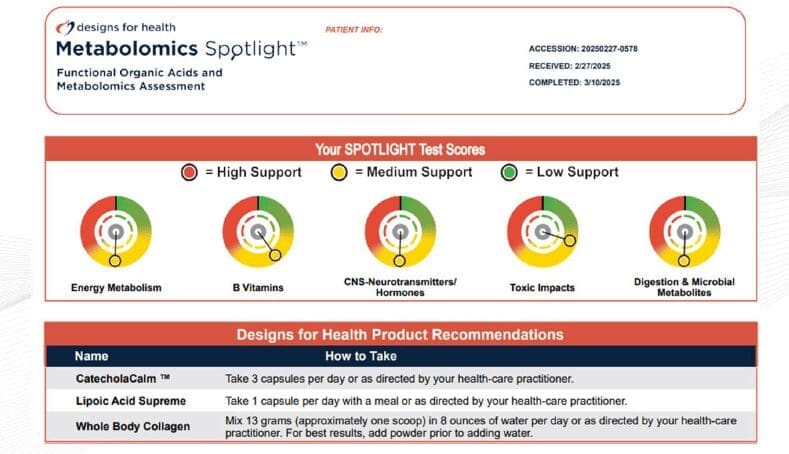
Suddenly, their experience is validated. The abstract feeling of “fatigue” now has a physiological location and a name. The visual evidence is irrefutable. This is the moment a patient leans in, their eyes light up with understanding, and they ask the most important question: “Okay, what do we do about it?”
This is the kind of visceral response that fuels motivation. The feedback is direct, personal, and empowering. When people see the tangible goals laid out before them—replenish this vitamin, support this pathway, heal this gut lining—they are ready to jump in. They feel seen and understood, often for the first time on their health journey. This is what I hope to provide for you today: a clear understanding of how these simplified, visually intuitive tests can become the cornerstone of a thriving, results-driven practice.
Debunking the Complexity: Functional Testing Made Easy for the Busy Practice
For many practitioners, the idea of integrating functional testing can feel intimidating. Have you ever considered it but felt held back by the perceived complexity or the time commitment required? You’re not alone. The traditional model often involves wading through dozens of pages of raw data, a process that can feel like trying to find a needle in a haystack, especially with a packed patient schedule.
Today, we’re going to demystify this process. We will explore a suite of tests intentionally designed to be self-interpreting. These aren’t just repackaged versions of old labs; they are the result of decades of clinical wisdom from seasoned practitioners who wanted to make this powerful information digestible and actionable for a broad range of healthcare professionals, from MDs and NDs to RDs and RNs.
We will focus on three key areas:
- The OATS Panel (Metabolomics Spotlight): A comprehensive look at your body’s metabolic engine.
- The GI Panel (GI Spotlight): A deep dive into the functional health of your digestive system.
- The Genomics Panel (Genomic Spotlight): An exploration of your genetic tendencies to guide proactive lifestyle choices.
 The true innovation here is not just the tests themselves, but the integrated automated protocols built into them. Based on the specific, abnormal results for an individual patient, the system generates a targeted set of recommendations. This revolutionary approach allows you to implement personalized medicine at scale. Whether you are new to functional testing or an experienced veteran, these tools are designed to enhance your practice. For novices, building confidence means providing a clear, structured framework. For the expert, they create profound efficiency, freeing you up to focus on the higher-level clinical reasoning and patient relationship.
When you can confidently run these tests on every appropriate patient, you start to see consistent, life-changing results. Weight loss becomes achievable, energy levels are restored, and chronic symptoms fade. This success creates a virtuous cycle: patients achieve their goals, they refer their friends and family, and your practice grows, built on a foundation of genuine healing.
Navigating the Data Deluge: Why Less Is More
Let’s be real about the primary challenge with much of today’s functional testing: we are often drowning in data. It’s not uncommon to receive a report from some labs that is over 70 pages long. While this wealth of information can hold incredible insights, it can also lead to analysis paralysis for the practitioner and overwhelm for the patient. A patient might fixate on three minor abnormalities on page 42, completely missing the foundational issues on page 5.
The approach we are discussing today is different because it was developed with a clear objective: to identify the markers where we can have the greatest impact through diet, lifestyle, and targeted supplementation. The goal isn’t just to collect data; it’s to find the levers we can pull to create real physiological change.
This is why I particularly love the Metabolomics Spotlight (OATS) panel for addressing issues like weight-loss resistance. Instead of just looking at hormones or calories, it allows us to peer directly into the cellular machinery. We can see why a patient isn’t burning fat for fuel. Are they missing the L-carnitine necessary to transport fatty acids into the mitochondria? Is there a block in the Krebs cycle preventing the conversion of nutrients into ATP? These are the root-cause questions that lead to breakthroughs.
By curating the tests to focus on clinically actionable markers, we avoid the noise. This solves the problem of scalability. It’s no longer an insurmountable task to run a functional test on every patient who needs one. The clarity and built-in protocols make it feasible to integrate this level of personalized care into even the busiest of practices.
A Clinical Case Study: Unlocking the Mystery of Weight Gain and Fatigue
Let me illustrate the power of this approach with a real-world example. A male patient was referred to me. Let’s call him David. He was the picture of frustration. He and his wife lived an active lifestyle—they enjoyed kayaking, surfing, and hiking. He showed me pictures of his meticulously prepared, healthy lunches. By all external measures, he was doing “everything right.” Yet, he was gaining weight, his energy was plummeting, and his hemoglobin A1c (HbA1c) was creeping up into the prediabetic range. He had already implemented all the low-hanging fruit—diet, exercise, sleep hygiene—and nothing was working. He was at a complete loss.
This is the perfect scenario for functional testing, when lifestyle fundamentals are in place, but the body is still not responding. We ran two key tests on David: the Metabolomics Spotlight and the GI Spotlight. The results were immediate and illuminating.
- The Metabolomics Spotlight Findings:
David’s report showed a significant impairment in his Krebs cycle, the central pathway for cellular energy production. Multiple markers were flagged, indicating his cells were struggling to convert glucose and fats into ATP. To run this cycle efficiently, the body requires a host of B-vitamin cofactors, as well as minerals like magnesium. The test clearly showed deficiencies in several of these key nutrients. Why was he deficient despite a healthy diet? The answer lay in the second test.
- The GI Spotlight Findings:
The GI panel revealed the root of the problem. David’s pancreatic elastase-1 level was profoundly low. Pancreatic elastase is a digestive enzyme crucial for breaking down fats and proteins. An optimal level is around 750 µg/g or higher. David’s level was 14 µg/g.
This single number explained everything. He was not absorbing the nutrients from his food. It didn’t matter how healthy his diet was; the essential vitamins, minerals, and amino acids weren’t making it from his gut into his bloodstream. He was, in effect, starving at a cellular level. Without the necessary cofactors (like B vitamins) to run the Krebs cycle, his body couldn’t efficiently metabolize glucose. This led to insulin resistance, weight gain, and a rising HbA1c. His fatigue was a direct consequence of his cells’ inability to produce energy.
The Intervention and Outcome:
The path forward was now crystal clear. The automated protocol recommended a high-quality digestive enzyme supplement to be taken with every meal, along with a targeted B-complex and other micronutrients to replete his deficiencies and support mitochondrial function.
The results were astounding. When David first came to me, his weight was 178 pounds, and his HbA1c was 6.3%. Within three months of implementing the protocol:
- His HbA1c dropped to 5.7%, moving him out of the prediabetic range and on a path toward optimal health.
- His weight came down to 165 pounds, and he was finally able to maintain a healthy weight.
- His energy levels soared, allowing him to enjoy his active lifestyle again fully.
- His primary care doctor, who had been concerned about his metabolic trajectory, was thrilled with the progress.
This case perfectly demonstrates the synergy between these tests. The Metabolomics panel showed what was happening at the cellular level (impaired energy metabolism), and the GI panel revealed why (severe malabsorption). We connected the dots: he wasn’t absorbing his food, so he lacked the cofactors needed to utilize glucose, leading to metabolic dysfunction. This is the power of moving beyond guesswork and using precise data to guide intervention.
Finding the “Optimal Health” Gap: When Standard Labs Aren’t Enough
David’s story highlights a common scenario I see in my practice. Many people exist in a gray area between perfect health and diagnosable disease. They go to their doctor with legitimate complaints—fatigue, brain fog, digestive issues—but their standard lab panels come back looking “great.” They are often told, “Everything’s normal. Maybe you’re just getting older,” or “It’s probably just menopause. You’ll get through it.” They are essentially written off.
This is precisely where functional testing shines. It is designed to evaluate optimal physiological function, not just the presence or absence of overt disease. Standard lab reference ranges are incredibly broad; they are calculated from the average of a population that is often far from healthy. Functional testing uses much tighter “optimal” ranges, allowing us to detect subtle imbalances and dysfunctions long before they escalate into a diagnosable condition.
When your other labs look great, but you feel terrible, it’s time to look deeper. These tests help us optimize health by identifying the subtle breakdowns in your body’s intricate biochemical pathways. We’re not looking to “diagnose a disease” in the conventional sense. For example, a low elastase level on a GI test doesn’t mean you have a terminal illness; it means your digestive function is suboptimal, and by supporting it, we can resolve a cascade of downstream symptoms. This is about building health and resilience from the ground up, moving people out of that frustrating middle zone and into a state of true vitality.
A Deeper Dive into the Core Tests
Let’s break down the three cornerstone tests we’ve been discussing so you can understand the specific, powerful information each one provides.
Metabolomics Spotlight: Illuminating Your Cellular Engine
The Metabolomics Spotlight, often referred to as an Organic Acids Test (OAT), is a simple urine test that provides a breathtakingly detailed snapshot of your body’s core metabolic processes. Think of it as an emissions test for your cells. Organic acids are metabolic intermediates produced during the body’s central energy pathways. When a specific path is blocked or running inefficiently—often due to a nutrient deficiency, a genetic weakness, or a toxin—these intermediates can build up and spill into the urine. By measuring their levels, we can pinpoint exactly where the metabolic machinery is breaking down.
The test report is brilliantly organized into functional categories, making it easy to interpret:
Energy Metabolism and Mitochondrial Function
This is the heart of the test. It examines markers directly from the Krebs cycle and fatty acid oxidation.
- Physiology: The Krebs cycle (or citric acid cycle) is the primary way our cells generate energy in the form of ATP (adenosine triphosphate). It takes place inside the mitochondria. For this cycle to turn smoothly, it requires numerous cofactors, including B1 (Thiamine), B2 (Riboflavin), B3 (Niacin), B5 (Pantothenic Acid), Lipoic Acid, and Magnesium. Fatty acid oxidation is the process of breaking down fats for energy, which also requires specific nutrients, such as L-Carnitine, to shuttle fatty acids into the mitochondria.
- Clinical Application: When we see elevated markers like Citrate, Isocitrate, or Alpha-Ketoglutarate, it can signal a bottleneck in the Krebs cycle. For example, a buildup of Alpha-Ketoglutarate can indicate a deficiency in the enzyme complex that catalyzes its conversion to the next step. This process heavily relies on B vitamins. If we see elevated fatty acid metabolites like Adipate and Suberate, it suggests the body is struggling to burn fat for fuel, potentially due to a carnitine or B2 deficiency. This is clinically invaluable for patients with fatigue, exercise intolerance, and weight loss resistance.
B-Vitamin Markers
This section provides a functional assessment of B-vitamin status, going beyond a simple blood level.
- Physiology: Instead of measuring the vitamin itself, this test measures metabolites that accumulate when a specific B vitamin is deficient. For example, elevated Xanthurenate is a classic functional marker for Vitamin B6 (Pyridoxine). Elevated Methylmalonate is a highly specific and sensitive indicator of Vitamin B12 (Cobalamin) deficiency at the cellular level.
- Clinical Application: This allows us to identify nutrient needs with incredible precision. For a patient with anxiety and sleep issues, seeing an elevated Xanthurenate tells us that supporting their B6 status is a crucial step, as B6 is vital for the synthesis of neurotransmitters like serotonin and GABA.
Neurotransmitter Metabolism
 This part of the test gives us insight into the balance of key brain chemicals.
- Physiology: It measures the metabolites of neurotransmitters like dopamine, norepinephrine, and serotonin. For example, Homovanillate (HVA) is a breakdown product of dopamine, and Vanillylmandelate (VMA) is a metabolite of norepinephrine and epinephrine. 5-Hydroxyindoleacetate (5-HIAA) is the primary metabolite of serotonin.
- Clinical Application: The HVA-to-VMA ratio can provide clues about how the body is handling stress. High levels of both can indicate chronic stress or “adrenal overdrive.” Low levels of 5-HIAA might suggest insufficient serotonin production, correlating with symptoms of depression, anxiety, or obsessive thinking. This helps us move beyond prescribing medications and instead support the body’s natural production of these crucial mood regulators with targeted amino acids (like 5-HTP or L-tyrosine) and cofactors (like B6 and magnesium).
Digestion and Microbial Metabolites
This section reveals what’s happening in the gut microbiome.
- Physiology: The test measures compounds produced by bacteria and yeast living in the gut. For instance, elevated D-Arabinitol is a well-established marker of Candida overgrowth. High levels of Benzoate, Hippurate, or P-Cresol can indicate dysbiosis, or an imbalance of gut bacteria.
- Clinical Application: This is an essential piece of the puzzle for anyone with digestive symptoms, as well as for those with skin issues, brain fog, or autoimmune conditions. Identifying a Candida overgrowth or bacterial dysbiosis allows us to implement a targeted antimicrobial and gut-healing protocol. For just $191, this test provides an incredible amount of actionable information, making it one of the most cost-effective tools for uncovering the root causes of chronic health issues.
And remember, you don’t have to be a biochemistry expert to use this. The built-in protocol recommendations guide you to the most appropriate supplements based on the abnormal findings, and our clinical support team is always available to walk you through the results.
GI Spotlight: The Epicenter of Your Health
If I could run only one test on most of my patients, it would often be a functional stool analysis. The gut is the gateway to the rest of the body. It’s where we break down and absorb nutrients, where 70-80% of our immune system resides, and where we produce a significant portion of our neurotransmitters. As we saw in David’s case, gut dysfunction can have profound systemic consequences, affecting glucose metabolism, weight, sleep, and detoxification.
 The GI Spotlight is a stool test designed to assess the digestive tract’s functional capacity. It helps us answer the critical question: Are you absorbing the nutrients from the food you eat?
This is why this test is so crucial for uncovering the “why” behind low cofactor levels seen on a metabolomics panel. It is the starting point for complex cases, especially for patients with a long list of seemingly unrelated symptoms.
The key marker we’ve already discussed is Pancreatic Elastase-1.
- Physiology: This is a digestive enzyme produced exclusively by the pancreas. It is not degraded as it travels through the gut, making it an excellent marker of exocrine pancreatic function. When the pancreas isn’t producing enough enzymes, we call this Exocrine Pancreatic Insufficiency (EPI). This means proteins, fats, and carbohydrates are not being properly broken down for absorption.
- Reasoning for Use: A low elastase level is a red flag for malabsorption. It explains why a patient might be nutrient-deficient despite a healthy diet. It also leads to a host of downstream problems. Undigested food particles can ferment in the gut, feeding opportunistic bacteria and yeast, leading to bloating, gas, and dysbiosis. It can also trigger inflammation and contribute to “leaky gut” (intestinal permeability). The protocol for low elastase is straightforward: provide the body with the enzymes it’s lacking by using a high-quality, broad-spectrum digestive enzyme supplement with each meal. This simple intervention can be life-changing, resolving digestive symptoms and finally allowing the body to access the nutrients it needs to function.
The GI Spotlight provides clear, actionable recommendations. For instance, in David’s case, the recommendation was simple and direct. I could confidently hand him the protocol, knowing it was targeted to the root cause of his issues. This efficiency is key in a busy practice.
Genomic Spotlight: Your Tendencies, Not Your Destiny
Genomic testing has become increasingly popular, but it often comes with significant fear and misunderstanding. People hear they have a “bad gene” and immediately think they are destined for a particular disease. I like to reframe this concept entirely: your genes are your tendencies, not your destiny.
Knowing your genetic predispositions is like having a personalized user’s manual for your body. It doesn’t tell you what will happen; it tells you where you might need to provide extra support through diet and lifestyle to keep your body in balance.
The Genomic Spotlight test is designed to be empowering, not frightening. It organizes key genetic variations (known as SNPs or Single Nucleotide Polymorphisms) into functional categories so you can easily see where your potential vulnerabilities lie.
- Detoxification: This section might examine genes such as GST and SOD, which are involved in Phase II detoxification and antioxidant defense. If you have a variant that makes these enzymes work a little slower, it doesn’t mean you’re toxic. It means you may benefit from proactively supporting your detox pathways with foods like cruciferous vegetables (broccoli, cauliflower), nutrients like N-acetylcysteine (NAC), and practices like regular sauna sweating.
- Methylation: This is a crucial biochemical process involved in everything from DNA repair to neurotransmitter production. Genes like MTHFR are famous in this category. A common MTHFR variant can reduce the ability to convert folic acid into its active form, methylfolate. The intervention isn’t a drug; it’s simply ensuring you get your folate from leafy greens or supplementing with the active, methylated forms of B vitamins (methylfolate and methyl-B12).
- Cognition: This might include the APOE. Having an APOE4 variant is associated with an increased risk for Alzheimer’s disease. But this is not a death sentence. Leading researchers in this field, such as Dr. Dale Bredesen, have shown that a targeted, multifaceted lifestyle protocol can dramatically mitigate this risk. Knowing you have this tendency motivates you to be vigilant about managing inflammation, optimizing blood sugar, and supporting brain health throughout your life.
The Genomic Spotlight takes the guesswork out of preventative health. When I have a patient whose progress has stalled or who has a complex history, I often look to their genomics to see if there’s an underlying predisposition we need to support. It provides that final layer of personalization to a treatment plan.
When to Use Each Test: A Clinical Guide
So, how do you decide which test to run on which patient? Here is a practical guide based on common clinical presentations.
 When to Run the Metabolomics + GI Spotlight Combo ($289 for both):
This is my preferred starting point for most new patients, as it provides the most comprehensive view of both digestive function and cellular metabolism. It connects the gut to the rest of the body. I recommend this combination for:
- Any GI complaints: Bloating, indigestion, reflux, constipation, diarrhea.
- Unexplained weight gain or weight-loss resistance, especially when the patient is already implementing diet and exercise.
- Chronic fatigue and energy issues.
- HPA-axis dysregulation (“adrenal fatigue”) and blood sugar imbalances (dysglycemia): As seen in our case study.
- Mood imbalances: Anxiety, depression, and other mental health concerns.
- Cognitive issues: Brain fog, poor memory, and difficulty concentrating.
- Suspected “Leaky Gut” and food sensitivities.
- Post-illness recovery: Especially after a viral or bacterial infection, to replenish the gut and support cellular energy.
- High-performance individuals: Athletes looking to optimize performance and recovery. I’ve used these tests extensively to identify metabolic bottlenecks that limit endurance and strength.
- As a general health check-in, for proactive patients who want to establish a baseline and optimize their health.
The gut is where our health begins. If you aren’t absorbing your nutrients, no other system in the body can function optimally. You can’t feel good, and you can’t detoxify properly, because the gut is where the resources for these processes are absorbed.
When to Consider the Genomic Spotlight:
- For proactive health insights: When a patient wants to understand their unique genetic blueprint to guide long-term diet and lifestyle choices.
- When progress stalls: If a patient is not responding to standard protocols, their genomics might reveal an underlying weakness (e.g., methylation or detoxification) that requires targeted support.
- Family history of chronic disease: To understand personal risk and implement preventative strategies.
You Are Not Alone: The Power of Clinical Support
One of the most significant barriers to implementing functional testing is the fear of being left alone with the data. What if you get a complex report and aren’t sure how to prioritize the findings?
This is where the model we’re discussing truly excels. Think of our clinical support team as an extension of your own practice—a group of experienced clinicians in your back pocket. When you run these tests, you gain access to a team of experts who can walk you through the results, help you strategize a treatment plan, and answer your questions.
- Case Mentorship: You can schedule a call to discuss a patient’s case before you even run a test to see if it’s appropriate. After the results are in, you can book a consult to go over them in detail. We can help you prioritize recommendations, especially for sensitive patients or those with a long list of abnormal markers. We might suggest a phased approach: “Let’s start with Phase 1 to heal the gut and support digestion, and then move to Phase 2 to address the deeper mitochondrial issues.”
- Building Your Confidence: Our goal is to empower you. We want you to feel confident using these tests with every single patient who needs them. The more you use them and see the results, the more your confidence will grow. We’ve seen practitioners build their entire business around the success they achieve with these tools.
- No Limits on Support: Unlike some testing companies that may limit you to one brief consult per test, we encourage you to call as often as you need. We don’t view it as you “taking advantage”; we see it as a partnership dedicated to achieving the best possible patient outcomes.
This support system dismantles the intimidation factor and enables any licensed practitioner to integrate this powerful form of medicine into their practice, confident that they have a team of experts ready to help them succeed.
A Note on Scope of Practice and Professional Collaboration
A valid and important question often arises regarding which professionals are qualified to order and interpret these tests. For instance, what is the role of a health coach compared to a licensed clinician, such as an NP, DC, MD, or ND?
This is a critical distinction, and the testing framework we are discussing is designed with this in mind. The specific panels we offer have been carefully curated to be appropriate for a wider range of practitioners by focusing on wellness and nutritional markers rather than diagnostic ones. For example, definitive diagnostic markers for active infections, such as H. pylori antigen, or inflammatory markers, such as Calprotectin (which can indicate Inflammatory Bowel Disease), are intentionally excluded from basic wellness panels. This ensures that the information provided is geared toward guiding diet, lifestyle, and supplement recommendations—the domain of wellness professionals—rather than diagnosing a medical condition, which is strictly the purview of licensed medical providers.
However, the information is still incredibly powerful. The markers that remain—like pancreatic elastase, microbial metabolites, and organic acids—provide deep insights into physiological function. The role of the practitioner, regardless of their title, is to deliver this information responsibly.
For professionals like health coaches or personal trainers, the ideal model is one of collaboration and mentorship. They can be invaluable in guiding clients through the diet and lifestyle changes recommended by a protocol. When a test result suggests a potential underlying medical issue, the protocol is to refer the client to a licensed clinician for further evaluation. A licensed practitioner, such as myself (DC, FNP-APRN), a medical doctor, or a naturopathic doctor, has the extensive background in biochemistry, physiology, and pathology necessary to understand the deeper clinical implications of these markers and to differentiate between a functional imbalance and a potential disease state.
The simplicity of the reports is a double-edged sword. It makes the information accessible, which is wonderful. But it should never replace the deep clinical reasoning that comes from years of education and experience. My perspective is that while a broad spectrum of wellness professionals can use these tools, they are most powerfully and safely wielded under the guidance or direct supervision of a licensed clinician who can hold the full context of the patient’s health history and make the necessary medical judgments. The support system, which provides our clinical team of licensed providers for consultation, provides a crucial layer of safety and oversight.
Functional Medicine’s Influence Beyond Joints- Video
Key Takeaways: Ease, Efficiency, and Confidence
As we conclude this overview, I want you to remember three key words that define this approach to functional testing:
- Ease: This system is designed to simplify what has historically been an intimidating process. You don’t need to memorize every biochemical pathway to get started. The self-interpreting reports and available clinical mentorship mean you can begin using these tools right away to get profound insights for your patients.
- Efficiency: The ready-to-use, automated protocols are a game-changer for a busy practice. They allow you to provide a high level of personalized care at scale. Imagine being able to help a group of 20 people in a weight loss program simultaneously, each with their own targeted protocol generated from their unique test results. This is how you create a massive impact.
- Confidence: When you have the right tools and the right support, your confidence as a practitioner soars. More importantly, your patients gain confidence in you because they are finally getting the results they deserve. This is how you build a practice based on trust and success.
I’ll leave you with one final story. One of the first times I ran a comprehensive GI test on a patient, she started to cry when we reviewed the results. I initially worried I had scared her. I asked her why she was crying, and she replied, “No, I’m not scared. For the first time, I feel validated. I knew something was wrong with me, and everyone told me it was in my head. Now we’ve found it, and I’m just so excited to have a plan and start feeling better finally.”
That is the ultimate power of this work. We are giving people the motivation to change their behavior—which is often the hardest part—by validating their experience and giving them a clear, personalized path to healing.
If you are interested in learning how to integrate this into your practice, I encourage you to book a consultation with our team. We are here to support you every step of the way.
Summary
This educational post, presented by Dr. Alex Jimenez, DC, FNP-APRN, outlines a modern, simplified approach to functional diagnostic testing for busy clinical practices. The core thesis is that by using intelligently curated, self-interpreting tests, practitioners can efficiently uncover the root causes of chronic symptoms, leading to better patient outcomes and increased patient engagement. The traditional hurdles of functional testing—overwhelming data, complex interpretation, and time-intensive analysis—are overcome through a system that focuses on clinically actionable biomarkers and provides automated, evidence-based protocol recommendations. We explored three foundational tests: the Metabolomics Spotlight (OATS), which assesses cellular energy production, B-vitamin status, and neurotransmitter metabolism; the GI Spotlight, which evaluates digestive function and absorption, with a key focus on the pancreatic elastase marker; and the Genomic Spotlight, which provides empowering insights into genetic predispositions for proactive health management. A clinical case study was used to illustrate how combining these tests can solve complex health puzzles, such as linking malabsorption (low elastase) to downstream metabolic dysfunction (impaired Krebs cycle and rising HbA1c). The post emphasizes that this testing model is designed for scalability, enabling practitioners to provide a high level of personalized care to every patient. Furthermore, it highlights the crucial role of an integrated clinical support and mentorship program that empowers practitioners at all experience levels to use these tests with confidence. The overarching goal is to shift the paradigm from symptom management to root-cause resolution, validating patients’ experiences and providing them with the clear, visual data needed to motivate lasting lifestyle changes.
Conclusion
In conclusion, the evolution of functional testing towards simplicity, efficiency, and built-in clinical support represents a significant leap forward in personalized medicine. The ability to quickly and accurately identify underlying physiological dysfunctions in metabolism, digestion, and detoxification enables highly targeted, effective interventions. This approach transforms the practitioner’s role from a decoder of complex data to an empowered guide on a patient’s healing journey. It democratizes access to deep health insights, enabling busy clinicians to integrate this level of care as standard practice. By focusing on how systems interrelate—how gut health directly fuels cellular energy—we can move beyond a fragmented, symptom-based model to a truly holistic and functional one. The ultimate benefit is for the patient, who finally receives validation for their chronic suffering and, more importantly, a clear, actionable, and personalized roadmap back to optimal health and vitality.
Key Insights
- Validation Motivates Change: Visual, easy-to-understand test results that pinpoint the physiological reasons for a patient’s symptoms are a powerful tool for validation. This validation often motivates patients to adhere to diet and lifestyle protocols.
- Malabsorption is a Common Root Cause: Poor digestive function, specifically low pancreatic enzyme output (indicated by low elastase), is a frequently overlooked cause of systemic issues, including nutrient deficiencies, fatigue, and metabolic syndrome. You cannot be healthy if you cannot absorb your food.
- Function Over Diagnosis: The strength of this testing is in assessing optimal function, not just diagnosing disease. It identifies subtle imbalances long before they appear on standard lab tests, enabling truly preventive and health-optimizing care.
- Scalability Through Simplicity: By curating tests to the most actionable markers and providing automated protocol recommendations, advanced functional medicine can be efficiently scaled in a busy practice, benefiting more patients.
- Collaborative Support is Essential: A robust clinical support and mentorship system is key to practitioner success. Having on-demand access to experienced clinicians removes the intimidation factor and builds the confidence needed to integrate new diagnostic tools effectively.
Keywords: Functional Medicine, Metabolomics, Organic Acids Test (OAT), GI Testing, Stool Analysis, Genomics, Personalized Medicine, Pancreatic Elastase, Krebs Cycle, Mitochondrial Health, Malabsorption, Nutrient Deficiencies, Dysbiosis, MTHFR, Detoxification, Clinical Support, Busy Practice, Patient Engagement, Hemoglobin A1c, Weight Loss Resistance.
References:
- Lord, R. S., & Bralley, J. A. (2012). Laboratory Evaluations for Integrative and Functional Medicine. Metametrix Institute.
- De Meirleir, K., & McGregor, N. (2009). Chronic Fatigue Syndrome: A Biological Approach. CRC Press.
- Bredesen, D. E. (2017). The End of Alzheimer’s: The First Program to Prevent and Reverse Cognitive Decline. Avery.
- Korn, L. (2016). Nutrition Essentials for Mental Health: A Complete Guide to the Food-Mood Connection. W. W. Norton & Company.
- Vojdani, A. (2015). The Gut-Associated Lymphoid Tissue (GALT) as a Main Route of Both Food and Environmental Antigen Exposure. In Food and Environmental Antigens (pp. 1-28). Springer, Cham.
- Gaby, A. R. (2017). Nutritional Medicine. Fritz Perlberg Publishing.
- Liska, D. J., Lyon, M., & Jones, D. S. (2010). Textbook of Functional Medicine. The Institute for Functional Medicine.
Disclaimer: The information provided in this educational post is for informational purposes only and is not intended to be a substitute for professional medical advice, diagnosis, or treatment. It is presented from the clinical perspective and experience of Dr. Alex Jimenez, DC, FNP-APRN, and is based on modern, evidence-based research. However, every individual’s health situation is unique.
Disclaimer: All individuals must seek the advice of their own physician or other qualified health provider for any questions regarding a medical condition. Do not disregard professional medical advice or delay in seeking it because of something you have read in this post. The protocols and ideas discussed are for educational purposes and should not be implemented without consulting a licensed healthcare professional who can assess your personal health needs.
Post Disclaimer
General Disclaimer, Licenses and Board Certifications *
Professional Scope of Practice *
The information herein on "Functional Testing Insights for Wellness and Health" is not intended to replace a one-on-one relationship with a qualified health care professional or licensed physician and is not medical advice. We encourage you to make healthcare decisions based on your research and partnership with a qualified healthcare professional.
Blog Information & Scope Discussions
Welcome to El Paso's Premier Wellness and Injury Care Clinic & Wellness Blog, where Dr. Alex Jimenez, DC, FNP-C, a Multi-State board-certified Family Practice Nurse Practitioner (FNP-BC) and Chiropractor (DC), presents insights on how our multidisciplinary team is dedicated to holistic healing and personalized care. Our practice aligns with evidence-based treatment protocols inspired by integrative medicine principles, similar to those on this site and on our family practice-based chiromed.com site, focusing on naturally restoring health for patients of all ages.
Our areas of multidisciplinary practice include Wellness & Nutrition, Chronic Pain, Personal Injury, Auto Accident Care, Work Injuries, Back Injury, Low Back Pain, Neck Pain, Migraine Headaches, Sports Injuries, Severe Sciatica, Scoliosis, Complex Herniated Discs, Fibromyalgia, Chronic Pain, Complex Injuries, Stress Management, Functional Medicine Treatments, and in-scope care protocols.
Our information scope is multidisciplinary, focusing on musculoskeletal and physical medicine; wellness; contributing etiological viscerosomatic disturbances within clinical presentations; associated somato-visceral reflex clinical dynamics; subluxation complexes; sensitive health issues; and functional medicine articles, topics, and discussions.
We provide and present clinical collaboration with specialists from various disciplines. Each specialist follows their professional scope of practice and licensure jurisdiction. We use functional health & wellness protocols to treat and support care for musculoskeletal injuries or disorders.
Our videos, posts, topics, and insights address clinical matters and issues that directly or indirectly relate to our clinical scope of practice.
Our office has made a reasonable effort to provide supportive citations and has identified relevant research studies that support our posts. We provide copies of supporting research studies upon request to regulatory boards and the public.
For further discussion on how this information relates to specific care plans or treatment protocols, please ask Dr. Alex Jimenez, DC, APRN, FNP-BC, or contact us at 915-850-0900.
We are here to help you and your family.
Blessings
Dr. Alex Jimenez DC, MSACP, APRN, FNP-BC*, CCST, IFMCP, CFMP, ATN
Email: [email protected]
Multidisciplinary Licensing & Board Certifications:
Licensed as a Doctor of Chiropractic (DC) in Texas & New Mexico*
Chiropractic Licenses:
Texas DC License #: TX5807, Verified: TX5807
New Mexico DC License #: NM-DC2182, Verified: NM-DC2182
Nurse Practitioner Licenses:
Texas APRN License #: 1191402, Verified: 1191402 *
New Mexico CNP License #: 90560, Verified 90560
Florida APRN License #: 11043890, Verified: APRN11043890 *
Colorado License #: C-APN.0105610-C-NP, Verified: C-APN.0105610-C-NP
New York License #: N25929, Verified N25929
Georgia APRN License #: GAA-NP005701
Multi-State Advanced Practice Registered Nurse (APRN*) Texas & Multi-States
Multi-state Compact APRN License by Endorsement (43 States)
Compact Status: Multi-State License: Authorized to Practice in 43 States*
Nursing Licensure Compact: Updated Here
DEA Registration: (Drug Enforcement Agency Registered)
All medical (MDs) and family practice providers (FNP-APRN) are registered and licensed to offer various levels of medication.
Verify Providers' DEA Registration Here
License Verification Link: Nursys License Verifier
* Prescriptive Authority Authorized (DEA Registered Providers). Call if Required
Board Certification:
ANCC FNP-BC: Board Certified Nurse Practitioner*
Education:
Graduate with Honors: ICHS: MSN-FNP (Family Nurse Practitioner Program)
Degree Granted. Master's in Family Practice, MSN Diploma (Cum Laude)
Dr. Alex Jimenez, DC, APRN, FNP-BC*, CFMP, IFMCP, ATN, CCST
(Board Certified: Family Practice Nurse Practitioner—Multistate)*
(Licensed Nurse Practitioner & Chiropractor - Multistate)*
Clinical Director
DC & FNP License (Review Above)
Digital Business Card
NPI: 1205907805
Dr. Maria Cardenas, MD
(Board Certified: Internal Medicine)
(Licensed Medical Doctor)
Medical Director, Clinical Director & Collaborative Physician
NPI # 1164426748
MD License #: J2933
Licenses and Board Certifications:
MD: Medical Doctor
DC: Doctor of Chiropractic
APRNP: Advanced Practice Registered Nurse
FNP-BC: Family Practice Specialization (Multi-State Board Certified)
FNP-BC: Family Practice Across Life Span (Neonatal to Geriatrics)
RN: Registered Nurse (Multi-State Compact License)
CFMP: Certified Functional Medicine Provider
MSN-FNP: Master of Science in Family Practice Medicine
MSACP: Master of Science in Advanced Clinical Practice
IFMCP: Institute of Functional Medicine
CCST: Certified Chiropractic Spinal Trauma
ATN: Advanced Translational Neutrogenomics
Family with Primary Care Focus (Family Nurse Practitioner or FNP)
- The Family Nurse Practitioner (FNP) promotes, maintains, and restores health for individuals and families across the lifespan. FNPs also identify health risks, promote wellness, and diagnose and manage acute and chronic illness.
- The FNP focuses on comprehensive primary care, promoting healthy lifestyles for patients across the lifespan in settings such as private practice, physician offices, and community health centers.
Memberships & Associations:
TCA: Texas Chiropractic Association: Member ID: 104311
TNA: Texas Nurse Association: Member ID: 06458222
TNP: Texas Nurse Practitioner Association ID: 2025091511
AANP: American Association of Nurse Practitioners: Member ID: 2198960
ANA: American Nurses Association: Member ID: 06458222 (District TX01)
| Primary Taxonomy | Selected Taxonomy | State | License Number |
|---|---|---|---|
| No | 111N00000X - Chiropractor | NM | DC2182 |
| Yes | 111N00000X - Chiropractor | TX | DC5807 |
| Yes | 363LF0000X - Nurse Practitioner - Family | TX | 1191402 |
| Yes | 363LF0000X - Nurse Practitioner - Family | FL | 11043890 |
| Yes | 363LF0000X - Nurse Practitioner - Family | CO | C-APN.0105610-C-NP |
| Yes | 363LF0000X - Nurse Practitioner - Family | NY | N25929 |
| Yes | 363LF0000X - Nurse Practitioner - Family | NM |
90560 |
| Yes | 363LF0000X - Nurse Practitioner - Family | GA | GAA-NP005701 |
Dr. Alex Jimenez, DC, APRN, FNP-BC*, CFMP, IFMCP, ATN, CCST
(Board Certified: Family Practice Nurse Practitioner—Multistate)*
(Primary Care Across Lifespan—Neonatal / Pediatric / Adult / Geriatrics)
(Licensed Nurse Practitioner & Chiropractor - Multistate)*
Clinical Director
Digital Business Card
NPI: 1205907805
Dr. Maria Cardenas, MD
(Board Certified: Internal Medicine)*
(Licensed Medical Doctor)*
Medical Director, Clinical Director & Collaborative Physician
NPI # 1164426748
MD License #: J2933
📆 Schedule Appointment: Schedule 24/7 (Click Here)