
Table of Contents
Integrative Percutaneous Tenotomy for Tendinopathy: An Evidence-Based Educational Post by Dr. Alex Jimenez, DC, APRN, FNP-BC, CFMP, IFMCP, ATN, CCST
Abstract
In this educational post, I walk you through how we evaluate and treat chronic tendinopathy using modern, minimally invasive procedures—specifically ultrasound-guided percutaneous tenotomy—and evidence-based protocols. I present current FDA-cleared indications, the two leading debridement technologies (Tenex and TenJet), and how we integrate integrative chiropractic care, functional medicine, rehabilitation, and personal injury services under medical oversight.
I highlight collaborative care led by Dr. Maria Guadalupe Cardenas, MD (Board Certified in Internal Medicine; NPI #1164426749; Texas MD License #J2933), our Medical Director at Injury Medical Clinic PA (Mission Plaza Injury Medical Clinic) in El Paso, Texas, and describe how our interdisciplinary model improves outcomes for elbow, patellar, Achilles, and plantar fascia disorders. You will learn the physiological underpinnings of tendinopathy, why and when debridement is needed, how we select Tenex or TenJet, and how chiropractic integration and functional medicine address biomechanics, nutrition, inflammation, and return to function. I include patient-centered protocols, ultrasound technique details, risk/benefit considerations, outcome measures, and practical rehabilitation guidance based on current research and clinical observations from my work and publications.
Introducing Our Multidisciplinary Care Model in El Paso, Texas
I’m Dr. Alex Jimenez, DC, APRN, FNP-BC, CFMP, IFMCP, ATN, CCST, and I serve patients at Injury Medical Clinic PA—also known as Mission Plaza Injury Medical Clinic—in El Paso, Texas. We deliver coordinated, multidisciplinary care designed for individuals with musculoskeletal pain, sports injuries, personal injury cases, and complex chronic conditions.
- Our Medical Director and Collaborative Physician is Dr. Maria Guadalupe Cardenas, MD (Board Certified in Internal Medicine; NPI #1164426749; Texas MD License #J2933), who brings over 40 years of clinical experience as an internist.
- I lead the integrative chiropractic, functional medicine, and rehabilitation services.
- Together, we integrate medical oversight, chiropractic adjustments, functional medicine, ultrasound-guided procedures, soft-tissue remodeling, and neuro-musculoskeletal rehabilitation to achieve safe, efficient, and reproducible outcomes.
This approach is common in integrative and injury care clinics, where an MD provides medical direction alongside a chiropractor, ensuring procedural standards, medication safety, diagnostics, and continuity of care align with the highest evidence-based practices.
Understanding Chronic Tendinopathy: Why Debridement Can Help
Chronic tendinopathy is not simply inflammation; it is a degenerative process involving collagen disorganization, neovascularization, and failed healing, often driven by overload, microtrauma, and impaired biomechanics. Histologically, we see:
- Collagen fiber disruption with mucoid degeneration and increased ground substance.
- Disorganized Type III collagen replacing stronger Type I collagen, reducing tensile strength.
- Neoinnervation and neovascularization, which correlate with pain.
- Persistent nociceptive signaling due to biochemical mediators and mechanoreceptor sensitization.
These changes resist conservative care when present beyond 3–6 months, particularly if loading is suboptimal or inflammation and systemic drivers (e.g., metabolic syndrome, dysglycemia, vitamin D insufficiency) compound microangiopathy and repair deficits. In these cases, targeted debridement—removing degenerated tissue while sparing healthy tendon—can reset biology by:
- Reducing the pain-generating tendinopathic nidus.
- Stimulating a microenvironment conducive to regeneration.
- Allowing graded mechanotherapy to realign collagen along tensile lines.
- Improving load distribution and biomechanical efficiency across kinetic chains.
Research shows that ultrasound-guided percutaneous tenotomy improves pain and function for lateral epicondylosis, patellar tendinopathy, Achilles tendinopathy, and plantar fasciopathy, with low complication rates and high patient satisfaction, when combined with a structured rehabilitation program and risk factor management (Altman et al., 2021; Barnes et al., 2020; Seng et al., 2016).
Percutaneous Tenotomy: What It Is and Why It Works
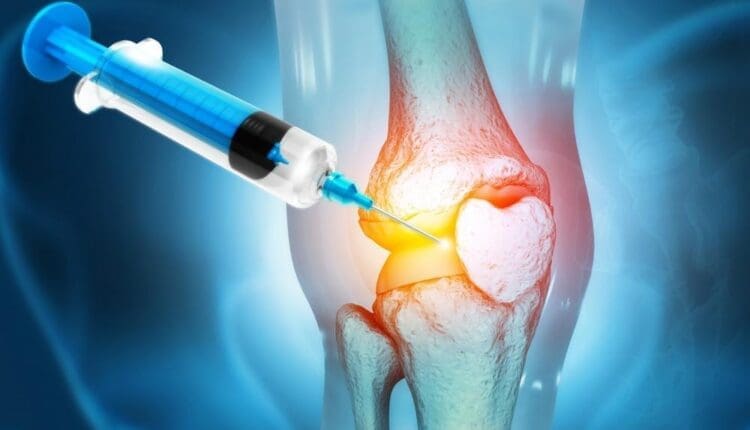
Percutaneous tenotomy is a minimally invasive procedure performed under real-time ultrasound guidance. It targets the pathological portion of the tendon or fascia with a specialized device and removes diseased tissue without a traditional open incision. Two leading technologies are used:
- Tenex: Utilizes ultrasonic energy at the needle tip to emulsify degenerative tissue while an integrated double-lumen system provides continuous suction. The 18-gauge tip is guided precisely to the hypoechoic, heterogeneous tendinopathic zone. Cutting times typically range from 30 seconds to 2 minutes, depending on tissue density and lesion size.
- TenJet: Uses a pressurized, high-velocity saline jet coupled with vacuum suction to debride tissue, offering an alternative to ultrasonic emulsification.
In our El Paso clinic, we currently use the Tenex system for its precision, tactile feedback, and favorable outcomes in common tendinopathies. The procedure is performed under sterile conditions with a sheath-protected ultrasound probe to maintain asepsis.
- The patient is positioned in a comfortable supine or lateral decubitus posture based on the target region.
- The ultrasound probe visualizes the tendon, confirming the distal humerus anatomy for lateral epicondyle cases (extensor carpi radialis brevis, ECRB).
- The needle enters in-plane to the probe, enabling continuous visualization of tip position and debridement trajectory.
- Activation via foot pedal initiates emulsification/suction; I gently move the tip within the lesion to ensure comprehensive debridement without breaching healthy fibers.
Controlled removal of pathologic material reduces nociceptor activation and restores architecture, while microtrauma induces localized bleeding and growth factor release (e.g., TGF-β, IGF-1) to stimulate reparative cascades. Post-procedure protocols engage graded loading to align new collagen and prevent recurrence.
FDA-Cleared Indications and Clinical Use Cases
Percutaneous tenotomy is FDA-cleared for several tendinopathy indications when conservative care has failed:
- Elbow extensor and flexor tendinopathy (e.g., ECRB in lateral epicondylosis, commonly called tennis elbow).
- Patellar tendinopathy (jumper’s knee).
- Achilles tendinopathy (midportion or insertional, case-dependent).
- Plantar fasciopathy (plantar fasciitis).
These conditions exhibit characteristic ultrasound features: hypoechoic regions, increased thickness, loss of fibrillar pattern, and sometimes calcific deposits or partial tears. Ultrasound not only guides debridement but also monitors outcomes.
How We Integrate Chiropractic Care With Medical Oversight
Our model blends the precision of ultrasound-guided procedures with integrative chiropractic care, functional medicine, rehabilitation, and personal injury protocols to address the full spectrum of tendinopathy contributors.
- Medical Direction by Dr. Cardenas, MD
- Oversees the diagnostic accuracy and appropriateness of tenotomy.
- Coordinates imaging, labs (e.g., HbA1c, lipid profile, vitamin D, hs-CRP), and pharmacotherapy when indicated.
- Ensures procedural and post-procedural safety, including infection prevention and anticoagulation management when relevant.
- Guides complex medical cases with comorbidities and systemic inflammation.
- Integrative Chiropractic Care (Led by me, Dr. Jimenez)
- Corrects biomechanical faults that perpetuate tendon overload: restricted thoracic rotation, scapular dyskinesis, altered foot mechanics, pelvic tilt, or spinal segment dysfunction.
- Employs specific adjustments, joint mobilization, and soft-tissue release to restore normal kinematics and load sharing.
- Trains sensorimotor control to optimize tendon loading and reduce aberrant strain patterns across kinetic chains.
- Coordinates care across personal injury and sports performance needs.
- Functional Medicine Integration
- Identifies systemic drivers of impaired healing: insulin resistance, micronutrient deficiencies, dysbiosis, and elevated oxidative stress.
- Implements nutrition strategies: anti-inflammatory diet patterns; adequate protein and collagen precursors (glycine, proline); omega-3 fatty acids; vitamin C, D, magnesium, and polyphenols to support collagen synthesis and tendon matrix remodeling (Close et al., 2022; Grewal & Allen, 2021).
- Uses behavioral and sleep interventions to normalize cortisol rhythms and improve recovery.
- Rehabilitation and Return-to-Function
- Progressive mechanotherapy post-tenotomy, starting with isometrics (pain modulation through descending inhibitory pathways), progressing to eccentrics and heavy slow resistance (stimulates tendon remodeling and collagen alignment).
- Incorporates blood flow restriction (when appropriate), tempo work, and plyometric re-introduction based on tolerance.
- Ensures load dose is carefully titrated to prevent reinjury and optimize matrix reconstitution.
Step-by-Step: Our Ultrasound-Guided Tenex Protocol
Here is how I perform percutaneous tenotomy for lateral epicondylosis (ECRB) and similar tendinopathies, integrating sterile technique and ultrasound precision.
- Pre-Procedure Assessment
- Confirm diagnosis through history, physical exam (Cozen’s, Mills’ tests), and ultrasound to locate hypoechoic degeneration and tendinopathic thickness.
- Rule out differential diagnoses: radial tunnel syndrome, cervical radiculopathy, and osteochondral defects.
- Discuss risks, benefits, and alternatives; obtain informed consent.
- Sterile Preparation
- Prep skin; sheath the ultrasound probe in a sterile cover.
- Local anesthesia; position patient supine with elbow supported.
- Needle Guidance and Debridement
- Introduce the 18-gauge double-lumen Tenex tip in-plane to the transducer for full visualization.
- Activate ultrasonic emulsification and suction via foot pedal.
- Gently oscillate the tip within the tendinopathic nidus until echotexture improves and resistance changes indicate adequate debridement.
- Typical cutting time: 30 seconds to 2 minutes.
- Post-Procedure Care
- Compression and sterile dressing.
- Short period of relative rest followed by staged loading protocols (see below).
- Monitor for complications; schedule follow-ups with functional progress measures.
Rehabilitation Roadmap: Why Each Stage Matters
Successful outcomes depend on appropriate load progression and neuromuscular retraining. Here’s our staged approach and rationale:
- Phase 1: Pain Modulation and Tissue Protection (Days 1–7)
- Gentle isometrics (pain-free intensity): Activates descending pain inhibitory pathways and improves tendon stiffness without excessive strain.
- Swelling control, protected mobility, and avoiding provocative grips or stretches that irritate the repair zone.
- Phase 2: Early Remodeling (Weeks 2–4)
- Eccentric loading: Stimulates tenocyte mechanotransduction, encourages collagen alignment, and reduces neovascularization pain.
- Manual therapy and chiropractic adjustments address proximal and distal joint restrictions to reduce abnormal tensile loads.
- Scapular stability and forearm kinetic chain exercises for elbow cases.
- Phase 3: Strength and Capacity Building (Weeks 4–8)
- Heavy Slow Resistance: Promotes collagen cross-linking and improved tendon stiffness under controlled tempo.
- Integrate blood flow restriction judiciously to increase strength at lower loads when pain limits intensity.
- Phase 4: Return-to-Performance (Weeks 8–12+)
- Plyometrics, energy-storage loading, and sport-specific tasks.
- Technique refinement to prevent recurrence (grip, swing mechanics, run form, jump landing).
This progression is individualized based on pain, function, ultrasound findings, and patient goals.
Safety, Risks, and Clinical Pearls
Percutaneous tenotomy is generally safe with a low complication rate when performed under medical oversight and meticulous technique.
- Potential Risks
- Infection (rare with sterile technique).
- Bleeding or hematoma.
- Nerve or vessel irritation if landmarks are not respected.
- Temporary pain flare.
- Mitigation Strategies
- Real-time ultrasound visualization of vessels and nerves.
- Strict aseptic procedure standards.
- Graduated loading; avoid premature high-intensity tasks.
- Coordinate anticoagulation management under Dr. Cardenas’ guidance.
- Clinical Pearls
- Map the lesion thoroughly; do not chase pain—debride structurally abnormal tissue.
- Use probe pressure judiciously to avoid compressing superficial veins or altering lesion visualization.
- Combine with functional medicine to address systemic healing deficits (vitamin D, omega-3 index, and glycemic variability).
- Track progress with patient-reported outcomes (VAS, QuickDASH) and functional tests.
When We Choose Tenex vs. TenJet
Selecting Tenex or TenJet depends on lesion characteristics, operator familiarity, and patient-specific factors.
- Tenex Advantages
- Excellent control for focal degenerative nodules (e.g., ECRB).
- Strong evidence base in elbow and plantar fascia applications.
- Precise emulsification with suction minimizes collateral damage.
- TenJet Considerations
- Effective for broader degenerative zones or calcific lesions where saline jet dissection can help.
- Useful in tissues where ultrasonic tip access is limited.
We currently prefer Tenex for most elbow, patellar, Achilles, and plantar fascia cases due to consistent outcomes and workflow integration, while remaining open to TenJet when anatomy or pathology suggests benefit.
Integrative Chiropractic Care: Restoring Kinetic Chain Integrity
My clinical observations emphasize that tendinopathy rarely exists in isolation. The kinetic chain is key:
- Elbow Tendinopathy
- Often linked to scapular dyskinesis, thoracic stiffness, and wrist extensor overuse, particularly in racquet sports or repetitive occupational tasks.
- Chiropractic adjustments to the cervical-thoracic junction and rib mechanics enhance proximal control, reducing distal overload.
- Soft-tissue work on the radial forearm and lateral elbow improves fascial glide and reduces nociceptive input.
- Patellar Tendinopathy
- Influenced by hip abductor weakness, ankle dorsiflexion limits, and valgus collapse.
- Adjustments to pelvic, sacroiliac, and ankle joints, combined with neuromuscular training, normalize knee extensor demands.
- Achilles and Plantar Fasciopathy
- Often driven by calf tightness, rearfoot posture, and midfoot stiffness.
- Foot and ankle mobilization, orthotic guidance, and gait retraining reduce repetitive traction and compressive loads at the enthesis.
This integrative model corrects the root causes of overload, not just the symptomatic tendon.
Functional Medicine: Feeding the Tendon to Heal
Healing demands substrate and systemic balance. Under our functional medicine lens:
- Protein and Collagen Precursors: Adequate essential amino acids, glycine, and proline support collagen synthesis.
- Vitamin C and D: Vitamin C is a cofactor for prolyl and lysyl hydroxylases; vitamin D modulates muscle performance and inflammatory responses.
- Omega-3 Fatty Acids: Improve resolvins and specialized pro-resolving mediators, supporting a shift from chronic inflammation to resolution.
- Magnesium and Polyphenols: Aid in energy metabolism and reduce oxidative stress that impairs tenocyte function.
- Glycemic Control: Hyperglycemia stiffens collagen via advanced glycation end products (AGEs), compromising elasticity and healing.
We customize nutrition plans and supplementation under Dr. Cardenas’ oversight, guided by medications, comorbidities, or lab findings to ensure safety and efficacy.
Personal Injury Context: Documentation and Return-to-Work
In personal injury or workers’ compensation scenarios, structure matters:
- Clear documentation of mechanism of injury, functional limitations, and objective findings via ultrasound and physical tests.
- Defined return-to-work milestones aligned with job demands.
- Communication with case managers and legal teams to ensure continuity and transparency.
- Focus on risk reduction and prevention to avoid reinjury, including ergonomic guidance and task modification.
Our team-based approach ensures safe recovery and compliant reporting.
Outcomes and Evidence: What Patients Can Expect
Modern studies indicate high satisfaction and functional improvement post-tenotomy, especially when combined with structured rehab:
- Pain reduction and grip strength improvement in lateral epicondylosis within weeks to months.
- Functional gains measured by QuickDASH and VISA scales for elbow, patellar, and Achilles conditions.
- Low complication rates, with rare infections or nerve irritation when ultrasound guidance is properly utilized.
- Durable benefits when kinetic chain corrections and load management persist.
We use validated outcome tools and follow-up ultrasounds to confirm remodeling and guide safe progression.
Summary: Our Collaborative Advantage
With Dr. Cardenas’ medical direction and my integrative chiropractic and functional medicine leadership, our clinic delivers a comprehensive, precision-guided pathway for tendinopathy:
- Accurate diagnosis via ultrasound and clinical assessment.
- Targeted percutaneous tenotomy to remove diseased tissue.
- Integrated chiropractic care to correct biomechanics.
- Functional medicine to optimize systemic healing.
- Structured rehabilitation to rebuild tendon capacity.
- Thoughtful personal injury protocols and documentation.
This synergy is the hallmark of modern musculoskeletal care—minimally invasive, data-driven, and deeply patient-centered.
Key Takeaways
- Percutaneous tenotomy is a minimally invasive, ultrasound-guided option for chronic tendinopathies.
- Tenex emulsifies degenerative tissue with suction; TenJet uses pressurized saline with suction.
- Integration of medical oversight, chiropractic, and functional medicine maximizes outcomes.
- Progressive loading and kinetic chain corrections are critical for durable recovery.
References
- Altman, R., Kahn, C., de Asis, M. (2021). Ultrasound-guided percutaneous tenotomy for tendinopathy: Clinical outcomes and safety. Journal of Ultrasound in Medicine, 40(12), 2541–2553.
- Barnes, A., Cooper, J., Hollins, A. (2020). Percutaneous ultrasonic tenotomy in chronic lateral epicondylosis: A systematic review. Orthopaedic Journal of Sports Medicine, 8(7), 232596712093386.
- Close, G. L., Hamilton, D. L., Philp, A. (2022). Nutrition for tendon health: Mechanisms and clinical applications. Sports Medicine, 52(2), 269–286.
- Grewal, D., Allen, D. (2021). Micronutrients and tendon healing: A clinical perspective. Nutrients, 13(9), 3147.
- Seng, C., Mohan, P. C., Koh, S. B., et al. (2016). Ultrasonic percutaneous tenotomy for refractory lateral epicondylitis: Clinical outcomes at 3 years. American Journal of Sports Medicine, 44(2), 504–510.
- Zafar, M. S., Hamood, R., Ahmed, S. (2018). Role of ultrasound in tendinopathy: Diagnosis and guided interventions. European Journal of Radiology, 105, 146–154.
- Docking, S. I., Cook, J. L. (2015). Pathophysiology of tendinopathy: Time to rethink? British Journal of Sports Medicine, 49(10), 602–603.
- Khan, K. M., Scott, A. (2009). Mechanisms of tendon injury and healing. Journal of Bone and Joint Surgery, 91(2), 294–300.
Post Disclaimer
General Disclaimer, Licenses and Board Certifications *
Professional Scope of Practice *
The information herein on "Integrative Percutaneous Tenotomy for Chronic Tendinopathy" is not intended to replace a one-on-one relationship with a qualified health care professional or licensed physician and is not medical advice. We encourage you to make healthcare decisions based on your research and partnership with a qualified healthcare professional.
Blog Information & Scope Discussions
Welcome to El Paso's Premier Wellness and Injury Care Clinic & Wellness Blog, where Dr. Alex Jimenez, DC, FNP-C, a Multi-State board-certified Family Practice Nurse Practitioner (FNP-BC) and Chiropractor (DC), presents insights on how our multidisciplinary team is dedicated to holistic healing and personalized care. Our practice aligns with evidence-based treatment protocols inspired by integrative medicine principles, similar to those on this site and on our family practice-based chiromed.com site, focusing on naturally restoring health for patients of all ages.
Our areas of multidisciplinary practice include Wellness & Nutrition, Chronic Pain, Personal Injury, Auto Accident Care, Work Injuries, Back Injury, Low Back Pain, Neck Pain, Migraine Headaches, Sports Injuries, Severe Sciatica, Scoliosis, Complex Herniated Discs, Fibromyalgia, Chronic Pain, Complex Injuries, Stress Management, Functional Medicine Treatments, and in-scope care protocols.
Our information scope is multidisciplinary, focusing on musculoskeletal and physical medicine; wellness; contributing etiological viscerosomatic disturbances within clinical presentations; associated somato-visceral reflex clinical dynamics; subluxation complexes; sensitive health issues; and functional medicine articles, topics, and discussions.
We provide and present clinical collaboration with specialists from various disciplines. Each specialist follows their professional scope of practice and licensure jurisdiction. We use functional health & wellness protocols to treat and support care for musculoskeletal injuries or disorders.
Our videos, posts, topics, and insights address clinical matters and issues that directly or indirectly relate to our clinical scope of practice.
Our office has made a reasonable effort to provide supportive citations and has identified relevant research studies that support our posts. We provide copies of supporting research studies upon request to regulatory boards and the public.
For further discussion on how this information relates to specific care plans or treatment protocols, please ask Dr. Alex Jimenez, DC, APRN, FNP-BC, or contact us at 915-850-0900.
We are here to help you and your family.
Blessings
Dr. Alex Jimenez DC, MSACP, APRN, FNP-BC*, CCST, IFMCP, CFMP, ATN
Email: [email protected]
Multidisciplinary Licensing & Board Certifications:
Licensed as a Doctor of Chiropractic (DC) in Texas & New Mexico*
Chiropractic Licenses:
Texas DC License #: TX5807, Verified: TX5807
New Mexico DC License #: NM-DC2182, Verified: NM-DC2182
Nurse Practitioner Licenses:
Texas APRN License #: 1191402, Verified: 1191402 *
New Mexico CNP License #: 90560, Verified 90560
Florida APRN License #: 11043890, Verified: APRN11043890 *
Colorado License #: C-APN.0105610-C-NP, Verified: C-APN.0105610-C-NP
New York License #: N25929, Verified N25929
Georgia APRN License #: GAA-NP005701
Multi-State Advanced Practice Registered Nurse (APRN*) Texas & Multi-States
Multi-state Compact APRN License by Endorsement (43 States)
Compact Status: Multi-State License: Authorized to Practice in 43 States*
Nursing Licensure Compact: Updated Here
DEA Registration: (Drug Enforcement Agency Registered)
All medical (MDs) and family practice providers (FNP-APRN) are registered and licensed to offer various levels of medication.
Verify Providers' DEA Registration Here
License Verification Link: Nursys License Verifier
* Prescriptive Authority Authorized (DEA Registered Providers). Call if Required
Board Certification:
ANCC FNP-BC: Board Certified Nurse Practitioner*
Education:
Graduate with Honors: ICHS: MSN-FNP (Family Nurse Practitioner Program)
Degree Granted. Master's in Family Practice, MSN Diploma (Cum Laude)
Dr. Alex Jimenez, DC, APRN, FNP-BC*, CFMP, IFMCP, ATN, CCST
(Board Certified: Family Practice Nurse Practitioner—Multistate)*
(Licensed Nurse Practitioner & Chiropractor - Multistate)*
Clinical Director
DC & FNP License (Review Above)
Digital Business Card
NPI: 1205907805
Dr. Maria Cardenas, MD
(Board Certified: Internal Medicine)
(Licensed Medical Doctor)
Medical Director, Clinical Director & Collaborative Physician
NPI # 1164426748
MD License #: J2933
Licenses and Board Certifications:
MD: Medical Doctor
DC: Doctor of Chiropractic
APRNP: Advanced Practice Registered Nurse
FNP-BC: Family Practice Specialization (Multi-State Board Certified)
FNP-BC: Family Practice Across Life Span (Neonatal to Geriatrics)
RN: Registered Nurse (Multi-State Compact License)
CFMP: Certified Functional Medicine Provider
MSN-FNP: Master of Science in Family Practice Medicine
MSACP: Master of Science in Advanced Clinical Practice
IFMCP: Institute of Functional Medicine
CCST: Certified Chiropractic Spinal Trauma
ATN: Advanced Translational Neutrogenomics
Family with Primary Care Focus (Family Nurse Practitioner or FNP)
- The Family Nurse Practitioner (FNP) promotes, maintains, and restores health for individuals and families across the lifespan. FNPs also identify health risks, promote wellness, and diagnose and manage acute and chronic illness.
- The FNP focuses on comprehensive primary care, promoting healthy lifestyles for patients across the lifespan in settings such as private practice, physician offices, and community health centers.
Memberships & Associations:
TCA: Texas Chiropractic Association: Member ID: 104311
TNA: Texas Nurse Association: Member ID: 06458222
TNP: Texas Nurse Practitioner Association ID: 2025091511
AANP: American Association of Nurse Practitioners: Member ID: 2198960
ANA: American Nurses Association: Member ID: 06458222 (District TX01)
| Primary Taxonomy | Selected Taxonomy | State | License Number |
|---|---|---|---|
| No | 111N00000X - Chiropractor | NM | DC2182 |
| Yes | 111N00000X - Chiropractor | TX | DC5807 |
| Yes | 363LF0000X - Nurse Practitioner - Family | TX | 1191402 |
| Yes | 363LF0000X - Nurse Practitioner - Family | FL | 11043890 |
| Yes | 363LF0000X - Nurse Practitioner - Family | CO | C-APN.0105610-C-NP |
| Yes | 363LF0000X - Nurse Practitioner - Family | NY | N25929 |
| Yes | 363LF0000X - Nurse Practitioner - Family | NM |
90560 |
| Yes | 363LF0000X - Nurse Practitioner - Family | GA | GAA-NP005701 |
Dr. Alex Jimenez, DC, APRN, FNP-BC*, CFMP, IFMCP, ATN, CCST
(Board Certified: Family Practice Nurse Practitioner—Multistate)*
(Primary Care Across Lifespan—Neonatal / Pediatric / Adult / Geriatrics)
(Licensed Nurse Practitioner & Chiropractor - Multistate)*
Clinical Director
Digital Business Card
NPI: 1205907805
Dr. Maria Cardenas, MD
(Board Certified: Internal Medicine)*
(Licensed Medical Doctor)*
Medical Director, Clinical Director & Collaborative Physician
NPI # 1164426748
MD License #: J2933
📆 Schedule Appointment: Schedule 24/7 (Click Here)