

Table of Contents
Abstract: An Introduction to Cellular Restoration and Biological Medicine
In the rapidly evolving landscape of functional medicine, the shift from merely managing symptoms to restoring fundamental cellular mechanics is paramount. As Dr. Jimenez, DC, FNP-APRN, I am pleased to present an in-depth exploration of the latest findings in biological regulation, specifically focusing on the clinical application of peptides, bioregulators, and glandular extracts. This post serves as a comprehensive educational guide, synthesizing complex physiological concepts into actionable clinical insights. We are moving beyond the rudimentary understanding of supplementation and entering an era of epigenetic modification and homeostatic restoration.
The following discussion will examine the sophisticated mechanisms underlying aging and inflammation, colloquially termed “inflammaging.” We will explore why traditional approaches to fatigue and metabolic dysfunction often fail—specifically because they neglect the degradation of cell-to-cell communication. The central thesis of this presentation is that the body does not necessarily require “boosting” or “turbocharging,” which often leads to oxidative stress; rather, it requires a return to homeostasis. We will examine how short-chain peptides and bioregulators act as gene switches, interacting directly with DNA to modulate protein synthesis and restore organ function to a younger biological state.
Furthermore, we will delve into specific clinical protocols. This includes the nuanced use of Thymic peptides to address immune senescence, the application of BPC-157 and KPV to restore the intestinal epithelial barrier, and the critical role of adrenal cortex extract in managing HPA-axis dysregulation, where adaptogens fall short. We will also address the physiology of telomere length, debunking the idea that it is merely a genetic lottery, and reframing it as a modifiable marker of systemic inflammation. From the glycocalyx of blood vessels to the mitochondria of the brain, this post aims to provide a rigorous, evidence-based roadmap for utilizing biological therapies to optimize healthspan and combat the physiological erosion associated with modern living.
In the evolving landscape of functional medicine and integrative practice, the intersection of gastrointestinal health, neuroendocrine regulation, and peptide therapy offers profound opportunities for patient optimization. This article delves into a comprehensive analysis of advanced clinical protocols designed to address complex physiological dysfunctions ranging from dysbiosis and “leaky gut” to circadian disruption and immunosenescence. We begin by exploring the critical roles of resistant starches and specific fibers, such as guar gum, in modulating the microbiome and fortifying the mucosal barrier, and emphasize the necessity of gentle titration to avoid gastrointestinal distress. The discussion then transitions to the strategic use of peptides, specifically highlighting the regenerative capabilities of BPC-157 and KPV in the context of Candida overgrowth and histamine intolerance. Furthermore, we examine the profound impact of circadian biology on overall health, introducing Epitalon and DSIP (Delta Sleep-Inducing Peptide) as powerful bioregulators that reset the pineal gland and enhance healthspan. We also address adrenal fatigue, cortisol management, and the nuance of using adaptogens versus glandulars based on individual patient presentation. Finally, we touch upon vascular health and the emerging utility of bioregulator peptides in mitigating age-related decline. This post aims to synthesize cutting-edge research with practical clinical applications to empower patients and practitioners alike in their pursuit of optimal wellness.
The Evolution of Biological Therapy: From Glandulars to Bioregulators
For decades, the foundational approach in functional medicine relied on glandular extracts. In the 1980s, we relied heavily on these whole-tissue extracts to support organ function. However, science has evolved significantly. We are no longer simply providing raw material; we are providing the signaling molecules necessary for tissue repair.
The Biochemistry of Extraction
The efficacy of a glandular product relies entirely on its processing. Heat destroys the delicate tertiary structures of proteins. Therefore, modern evidence-based methods utilize freeze-drying (lyophilization). This process preserves the bioactive peptides and small molecules inherent in the tissue. When we use a thymus extractor or an adrenal extract today, we are looking for specific molecular weights that determine bioavailability.
- Big Tissues vs. Small Molecules: In the past, we consumed “big tissues”—whole organs from animals. Today, we refine this. We seek small molecules within the aorta for vascular health or within the thymus for immunity.
- Synthesis vs. Extraction: We can now synthesize these molecules in a lab (creating synthetic peptides) or extract them from porcine or bovine sources (creating natural bioregulators).
The crucial realization in modern research is that we are not merely supplementing a deficiency; we are essentially providing the “software code” that the body has lost the ability to produce with age.
The Physiology of Homeostasis: Why “More” is Not Better
A common misconception in anti-aging medicine is the desire for increased energy output—the “racing truck” analogy. Patients often want to feel turbocharged. However, from a physiological standpoint, excessive metabolic acceleration leads to increased reactive oxygen species (ROS) and oxidative stress.
The Goldilocks Principle of Cellular Energy
The goal of bioregulation is homeostasis—a state of dynamic balance. We aim for a body that produces:
- Not too much oxidation, nor too little.
- Not an excessive immune response (autoimmunity), nor a weak one (immunodeficiency).
- Just enough energy to function optimally without damaging the mitochondrial machinery.
We are facing a modern deficit. We live in a “vitaminized” food culture, yet we are malnourished at the cellular level due to soil depletion, environmental toxins, and chronic stress. This creates a metabolic environment where the body loses its ability to self-regulate. Bioregulators level the playing field. They do not force a pathway open (as a pharmaceutical agonist might); rather, they signal the body to restore normal function, creating a static, balanced physiological state.
Optimizing Gastrointestinal Integrity: The Role of Resistant Starch and Fiber
When we approach the vast and complex world of gut health, one of the most significant clinical hurdles we face is patient tolerance. It is not uncommon for me to see patients who have been battling chronic inflammation or autoimmune conditions where even the most benign foods, like chicken, were previously triggers for adverse reactions. When a patient reaches a point where they are tolerating proteins well, it is a massive victory, but it is also the starting line for the real work: mucosal restoration.
The Power of Class 2 Resistant Starch
In my clinical experience, one of the most underutilized yet potent tools for gut restoration is Class 2 resistant starch. Unlike typical carbohydrates, which break down into glucose in the small intestine, resistant starches bypass digestion and reach the colon intact. Here, they serve as a prebiotic fuel for beneficial bacteria, which ferment them into short-chain fatty acids (SCFAs), such as butyrate. Butyrate is the primary fuel source for colonocytes (the cells lining the colon) and is essential for maintaining gut barrier integrity.
For comprehensive programs, I often recommend a specific formulation known as Sol (or similar clinical-grade resistant starches). This is a Class 2 resistant starch derived from potatoes, dosed typically at 3.5 grams a day. While many patients attempt to hack this by using green banana extract or simply cooling cooked potatoes (a process called retrogradation), the clinical consistency of a standardized product like Sol is superior.
The science behind this is fascinating. When you cook a potato and let it cool, the starch structure changes—it crystallizes into a form that resists digestion. However, relying solely on dietary sources like cold potatoes or green bananas can be inconsistent. The concentration of resistant starch varies wildly depending on the specific vegetable and preparation method. In a clinical setting, where we are trying to repair a compromised reversal barrier, precision matters. We need a hyper-concentrated source to ensure the microbiome receives the fuel it needs to heal the mucosal lining.
Navigating Fiber Intolerance: The Case for Partially Hydrolyzed Guar Gum
A major complaint I hear from patients starting a gut protocol is bloating and distension. This is often due to the introduction of fibers that ferment too rapidly, causing gas production in a sensitive gut. This is why I prefer Partially Hydrolyzed Guar Gum (PHGG), often found under the brand name Sunfiber.
The physiology here is key: PHGG is a water-soluble fiber that regulates bowel function without causing the excess viscosity or gel-forming properties that lead to bloating. It acts almost like a sponge, gentle on the belly, and helps normalize stool consistency. For patients with “tender guts”—those who feel pain and distension easily—we must titrate slowly. We cannot rush this process. I often tell my patients that we are looking at a minimum of 6 months. Pulling out of a protocol too quickly is a recipe for recidivism; the gut needs time to re-establish a stable microbiome ecosystem.
Deconstructing “Inflammaging” and Telomere Biology
There is a profound obsession with telomere length as a biomarker of aging. However, treating telomeres directly is often “the tail wagging the dog.”
 The Inflammation-Telomere Axis
Telomeres are the protective caps at the ends of chromosomes. Research indicates that inflammation shortens telomeres. Therefore, short telomeres are often a downstream consequence of systemic, unmanaged inflammation signaling.
- Cortisol and IL-6: Chronic stress elevates cortisol. While cortisol is anti-inflammatory acutely, chronic elevation leads to cortisol resistance and a compensatory rise in Interleukin-6 (IL-6).
- The Mechanism: IL-6 is a pro-inflammatory cytokine that drives systemic inflammation, which in turn accelerates telomere attrition.
Therefore, the protocol to preserve DNA integrity is not necessarily to take a “telomere supplement,” but to manage global inflammation signaling. This is where Thymic peptides and bioregulators become critical. By modulating the immune system and reducing the inflammatory burden, we indirectly preserve telomere length and genomic stability.
Advanced Peptide Therapy and Bioregulators: Mechanisms and Protocols
To understand how to treat the patient, we must distinguish between the types of agents we are using.
 1. Bioregulators (The Gene Switches)
Bioregulators are typically very short chains of amino acids (2-4 amino acids long). Due to their small size, they can:
- Penetrate the cell membrane easily.
- Enter the nucleus.
- Bind directly to DNA(specifically the histone proteins).
By binding to DNA, they essentially “unzip” silenced genes, allowing for the transcription of proteins that a younger cell would naturally produce. This restores cell-to-cell communication.
- Epithalamin (Epitalon): This bioregulator targets the pineal gland. It helps restore the function of the suprachiasmatic nucleus, regulating circadian rhythms and melatonin production. It is often used to “reset” the biological clock.
- Thymalin/Thymogen: These target the thymus gland, promoting the maturation of T-cells.
Protocol Strategy: Bioregulators are often cycled. A common protocol might involve 10 days of therapy followed by a break, or a specific “spring and fall” deep restoration cycle. They act as “training wheels” for the organ, reminding it how to function.
2. Synthetic Peptides (The Targeted Tools)
These are specific amino acid sequences synthesized to target distinct receptors or pathways.
- BPC-157 (Body Protection Compound): Known for its cytoprotective properties, particularly in the gut and connective tissue.
- TB-500 (Thymosin Beta-4): Essential for actin sequestration and tissue repair.
- GHK-Cu (Copper Peptide): Used for skin health and modulating gene expression related to tissue remodeling.
- FOXO4-DRI: A senolytic peptide. It targets “senescent” cells (zombie cells that no longer divide but secrete inflammatory chemicals) and induces apoptosis (cell death), allowing healthy tissues to regenerate.
Clinical Applications and Evidence-Based Protocols
As a practitioner, I categorize treatments by tissue system and condition acuity.
A. Gut Health and the Epithelial Barrier
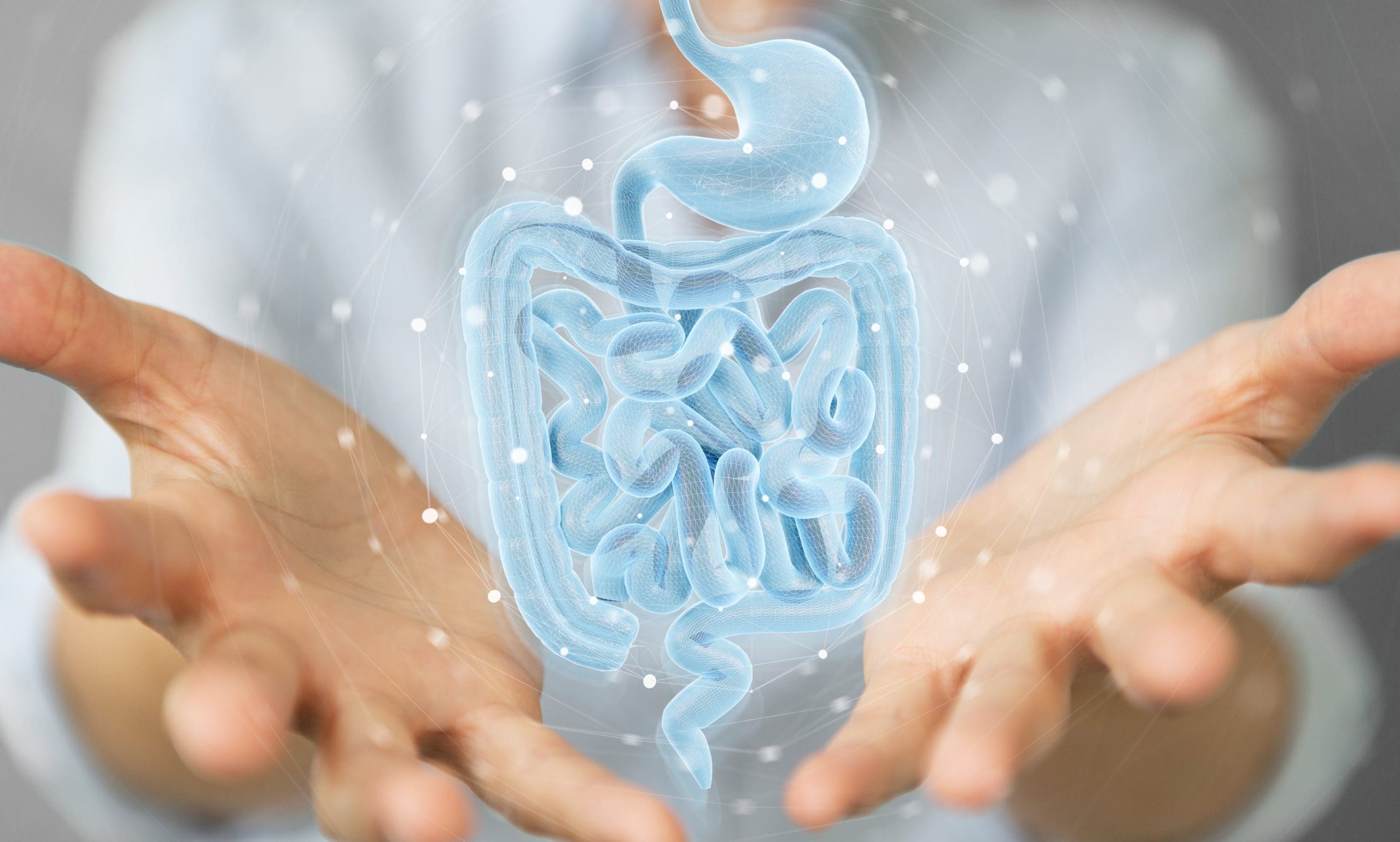 One of the most common presentations is intestinal permeability, or “leaky gut,” often manifesting as food sensitivities (IgG/IgE reactions) and systemic inflammation.
The Pathology:
Chronic inflammation leads to the upregulation of Zonulin. Zonulin disassembles tight junctions (proteins like Occludin and Claudin) between intestinal epithelial cells. This allows antigens to pass into the bloodstream, triggering an immune response.
The Protocol:
- Testing: We must assess the damage. A food sensitivity panel (IgE, IgG4, IgG, C3d) combined with a Zonulin test gives us a baseline.
- Repair with BPC-157: This peptide is orally stable and acts locally to repair the mucosal lining.
- Modulate Inflammation with KPV: KPV is a tripeptide derived from Alpha-MSH. It has potent anti-inflammatory properties and helps calm the local immune response in the gut.
- Support with Larazotide Acetate: Often used to help close tight junctions.
- Bioregulators: We may use gastric or intestinal bioregulators to restore long-term function to the epithelial cells.
Peptide Therapy in Gut Restoration: BPC-157 and KPV
When dietary interventions and prebiotics aren’t enough, particularly in cases involving Candida overgrowth or severe intestinal permeability (leaky gut), we turn to peptide therapy. The question often arises: Should we treat the pathogen (Candida) first, or heal the tissue first?
Addressing the Pathogen and the Terrain
In complex cases, such as a patient with colitis and fungal overgrowth, we often have to treat both simultaneously. BPC-157 (Body Protection Compound-157) is a peptide derived from a protein found in stomach acid. It is renowned for its cytoprotective properties—it accelerates the healing of soft tissues, reduces inflammation, and protects the endothelium.
However, we must also consider histamine’s role. Many patients with Candida overgrowth suffer from histamine intolerance because inflammation has compromised their ability to produce DAO (Diamine Oxidase), the enzyme that breaks down histamine in the gut. This creates a vicious cycle in which histamine increases gut permeability, allowing more antigens to cross the barrier and triggering further inflammation.
In these scenarios, KPV (Lysine-Proline-Valine) becomes a critical player. KPV is a tripeptide derived from alpha-melanocyte-stimulating hormone (alpha-MSH). It possesses potent antimicrobial and anti-inflammatory properties. By combining KPV with BPC-157, we can target fungal overgrowth while simultaneously dampening the inflammatory response and promoting tissue repair. If necessary, we can also layer in Larazotide, a peptide specifically designed to tighten the tight junctions between intestinal cells.
B. Immune Resilience and Thymic Involution
As we age, the thymus gland shrinks and turns to fat (thymic involution). This results in decreased production of naïve T cells and a reduced ability to fight new infections or detect cancer cells.
The Protocol:
- Thymic Extracts/Bioregulators: We use these to stimulate the thymus. This increases the production of Natural Killer (NK) cells and T-helper cells.
- Thymosin Alpha-1: A potent modulator of immune function, excellent for viral defense and vaccine responsiveness.
- Thymosin Beta-4 (TB-500): utilized for tissue repair and reducing inflammation.
Clinical Insight: In cases of chronic viral reactivation (e.g., Epstein-Barr virus or Herpes Simplex virus), symptom recurrence indicates compromised immune resilience. A course of Thymic peptides can help restore surveillance capacity.
C. The Adrenal-HPA Axis Reset
For patients presenting with “tired and wired” symptoms, severe fatigue, or PTSD, standard adaptogens are often insufficient.
The Protocol:
- Adrenal Cortex Extracts: Unlike whole gland extracts, which contain adrenaline (epinephrine) and can overstimulate a patient, pure cortical extracts provide the precursors and peptides necessary to repair the adrenal cortex itself without the stimulant effect.
- Mechanism: This supports the hypothalamic-pituitary-adrenal (HPA) axis, helping to normalize the cortisol curve over time.
D. Post-Viral and Vascular Inflammation
Following severe viral infections (like COVID-19), we often see lasting vascular damage. The virus attacks the glycocalyx, the protective lining of the blood vessels.
The Protocol:
- Vessel Bioregulators: Sourced from aorta/vessel tissue to support endothelial repair.
- Fucoidan/Arterosil: Compounds that help regenerate the glycocalyx.
- Epithalamin: To address the circadian dysregulation often seen in “long-haul” syndromes.
Circadian Biology: The Foundation of Neuroendocrine Health
Moving beyond the gut, we must address the master regulator of human health: the circadian rhythm. We are living in an era of unprecedented circadian disruption. Between artificial lighting, shift work, and high-stress lifestyles, our biological clocks are often out of sync. This disruption is not merely an inconvenience; it accelerates aging and immune dysfunction.
Pineal Gland Bioregulators: Epitalon
One of the most profound interventions in anti-aging medicine is the use of Epitalon, a synthetic peptide that mimics a natural pineal gland polypeptide. The pineal gland produces melatonin and regulates our sleep-wake cycles. However, as we age, pineal function declines, leading to “neuronal oxidative stress” and reduced melatonin production.
Epitalon acts as a bioregulator. It doesn’t just replace a hormone; it signals the DNA to reset and normalize the pineal gland’s function. The research on this is staggering. Studies from Russia, particularly those spanning over a decade, have shown that Epitalon can reduce mortality by up to 40% in elderly populations. It works by lengthening telomeres (the protective caps on our chromosomes) and restoring neuroendocrine regulation.
Clinical Application of Epitalon:
- Protocol: For general anti-aging and circadian reset, the standard protocol is 10mg daily for 10 days, repeated every six months. This “bi-annual” approach is sufficient to maintain telomere length and pineal function.
- Administration: While injectable (subcutaneous) is the gold standard, oral formulations are also effective when used for a longer duration (e.g., 60 days).
- Target Demographic: I recommend this for almost everyone over 40, and crucially for shift workers who face chronic circadian disruption.
Delta Sleep-Inducing Peptide (DSIP)
For patients with severe sleep disturbances who do not respond to standard interventions, DSIP acts as a powerful neuromodulator. It promotes the natural onset of deep, restorative Delta-wave sleep. Unlike sedatives that force sleep but disrupt sleep architecture, DSIP helps the brain re-regulate its own sleep processes. It also possesses antioxidant properties and helps mitigate the effects of stress on the central nervous system.
Functional Medicine’s Influence Beyond Joints- Video
Adrenal Health and Cortisol Management
Stress is the ubiquitous toxin of the modern world. In a room full of people, if I ask who feels over-committed, three-quarters of the hands go up. This chronic stress flattens our cortisol curves. A healthy cortisol rhythm involves a morning spike (the Cortisol Awakening Response) to wake us up, followed by a gradual decline throughout the day, reaching its lowest point at night to facilitate sleep.
Glandulars vs. Adaptogens
When a patient presents with “adrenal fatigue”—clinically appearing as a flatlined cortisol curve in the morning—we need to be aggressive initially. I often use adrenal glandulars in the morning and at noon (never after 2:00 PM) to provide the raw materials and necessary signaling to “boot up” the system. We are essentially retraining the body to produce energy at the right time.
However, glandulars are not a forever strategy. Once the patient reports improved energy and we see a shift in their clinical presentation, we transition to adaptogens. Adaptogens like Ashwagandha, Rhodiola, and Ginseng modulate the HPA (Hypothalamus-Pituitary-Adrenal) axis. They buffer the system against stress without overstimulating it.
Why the Switch?
Using glandulars long-term can potentially downregulate the body’s own production due to feedback loops. Adaptogens, on the other hand, are regulators. They raise cortisol if it’s too low and lower it if it’s too high. This makes them ideal for maintenance. We want patients to have metabolic flexibility—the ability to handle a stressful event and return to baseline quickly.
Vascular Health and Longevity: The Next Frontier
 Finally, we must touch upon vascular health. The endothelium (the lining of our blood vessels) is arguably the largest endocrine organ in the body. As we age, vascular stiffness increases, and microcirculation declines. This is where peptides like Vesugen come into play.
Vesugen is a bioregulator specifically for vascular tissue. In studies involving patients with atherosclerosis, Vesugen has been shown to improve blood flow and reduce arterial stiffness. It works at the genetic level to stimulate protein synthesis in vascular cells, essentially rejuvenating the blood vessels.
When we combine vascular support with mitochondrial optimizers like Urolithin A (which induces mitophagy, the clearance of defective mitochondria) and lifestyle interventions like cold plunges, we create a synergistic environment for longevity. We are not just treating symptoms; we are enhancing the body’s intrinsic capacity to repair and thrive.
Summary, Conclusion, and Key Insights
Summary
In this comprehensive overview of advanced integrative protocols, we have traversed the critical systems that dictate human health and longevity. The journey begins in the gut, the foundation of our immune system. We established that gut restoration is a marathon, not a sprint. The use of Class 2 resistant starch, specifically standardized formulations such as Sol, is essential for producing butyrate and for healing the colonic mucosa. We also highlighted the importance of Partially Hydrolyzed Guar Gum (PHGG) as a tolerated fiber source that supports regularity without causing distress in sensitive patients.
Moving to targeted therapies, we explored the utility of peptides in the management of complex gastrointestinal disorders. The combination of BPC-157 for tissue repair and KPV for antimicrobial and anti-inflammatory effects provides a dual-pronged approach to conditions such as Candida overgrowth and leaky gut, especially when histamine intolerance complicates the clinical picture.
Perhaps the most significant insight regarding longevity is the management of circadian biology. We discussed how the pineal gland acts as a biological clock and how its degradation leads to accelerated aging. The peptide Epitalon stands out as a revolutionary intervention, capable of resetting pineal function, lengthening telomeres, and reducing mortality rates in elderly populations when used in a bi-annual protocol. For those suffering from profound sleep dysregulation, DSIP offers a way to restore natural sleep architecture.
We also addressed the HPA axis and the modern epidemic of adrenal fatigue. The distinction between using glandulars for immediate “rescue” and adaptogens for long-term regulation is a critical clinical nuance. Glandulars help reboot a flattened cortisol curve, while adaptogens support resilience and stability over time.
Conclusion
As we continue to decode the human genome and proteome, targeted signaling molecules represent the future of longevity medicine. Dr. Jimenez emphasizes that while these therapies are powerful, they are most effective when layered upon a foundation of lifestyle medicine—proper nutrition, sleep hygiene, and stress management. By combining these pillars with advanced biological therapies, we can move beyond merely surviving the aging process to actively regulating it, ensuring robust health and vitality well into the later decades of life. The integration of these therapies represents a shift from reactive medicine to proactive, regenerative healthcare. By stabilizing the gut microbiome, repairing the mucosal barrier, resetting circadian rhythms with pineal bioregulators, and managing the stress response, we are not merely suppressing symptoms; we are optimizing the biological terrain.
Key Insights
- Homeostasis is the Goal: Treatment should aim for balance (homeostasis), avoiding excessive stimulation that causes oxidative stress.
- Mechanism of Bioregulators: These short-chain peptides act as “gene switches,” binding to DNA to restore youthful protein synthesis and cell communication.
- Inflammation Drives Aging: Short telomeres are a symptom of systemic inflammation (inflammaging); treating the inflammation preserves the DNA.
- Consistency in Gut Healing: Healing the gut requires sustained effort (often 6+ months) using gentle, tolerated fibers like PHGG and potent resistant starches to fuel the microbiome.
- Peptide Synergy: Peptides like BPC-157 and KPV should be viewed as tools to modulate the immune system and repair tissue simultaneously, particularly in complex cases involving fungal overgrowth.
- Circadian Importance: Longevity is inextricably linked to circadian rhythms. Bioregulators like Epitalon offer a unique mechanism for resetting these rhythms at the genetic level.
- Adrenal Strategy: Effective stress management requires a phased approach: initial support with glandulars followed by maintenance with adaptogens to prevent downregulation of the body’s own systems.
- Vascular Maintenance: Age management must include vascular support (e.g., VesiQ) to ensure optimal nutrient and oxygen delivery as we age.
References:
- Khavinson, V. K. (2002). Peptides and Ageing. Neuroendocrinology Letters, 23(Suppl 3), 11-144. https://pubmed.ncbi.nlm.nih.gov/12374906/
- Sikiric, P., et al. (2011). Focus on BPC 157. Current Pharmaceutical Design, 17(16), 1612-1632.
- Goldstein, A. L., & Badamchian, M. (2004). Thymosins: chemistry and biological properties in health and disease. Expert Opinion on Biological Therapy, 4(4), 559-573. https://pubmed.ncbi.nlm.nih.gov/15102605/
- Fasano, A. (2011). Zonulin and its regulation of intestinal barrier function: the biological door to inflammation, autoimmunity, and cancer. Physiological Reviews, 91(1), 151-175. https://pubmed.ncbi.nlm.nih.gov/21248165/
- Epel, E. S., et al. (2004). Accelerated telomere shortening in response to life stress. Proceedings of the National Academy of Sciences, 101(49), 17312-17315. https://pubmed.ncbi.nlm.nih.gov/15574496/
- Bindels, L. B., et al. (2015). “Resistant starch intends to mimic the colonic fermentation of fiber.” Journal of Nutrition. https://pubmed.ncbi.nlm.nih.gov/28166818/
- Khavinson, V. K. (2002). “Peptides and Ageing.” Neuro Endocrinology Letters. https://pubmed.ncbi.nlm.nih.gov/12374906/
- Sikiric, P., et al. (2011). “Brain-gut Axis and Pentadecapeptide BPC 157: Theoretical and Practical Implications.” Current Neuropharmacology. https://pubmed.ncbi.nlm.nih.gov/27138887/
- Anisimov, V. N., et al. (2011). “Melatonin and Colon Carcinogenesis.” International Journal of Molecular Sciences. https://link.springer.com/chapter/10.1007/978-3-642-59512-7_11
- Khavinson, V. K., et al. (2003). “Epitalon decreases the age-related changes in the immune and neuroendocrine systems.” Bulletin of Experimental Biology and Medicine. https://pubmed.ncbi.nlm.nih.gov/14501183/
Keywords:
Bioregulators, Peptides, BPC-157, Thymosin Alpha-1, Thymosin Beta-4, TB-500, KPV, Inflammaging, Telomeres, Homeostasis, Adrenal Fatigue, HPA Axis, Leaky Gut, Zonulin, Epithalamin, Senolytics, Functional Medicine, Dr. Jimenez, Resistant Starch, Gut Microbiome, KPV Peptide, Circadian Rhythm, Cortisol Awakening Response, DSIP, Vascular Health, Vesugen, Integrative Medicine, Longevity Protocols.
Disclaimer:
The content provided in this article is for educational purposes only and should not be construed as medical advice. The information presented here is not intended to diagnose, treat, cure, or prevent any disease. The use of peptides, bioregulators, and glandular extracts should be discussed with a qualified healthcare professional.
Medical Provider Disclaimer:
All individuals must obtain recommendations for their personal situations from their own medical providers. Do not alter your medical treatment or supplement regimen without consulting your primary care physician or a specialized functional medicine practitioner.
Post Disclaimer
General Disclaimer, Licenses and Board Certifications *
Professional Scope of Practice *
The information herein on "Functional Medicine Strategies for Gut Repair & Bioregulators" is not intended to replace a one-on-one relationship with a qualified health care professional or licensed physician and is not medical advice. We encourage you to make healthcare decisions based on your research and partnership with a qualified healthcare professional.
Blog Information & Scope Discussions
Welcome to El Paso's Premier Wellness and Injury Care Clinic & Wellness Blog, where Dr. Alex Jimenez, DC, FNP-C, a Multi-State board-certified Family Practice Nurse Practitioner (FNP-BC) and Chiropractor (DC), presents insights on how our multidisciplinary team is dedicated to holistic healing and personalized care. Our practice aligns with evidence-based treatment protocols inspired by integrative medicine principles, similar to those on this site and on our family practice-based chiromed.com site, focusing on naturally restoring health for patients of all ages.
Our areas of multidisciplinary practice include Wellness & Nutrition, Chronic Pain, Personal Injury, Auto Accident Care, Work Injuries, Back Injury, Low Back Pain, Neck Pain, Migraine Headaches, Sports Injuries, Severe Sciatica, Scoliosis, Complex Herniated Discs, Fibromyalgia, Chronic Pain, Complex Injuries, Stress Management, Functional Medicine Treatments, and in-scope care protocols.
Our information scope is multidisciplinary, focusing on musculoskeletal and physical medicine; wellness; contributing etiological viscerosomatic disturbances within clinical presentations; associated somato-visceral reflex clinical dynamics; subluxation complexes; sensitive health issues; and functional medicine articles, topics, and discussions.
We provide and present clinical collaboration with specialists from various disciplines. Each specialist follows their professional scope of practice and licensure jurisdiction. We use functional health & wellness protocols to treat and support care for musculoskeletal injuries or disorders.
Our videos, posts, topics, and insights address clinical matters and issues that directly or indirectly relate to our clinical scope of practice.
Our office has made a reasonable effort to provide supportive citations and has identified relevant research studies that support our posts. We provide copies of supporting research studies upon request to regulatory boards and the public.
For further discussion on how this information relates to specific care plans or treatment protocols, please ask Dr. Alex Jimenez, DC, APRN, FNP-BC, or contact us at 915-850-0900.
We are here to help you and your family.
Blessings
Dr. Alex Jimenez DC, MSACP, APRN, FNP-BC*, CCST, IFMCP, CFMP, ATN
Email: [email protected]
Multidisciplinary Licensing & Board Certifications:
Licensed as a Doctor of Chiropractic (DC) in Texas & New Mexico*
Chiropractic Licenses:
Texas DC License #: TX5807, Verified: TX5807
New Mexico DC License #: NM-DC2182, Verified: NM-DC2182
Nurse Practitioner Licenses:
Texas APRN License #: 1191402, Verified: 1191402 *
New Mexico CNP License #: 90560, Verified 90560
Florida APRN License #: 11043890, Verified: APRN11043890 *
Colorado License #: C-APN.0105610-C-NP, Verified: C-APN.0105610-C-NP
New York License #: N25929, Verified N25929
Georgia APRN License #: GAA-NP005701
Multi-State Advanced Practice Registered Nurse (APRN*) Texas & Multi-States
Multi-state Compact APRN License by Endorsement (43 States)
Compact Status: Multi-State License: Authorized to Practice in 43 States*
Nursing Licensure Compact: Updated Here
DEA Registration: (Drug Enforcement Agency Registered)
All medical (MDs) and family practice providers (FNP-APRN) are registered and licensed to offer various levels of medication.
Verify Providers' DEA Registration Here
License Verification Link: Nursys License Verifier
* Prescriptive Authority Authorized (DEA Registered Providers). Call if Required
Board Certification:
ANCC FNP-BC: Board Certified Nurse Practitioner*
Education:
Graduate with Honors: ICHS: MSN-FNP (Family Nurse Practitioner Program)
Degree Granted. Master's in Family Practice, MSN Diploma (Cum Laude)
Dr. Alex Jimenez, DC, APRN, FNP-BC*, CFMP, IFMCP, ATN, CCST
(Board Certified: Family Practice Nurse Practitioner—Multistate)*
(Licensed Nurse Practitioner & Chiropractor - Multistate)*
Clinical Director
DC & FNP License (Review Above)
Digital Business Card
NPI: 1205907805
Dr. Maria Cardenas, MD
(Board Certified: Internal Medicine)
(Licensed Medical Doctor)
Medical Director, Clinical Director & Collaborative Physician
NPI # 1164426748
MD License #: J2933
Licenses and Board Certifications:
MD: Medical Doctor
DC: Doctor of Chiropractic
APRNP: Advanced Practice Registered Nurse
FNP-BC: Family Practice Specialization (Multi-State Board Certified)
FNP-BC: Family Practice Across Life Span (Neonatal to Geriatrics)
RN: Registered Nurse (Multi-State Compact License)
CFMP: Certified Functional Medicine Provider
MSN-FNP: Master of Science in Family Practice Medicine
MSACP: Master of Science in Advanced Clinical Practice
IFMCP: Institute of Functional Medicine
CCST: Certified Chiropractic Spinal Trauma
ATN: Advanced Translational Neutrogenomics
Family with Primary Care Focus (Family Nurse Practitioner or FNP)
- The Family Nurse Practitioner (FNP) promotes, maintains, and restores health for individuals and families across the lifespan. FNPs also identify health risks, promote wellness, and diagnose and manage acute and chronic illness.
- The FNP focuses on comprehensive primary care, promoting healthy lifestyles for patients across the lifespan in settings such as private practice, physician offices, and community health centers.
Memberships & Associations:
TCA: Texas Chiropractic Association: Member ID: 104311
TNA: Texas Nurse Association: Member ID: 06458222
TNP: Texas Nurse Practitioner Association ID: 2025091511
AANP: American Association of Nurse Practitioners: Member ID: 2198960
ANA: American Nurses Association: Member ID: 06458222 (District TX01)
| Primary Taxonomy | Selected Taxonomy | State | License Number |
|---|---|---|---|
| No | 111N00000X - Chiropractor | NM | DC2182 |
| Yes | 111N00000X - Chiropractor | TX | DC5807 |
| Yes | 363LF0000X - Nurse Practitioner - Family | TX | 1191402 |
| Yes | 363LF0000X - Nurse Practitioner - Family | FL | 11043890 |
| Yes | 363LF0000X - Nurse Practitioner - Family | CO | C-APN.0105610-C-NP |
| Yes | 363LF0000X - Nurse Practitioner - Family | NY | N25929 |
| Yes | 363LF0000X - Nurse Practitioner - Family | NM |
90560 |
| Yes | 363LF0000X - Nurse Practitioner - Family | GA | GAA-NP005701 |
Dr. Alex Jimenez, DC, APRN, FNP-BC*, CFMP, IFMCP, ATN, CCST
(Board Certified: Family Practice Nurse Practitioner—Multistate)*
(Primary Care Across Lifespan—Neonatal / Pediatric / Adult / Geriatrics)
(Licensed Nurse Practitioner & Chiropractor - Multistate)*
Clinical Director
Digital Business Card
NPI: 1205907805
Dr. Maria Cardenas, MD
(Board Certified: Internal Medicine)*
(Licensed Medical Doctor)*
Medical Director, Clinical Director & Collaborative Physician
NPI # 1164426748
MD License #: J2933
📆 Schedule Appointment: Schedule 24/7 (Click Here)