

Table of Contents
Evidence-Based Clarity on SoftWave Shockwave Therapy Reimbursement, Category III CPT Coding, Medical Necessity Documentation, and Physiologic Rationale
Introduction Abstract
As a clinician trained in chiropractic medicine and advanced practice nursing, I have spent my career at the intersection of physiology, pain science, and pragmatic health system operations. In this educational post, I bring forward a comprehensive, evidence-informed roadmap for integrating SoftWave shockwave therapy—an unfocused extracorporeal shockwave therapy (ESWT) modality—into real-world care with clinical rigor, operational discipline, and reimbursement clarity. I present this work from my first-person perspective, grounded in direct experience collaborating with researchers, payers, coding authorities, and frontline care teams, and informed by modern, evidence-based research methods spanning randomized controlled trials (RCTs), comparative effectiveness studies, ultrasound elastography, MRI, histologic and molecular analyses, and pragmatic registries.
We begin by clarifying what Category III CPT codes truly represent, correcting common misconceptions about T-codes, and detailing how Medicare Administrative Contractors (MACs) approach payment and utilization tracking for shockwave procedures in physician offices, Hospital Outpatient Departments (HOPD), and Ambulatory Surgery Centers (ASC). I delineate the code suite—0101T for pain indications, 0512T and 0513T for wound applications, and the evolving 0864T—and explain why consistent, accurate claim submission supports broader recognition and may contribute to eventual Category I conversion when criteria are met.
Next, I offer a practical playbook for clinicians and administrators: how to structure medical necessity narratives; how to select patients; how to document procedural parameters (e.g., energy flux density, pulses, frequency, and orientation); and how to align site-of-service decisions with fee schedules and facility-specific payment methodologies (including rural hospitals and Critical Access Hospitals (CAHs)). I stress the importance of high-quality documentation—clear diagnoses and biological reasons related to mechanotransduction, angiogenesis, nociceptive modulation, and extracellular matrix (ECM) remodeling—and show how this clinical reasoning leads to better prior authorization requests, easier claim processing, and
I then bridge physiology to billing, detailing the tissue-level mechanisms that justify shockwave therapy. We explore integrin-mediated signaling, FAK, MAPK/ERK, PI3K/Akt cascades, VEGF and eNOS pathways, TRP channel modulation, Schwann cell responses, immune-resolution dynamics, and the controlled microstress that catalyzes repair without destructive macrotrauma. For each mechanism, I connect the biology to decision-making in tendinopathy, plantar fasciopathy, chronic wounds, and complex pain syndromes, explaining why dosing precision and skilled medical delivery are required—and how that requirement should be reflected in your procedural notes.
I also discuss the real-world challenges: doubts about new methods, reasons for refusals (like technical, administrative, and policy issues), payment delays, Medically Unlikely Edits (MUEs) for bilateral care, differences in provider types and credentials, and how to use verbal prior authorization strategies to do better than A MAC-by-MAC perspective. It offers practical advice about regional variability (e.g., Novitas, First Coast Service Options, Noridian, Palmetto, NGS, WPS, CGS), showing how practices adapt by optimizing settings, modifiers, and documentation consistency.
Finally, I present templates, checklists, and narrative examples—such as a medical necessity note for plantar fasciopathy—to demonstrate the level of detail that persuades payers, supports audits, and aligns with ethical, patient-centered care. I close with references, keywords, and a robust summary that distills key insights: Category III T-codes are not inherently non-payable; site-of-service matters; medical necessity hinges on coherent, mechanism-linked documentation; and submitting claims responsibly builds the data that strengthens policies and expands patient access. This educational post is designed to be a practice-ready resource for physicians, sports chiropractors, NPs, PAs, PTs, wound specialists, administrators, and revenue cycle leaders seeking evidence-based clarity and operational reliability in shockwave therapy delivery.
SEO Title: Evidence-Based SoftWave Shockwave Therapy: Category III CPT Reimbursement, Medical Necessity Documentation, and Physiologic Rationale
Why I Advocate for SoftWave Shockwave Therapy: Scientific Foundations and Clinical Promise
In my clinical practice, SoftWave shockwave therapy offers an exceptional balance of safety and regenerative potential. This is not a claim rooted in marketing language; it is grounded in modern, evidence-based research methods conducted by leading investigators who have meticulously studied how acoustic energy interfaces with living tissues. When delivered skillfully, SoftWave’s unfocused shockwave profile promotes biologic responses across tendons, fascia, nerves, and wound beds in ways that are physiologically coherent and clinically meaningful.
SoftWave therapy aligns with three pillars of regenerative rehabilitation:
- Controlled microstress and mechanotransductive signaling: By delivering carefully measured mechanical waves, we activate cellular sensors—integrins, ion channels, and cytoskeletal elements—that trigger important processes in the body, leading to changes The result is a gene expression shift toward repair, enhanced cell migration, and phenotypic changes in tenocytes, fibroblasts, osteoblasts, and endothelial cells.
- Angiogenesis and perfusion improvements: VEGF and eNOS upregulation, combined with nitric oxide bioavailability, enhance microcirculatory flow—the oxygen and nutrient delivery that stalled tissues need to reenter the healing cascade. In tendinopathy and chronic wounds, improved perfusion is often the difference between persistent degeneration and progressing repair.
- Nociceptive modulation and neuroimmune balance: Shockwave signals can dampen the expression of pain mediators (e.g., substance P, CGRP), modulate TRP channel responsiveness, and support Schwann cell function. This neurogenic influence reduces peripheral sensitization, allowing patients to tolerate progressive loading programs—the cornerstone of tendon remodeling and functional recovery.
The net effect is a biologically plausible, clinically observable pathway to improved outcomes: reduced pain, enhanced function, and durable changes in tissue quality. I advocate for SoftWave because when I select the right patient, document the rationale, and track outcomes rigorously, the therapy’s clinical gains reflect the mechanistic logic anticipated by modern research.
Key benefits I observe with ethical, precise delivery:
- Restoration of tendon stiffness and alignment through ECM remodeling, with improved load-bearing capacity and symptom relief.
- Enhanced wound bed granulation and periwound perfusion, accelerating closure timelines in chronic ulcers.
- Reduced nociceptive drive that unlocks tolerance for progressive rehabilitation exercises, preventing the backslide into immobility and pain cycles.
These benefits are contingent on true medical precision—careful dosing, patient selection, contraindication screening, and transparent documentation. When delivered in this manner, SoftWave shockwave therapy is not “just another modality.” It is a skilled medical procedure with deep biological roots and a growing body of evidence supporting its utility in select, medically necessary contexts.
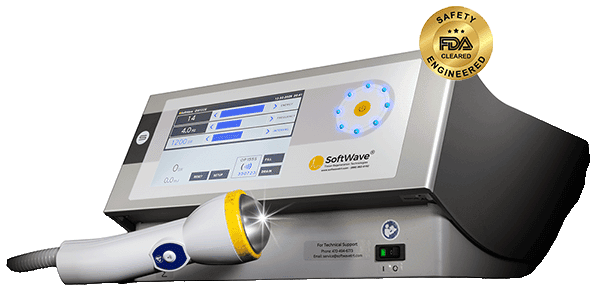 Dispelling the Myth: “Shockwave Therapy Isn’t Covered by Medicare”
A persistent myth echoes across search engines and forums: “Shockwave therapy isn’t covered by Medicare.” In my experience and in current policy realities, this statement is misleading. The accurate view requires understanding Category III CPT codes (T-codes), the AMA process, how MACs manage emerging technologies, and how site-of-service influences payment.
What Category III CPT actually means:
- Category III codes are valid CPT codes assigned by the American Medical Association (AMA) to track utilization of emerging services with scientific plausibility and clinical promise.
- These codes are not inherently non-payable. Payment and coverage vary by MAC and site of service (physician office vs. HOPD vs. ASC), but many MACs list shockwave-related Category III codes on fee schedules with allowed amounts.
Relevant shockwave T-codes:
- 0101T: Shockwave application in pain contexts (musculoskeletal indications). In many regions, payers list office and facility allowances.
- 0512T and 0513T: Shockwave for wounds (initial and subsequent increments). Multiple MACs show facility payments and, in some regions, physician-office allowances.
- 0864T: A newer code with evolving adoption; coverage and payment vary as MACs update policies.
In numerous jurisdictions, fee schedules list these codes, with payments observed in HOPD and ASC settings and often in physician offices. Statements labeling all shockwave as “investigational and never paid” conflate “emerging” with “non-payable.” That is not how Category III works in practice. MACs actively monitor utilization, outcomes, and appropriateness; they often pay for services when documentation demonstrates clear medical necessity and when site-of-service aligns with local policy.
The takeaway:
- Emerging does not equal unpayable.
- Coverage is MAC- and site-of-service–dependent, but many regions list 0101T, 0512T, and 0513T with allowed amounts—especially in HOPD/ASC contexts and, in many cases, the physician office.
- Consistent, accurate billing of Category III codes educates MACs on real-world utilization and supports policy maturation.
For clinicians and administrators, this means you should verify your MAC’s fee schedule, confirm site-of-service nuances, and submit clean, well-documented claims. When you do, you will likely find that Medicare fee-for-service is more supportive of SoftWave shockwave therapy than simplistic internet summaries suggest.
What a T-Code Really Means: Correcting the “Temporary” Misconception
A common misunderstanding is that Category III CPT T-codes are “temporary” in the sense of being transient or disposable. In operational reality, T-codes are tracking codes for emerging technologies. They are renewed periodically by the AMA if evidence, utilization, and specialty interest persist. While “temporary” reflects their role in observation and maturation, it does not mean they “expire” or are unusable. I highlight the following points in every conversation with staff and peers:
- AMA governance: Category III codes undergo a structured application and renewal process. Applicants present peer-reviewed literature, FDA status, clinical demand, and specialty engagement. Codes persist when these pillars remain strong.
- Longevity: A Category III code can remain active for years. As utilization grows and evidence accumulates, payers and MACs gain confidence, which can lead to stabilized allowances and, ultimately, consideration for Category I
- Purpose: The code exists to track use and outcomes in real practice. When clinicians avoid billing and resort solely to cash models, MACs lose visibility into a service’s value.
Bottom line: A T-code is neither an inherently non-payable code nor a fleeting placeholder. It is a structured observation mechanism that payers and clinicians use to responsibly mature coverage and standardize patient access to promising therapies.
How Medicare and MACs View Category III Shockwave Codes
Understanding how Medicare and MACs evaluate Category III codes will help you plan service delivery and claim submission. In my experience, MACs monitor three pillars:
- Evidence and coding integrity: Is there credible literature? Does the AMA descriptor match physician work? Are clinicians documenting appropriately?
- Utilization trends: Are claims being submitted? In which settings? Are providers following site-of-service rules?
- Outcomes and appropriateness signals: Do records show medical necessity? Are objective measures tracked? Are sessions rationally spaced with reassessment plans?
When MACs see appropriate documentation and increasing utilization in medically coherent cases, they are more likely to:
- List codes on fee schedules with allowances.
- Maintain or expand payments in physicians’ offices, HOPDs, and ASCs.
- Support the broader maturation of the code set and, eventually, consider Category I conversion when criteria are met.
Conversely, if clinicians default to cash-only models and avoid claim submission, MACs lose visibility. The reimbursement ecosystem expects providers to “teach” through responsible claims—showing who is treated, why treatment is necessary, what outcomes are achieved, and how safety is ensured. This signaling accelerates policy evolution.
Practical Answer to the Common Question: “Is SoftWave Shockwave Covered by Insurance?”
Patients and administrators often ask whether shockwave is covered. My first-person, precise response:
- Medicare fee-for-service: In many regions, shockwave Category III CPT codes carry allowances—particularly in HOPD/ASC settings and, in numerous jurisdictions, in the physician office. Relevant codes include 0101T for pain-related indications and 0512T/0513T for wound applications. Coverage is MAC-specific; verify locally.
- Medicare Advantage: Plan variability is significant. Many plans require prior authorization. Certain products (e.g., some Humana plans) have approved shockwave when a strong medical necessity packet is submitted by a contracted provider and aligned with plan policy.
- Commercial/Employer Plans: These can be variable for Category III services. Yet, self-funded plans, certain federal programs, and higher-tier employer plans often reimburse when:
- A robust prior authorization packet is submitted.
- The medical necessity narrative is precise.
- FDA status is clearly stated.
- The plan’s medical policy supports coverage for emerging technologies.
My advice to teams:
- Always verify benefits and obtain prior authorization when feasible.
- Use a clinician-authored medical necessity narrative that ties pathophysiology to outcomes.
- Submit complete claims with correct CPT (Current Procedural Terminology) and ICD-10 (International Classification of Diseases, 10th Revision) codes, supported by detailed procedural documentation.
These steps do not guarantee approval in every case, but they markedly improve your odds and build payer confidence in your practice’s quality.
Site of Service Nuances: Office, HOPD, ASC, Rural Hospitals, and CAHs
Place of service directly influences payment mechanics for Category III shockwave codes. My operational observations:
- Physician office:
- In many MAC regions, 0101T (pain) and 0512T/0513T (wounds) carry physician fee schedule allowances. Rates vary. Some MACs align office and facility rates; others differentiate.
- Hospital Outpatient (HOPD) and Ambulatory Surgery Centers (ASC):
- Multiple MACs list facility payments for Category III shockwave codes. Facility reimbursement reflects cost structure and APC placement where applicable, separate from the professional fee.
- Rural Hospitals and Critical Access Hospitals (CAHs):
- CAHs may elect cost-based reimbursement or outpatient fee schedule methodologies. Under cost-based reimbursement, shockwave delivery costs feed into the cost settlement; fee schedule-based CAHs follow standard outpatient rates.
- Rural hospitals not designated as CAHs usually follow outpatient fee schedule norms, with potential site-of-service routing flexibility when an on-campus ASC is available.
Operational tips I use:
- Clarify your facility’s reimbursement election (cost-based vs. fee schedule for CAHs).
- Verify MAC fee schedule entries for each T-code and site-of-service.
- Align scheduling and service location with reimbursement pathways that match clinical appropriateness and revenue cycle stability.
Documentation Excellence: Patient Selection, Medical Necessity, and Procedural Detail
Documentation is your linchpin. In my notes, medical necessity is built through coherent storytelling tied to objective data:
Patient selection:
- Pain context (0101T):
- Define the pain generator and functional impairment.
- Include onset/duration, prior treatments (e.g., progressive loading, PT, injections), imaging or ultrasound findings, and concordant physical exam signs (localized tenderness, provocative tests, neurologic screening).
- Wound context (0512T, 0513T):
- Define wound etiology (e.g., diabetic foot ulcer, venous ulcer, pressure injury, surgical wound).
- Write down the stage/grade, size, fluid amount, infection level, blood flow status (ABI, toe pressures, and transcutaneous oxygen measurements if possible), and the history of wound care.
Clinical rationale:
- Explain why shockwave is appropriate now for this patient.
- Tie mechanisms to pathology:
- Tendinopathy involves ECM disorganization, pathological neovascular ingrowth, and nociceptive fiber sensitization, while shockwave therapy supports collagen realignment and normalizes angiogenic signaling.
- Chronic wounds: ischemic microenvironment, senescent fibroblast phenotype, impaired angiogenesis; shockwave signaling can reopen the healing cascade, promoting granulation and re-epithelialization.
Procedural parameters:
- Document:
- Treatment area(s).
- Number of pulses.
- Energy flux density range.
- Handpiece-to-tissue orientation.
- Coupling method (gel).
- Any patient-specific adjustments (pain tolerance, comorbidity considerations).
- Note the targeting strategy (ultrasound guidance vs. anatomical landmarks).
Treatment plan and follow-up:
- Define series (e.g., once weekly x 3–6) with reassessment cadence.
- Identify outcome tools (e.g., VISA-A, NPRS/VAS, LEFS, wound planimetry, and percent area reduction).
- Distinguish shockwave as a skilled medical procedure, not a passive PT modality. Coordination with PT is valuable but separate from the medical decision-making and execution of shockwave dosing.
Safety and consent:
- Contraindication screening:
- A diagnosis of active malignancy in the treatment field is required.
- Deep vein thrombosis is present in the target region.
- Pregnancy involving the treatment zone.
- Uncontrolled coagulopathy or significant bleeding risk.
- Document informed consent addressing risks, benefits, alternatives, and reasonable expectations.
This structure meets payer expectations, supports clinical quality, and strengthens prior authorizations and appeals.
Why Shockwave Requires Skilled Medical Delivery: Physiologic and Procedural Precision
Shockwave dosing is not trivial. In my hands, the treatment is carefully tailored to tissue biology and patient-specific sensitivities:
Tendon and ligament:
- Tendinopathic tissue shows disrupted collagen alignment, pathological neovascularization, and nociceptor sprouting.
- I titrate energy to induce a mechanotransductive stimulus that encourages ECM reorganization without exacerbating degenerative microtears.
- Pulse density and frequency are matched to pain tolerance and anatomy (e.g., proximal hamstring vs. mid-Achilles vs. patellar tendon).
Myofascial structures:
- For focal myofascial pain, I target taut bands and enthesopathic interfaces to modulate nociceptive inputs and restore fascial glide.
- Post-session, I coordinate with gentle mobility and graded loading to consolidate analgesic and structural gains.
Peripheral nerve interface:
- In entrapment syndromes or neurogenic contributors, energy and angle are adjusted to minimize neurapraxia risk while pursuing perineural microvascular benefits and anti-nociceptive effects.
Chronic wounds:
- I consider wound bed preparation, bioburden status, and perfusion. Energy is applied to periwound and, where appropriate, wound surfaces to stimulate angiogenesis and fibroblast activity.
- I avoid excessive force on fragile tissue and tune parameters to stimulate granulation without trauma.
This precision underscores shockwave’s identity as a skilled medical service. Clinicians must document the logic behind dosing—how parameters match pathology and goals—so payers and auditors see that treatment is medically necessary, individualized, and safe.
The Biological Mechanisms: From Transducer to Tissue-Level Change
Understanding why shockwave works informs how we deliver it. The mechanisms include:
Mechanotransduction:
- Acoustic energy deforms cellular membranes and cytoskeletal structures, causing integrin clustering and activation of FAK, MAPK/ERK, and PI3K/Akt
- These cascades alter gene expression, facilitating growth factor release (e.g., VEGF), cell migration, and phenotype shifts toward repair across tenocytes, fibroblasts, osteoblasts, and endothelial cells.
Angiogenesis and perfusion:
- Increasing VEGF and eNOS drives neovascularization and nitric oxide-mediated vasodilation.
- Improved microcirculation supports oxygen and nutrient delivery, which is critical in hypoperfused tendons and chronic wounds.
Nociceptive modulation:
- Shockwave signals can reduce peripheral sensitization by dampening neuropeptide expression (substance P, CGRP) and modulating TRP channel responsiveness.
- Schwann cell support and glial modulation improve nerve conduction environments, translating into clinically observable pain relief and better loading tolerance.
ECM remodeling:
- Tenocytes and fibroblasts balance collagen synthesis and degradation through regulated MMP/TIMP
- More aligned collagen fibrils strengthen tendon mechanics and reduce pain triggered by load.
Immunomodulation:
- Shockwave can shift cytokine signaling from pro-inflammatory dominance toward resolution-phase biology (e.g., increased IL-10, modulated TNF-α).
- This transition interrupts chronic inflammatory loops, enabling organized repair.
These mechanisms are not speculative abstractions. They are grounded in modern studies using histology, molecular profiling, ultrasound elastography, MRI, and clinical outcome tracking. When your documentation explicitly links these mechanisms to a patient’s pathophysiology and outcome measures, you strengthen the medical necessity narrative and improve payer confidence.
Converting Skepticism into Strategy: What Payers Expect to See
Skepticism is a natural response in early adoption. Payers look for specific assurances in your documentation and workflows:
- Clear diagnosis coding paired with the correct Category III CPT
- Concise, complete medical necessity narrative: why this patient, why now, why this technique.
- Defined plan: number of sessions, intervals, and outcome metrics.
- Safety measures: contraindication screening and informed consent.
- Whole-patient strategy: shockwave integrated with appropriate adjuncts (graded loading, offloading, and infection control).
Commercial payers often respond favorably when they see:
- Peer-reviewed references are included with the prior authorization.
- A summary of prior conservative care and its outcomes (failure, intolerance, or plateau).
- Provider credentials and device FDA status aligned with the treated indication.
Build your prior authorization and claims around this checklist. You are telling a biologically coherent story of medical necessity.
Category III Coding Suite: What Each Code Represents and How I Use Them
Pain management context:
- 0101T: When the clinical scenario centers on musculoskeletal pain generators responsive to shockwave, I code 0101T. My note details the pain syndrome, functional impact, exam concordance, dosing parameters, and targeting with ultrasound or anatomical guidance.
Wound care context:
- 0512T (initial) and 0513T (additional increments): I document wound staging, perfusion, infection control, prior wound care, and map shockwave application to wound and periwound tissues with outcome tracking.
Newer code:
- 0864T: Adoption varies by MAC. Where not listed, I monitor MAC updates and submit inquiries or support letters, aligning my documentation with descriptor intent.
ICD-10 coding:
- Pair CPT with specific ICD-10 codes reflecting pathology:
- Tendinopathy: M76.x series (e.g., M76.6 Achilles tendinitis).
- Plantar fasciopathy: M72.2 plantar fascial fibromatosis.
- Chronic ulcers: L97.x (non-pressure chronic ulcers with site and depth descriptors).
- Venous disease complicating wounds: I83.x.
- Diabetes with foot ulcer: E11.621.
- Include comorbidity codes to substantiate complexity (e.g., E11.9 diabetes mellitus type 2 without complications, I70.x peripheral arterial disease where relevant).
Correct coding supports medical necessity and aligns with payers’ adjudication logic.
Building the Case for Category I Conversion: Why Submitting Claims Matters
Category I conversion requires widespread clinical use, robust literature demonstrating efficacy and safety, standardized technique, and specialty endorsement. Submitting accurate claims for Category III services accomplishes three goals:
- It builds utilization data MACs and AMA need to see sustained value.
- It strengthens fee schedule stability and site-of-service allowances.
- It supports professional societies advocating for guidelines and broader coverage.
Cash-only models may limit patient access and obscure the service’s value to payers. Responsible claim submission, outcomes tracking, and publication of results are the path to better coverage for our patients.
Rural, FQHC, and Health System Considerations: Practical Steps
Federally Qualified Health Centers (FQHCs) and Rural Health Clinics (RHCs) operate under unique payment frameworks:
- Clarify whether shockwave will be billed under the FQHC/RHC encounter rate, through contracted ancillary arrangements, or routed to a partnered HOPD/ASC for facility billing.
- Align CPT/ICD pairings with your payment methodology and state scope-of-practice rules.
Health system–employed clinicians should:
- Coordinate with compliance and coding departments to confirm MAC positions on the T-code suite and site-of-service allowances.
- If the system owns an ASC or supports a robust HOPD line, consider routing select cases to those settings when medically appropriate and operationally advantageous.
These steps ensure compliance, optimize reimbursement, and sustain patient access.
Documentation Templates I Use and Recommend
I use standardized templates to maintain quality and consistency:
- Chief concern and functional goals.
- The template includes a detailed history of the current illness, along with a timeline of previous interventions, including dates, types, and outcomes.
- Relevant imaging and labs (ultrasound elastography, MRI when appropriate).
- Physical exam: reproducible markers tied to target tissue (palpation, ROM, strength, and provocative tests).
- Assessment: pathophysiologic diagnosis and relevant differential.
- Plan:
- The plan should include the shockwave parameters, such as the device used, the pulses, the energy flux density range, and the frequency.
- Rationale linking mechanisms to patient pathology.
- Adjunct measures (graded loading, offloading, glycemic control, and infection management).
- Follow-up schedule and outcome tools (NPRS/VAS, VISA-A/DASH/LEFS, wound planimetry).
- Safety screen and informed consent.
- Coding summary: CPT, ICD-10, site-of-service, and prior auth number if applicable.
This structure enhances authorization success, aligns with medical necessity requirements, and presents a defensible record in audits.
Preparing Your Team: Operational Pearls
Operational readiness lowers friction and increases success:
- Train front desk and authorization staff to recognize Category III workflows and MAC variability.
- Maintain a payer matrix documenting historical decisions, contacts, and successful authorization language.
- Establish outcomes measurement processes (PROMs for pain/function; digital planimetry for wounds) to strengthen future authorizations and appeals.
- Keep a bibliography of peer-reviewed studies readily available for prior authorization packets.
Clear, repeatable processes transform complex reimbursement into a manageable, reliable pathway.
Aligning Clinical Outcomes with Payer Confidence
Payers respond to measurable outcomes. I recommend:
- Baseline and serial measures:
- Pain: NPRS/VAS.
- Function: disease-specific scales (VISA-A, DASH, LEFS, FAAM).
- Wounds: length/width/depth, percent granulation, exudate, and infection control status.
- Reportable milestones:
- Pain: ≥30% improvement by session 3–4 is clinically meaningful.
- Wounds: 30–50% area reduction by weeks 4–6 indicates favorable trajectory (etiology-dependent).
- Escalation logic:
- If milestones aren’t met, reassess diagnosis, loading strategies, and vascular status, and consider adjunct therapies.
- Do not add sessions without documented rationale and defined reassessment milestones.
Outcomes-based documentation demonstrates resource stewardship and medical necessity to payers.
Frequently Asked Questions I Encounter in Practice
Is shockwave physical therapy?
- Shockwave is a skilled medical procedure requiring dosing precision, targeting, and safety considerations. It complements PT but is distinct in medical decision-making and execution.
Do I need to show failed conservative care?
- Not universally required for Category III codes, but documenting prior care and your clinical reasoning strengthens medical necessity, especially with commercial payers.
How many sessions are typical?
- Pain indications: Often 3–6 sessions, spaced 1–2 weeks apart, adjusted by response.
- Wound indications: Weekly or biweekly, depending on biology and progress, integrated with standard wound care.
Can we treat near metal implants?
- Use caution with energy settings and proximity. Document risk assessment. Avoid direct high-energy coupling over recent surgical sites unless coordinated with the surgeon and supported by protocol.
Pregnancy?
- Avoid treatment fields that could affect the fetus or the uterine region; document risk-benefit discussions if treating distant anatomical regions.
My Recommendations for Clinicians Integrating SoftWave
- Begin with conditions that have the most support from research, such as chronic plantar fasciopathy, lateral epicondylalgia, Achilles tendinopathy, and diabetic foot ulcers that have good blood
- Create a documentation toolkit aligned with your MAC and top commercial plans.
- Track outcomes meticulously and publish findings when possible.
- Engage payers professionally: present protocols, safety processes, and de-identified outcomes data.
- Confirm MAC fee schedule entries quarterly and align site-of-service choices with clinical needs and reimbursement stability.
These steps support ethical care, payer confidence, and sustainable practice integration.
Skepticism in Reimbursement Adoption: Psychology, Physiology, and Practical Strategies
Early adoption often triggers skepticism. In my team training, I normalize this experience and present practical countermeasures:
- Emotional impact of denials:
- Denials—especially early—can activate threat responses (amygdala-driven), reduce attentional bandwidth, and foster avoidance of future submissions.
- Payer perspective:
- Many denials are system or administrative events (portal outages, batch edits), not judgments on clinical merit. Recognizing this reduces needless self-doubt.
- Action steps:
- Separate signal from noise: classify denials as technical, administrative, or policy.
- Use narrative plus data: share paid-claim examples and fee schedule citations.
- Provide structured tools: templates, checklists, and example documentation.
- Build a “skepticism-to-confidence” toolkit with MAC-specific references and denial fixes.
Clarity reduces stress arousal, conserves cognitive energy, and improves claim quality. Skepticism becomes due diligence, and due diligence becomes reimbursement reliability.
The Evidence Landscape: Modern Methods Supporting SoftWave-Type Procedures
Across the literature, modern methods reinforce the biological plausibility and clinical effects of shockwave:
- Mechanotransduction:
- Integrin clustering and changes in the tension of the cell’s structure activate FAK, ERK/MAPK, and PI3K/Akt, which influence the
- Neurogenic modulation:
- Reduced excitability of nociceptors, decreased substance P/CGRP, and support for descending inhibitory pathways correlate with analgesia.
- Neovascularization:
- VEGF/eNOS upregulation enhances perfusion in hypovascular tissues (e.g., mid-portion Achilles, plantar fascia).
- Matrix remodeling:
- Controlled upregulation of MMPs/TIMPs facilitates turnover of disorganized collagen and deposition of more aligned fibers.
- Immunomodulation:
- Shifts toward resolution-phase cytokines reduce persistent inflammatory signaling.
Modern research tools include ultrasound elastography, MRI, registries, PROMs (NPRS, VISA-A, VISA-P, FAAM), and pragmatic trials that reflect real-world practice. For payers and clinicians, the bridge from mechanism to outcomes is central: document the chain from diagnosis to mechanism to measurable improvement.
Category III CPT Codes: What Changed, Why It Matters, and How to Document
Recent AMA descriptor refinements for shockwave-like procedures have improved alignment with physician work and patient variability:
- Removal of rigid energy-level constraints in code language (where appropriate) acknowledges that therapeutic value hinges on individualized dosing rather than predefined thresholds.
- Clarified descriptors reduce coding ambiguity and support documentation that mirrors clinical vignettes—facilitating adjudication.
Documentation implications:
- Describe pathology clearly (e.g., chronic mid-portion Achilles tendinopathy with hypoechoic degeneration on ultrasound).
- Link to mechanism: explain how acoustic stimulation supports remodeling and pain modulation in this pathology.
- State treatment plan: session frequency, dose parameters, outcomes, and reassessment timing.
- Reference prior conservative care, especially for commercial plans.
- Include shared decision-making and informed consent.
When your documentation mirrors the refined descriptor intent, denials decrease and payer understanding improves.
The Anatomy of Denials: System Failures vs. Policy Decisions
Not all denials reflect medical necessity judgments. Many originate from:
- Portal or system faults (batch edit errors, data field mismatches, outages).
- Inconsistent local edits during MAC transitions or software updates.
- Missing or miskeyed claim elements (diagnosis pointer, place of service, rendering NPI).
Action plan:
- Classify each denial (technical, administrative, or policy).
- Correct and resubmit technical/administrative denials promptly.
- Retain written MAC acknowledgments of systemic errors to streamline resubmissions.
- Escalate policy denials to medical review with targeted evidence and clear mechanistic rationale.
This triage approach prevents wasteful appeals and keeps the team focused on the right remedy.
Payment Timelines: What To Expect
In most settings, adding Category III shockwave services does not slow your typical Medicare cadence. Clean claims often pay within 14–21 days; statutory windows around 60 days apply.
Operational best practices:
- Submit electronically with EDI status tracking.
- Monitor early edits or rejections within 72 hours for quick correction.
- Maintain payer-specific dashboards showing average days in accounts receivable and percentage paid within 21 days.
Reliable payment timelines reinforce staff confidence and leadership buy-in.
Frequency, Global Periods, Bundling, and Modifiers: Rules and Reasoning
Observed patterns across MACs and payers:
- No global period is assigned for these Category III shockwave codes in physician services.
- Minimal modifier usage unless clearly required by policy.
- Multiple-procedure reductions may apply in facility settings; verify ASC-specific rules.
- Frequency is governed by medical necessity, not arbitrary schedules. Document response-guided adjustments.
Documentation signals:
- Baseline impairment (pain, function, imaging).
- Treatment objectives linked to physiology (nociceptive modulation, remodeling, and functional stiffness).
- Reassessment cadence with stop/go criteria.
Overly frequent dosing without rationale invites denials. Clinically justified spacing, grounded in patient response and mechanistic logic, supports necessity.
Patient Selection: How to Make the Case for Medical Necessity
High-yield selection criteria in my practice:
- Chronic tendinopathies (lateral epicondylalgia, plantar fasciopathy, Achilles tendinopathy) that plateaued after structured conservative care.
- Focal myofascial pain syndromes with reproducible nociception and functional limitations.
- Delayed healing states where angiogenic stimulation plausibly accelerates recovery.
Payer-valued angles:
- Cost minimization: fewer specialist visits, reduced imaging or injections, and avoidance of higher-risk interventions.
- Functional restoration: faster return to work and activities of daily living.
- Opioid-sparing: decreased reliance on analgesics.
Template elements:
- Diagnosis, duration, prior treatments, and outcomes.
- Imaging/ultrasound elastography findings where available.
- Failure/intolerance to NSAIDs or injections when true.
- Protocol details, outcome metrics, and timeline.
- Safety considerations and contraindications screening.
A strong selection algorithm improves authorization success and supports ethical stewardship.
Medicaid, Medicare Advantage, VA, and Workers’ Compensation: System-Specific Insights
Medicaid:
- State programs vary widely; many states use managed Medicaid plans with specific prior authorization rules.
- Strategy: verify fee schedule presence; if absent, submit and prepare for medical review, emphasizing cost avoidance and functional restoration.
Workers’ Compensation:
- Prior authorization is common. Provide mechanism-linked plans, functional goals, and return-to-work timelines. Anchor documentation to occupational demands and objective measures.
VA:
- Decisions emphasize medical necessity determined by VA clinicians.
- Integration within VA systems can streamline access; vendor GSA contract status sometimes facilitates equipment adoption.
Medicare Advantage:
- Plan-by-plan variability is pronounced. Prepare for divergent interpretations.
- Construct care pathways with defined reassessment points and objective goals; start with limited trials and escalate with documented response.
Tailoring strategies to each system type is essential for consistent approvals.
MAC Landscape: Practical Payment Tendencies and How to Adapt
Reports and practice experiences suggest variability:
- Novitas and First Coast Service Options: Often give serious consideration to Category III submissions with fair facility payments and reasonable physician reimbursements.
- Palmetto: May pay set amounts for certain codes while restricting others through local coverage determinations (LCDs); facility settings may remain payable when physician office payments are constrained.
- Noridian: Historically conservative for physician office settings; facility payments more typical; utilization growth and outcomes tracking can improve rates.
- NGS and WPS: Frequently reported as fair for physician services relative to peers.
- CGS: May avoid posting Category III rates, preferring claim-by-claim adjudication.
Adaptation strategies:
- Build a MAC-specific matrix with fee schedule notes and LCD links.
- Where office-based rates are constrained, consider clinically appropriate routing to ASC or HOPD.
- Track your paid claims by code and MAC to build a local evidence base for appeals and leadership reporting.
This regional awareness helps you align clinical logistics with reimbursement realities.
Codes, Descriptors, and the AMA Process: Collaborating for Clarity
The AMA CPT Editorial Panel process is collaborative. When descriptors misalign with clinical reality, clinicians can submit proposals with vignettes that better capture the service. For shockwave-like procedures, impetus for change included:
- Inconsistent usage driven by energy-level language.
- Underbilling or nonbilling due to uncertainty about code fit.
- Emphasis on individualized dosing and outcomes rather than device-centric thresholds.
Following descriptor refinement:
- Utilization increased as providers gained confidence.
- Payers evaluated claims against coherent narratives, reducing unnecessary denials.
I recommend aligning documentation with clinical vignettes: indication, setting, equipment parameters, monitoring, expected outcomes, and adverse events. This alignment makes it easier for medical directors to affirm necessity.
Building Documentation that Persuades: Templates and Checklists
Core elements I include:
- Chief complaint, duration, prior therapies with dates/outcomes.
- Objective findings: palpation, ROM, strength, functional tests, imaging/ultrasound.
- Assessment with pathophysiologic link (e.g., degenerative tendon matrix with neovascular changes).
- Plan: frequency, total sessions, parameters in clinically appropriate ranges, co-interventions (eccentric loading, manual therapy).
- Outcome metrics and reassessment schedule (NPRS, VISA-A/P, FAAM).
- Safety screening and patient consent.
Staff supplements:
- A one-page payer-facing medical necessity rationale.
- A claims assembly checklist includes the correct code, diagnosis pointer, place of service, NPI, and any required modifiers.
- A denial response tree and appeal templates.
Standardized documentation turns skepticism into consistent approvals.
Treatment Protocols: Clinical Reasoning and Dosing Logic
Device parameters are vendor-specific, but the reasoning is consistent:
Early phase:
- Initiate microstimulation to disrupt maladaptive nociception and initiate pro-repair signaling. Pair with low-load isometrics for analgesia and tendon load introduction.
Middle phase:
- Progress to eccentric or heavy slow resistance paradigms while continuing shockwave at medically necessary intervals guided by symptom modulation and function.
Late phase:
- Taper shockwave as structural and functional metrics stabilize; transition to sport/work-specific loading.
Stop/go rules:
- Continue if pain reduction is ≥2 points on the NPRS with functional gains, or if ultrasound shows improved echotexture/stiffness.
- If a plateau remains unchanged after two reassessments and other causes have been ruled out, make changes or cease.
This staged, mechanism-linked approach satisfies payer expectations and optimizes outcomes.
Modifiers, Bundling, and Same-Day Services: Preventing Avoidable Cuts
Key points:
- Many MACs do not require laterality or multiple-procedure modifiers for these Category III codes in physician office claims. Overuse can trigger edits.
- ASC settings may apply multiple-procedure reductions; verify current ASC fee schedules.
- Avoid same-day combinations that payers view as mutually exclusive in the absence of a convincing medical rationale. If necessary, clearly document distinct indications, anatomies, or session separations.
Clean claim assembly reduces avoidable denials.
Appeals and Peer-to-Peer: How to Tell the Clinical Story
Build appeal packets that include:
- A succinct clinical summary (one page).
- Baseline and post-session outcomes with dates.
- Imaging or ultrasound findings where available.
- Literature references tied to indication and dosing rationale.
- Conservative care history and current functional impact.
Peer-to-peer approach:
- Open with function and risk.
- Link request to guidelines or common-sense escalation after conservative care.
- Address safety, contraindications, and stop/redirection plans if progress stalls.
Concise, mechanism-linked appeals improve success rates.
Medicare Advantage and Commercial Plans: Navigating Variability
Best practices:
- Verify plan policies and prior authorization triggers before initiation.
- Construct care pathways with defined reassessment points and objective goals.
- In cases with frequent denials, consider limited trials that have clear stop criteria and escalate with a documented response.
Documentation strength and professional tone are your best tools in variable ecosystems.
Operational Excellence: From Front Desk to Revenue Cycle
Train and equip your team:
- Front desk: verify benefits, capture secondary insurance, and confirm plan type.
- Clinicians: documentation templates, outcome measure fluency, and informed consent scripts.
- Billing: MAC matrix, claim checklist, denial classification, and appeal templates.
Track KPIs:
- Clean claim rate.
- Days in accounts receivable; percentage paid within 21 days.
- Denial rates by category.
- Average authorized sessions and functional outcome deltas.
Continuous improvement:
- Monthly reviews of charts and claims.
- Rapid cycle updates to templates.
- Share wins and lessons across the team.
Operational discipline transforms a complex process into a repeatable success.
Ethical and Clinical Stewardship: Guarding Against Overuse
I commit to:
- I commit to treating only when the pathophysiology and evidence support a likely benefit.
- Integrating shockwave with gold-standard rehabilitative loading and patient education.
- Stopping or redirecting care when objectives are not met.
- Transparent, patient-first communication about expected benefits and limitations.
Ethical stewardship strengthens trust, supports policy evolution, and sustains long-term adoption.
The Physiology-to-Policy Bridge: Why Payers Care About Mechanism
Payers look for three assurances:
- Biological plausibility: A credible mechanistic bridge from procedure to pathology.
- Clinical effectiveness: Observable improvements in pain and function.
- Resource stewardship: A pathway that avoids unnecessary, higher-cost interventions.
Documentation explicitly connecting these points shortens appeals and promotes smooth adjudication.
Practical Q&A Themes, Reframed for the Clinic
Where can I get templates?
- Maintain a living repository in your practice intranet; update with MAC-specific tweaks.
How long until payment?
- Expect typical Medicare cadence for clean claims (e.g., 14–21 days), with statutory windows up to 60 days.
Frequency rules?
- No formal global period; frequency dictated by medical necessity and documented response.
Modifiers and bundling?
- Use minimal modifiers unless required; verify ASC reductions and bundling edits.
Medicaid and VA?
- Validate fee schedule presence; prepare prior auth packets for managed Medicaid; within VA, medical necessity plus system integration often streamlines delivery.
Which MACs pay “better”?
- Construct your local map; practice reports often cite Novitas/First Coast as reasonably supportive; Palmetto as mixed; Noridian as conservative for office-based professional fees and typical facility payments; NGS/WPS as generally fair; and CGS as adjudicating Category III without posted rates.
Example Medical Necessity Narrative: Plantar Fasciopathy
- 52-year-old with nine-month heel pain; morning first-step pain at 7/10; FAAM ADL 55/84.
- Previous treatment included 12 weeks of progressive loading, orthoses, and NSAIDs that were stopped because they caused GI problems. An ultrasound shows that the plantar fascia has thickened and has hypoechoic changes.
- Rationale: Using sound waves to help reduce pain and encourage healing, along with gradually increasing activity to strengthen the area.
- Plan: Sessions once weekly for 3–5 weeks with reassessment after session 3; home program and activity modulation.
- Outcomes: Target NPRS ≤3/10 and FAAM ≥70/84 by 6–8 weeks; if plateau after session 3 without trend to improvement, re-evaluate diagnosis and plan.
Example Appeal Structure
- Header with patient identifiers and claim details.
- One-page clinical summary linking pathology to mechanism and function.
- Baseline and post-treatment metrics with dates.
- Literature citations supporting indication and dosing rationale.
- Statement of conservative care failure or intolerance.
- Physician signature with contact details for peer-to-peer if needed.
Safety and Contraindications Overview
Screen for:
- Active malignancy, local infection, unhealed fractures in the treatment field.
- In the target region, avoid potential fetal impact during pregnancy.
- Coagulopathy or anticoagulation risk; adjust or defer based on site.
- Implanted electronic devices: follow manufacturer guidance for safe distances.
- Sensory deficits affecting feedback during dosing.
Clear post-session instructions and adverse event reporting pathways further support patient safety.
Measuring Value: Outcomes That Matter to Payers and Patients
Track:
- Pain: NPRS/VAS.
- Function: condition-specific scales (VISA, FAAM, DASH).
- Performance: timed walk tests, step tests, grip strength, and return-to-work metrics.
- Utilization: reduced injections, imaging, specialty referrals, and opioid prescriptions.
Tie outcomes to medical necessity at each reassessment, demonstrating responsible resource use and patient benefit.
From Utilization to Stabilization: How Growth Improves the Landscape
As clean claims accumulate with strong documentation and good outcomes:
- MACs and plans gain confidence.
- Rates may stabilize, and policies may broaden.
- Facility and professional claims showing consistent value hasten maturation.
Contribute de-identified data to registries when available to accelerate evidence generation.
Building Your Player Playbook
Include:
- MAC matrix with fee schedule notes and LCD links.
- Prior authorization requirements by plan.
- Templates: initial evaluation, medical necessity summary, claim checklist, and appeal letters.
- KPI dashboard and review cadence.
- Contacts list for MAC/provider representatives with call logs.
A living playbook reduces variability and strengthens team performance.
Team Culture: Turning Skepticism into Systematic Success
- Celebrate small wins (paid claims, improved outcomes).
- Share denials as learning opportunities with rapid fixes.
- Encourage curiosity and root-cause analysis.
- Maintain ethical guardrails: treat only when justified; stop when not effective.
Culture sustains consistency, quality, and morale.
Credentialing, Provider Type, and Automated Edits: Why “Who You Are” Matters
Provider-type logic can trigger denials even when clinical care is appropriate:
- Verify that your provider type (e.g., podiatry, family medicine, physical therapy) is configured properly at the MAC/payer for shockwave services.
- Contact MACs/payers when denials suggest provider-type mismatch; retain confirmations and reference numbers.
- Document credentialing, scope of practice, and relevant training.
Automated systems are only as accurate as their configuration. Proactive communication can resolve systematic denials and prevent revenue leakage.
Ordering, Rendering, and Documentation: The Chain of Care
Payers distinguish ordering from rendering:
- A physician or qualified NP/PA orders the service.
- Rendering may be performed by NPs, PAs, PTs, or other qualified personnel, depending on state scope of practice and payer rules.
- Documentation should identify the evaluating/ordering provider, rendering provider, rationale, and clear linkage between diagnoses and procedures.
This clarity supports “incident-to” or “direct supervision” paradigms where applicable and protects against audit risk.
Physical Therapists, Category III Codes, and Payment Percentages
Physical therapists can often bill shockwave under their own NPI when permitted by payer policy and state scope:
- NPs and PTs may be paid at approximately 85% of the physician fee schedule for certain services, depending on the code and payer rules.
- 0101T does not belong to the “always therapy” or “never therapy” code sets; therapy caps/edits might not apply conventionally.
- Many MACs do not block PTs for 0101T if credentialing and scope are satisfied.
Compliance considerations:
- Physician-owned settings must observe Stark, anti-kickback, and state corporate practice of medicine rules.
- PT-owned practices should ensure a documented referral source where required and adhere to payer-specific plan-of-care rules.
PTs are central in musculoskeletal care and, when aligned with scope and payer rules, are well-positioned to deliver shockwave responsibly.
Bilateral Treatment, Units vs. Lines, and MUE Logic
Bilateral questions are frequent. Core principles:
- MUEs, or Medically Unlikely Edits, limit the number of units that can be billed per code per day per provider per patient. If the MUE for 0101T is 1, billing two units on one line will likely be denied.
- Consider separate line items (one unit each) with precise laterality and diagnosis pointers. Some payers still deny the second line; results vary.
- Staged care on different days may bypass MUE constraints when clinically appropriate.
- Maintain robust documentation, justifying bilateral indications with clear laterality and differential rationales.
If denials persist due to MUE, appeal with clinical literature, community standards, and safety logic. Occasionally, advocacy to adjust MUE nationally may be warranted, but it requires substantive data.
Session-Based Billing, Frequency Standards, and Medical Necessity
Shockwave services are generally viewed as per-session, per-day services:
- Document session start/stop, energy parameters, anatomical sites, and patient response.
- Community norms often align around once weekly for 4–6–8 weeks, with variation by indication and response; twice weekly occurs in some contexts. Daily treatments raise payer scrutiny and require strong rationale.
- Tailor plans based on patient age, chronicity, comorbidities, and functional demands.
Response-guided therapy demonstrates prudent resource utilization and medical necessity.
Device Differentiation, FDA Status, and Documentation Integrity
Payers rely on code descriptors, policy statements, and FDA status:
- Document the specific device used, FDA clearance/approval, and intended use aligned with the condition.
- Distinguish true shockwave devices from radial pressure wave and other modalities not represented by 0101T.
- Cite evidence supporting the clinical efficacy for the indication and population subset.
Misalignment between device capability and documentation can lead to denials and post-payment audits. Precision prevents errors.
ICD-10 Diagnosis Logic, Linkage, and Comorbidity Context
Diagnosis coding must reflect clinical facts:
- Diabetic foot ulcers require diabetes codes with specificity (type, control status, and complications) plus ulcer site and depth staging.
- Post-surgical pain/fibrosis should specify surgical status and timing.
- Verify persistent codes at each visit; update when clinical status changes.
Precision and consistency protect against denials and support medical necessity.
Skilled Nursing Facilities: Exclusions, Separate Payment, and Place of Service
Shockwave therapy in Skilled Nursing Facilities (SNFs) may appear on exclusion lists, allowing separate professional payment outside the bundled per diem: this therapy is often physician-directed, with device and delivery costs not contemplated in the SNF package.
- Often physician-directed, with device and delivery costs not contemplated in the SNF package.
- Use correct place-of-service codes (POS 31/32).
- Expect physician professional payment at facility rates when MACs segment facility vs. non-facility values.
- Coordinate with SNFs on supervision and documentation sharing.
Understanding exclusions prevents lost revenue and ensures compliant billing.
Preauthorization Strategy: Human Advocacy vs. Paper Denials
Verbal prior authorization with a well-prepared clinical narrative often outperforms paper-only approaches:
- Review commercial contracts for emerging technology provisions; request addition of shockwave codes to your fee schedule profile where viable.
- Identify priority payers with favorable benefits.
- Use concise, evidence-backed scripts describing diagnosis, severity, prior care, necessity, expected outcomes, and cost avoidance.
- Document call reference numbers and representative details; follow up with written packets when requested.
Humans make nuanced determinations. Professional, mechanism-linked advocacy succeeds where generic forms fail.
Appeals, Denial Patterns, and Relationship Management
Strengthen posture by:
- Maintaining a denial log categorized by payer, reason, device details, diagnosis, and outcome.
- Requesting reconsideration or peer-to-peer review and presenting targeted evidence.
- Establishing connections with payer representatives and provider relations teams is crucial, as is fostering a collaborative environment that prioritizes patient outcomes and cost-effective care.
- Escalating systemic errors to MAC medical directors with case examples and proposed corrections.
System-level improvements follow constructive engagement, not just isolated appeals.
Getting Started: A Stepwise Clinical-Operational Pathway
For practices hesitant about complexity, I recommend:
- Documentation readiness: Use standard shockwave note templates to record reasons for treatment, previous care, examination details, device settings, dosage reasons, which side was treated, patient
- Medicare fee-for-service: Pilot with Medicare FFS if local MAC support exists; refine workflows based on adjudication patterns.
- Facility vs. office: Compare economics and logistics; ensure correct place-of-service coding and supervision policies.
- Top commercial payers: Review contracts; discuss adding shockwave to profiles and preauthorization pathways.
- Reimbursement lead: Designate a team member for preauth calls, denial tracking, appeals, and payer contacts.
- Outcome measurement: Collect PROMs, pain scores, functional measures, and return-to-activity timelines to support medical necessity and practice quality.
This phased approach builds expertise and turns reimbursement into a manageable process.
Evidence-Based Rationale: Why ESWT, and When
Shockwave’s value proposition rests on clear physiologic mechanisms:
- Mechanotransduction: Integrin-mediated cascades foster repair signaling.
- Neovascularization: Stimulates VEGF/eNOS, improving microcirculation in chronic soft-tissue conditions.
- Analgesic effects: Modulates nociceptor activity and neuropeptide signaling.
- Tissue remodeling: Encourages matrix reorganization and collagen alignment.
Evidence quality varies by indication; plantar fasciitis and tendinopathies often have stronger RCT/meta-analytic support than off-label pain syndromes. Payers scrutinize parameters and durability of response; document your reasoning accordingly.
Frequency, Progression, and Individualization
Dosing should be individualized:
- Chronic degenerative tendinopathy typically requires longer runways with staged loading.
- Comorbidities (diabetes, peripheral vascular disease, neuropathy) may slow response; integrate glycemic control and vascular assessment.
- Athlete timelines demand coordination with trainers and schedules.
Always record baseline and serial pain/function scores, activity tolerance, mechanical load progression, and adverse effects.
Safety, Contraindications, and Risk Mitigation
Screen for:
- Pregnancy in targeted fields: avoid uterine or fetal risk.
- For treatment near the lungs or gas-containing tissues, device guidance advises caution where applicable.
- Local malignancy, active infection, or unhealed fractures.
- Bleeding risk and anticoagulation status.
- Implanted devices: observe manufacturer distances and precautions.
- Sensory deficits that impair dosing feedback.
Safety documentation demonstrates due diligence to patients and payers.
Integration With Rehabilitation and Multimodal Care
Shockwave works best within a comprehensive plan:
- Tendon and fascial conditions: Combine with graded eccentric-concentric loading, isometrics, kinetic chain corrections, and footwear/orthotics review.
- Post-surgical states: Align timing with tissue healing phases and surgeon protocols; avoid overloading recent repairs.
- Persistent pain: Integrate cognitive functional therapy, sleep optimization, and anti-inflammatory nutrition strategies.
Multimodal care elevates outcomes and strengthens authorization cases.
Economic Framing for Payers: Cost Avoidance and Value
When advocating for coverage:
- Present comparative costs: potential decreases in advanced imaging, injections, prolonged PT, bracing, and surgery.
- Emphasize functional outcomes: return-to-work timelines, reduced medication use, and fewer flare visits.
- Share de-identified practice data to demonstrate consistency and reliability.
Payers respond to credible evidence of reduced total cost of care with improved outcomes.
Common Pitfalls and How to Avoid Them
- Submitting without verifying provider type settings.
- Using device descriptors that do not match code intent or FDA
- Failing to document ordering vs. rendering and the clinical decision-making chain.
- Billing two units on one line when MUE is 1; use separate lines with laterality.
- Excessive frequency without justification relative to community standards.
Audit documentation and claims quarterly to catch issues early.
Team Training, Templates, and Quality Improvement
Develop:
- The team has developed a standardized intake and consent form that covers indications, risks, alternatives, and expected timelines.
- Structured note templates capturing indication, ICD-10 codes (with laterality), prior care, exam, device parameters, treatment zones, response, and next steps.
- Front-office training for benefits verification and billing training on 0101T submission nuances and payer quirks.
- Internal escalation playbooks for denials and preauth challenges.
Consistency drives reliability and reduces rework.
Legal and Compliance Considerations
Ensure compliance with:
- Stark Law and anti-kickback statutes for referral and ownership structures.
- Corporate practice of medicine laws and PT ownership regulations by state.
- Your jurisdiction enforces supervision requirements for NPs, PAs, PTs, and technicians.
- HIPAA and payer documentation retention policies.
Strong compliance preserves your ability to deliver advanced care.
The Road Ahead: Coding Landscape and Policy Watch
Monitor:
- AMA CPT meetings for ESWT-related code proposals.
- MAC LCD updates and fee schedule changes.
- Professional society guidelines aligning clinical practice with policy evolution.
- Opportunities to contribute outcomes data to registries driving coverage improvements.
Policy follows credible data; participating in the evidence conversation improves coverage environments for all.
References
- American Medical Association (AMA). CPT Category III Codes: Governance and Criteria; CPT Editorial Panel guidance and descriptor updates.
- Centers for Medicare & Medicaid Services (CMS). The Medicare Physician Fee Schedule, MAC fee schedules, MUE tables, Medicare Claims Processing Manual, and MAC Local Coverage Determinations (LCDs) are all important resources.
- Regional MAC resources: Novitas, First Coast Service Options, Noridian, Palmetto, NGS, WPS, and CGS fee schedules and policy bulletins.
- Research articles on ESWT/SoftWave cover topics like how cells respond to mechanical stress (integrin, FAK, MAPK/ERK, and PI3K/A). Clinical trials and systematic reviews have been conducted in the areas of plantar fasciopathy, Achilles tendinopathy, lateral epicondylalgia, and chronic wound healing.
- Ultrasound elastography and MRI studies quantifying structural change with shockwave.
- Health economics literature: cost minimization, return-to-function metrics, and opioid-sparing strategies.
- FDA device databases for shockwave and radial devices; clearance/approval indications and labeling.
- State scope-of-practice statutes and board regulations for physicians, NPs, PAs, PTs, and trained assistants/technicians.
- CMS guidance on Skilled Nursing Facility consolidated billing and exclusions.
Note: Append specific article citations from your clinic’s library in alignment with local policy and the exact device indications cleared by the FDA.
Disclaimer
The information provided in this educational post is for informational purposes only and should not be used as medical advice. Clinical decisions must be based on individual patient circumstances, current standards of care, and applicable laws and payer policies. All individuals must obtain personalized recommendations for their personal situations from their own licensed medical providers.
Summary
This educational post presents a comprehensive, first-person roadmap for integrating SoftWave shockwave therapy into clinical practice with evidence-based rigor and reimbursement clarity. I corrected misconceptions about Category III CPT T-codes and demonstrated how MACs evaluate shockwave codes—0101T for pain, 0512T/0513T for wounds, and 0864T in evolving contexts—highlighting that many regions list allowances in HOPD/ASC settings and often in physician offices. I emphasized that consistent, accurate claim submission builds the utilization data MACs and the AMA need to mature policies and support potential Category I conversion.
I shared useful ways to document by linking how the body works to the need for treatment, clearly mentioning mechanotransduction, angiogenesis (VEGF, eNOS), and nociceptive modulation (like TRP channels, substance P, and CGRP), and I stressed precise procedural notes (pulses, energy flux density, frequency, and orientation) and patient-specific adjustments, distinguishing shockwave as a skilled medical procedure. I mapped site-of-service considerations (office vs. HOPD/ASC vs. CAH) and outlined credentialing and provider-type caveats, noting that automated payer systems can deny appropriate care if provider types aren’t configured correctly.
Operationally, I dissected the anatomy of denials—technical vs. policy—and provided a triage approach, payment timelines, frequency reasoning, and modifier minimalism. I proposed patient selection criteria, Medicaid/Medicare Advantage/VA/workers’ compensation strategies, a MAC-by-MAC adaptability matrix, and templates for documentation, claims assembly, and appeals. I outlined protocols that combine shockwave therapy with progressive loading and multimodal care. I also set up ethical guidelines to stop overuse and an economic framework that focuses on avoiding costs and restoring function. Throughout, I anchored recommendations in modern research methods—RCTs, systematic reviews, elastography, MRI, and registries—and offered tools to navigate skepticism and build a culture of systematic success.
Conclusion
SoftWave shockwave therapy sits at the nexus of advanced physiology and pragmatic reimbursement. Category III CPT T-codes are inherently payable; many MACs list shockwave codes with allowances, especially in HOPD/ASC settings and often in physician offices. The main factor for getting paid reliably is careful record-keeping that connects how the body’s tissues work—like how they respond to pressure, grow new blood vessels, and manage Place-of-service decisions, provider-type configuration, and precise coding (CPT/ICD-10)—are operational levers that determine payment success.
Clinically, shockwave is a skilled medical procedure that requires dosing precision, targeting, and safety screening, best integrated with progressive loading and multimodal rehabilitation. Operational excellence—templates, checklists, KPIs, denial triage, and payer relationship management—transforms complexity into reliability. Ethical stewardship—treating only when justified and stopping when not effective—builds trust and accelerates policy maturation. Submitting accurate claims, tracking outcomes, and publishing results are how we collectively expand access, strengthen payer confidence, and support potential Category I evolution.
Key Insights
- Category III T-codes are not inherently non-payable. Many MACs list shockwave codes with allowances, particularly in HOPD/ASC settings and, in many regions, physician offices.
- Consistent, accurate claim submission with robust documentation drives policy recognition and supports future code maturation.
- Medical necessity depends on a clear narrative that links pathology to mechanisms—mechanotransduction, angiogenesis, nociceptive modulation, ECM remodeling—and documents precise procedural parameters and outcomes.
- Site-of-service matters: verify MAC fee schedules, leverage HOPD/ASC pathways when appropriate, and align CAH/FQHC/RHC billing with local methodologies.
- Prior authorization success improves with peer-reviewed references, detailed protocols, and objective outcomes tracking; verbal advocacy often outperforms paper-only submissions.
- Shockwave is a skilled medical procedure—distinct from passive PT modalities—and should be documented and billed accordingly.
- Operational discipline—templates, checklists, KPI tracking, denial triage, MAC-specific playbooks—turns uncertainty into a repeatable reimbursement pathway.
- Ethical, patient-centered stewardship prevents overuse, strengthens payer trust, and sustains long-term success.
Post Disclaimer
General Disclaimer, Licenses and Board Certifications *
Professional Scope of Practice *
The information herein on "Evidence-Based Clarity on SoftWave Shockwave Therapy Reimbursement, Category III CPT Coding, Medical Necessity Documentation, and Physiologic Rationale" is not intended to replace a one-on-one relationship with a qualified health care professional or licensed physician and is not medical advice. We encourage you to make healthcare decisions based on your research and partnership with a qualified healthcare professional.
Blog Information & Scope Discussions
Welcome to El Paso's Premier Wellness and Injury Care Clinic & Wellness Blog, where Dr. Alex Jimenez, DC, FNP-C, a Multi-State board-certified Family Practice Nurse Practitioner (FNP-BC) and Chiropractor (DC), presents insights on how our multidisciplinary team is dedicated to holistic healing and personalized care. Our practice aligns with evidence-based treatment protocols inspired by integrative medicine principles, similar to those on this site and on our family practice-based chiromed.com site, focusing on naturally restoring health for patients of all ages.
Our areas of multidisciplinary practice include Wellness & Nutrition, Chronic Pain, Personal Injury, Auto Accident Care, Work Injuries, Back Injury, Low Back Pain, Neck Pain, Migraine Headaches, Sports Injuries, Severe Sciatica, Scoliosis, Complex Herniated Discs, Fibromyalgia, Chronic Pain, Complex Injuries, Stress Management, Functional Medicine Treatments, and in-scope care protocols.
Our information scope is multidisciplinary, focusing on musculoskeletal and physical medicine; wellness; contributing etiological viscerosomatic disturbances within clinical presentations; associated somato-visceral reflex clinical dynamics; subluxation complexes; sensitive health issues; and functional medicine articles, topics, and discussions.
We provide and present clinical collaboration with specialists from various disciplines. Each specialist follows their professional scope of practice and licensure jurisdiction. We use functional health & wellness protocols to treat and support care for musculoskeletal injuries or disorders.
Our videos, posts, topics, and insights address clinical matters and issues that directly or indirectly relate to our clinical scope of practice.
Our office has made a reasonable effort to provide supportive citations and has identified relevant research studies that support our posts. We provide copies of supporting research studies upon request to regulatory boards and the public.
For further discussion on how this information relates to specific care plans or treatment protocols, please ask Dr. Alex Jimenez, DC, APRN, FNP-BC, or contact us at 915-850-0900.
We are here to help you and your family.
Blessings
Dr. Alex Jimenez DC, MSACP, APRN, FNP-BC*, CCST, IFMCP, CFMP, ATN
Email: [email protected]
Multidisciplinary Licensing & Board Certifications:
Licensed as a Doctor of Chiropractic (DC) in Texas & New Mexico*
Chiropractic Licenses:
Texas DC License #: TX5807, Verified: TX5807
New Mexico DC License #: NM-DC2182, Verified: NM-DC2182
Nurse Practitioner Licenses:
Texas APRN License #: 1191402, Verified: 1191402 *
New Mexico CNP License #: 90560, Verified 90560
Florida APRN License #: 11043890, Verified: APRN11043890 *
Colorado License #: C-APN.0105610-C-NP, Verified: C-APN.0105610-C-NP
New York License #: N25929, Verified N25929
Georgia APRN License #: GAA-NP005701
Multi-State Advanced Practice Registered Nurse (APRN*) Texas & Multi-States
Multi-state Compact APRN License by Endorsement (43 States)
Compact Status: Multi-State License: Authorized to Practice in 43 States*
Nursing Licensure Compact: Updated Here
DEA Registration: (Drug Enforcement Agency Registered)
All medical (MDs) and family practice providers (FNP-APRN) are registered and licensed to offer various levels of medication.
Verify Providers' DEA Registration Here
License Verification Link: Nursys License Verifier
* Prescriptive Authority Authorized (DEA Registered Providers). Call if Required
Board Certification:
ANCC FNP-BC: Board Certified Nurse Practitioner*
Education:
Graduate with Honors: ICHS: MSN-FNP (Family Nurse Practitioner Program)
Degree Granted. Master's in Family Practice, MSN Diploma (Cum Laude)
Dr. Alex Jimenez, DC, APRN, FNP-BC*, CFMP, IFMCP, ATN, CCST
(Board Certified: Family Practice Nurse Practitioner—Multistate)*
(Licensed Nurse Practitioner & Chiropractor - Multistate)*
Clinical Director
DC & FNP License (Review Above)
Digital Business Card
NPI: 1205907805
Dr. Maria Cardenas, MD
(Board Certified: Internal Medicine)
(Licensed Medical Doctor)
Medical Director, Clinical Director & Collaborative Physician
NPI # 1164426748
MD License #: J2933
Licenses and Board Certifications:
MD: Medical Doctor
DC: Doctor of Chiropractic
APRNP: Advanced Practice Registered Nurse
FNP-BC: Family Practice Specialization (Multi-State Board Certified)
FNP-BC: Family Practice Across Life Span (Neonatal to Geriatrics)
RN: Registered Nurse (Multi-State Compact License)
CFMP: Certified Functional Medicine Provider
MSN-FNP: Master of Science in Family Practice Medicine
MSACP: Master of Science in Advanced Clinical Practice
IFMCP: Institute of Functional Medicine
CCST: Certified Chiropractic Spinal Trauma
ATN: Advanced Translational Neutrogenomics
Family with Primary Care Focus (Family Nurse Practitioner or FNP)
- The Family Nurse Practitioner (FNP) promotes, maintains, and restores health for individuals and families across the lifespan. FNPs also identify health risks, promote wellness, and diagnose and manage acute and chronic illness.
- The FNP focuses on comprehensive primary care, promoting healthy lifestyles for patients across the lifespan in settings such as private practice, physician offices, and community health centers.
Memberships & Associations:
TCA: Texas Chiropractic Association: Member ID: 104311
TNA: Texas Nurse Association: Member ID: 06458222
TNP: Texas Nurse Practitioner Association ID: 2025091511
AANP: American Association of Nurse Practitioners: Member ID: 2198960
ANA: American Nurses Association: Member ID: 06458222 (District TX01)
| Primary Taxonomy | Selected Taxonomy | State | License Number |
|---|---|---|---|
| No | 111N00000X - Chiropractor | NM | DC2182 |
| Yes | 111N00000X - Chiropractor | TX | DC5807 |
| Yes | 363LF0000X - Nurse Practitioner - Family | TX | 1191402 |
| Yes | 363LF0000X - Nurse Practitioner - Family | FL | 11043890 |
| Yes | 363LF0000X - Nurse Practitioner - Family | CO | C-APN.0105610-C-NP |
| Yes | 363LF0000X - Nurse Practitioner - Family | NY | N25929 |
| Yes | 363LF0000X - Nurse Practitioner - Family | NM |
90560 |
| Yes | 363LF0000X - Nurse Practitioner - Family | GA | GAA-NP005701 |
Dr. Alex Jimenez, DC, APRN, FNP-BC*, CFMP, IFMCP, ATN, CCST
(Board Certified: Family Practice Nurse Practitioner—Multistate)*
(Primary Care Across Lifespan—Neonatal / Pediatric / Adult / Geriatrics)
(Licensed Nurse Practitioner & Chiropractor - Multistate)*
Clinical Director
Digital Business Card
NPI: 1205907805
Dr. Maria Cardenas, MD
(Board Certified: Internal Medicine)*
(Licensed Medical Doctor)*
Medical Director, Clinical Director & Collaborative Physician
NPI # 1164426748
MD License #: J2933
📆 Schedule Appointment: Schedule 24/7 (Click Here)