

Table of Contents
Introduction Abstract
In this educational post, I provide a comprehensive, first-person, evidence-based account of the assessment and management of a young dancer with femoroacetabular impingement (FAI), hip instability, hypermobility, and end-range pain accompanied by clicking. This case looks at a hip injection done with ultrasound that combines a strong mix of platelet-rich plasma (PRP) and plasma protein concentrate (PPC). Using the latest research from leading experts in musculoskeletal ultrasound and sports medicine, I explain why we chose this treatment, what imaging is needed, and the steps we took to make sure the procedure is safe, accurate, and effective. I also discuss the specific challenges of treating hypermobile athletes, how to manage their activity levels, the importance of muscle control, and the biology of the hip joint to ensure the treatment.
The post begins with an anatomical and biomechanical review of the hip joint—highlighting the femoral head, acetabulum, and labrum—followed by an explanation of the clinical presentation typical for FAI with instability in hypermobile dancers. I outline why intra-articular PRP, when combined with protein-rich concentrates, can target synovitis, capsular irritation, microinstability, and labral chondrolabral junction pain—especially in cases where large labral tears are not present but the capsule and labrum are irritated. I discuss ultrasound-guided procedural techniques, including probe orientation, identification of vascular structures such as the femoral artery, safe needle trajectory planning, optimizing visualization to maintain a continuous view of the needle, and confirming intra-articular placement with real-time hydrodissection patterns and capsular distension.
I explain why limited-volume, high-concentration PRP is better for the hips than the knees. I go into detail about how the compartments work, how the capsule responds to nociceptive stretch, and how diffusion works in the synovial environment. I explain why I chose a 23-gauge needle for PRP-PPC mixtures and a 21-gauge needle for undiluted PPC (because of its viscosity). I also explain how to remove air from the syringe to avoid artifacts and ensure the sonographic image is clear. I discuss different ways to manage anesthesia, how to position the patient, maintain cleanliness, and what to do after the injection, including changing activity levels, a step-by-step recovery plan focusing on hip muscles, and exercises to improve.
The narrative looks at how PRP works at the cellular and molecular levels, including important growth factors like PDGF, TGF-β, VEGF, and IGF-1, how cytokines are adjusted, and explains the differences between leukocyte-rich and leukocyte-poor PRP profiles, and discusses how the characteristics of the concentrate affect outcomes in the hip joint. I summarize key research findings from experts in hip preservation and orthobiologics, including studies that compare different groups and analyze trends, on the use of PRP for labral issues, early cartilage problems, and recovery after arthroscopy, while also discussing the limitations, such as differences in how PRP is prepared and varying.
In addition to the injection, the post discusses a comprehensive approach to care that includes gradual loading, correcting movement patterns, focusing on neuromotor control for dancers, and using specific criteria to progress treatment while reducing pain. I also describe how ultrasound serves not only as a guidance tool but also as a diagnostic adjunct to assess capsular thickness, effusion, labral echogenicity, and dynamic impingement patterns. Safety tips include avoiding blood vessels, noticing soft-tissue pain during the injection, and confirming the injection is in the right place, along with ways to reduce discomfort and avoid injections.
The concluding sections synthesize clinical pearls, indications, contraindications, and patient counseling points and provide practical algorithms for decision-making in similar presentations. The post ends with a structured summary, conclusion, and key insights, dated explicitly to the creation date, distilling the most actionable lessons for clinicians integrating orthobiologic injections into hip care for athletes and hypermobile patients.
Hip Anatomy, Biomechanics, and Imaging Orientation for Ultrasound-Guided Injections

In this case, I begin by establishing an ultrasound view in which the femoral head is centrally visualized, and the acetabulum is superior-lateral to the femoral head. The triangular echoic structure overlying the rounded femoral head represents the acetabular labrum. To access the joint, I adjust the ultrasound device to obtain a clear view of where the femoral head meets the neck and the front edge of the acetabulum, ensuring my needle stays in line with the ultrasound beam so I can see it the whole time.
- I first identify the femoral artery medially and confirm its pulsation under color Doppler when needed to avoid vascular puncture. This step is crucial because the femoral neurovascular bundle lies anterior-medially; inadvertent proximity increases the risk of bleeding, hematoma, or arterial injury.
- I then scan laterally to refocus on the femoral head, sharpening the angle so my beam is perpendicular to the curvature of the femoral head, thereby enhancing the interface definition. A perpendicular beam improves specular reflection and helps differentiate the intra-articular space from the capsule and periarticular tissues.
- The skin entry site lies within a safe window anterior to the femoral head, away from the femoral artery and vein, and the needle is advanced at a steep enough angle to traverse the soft tissue layers and capsule, entering the joint space.
Maintaining a real-time view of the needle tip is paramount. An intra-articular injection should flow smoothly; resistance or sharp pain often suggests extra-articular or intratendinous deposition. When I observe capsular distension and a free spread of the injectate along the joint recess, accompanied by the patient’s sensation of deep pressure rather than sharp focal pain, I gain confidence in intra-articular placement.
From a biomechanical standpoint, the hip joint is a ball-and-socket articulation conferring both stability and a large range of motion. The acetabular labrum deepens the socket and forms a suction seal that maintains intra-articular pressurization. In hypermobile individuals, the capsule may be more compliant, and microinstability at end range can irritate the labrum and synovium. Dancers often experience repetitive end-range extremes, predisposing them to femoroacetabular impingement patterns, labral overload, and capsular microstrain. This informs both diagnostic reasoning and therapeutic selection.
Clinical Presentation: Hypermobility, Instability, End-Range Pain, and Clicking
In my patient—a young dancer—the constellation of symptoms includes end-range pain, clicking, and a history of generalized hypermobility. She demonstrates an excessive range of motion and slight hip instability without imaging evidence of a large labral tear. This pattern is common in dancers, gymnasts, and figure skaters because their training focuses on extreme movements that put stress on the capsulolabral complex.
End-range pain often arises when the femoral head-neck junction abuts the acetabular rim, compressing the labrum and irritating the capsule. Clicking can reflect labral irritation, synovial plica movement, or transient subluxation events in microinstability. Ultrasound can show fluid buildup or thickening of the synovial membrane and can help see the condition of the labrum; while it may not find all labral tears as well as MR arthrography, it can spot major issues and
I anchor treatment on recognizing that the primary driver is instability-related irritation rather than a frank labral detachment. This understanding leads me to use treatments that reduce inflammation, enhance the joint’s natural healing, and strengthen the muscles around the joint, instead of just concentrating on fixing the labrum through surgery.
Evidence-Based Rationale: Why I Select High-Concentration PRP with Plasma Protein Concentrate for Intra-Articular Hip Injection
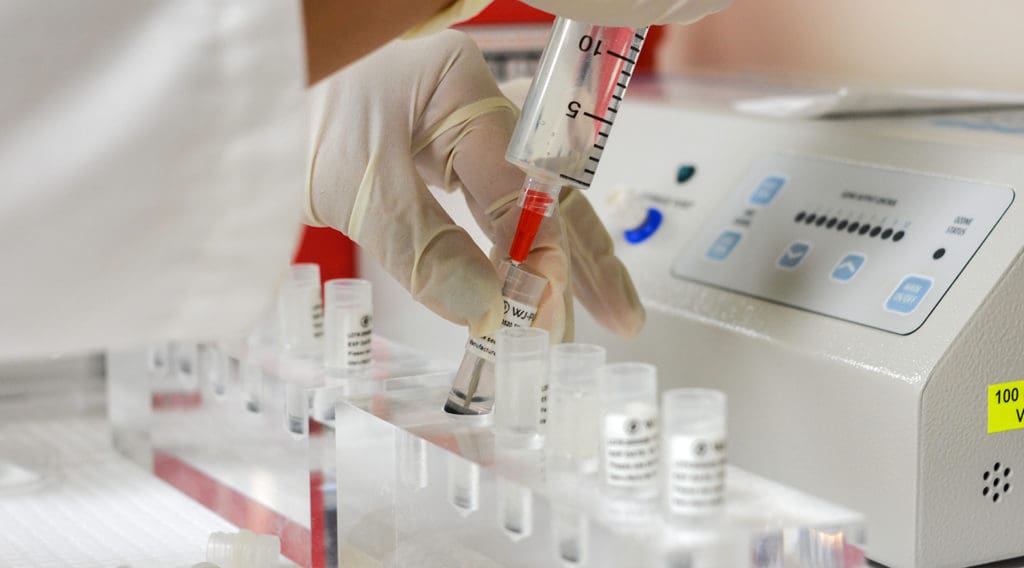 I chose to administer a concentrated PRP admixture with plasma protein concentrate for this hip joint based on several evidence-informed considerations:
- The hip joint generally tolerates lower injection volumes than the knee due to its tighter capsular compartment and different compliance. Excessive volume can provoke nociceptive stretch responses, elevate intra-articular pressure, and increase post-injection pain.
- High-concentration PRP delivers a dense milieu of growth factors that can modulate synovial inflammation and support tissue homeostasis at the capsulolabral junction, where microdamage accumulates. Platelet granules release PDGF, TGF-β, VEGF, IGF-1, EGF, and other bioactive molecules that influence cell proliferation, extracellular matrix synthesis, angiogenesis, and anti-inflammatory pathways.
- Adding plasma protein concentrate makes the fluid thicker and increases the protein level, which may help it stay in the joint longer and create a supportive environment. Protein-rich components can bind growth factors, thereby affecting their release kinetics and extending their action.
- In situations where there are no big tears in the labrum but there is irritation in the capsule, PRP can help reduce inflammation, adjust harmful proteins (like IL-1β and TNF-α), and encourage the This may improve symptoms during targeted stabilization therapy.
Modern studies in orthobiologics suggest intra-articular PRP may offer symptomatic relief for hip osteoarthritis, labral pathology, and post-arthroscopy recovery. However, heterogeneity in preparation and dosing underscores the importance of standardized protocols. Using ultrasound guidance enhances accuracy, which correlates with better outcomes.
Preparation, Sterility, and Injection Protocol: Needle Gauge Selection, Volume, and Air Purge
My protocol includes the following steps:
- I prepare a high-concentration PRP solution and an adjunctive plasma protein concentrate. For this hip, I use approximately 4 cc of high-concentration PRP plus 2 cc of plasma protein concentrate, maintaining a total voof lume around 6 cc. This balance respects the hip’s lower volume tolerance while achieving therapeutic dosing.
- Needle selection reflects solution viscosity. For the PRP-PPC admixture, a 23-gauge needle is sufficient to ensure a smooth injection stream with controllable flow. If I were to inject plasma protein concentrate alone—due to its higher viscosity—I would select a 21-gauge needle to reduce resistance and avoid excessive injection pressure.
- Purging air from the syringe and needle is essential before needle insertion. Air bubbles can create ultrasound artifacts that obscure the needle tip, complicate visualization, and, in theory, introduce undesirable intra-articular gas. I prime the line and confirm fluid continuity under ultrasound before insertion.
Sterility is paramount. I cleanse the skin entry site using standard antiseptic protocols, drape as appropriate, and utilize sterile gel or a sterile sheath for the ultrasound probe to minimize contamination. Local anesthesia is administered to the skin and deeper tissues as necessary; in this case, the region had been previously anesthetized, which reduces discomfort during capsule traversal.
Ultrasound-Guided Technique: Probe Positioning, Anatomical Landmarks, and Needle Trajectory

I position the probe anteriorly, visualizing the femoral head centrally with the acetabulum superior-lateral. A slight probe tilt helps me ensure the ultrasound beam is perpendicular to the femoral head surface—producing a crisp hyperechoic line that delineates the cartilage-bone interface.
- I scan medially to identify the femoral artery pulsation. Once confirmed, I mark my skin entry away from the vascular structures, typically more lateral and slightly inferior to the acetabular rim.
- I plan a needle trajectory that approaches the joint in-plane with the ultrasound beam, allowing me to see the entire needle shaft and tip as a bright echogenic line. This improves accuracy and reduces the risk of extra-articular injection.
- During insertion, I advance gently through the soft tissue layers. As the needle reaches the capsule, patients often report a characteristic “deep” sensation. I adjust the angle to steepen slightly if necessary to align with the joint space. Visualization of the needle tip crossing the capsular line and entering the joint recess is a critical checkpoint.
On penetration into the joint, injection should produce an anechoic fluid spread within the intra-articular cavity, distending the capsule smoothly. If the patient reports sharp localized pain and resistance is felt during injection, I reassess; pain may indicate intracapsular (but extra-articular) placement or injection into a ligamentous or muscular structure. Intra-articular flow should be relatively effortless, and the ultrasound should show a “beautiful amount of fluid” expanding the recess consistently.
Physiologic Mechanisms: How PRP and Plasma Protein Concentrate May Support Capsulolabral Health
The therapeutic logic for PRP rests on its biological activity:
- Platelets carry alpha granules rich in growth factors. PDGF stimulates fibroblast chemotaxis and proliferation, supporting capsular tissue repair. TGF-β can enhance matrix synthesis, including collagen, while modulating inflammatory responses. VEGF promotes microvascular changes; within a joint, this may support synovial nutrition and waste clearance. IGF-1 has anabolic effects on chondrocytes and soft tissue cells, potentially aiding cartilage and labral health.
- Intra-articular PRP may downregulate pro-inflammatory mediators such as IL-1β and TNF-α. Reduced synovitis can alleviate pain and decrease the perpetuating cycle of joint irritation.
- Plasma protein concentrate, enriched in albumin and other proteins, may influence fluid rheology and serve as a carrier that prolongs the availability of growth factors. Some formulations include fibrinogen or lead to fibrin scaffolding upon activation, whereas in pure plasma protein concentrates without activation, the effect is primarily viscosity and protein content rather than gel formation.
- Labral tissue and the capsular complex respond to mechanical and biochemical signals. By improving the intra-articular environment, PRP may facilitate the capsulolabral seal function and reduce nociceptive signaling through decreased synovial inflammation.
It is critical to set expectations: PRP is not a “glue” for labral tears; rather, it modulates the joint milieu, potentially improving symptoms and supporting tissue homeostasis, especially where instability-related irritation predominates.
Managing Hypermobility and Microinstability: Rehabilitation Integration and Movement Strategies
In hypermobile dancers, the capsuloligamentous system is inherently more compliant. As a result, end-range motions are achieved with less resistance, increasing the risk of labral impingement and capsular microstrain. My treatment extends beyond injection:
- I incorporate neuromuscular control training, focusing on deep hip rotators (quadratus femoris, gemelli, and obturator internus) and abductors (gluteus medius/minimus) to enhance dynamic stability of the femoral head within the acetabulum.
- I emphasize spinal-pelvic alignment and core integration, as pelvic tilt and lumbar hyperextension during dance maneuvers can shift acetabular orientation relative to the femur, changing impingement thresholds.
- I progress loading criteria based on pain, control, and range—avoiding end-range extremes that provoke clicking or sharp pain, while steadily building strength and proprioception in mid-range positions.
PRP serves as an adjunct to this comprehensive program. Post-injection, I advise modified activity for several days, followed by a staged reintroduction of controlled movement patterns and strengthening. Education is central: understanding the relationship between hypermobility, microinstability, and end-range pain helps dancers adopt strategies that preserve joint health.
Safety Considerations: Vascular Avoidance, Needle Visualization, and Pain Responses
Maintaining continuous ultrasound visualization of the needle is critical to safety. If the needle tip is not visible, I pause, adjust the probe, and reorient until the tip is unmistakable. Avoidance of the femoral artery and vein is ensured by medial scanning and Doppler confirmation. The femoral nerve lies laterally within the femoral triangle; while less commonly encountered in anterior hip injections, awareness of neuroanatomy is essential.
Pain during injection provides feedback:
- Smooth intra-articular flow with diffuse deep pressure is typical.
- Sharp pain with resistance suggests soft tissue injection (capsular or periarticular). In such instances, I stop, reassess, and adjust the needle position before proceeding.
I monitor for post-injection reactions such as transient soreness. Because the hip tolerates less volume than the knee, the limited-volume, concentrated PRP protocol minimizes capsular stretch discomfort. Sterile practice and thorough patient counseling reduce the risk of infection and post-procedural anxiety.
Technical Pearls: Needle Gauge, Viscosity, and Flow Dynamics
The choice of needle gauge directly influences control over viscous solutions:
- A 23-gauge needle balances control and flow for PRP-PPC admixtures, reducing injection pressure that could otherwise contribute to patient discomfort or unintended needle tip movement.
- A 21-gauge needle is advisable for plasma concentrate alone due to its higher viscosity; this reduces internal friction and prevents abrupt flow changes that challenge precision and comfort.
Air purge is non-negotiable. Even small air pockets can complicate ultrasound visualization and create confusing interfaces that mimic or obscure anatomical boundaries. I always flush the needle and confirm a continuous fluid column before insertion.
Procedure Narrative: From Skin Entry to Intra-Articular Delivery
After skin cleansing and local anesthesia, I mark the entry site corresponding to my planned in-plane approach. I begin with a calm countdown—one, two, three—and perform a steady puncture. Under ultrasound, I watch the needle appear as a bright line on the screen’s upper portion. I adjust the angle slightly steeper as necessary to align with the joint’s anterior recess.
On reaching the capsule, I feel a subtle increase in resistance. With careful pressure, I guide the needle tip through the capsule into the joint. I ask the patient about sensations—“Is that sore?”—and correlate their feedback with the ultrasound image. If placement is correct, the injectate flows smoothly, with visible anechoic fluid spreading along the recess. If pain spikes and resistance is high, I reconsider the location.
In this instance, the fluid flows nicely into the intra-articular space. I maintain visibility of the needle tip throughout, confirming proper delivery and avoiding extra-articular spread. Once satisfactory capsular distension is achieved, I withdraw the needle, apply a sterile dressing, and provide post-procedure guidance.
Why Limited Volume Matters in Hip Injections
The hip capsule’s compliance is lower than that of the knee. The acetabular labrum and capsule contribute to joint pressurization and a suction seal; excessive injectate volume can disrupt this balance, producing discomfort and potentially compromising the seal temporarily. Limited-volume injections:
- Reduce nociceptive stretch of the capsule.
- Lower the risk of post-injection flare.
- Maintain physiologic pressurization while delivering therapeutic concentrations.
High-concentration PRP respects this limitation. Rather than relying on large volumes to distribute active biologics, concentration ensures sufficient dosing within the smaller fluid envelope.
Distinguishing Intra-Articular Flow from Extra-Articular Dispersion on Ultrasound
Intra-articular delivery manifests as:
- Anechoic fluid accumulating adjacent to the femoral head within the joint recess.
- Uniform capsular distension without focal soft tissue expansion.
- Smooth flow with minimal resistance.
Extra-articular dispersion often appears as:
- Anechoic fluid dissecting along fascial planes or periarticular tissues.
- Localized swelling in identifiable soft tissue layers.
- Increased injection resistance and patient reports of sharp pain.
When I observe ambiguous patterns, I pause, slightly retract or redirect the needle, and reconfirm landmarks to ensure intra-articular placement.
Integrating Orthobiologics with Hip Preservation Principles
Current hip preservation paradigms balance conservative care, orthobiologics, and surgical interventions. In cases of microinstability without large labral tears, conservative strategies plus biologic modulation can provide meaningful symptom relief and functional restoration. PRP is not a panacea; it is one tool in a multimodal approach that includes:
- Technique modification in dance to avoid repetitive end-range compression.
- Strengthening and motor control for pelvic and hip stabilizers.
- Graduated return to complex maneuvers as control and comfort allow.
If symptoms persist or worsen, I consider advanced imaging (e.g., MR arthrography) and surgical consultation. The decision is individualized, guided by symptom severity, imaging findings, and patient goals.
Evidence Synthesis: What Leading Researchers Report About PRP in Hip Conditions
Leading researchers in orthobiologics and hip preservation have explored PRP across indications:
- Intra-articular PRP for hip osteoarthritis shows trends toward pain reduction and improved function compared to hyaluronic acid or saline in some randomized and cohort studies, with variability tied to PRP formulation (leukocyte-poor vs. rich), dosing schedules, and patient phenotype.
- PRP in labral pathology is less extensively studied; however, early data and clinical experience suggest symptomatic improvement in labral irritation and synovitis, particularly as an adjunct to post-arthroscopy recovery or conservative management in microinstability contexts.
- Meta-analyses acknowledge heterogeneity and call for standardized preparation, concentration reporting, and outcome measures. Consensus statements often recommend ultrasound guidance to improve accuracy and reduce variability.
I match my protocol to these insights: high-concentration, low-volume PRP, ultrasound-guided, with careful patient selection and integrated rehabilitation to maximize benefit.
Post-Injection Care: Activity Modification, Rehabilitation Progression, and Monitoring
After intra-articular PRP, I advise:
- Relative rest for 24–48 hours, avoiding high-impact or extreme end-range activities.
- Gentle range-of-motion work within pain-free limits beginning after initial soreness subsides.
- Progressive strengthening focusing on hip abductors, deep rotators, and core stabilizers.
- Movement pattern retraining to reduce anterior pelvic tilt and lumbar hyperextension during dance.
I monitor symptom changes, capturing pain scales, functional scores, and return-to-activity milestones. If the response is favorable, I continue the stabilization pathway. If symptoms plateau, I reassess for adjunctive strategies or alternative diagnoses.
Nuanced Considerations: PRP Composition, Leukocyte Content, and Activation Status
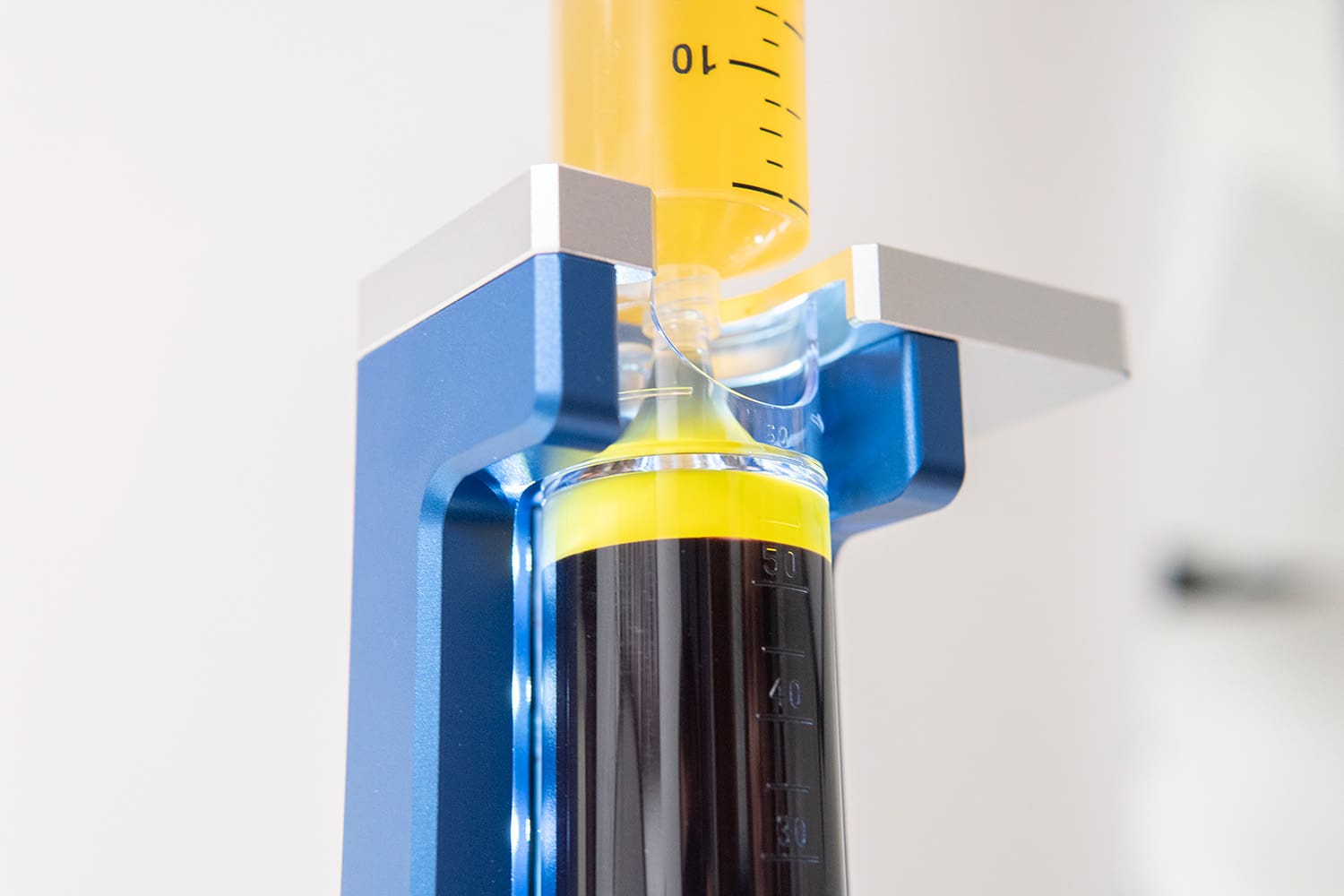
PRP formulations vary:
- Leukocyte-poor PRP is often preferred intra-articularly to reduce pro-inflammatory leukocyte content, which may exacerbate synovitis.
- High platelet concentration must be balanced; extremely high concentrations can paradoxically inhibit cell proliferation or produce excessive cytokine release. The middle range often achieves therapeutic benefit without adverse effects.
- Activation (e.g., with calcium chloride or thrombin) leads to fibrin clot formation. For intra-articular injections, non-activated PRP or minimally activated PRP is commonly used to maintain injectability and avoid overly viscous gel formation that could impede dispersion.
My protocol employs a high-concentration, leukocyte-poor PRP admixture with plasma protein concentrate, avoiding overactivation to maintain flow and distribution within the joint.
Patient Communication: Setting Expectations and Empowering Self-Management
I explain to patients:
- PRP is designed to modulate the joint environment, aiming to relieve pain and support tissue health.
- One injection may help; sometimes a series is considered, depending on response and condition severity.
- Rehabilitation is essential; injections are most effective when paired with stabilization training and movement modifications.
- Outcomes vary; while many experience improvement, persistent symptoms may require further evaluation.
Empowering patients with understanding helps align behavior with healing trajectories, especially in highly motivated athletes like dancers.
Practical Checklist for Ultrasound-Guided Intra-Articular Hip PRP Injection
- Confirm diagnosis: instability-related irritation, absence of large labral tear.
- Prepare high-concentration PRP and plasma protein concentrate; total volume around 6 cc.
- Choose needle gauge based on viscosity: 23-gauge for admixture, 21-gauge for PPC alone.
- Purge air, maintain sterile technique, and anesthetize the entry pathway.
- Ultrasound orientation: femoral head central; acetabulum superior-lateral; labrum triangular.
- Identify the femoral artery medially; avoid the vascular bundle.
- In-plane needle approach; maintain tip visualization.
- Confirm intra-articular placement via smooth flow and capsular distension.
- Post-injection care and staged rehabilitation.
Advanced Imaging Considerations: Ultrasound vs. MR Arthrography
Ultrasound offers real-time guidance and dynamic assessment but has limitations in detecting small labral tears. MR arthrography remains the gold standard for detailed labral pathology. In my patient, the absence of a large labral tear on prior imaging does not exclude labral irritation. Ultrasound helps correlate clinical findings with capsular thickness and effusion and guide precise injections.
Dancer-Specific Movement Patterns: Identifying and Modifying Risk Factors
Dancers often adopt:
- Anterior pelvic tilt to achieve extension aesthetics, increasing anterior hip shear.
- Extreme external rotation, challenging the capsulolabral complex.
- Repetitive high kicks and développés requiring end-range flexion with abduction and external rotation, potentially engaging impingement mechanisms.
I coach technique adjustments:
- Neutral pelvis training.
- Controlled turnout sourced from hip external rotators rather than foot pronation.
- Strength and endurance of stabilizers to support repetition demands.
Outcome Tracking: Functional Metrics and Return-to-Performance
I use:
- Pain scales and hip-specific functional questionnaires.
- Range of motion assessments emphasizing mid-range control.
- Return-to-dance criteria are based on stability, pain-free execution of basics, and progressive choreography complexity.
PRP’s role is assessed within this framework. Improvement in end-range pain and clicking, coupled with enhanced neuromuscular control, suggests successful modulation of capsular and synovial irritation.
Contingency Planning: When to Escalate or Pivot
If the patient’s symptoms persist despite optimized injection and rehabilitation:
- Reassess biomechanics and technique factors.
- Consider diagnostic MR arthrography for occult labral tears or chondral lesions.
- Evaluate surgical options in collaboration with hip preservation specialists, especially if structural impingement (cam/pincer) or significant labral pathology is discovered.
Decision-making remains individualized and evidence-informed.
Ethical and Professional Considerations: Transparency and Shared Decision-Making
I maintain transparency regarding:
- The evidence base, including strengths and limitations.
- Potential risks and benefits of PRP and alternative treatments.
- Cost considerations and the variability of insurance coverage for orthobiologics.
Shared decision-making respects the dancer’s goals and timelines while ensuring safety and scientific integrity.
Procedural Documentation and Quality Assurance
I document:
- Ultrasound images before, during, and after injection confirming placement and flow.
- Lot numbers and preparation details for PRP and PPC.
- Needle gauge, volume injected, patient response, and immediate post-procedure status.
- Post-procedure instructions and follow-up plan.
Quality assurance includes periodic review of outcomes and protocol refinement based on current literature and institutional standards.
Research Gaps and Future Directions
Key areas needing further study:
- Standardization of PRP formulations for hip intra-articular use.
- Head-to-head comparisons of PRP vs. hyaluronic acid vs. corticosteroids in microinstability and labral irritation cohorts.
- Long-term outcomes in hypermobile athletes, including return-to-performance metrics.
- Biomarker-guided personalization of orthobiologic selection.
As data matures, I anticipate clearer guidance on dosing, frequency, and patient selection criteria specific to dancers and hypermobile populations.
Patient Safety Follow-Up: Post-Injection Surveillance
I advise patients to report:
- Fever, chills, or increasing redness—potential infection signs.
- Severe escalating pain unresponsive to conservative measures.
- Neurologic symptoms suggestive of nerve irritation.
Routine follow-up enables early detection of issues and timely intervention.
Interprofessional Collaboration: Integrating Care Across Disciplines
Optimal outcomes arise from:
- Coordination with physical therapists specialized in dance medicine.
- Collaboration with coaches to adapt training loads.
- Communication with orthopedic and radiology colleagues for imaging and surgical considerations.
This team-based approach ensures that biologic therapy is placed within a comprehensive care continuum.
Case Reflection: Linking Technique to Outcome
In this case, precise ultrasound guidance, limited-volume high-concentration PRP, and awareness of hip compartment compliance contributed to a smooth, effective intra-articular injection. The immediate ultrasound evidence of fluid spread within the joint and the patient’s tolerable deep soreness (rather than sharp localized pain) indicated successful delivery. Coupled with a tailored rehabilitation plan, the intervention targeted the biological and mechanical contributors to her symptoms.
Key Technical Terms and Concepts Emphasized
- Femoral head, acetabulum, labrum
- Capsulolabral seal, synovitis, microinstability
- Platelet-rich plasma (PRP), plasma protein concentrate (PPC)
- Growth factors: PDGF, TGF-β, VEGF, IGF-1
- Leukocyte-poor vs. leukocyte-rich PRP
- Ultrasound guidance, in-plane needle visualization
- Femoral artery identification and avoidance
- Limited-volume intra-articular injection
- Viscosity, needle gauge selection
- Capsular distension patterns on ultrasound
Each term is integral to understanding the rationale and execution of regenerative hip injections in a hypermobile dancer population.
Algorithmic Approach to Similar Cases
- Clinical assessment: hypermobility, end-range pain, clicking, instability.
- Imaging: ultrasound assessment; consider MR arthrography if indicated.
- Conservative care: initial stabilization and technique modification.
- Orthobiologic selection: high-concentration, leukocyte-poor PRP with PPC for capsular/labral irritation without large tears.
- Ultrasound-guided intra-articular injection: vascular avoidance, in-plane approach, and confirmation of intra-articular flow.
- Post-injection rehabilitation: progressive stabilization, movement retraining.
- Outcome monitoring: function, pain, return-to-performance.
- Escalation: further imaging or surgical consult if inadequate response.
Frequently Asked Clinical Questions
- Why not use corticosteroids? Corticosteroids may provide short-term pain relief but can impair tissue healing and are less desirable in young athletes with capsular-labral irritation. PRP offers a biologically supportive alternative.
- Is hyaluronic acid preferable? HA can reduce friction and improve lubrication but lacks the trophic growth factor profile of PRP. Selection depends on patient phenotype and goals.
- How many injections are needed? Often one is attempted first; some protocols consider a series depending on response. Evidence remains variable.
- Is fluoroscopic guidance necessary? Ultrasound provides real-time soft tissue visualization and avoids radiation; fluoroscopy can confirm intra-articular placement but lacks soft tissue detail. Both are acceptable, with ultrasound preferred in many practices.
Limitations and Balanced Perspective
While I employ PRP-PPC in this case based on physiologic rationale and emerging evidence, I acknowledge:
- Variability in PRP preparation affects outcomes.
- Not all patients respond; structural abnormalities may require surgical intervention.
- High-quality randomized trials in hypermobile dancers with microinstability are limited.
I integrate these realities into patient counseling and shared decision-making.
Summary
I documented a comprehensive, evidence-based approach to ultrasound-guided intra-articular hip injection using high-concentration PRP combined with plasma protein concentrate for a hypermobile dancer with femoroacetabular impingement and end-range pain with clicking. Central to the procedure are precise ultrasound visualization, vascular avoidance, limited-volume injection due to the hip’s lower compartmental compliance, and an in-plane needle approach ensuring continuous tip visibility. The physiologic rationale emphasizes PRP’s growth factor-mediated modulation of synovitis and support for capsulolabral tissue health, while plasma protein concentrate adds viscosity and potentially prolongs growth factor residency.
Key technical decisions include choosing a 23-gauge needle for the PRP-PPC admixture (and 21-gauge for PPC alone) to optimize flow given viscosity and purging air to maintain sonographic clarity. Intra-articular placement is confirmed by smooth flow and capsular distension on ultrasound; sharp pain and resistance suggest extra-articular injection and necessitate repositioning. Beyond the injection, a dancer-specific rehabilitation plan focuses on neuromuscular stabilization, technique modification to reduce end-range impingement, and progressive loading criteria. The evidence base supports PRP in intra-articular hip conditions, noting heterogeneity and the need for standardized protocols. Patient education, monitoring, and interprofessional collaboration ensure care quality and safety.
Conclusion
Treating hypermobile dancers with hip microinstability and FAI-related irritation demands precise procedural technique and a deep understanding of hip biology. Ultrasound-guided intra-articular injection of high-concentration PRP with plasma protein concentrate offers a biologically rational, modern, evidence-informed therapy when large labral tears are absent. The intervention’s success hinges on meticulous ultrasound guidance, appropriate needle and volume selection, and vigilant attention to intra-articular flow patterns. Ultimately, orthobiologics are most effective when embedded in a comprehensive hip preservation strategy that emphasizes neuromuscular control, movement optimization, and individualized progression. This integrated approach can reduce end-range pain and clicking, restore confidence in movement, and support a safe return to performance for dancers.
Key Insights
- Ultrasound guidance is essential for safe, accurate intra-articular hip injections, enabling visualization of the femoral head, acetabulum, labrum, and vascular structures for secure needle trajectory.
- The hip tolerates less injection volume than the knee; limited-volume, high-concentration PRP reduces capsular stretch discomfort while delivering therapeutic growth factors.
- PRP modulates synovial inflammation and supports capsulolabral tissue homeostasis; plasma protein concentrate enhances viscosity and may prolong biologic activity.
- Needle gauge selection must match solution viscosity: 23-gauge for PRP-PPC admixture and 21-gauge for PPC alone; purging air preserves ultrasound clarity and placement certainty.
- Intra-articular flow appears as smooth capsular distension on ultrasound; sharp pain and resistance suggest extra-articular injection and require repositioning.
- Rehabilitation focusing on deep rotators, abductors, and core integration is vital for hypermobile dancers to mitigate microinstability and impingement stresses.
- Evidence supports PRP’s role in hip symptom relief, with the caveat of heterogeneous study designs; standardized protocols and integrated care yield better outcomes.
References:
- Contemporary reviews and consensus statements in orthobiologics and hip preservation literature discussing PRP intra-articular applications, growth factor biology, and ultrasound-guided injection techniques.
- Clinical studies evaluating PRP for hip osteoarthritis, labral irritation, and post-arthroscopy outcomes, noting heterogeneity in PRP preparation and outcome measures.
- Musculoskeletal ultrasound textbooks and resources detailing hip injection landmarks, probe positioning, and safety protocols for vascular avoidance and in-plane needle visualization.
Disclaimer: The content provided in this educational post is for informational purposes only and should not be used as medical advice. All individuals must obtain recommendations for their personal situations from their own medical providers.
Post Disclaimer
General Disclaimer, Licenses and Board Certifications *
Professional Scope of Practice *
The information herein on "Comprehensive, Evidence-Based Strategies for Ultrasound-Guided Intra-Articular Hip Injection with Platelet-Rich Plasma and Plasma Protein Concentrate" is not intended to replace a one-on-one relationship with a qualified health care professional or licensed physician and is not medical advice. We encourage you to make healthcare decisions based on your research and partnership with a qualified healthcare professional.
Blog Information & Scope Discussions
Welcome to El Paso's Premier Wellness and Injury Care Clinic & Wellness Blog, where Dr. Alex Jimenez, DC, FNP-C, a Multi-State board-certified Family Practice Nurse Practitioner (FNP-BC) and Chiropractor (DC), presents insights on how our multidisciplinary team is dedicated to holistic healing and personalized care. Our practice aligns with evidence-based treatment protocols inspired by integrative medicine principles, similar to those on this site and on our family practice-based chiromed.com site, focusing on naturally restoring health for patients of all ages.
Our areas of multidisciplinary practice include Wellness & Nutrition, Chronic Pain, Personal Injury, Auto Accident Care, Work Injuries, Back Injury, Low Back Pain, Neck Pain, Migraine Headaches, Sports Injuries, Severe Sciatica, Scoliosis, Complex Herniated Discs, Fibromyalgia, Chronic Pain, Complex Injuries, Stress Management, Functional Medicine Treatments, and in-scope care protocols.
Our information scope is multidisciplinary, focusing on musculoskeletal and physical medicine; wellness; contributing etiological viscerosomatic disturbances within clinical presentations; associated somato-visceral reflex clinical dynamics; subluxation complexes; sensitive health issues; and functional medicine articles, topics, and discussions.
We provide and present clinical collaboration with specialists from various disciplines. Each specialist follows their professional scope of practice and licensure jurisdiction. We use functional health & wellness protocols to treat and support care for musculoskeletal injuries or disorders.
Our videos, posts, topics, and insights address clinical matters and issues that directly or indirectly relate to our clinical scope of practice.
Our office has made a reasonable effort to provide supportive citations and has identified relevant research studies that support our posts. We provide copies of supporting research studies upon request to regulatory boards and the public.
For further discussion on how this information relates to specific care plans or treatment protocols, please ask Dr. Alex Jimenez, DC, APRN, FNP-BC, or contact us at 915-850-0900.
We are here to help you and your family.
Blessings
Dr. Alex Jimenez DC, MSACP, APRN, FNP-BC*, CCST, IFMCP, CFMP, ATN
Email: [email protected]
Multidisciplinary Licensing & Board Certifications:
Licensed as a Doctor of Chiropractic (DC) in Texas & New Mexico*
Chiropractic Licenses:
Texas DC License #: TX5807, Verified: TX5807
New Mexico DC License #: NM-DC2182, Verified: NM-DC2182
Nurse Practitioner Licenses:
Texas APRN License #: 1191402, Verified: 1191402 *
New Mexico CNP License #: 90560, Verified 90560
Florida APRN License #: 11043890, Verified: APRN11043890 *
Colorado License #: C-APN.0105610-C-NP, Verified: C-APN.0105610-C-NP
New York License #: N25929, Verified N25929
Georgia APRN License #: GAA-NP005701
Multi-State Advanced Practice Registered Nurse (APRN*) Texas & Multi-States
Multi-state Compact APRN License by Endorsement (43 States)
Compact Status: Multi-State License: Authorized to Practice in 43 States*
Nursing Licensure Compact: Updated Here
DEA Registration: (Drug Enforcement Agency Registered)
All medical (MDs) and family practice providers (FNP-APRN) are registered and licensed to offer various levels of medication.
Verify Providers' DEA Registration Here
License Verification Link: Nursys License Verifier
* Prescriptive Authority Authorized (DEA Registered Providers). Call if Required
Board Certification:
ANCC FNP-BC: Board Certified Nurse Practitioner*
Education:
Graduate with Honors: ICHS: MSN-FNP (Family Nurse Practitioner Program)
Degree Granted. Master's in Family Practice, MSN Diploma (Cum Laude)
Dr. Alex Jimenez, DC, APRN, FNP-BC*, CFMP, IFMCP, ATN, CCST
(Board Certified: Family Practice Nurse Practitioner—Multistate)*
(Licensed Nurse Practitioner & Chiropractor - Multistate)*
Clinical Director
DC & FNP License (Review Above)
Digital Business Card
NPI: 1205907805
Dr. Maria Cardenas, MD
(Board Certified: Internal Medicine)
(Licensed Medical Doctor)
Medical Director, Clinical Director & Collaborative Physician
NPI # 1164426748
MD License #: J2933
Licenses and Board Certifications:
MD: Medical Doctor
DC: Doctor of Chiropractic
APRNP: Advanced Practice Registered Nurse
FNP-BC: Family Practice Specialization (Multi-State Board Certified)
FNP-BC: Family Practice Across Life Span (Neonatal to Geriatrics)
RN: Registered Nurse (Multi-State Compact License)
CFMP: Certified Functional Medicine Provider
MSN-FNP: Master of Science in Family Practice Medicine
MSACP: Master of Science in Advanced Clinical Practice
IFMCP: Institute of Functional Medicine
CCST: Certified Chiropractic Spinal Trauma
ATN: Advanced Translational Neutrogenomics
Family with Primary Care Focus (Family Nurse Practitioner or FNP)
- The Family Nurse Practitioner (FNP) promotes, maintains, and restores health for individuals and families across the lifespan. FNPs also identify health risks, promote wellness, and diagnose and manage acute and chronic illness.
- The FNP focuses on comprehensive primary care, promoting healthy lifestyles for patients across the lifespan in settings such as private practice, physician offices, and community health centers.
Memberships & Associations:
TCA: Texas Chiropractic Association: Member ID: 104311
TNA: Texas Nurse Association: Member ID: 06458222
TNP: Texas Nurse Practitioner Association ID: 2025091511
AANP: American Association of Nurse Practitioners: Member ID: 2198960
ANA: American Nurses Association: Member ID: 06458222 (District TX01)
| Primary Taxonomy | Selected Taxonomy | State | License Number |
|---|---|---|---|
| No | 111N00000X - Chiropractor | NM | DC2182 |
| Yes | 111N00000X - Chiropractor | TX | DC5807 |
| Yes | 363LF0000X - Nurse Practitioner - Family | TX | 1191402 |
| Yes | 363LF0000X - Nurse Practitioner - Family | FL | 11043890 |
| Yes | 363LF0000X - Nurse Practitioner - Family | CO | C-APN.0105610-C-NP |
| Yes | 363LF0000X - Nurse Practitioner - Family | NY | N25929 |
| Yes | 363LF0000X - Nurse Practitioner - Family | NM |
90560 |
| Yes | 363LF0000X - Nurse Practitioner - Family | GA | GAA-NP005701 |
Dr. Alex Jimenez, DC, APRN, FNP-BC*, CFMP, IFMCP, ATN, CCST
(Board Certified: Family Practice Nurse Practitioner—Multistate)*
(Primary Care Across Lifespan—Neonatal / Pediatric / Adult / Geriatrics)
(Licensed Nurse Practitioner & Chiropractor - Multistate)*
Clinical Director
Digital Business Card
NPI: 1205907805
Dr. Maria Cardenas, MD
(Board Certified: Internal Medicine)*
(Licensed Medical Doctor)*
Medical Director, Clinical Director & Collaborative Physician
NPI # 1164426748
MD License #: J2933
📆 Schedule Appointment: Schedule 24/7 (Click Here)