

Table of Contents
Introduction
Hello, I’m Dr. Jimenez, and I am both a Doctor of Chiropractic (DC) and a Family Nurse Practitioner (FNP-APRN). My healthcare journey has been comprehensive. Before immersing myself in the world of pharmacy and advanced practice nursing, I was deeply involved in the health and wellness industry, focusing on personal training and nutrition. This foundation in functional health is what ultimately propelled me toward pharmacy school and, subsequently, to where I am today—formulating and educating on evidence-based health strategies. It feels like a full-circle moment, blending my foundational passion for lifestyle medicine with advanced clinical knowledge.
Today, I want to share some critical insights into a rapidly evolving topic that affects a significant portion of the patients we see: weight management, particularly in the era of GLP-1 receptor agonists. We will explore how to build a robust, sustainable framework for health that complements these powerful medications. This is not just about prescribing a drug; it’s about architecting a comprehensive lifestyle protocol that ensures our patients not only lose weight but thrive, preserving their health and vitality for the long term. We’ll move beyond the traditional view of side effects and reframe them as valuable biological signals—windows of opportunity to optimize patient health. This post is designed to be an educational resource, drawing from the latest evidence-based research to provide you with practical, actionable strategies for your patients.
A Modern, Evidence-Based Approach to Weight Management in the Era of GLP-1 Agonists
The landscape of weight management has been profoundly reshaped by the advent of Glucagon-Like Peptide-1 (GLP-1) receptor agonists. These medications offer unprecedented efficacy in promoting weight loss, yet their success raises new clinical challenges and responsibilities for healthcare providers. This educational post, presented from the perspective of a dual-credentialed clinician (DC, FNP-APRN), aims to provide a comprehensive, evidence-based framework for optimizing patient outcomes while using these powerful therapeutic agents. We will move beyond simple prescribing and create a holistic support system that addresses the physiological changes induced by GLP-1 therapy.
The central thesis of this discussion is that the so-called “side effects” of GLP-1 agonists—such as muscle loss, nausea, and potential malnutrition—should not be viewed as mere adverse events to be tolerated. Instead, they must be reconceptualized as crucial biological signals or “messengers” that offer a window of opportunity for targeted clinical intervention. By proactively addressing these signals, we can bridge the gap between pharmacological treatment and foundational lifestyle medicine, preventing complications and enhancing long-term health.
This post will begin by establishing a non-negotiable “three-pillar” foundation for all patients undergoing weight management: prioritizing protein intake, increasing dietary fiber, and committing to resistance training. We will thoroughly explore the physiological rationale behind each pillar. For protein, we will discuss the critical need to counteract sarcopenia (muscle loss) by aiming for 1.2 to 1.6 grams of protein per kilogram of body weight per day, detailing the different types of protein supplements—from whey and casein to plant-based and collagen—and their respective roles in muscle protein synthesis versus connective tissue support.
The second pillar, fiber, will be examined for its multifaceted benefits beyond simple regularity. We will discuss its role in promoting satiety, stabilizing blood glucose, supporting a healthy gut microbiome, and—crucially for a patient rapidly losing weight—binding and eliminating excess estrogen released from adipose tissue, thereby mitigating water retention and hormonal imbalances. We will differentiate between soluble and insoluble fiber and provide practical recommendations for supplementation.
The third pillar, resistance training, will be positioned as the “gold standard” for exercise during weight loss to preserve metabolically active muscle tissue. We will also introduce the concept of the “Spillover Effect,” a psychological phenomenon in which adopting one positive health behavior makes subsequent healthy choices easier, creating powerful momentum for change.
Further, we will conduct a deep dive into key supplements that address the common physiological challenges encountered with GLP-1 therapy. This includes a detailed analysis of magnesium, moving beyond the poorly absorbed oxide form to explore the specific benefits of bisglycinate for sleep, citrate for digestive motility, and L-threonate for its unique ability to cross the blood-brain barrier and support cognitive function. We will also demystify creatine monohydrate, presenting the overwhelming evidence for its safety and efficacy in muscle preservation, ATP generation, and, more recently, cognitive enhancement.
Finally, this post will equip clinicians with the tools to evaluate the burgeoning, critical, and often misleading weight-loss supplement market. We will dissect the marketing claims of so-called “natural GLP-1 alternatives,” thermogenics, and appetite suppressants, highlighting the importance of examining study funding, recognizing regulatory loopholes, and steering patients toward evidence-backed interventions. We will discuss probiotics such as Akkermansia muciniphila and their role in gut barrier function, placing them in a proper clinical context. This comprehensive guide is designed to empower providers to create sophisticated, personalized, and sustainable weight management protocols that truly optimize patient health and well-being.
The Hippocratic Oath in Modern Practice: Beyond Medication
As healthcare providers, we are all familiar with the core tenet of our profession, beautifully encapsulated in the Hippocratic Oath: “I will use those dietary regimens which will benefit my patients according to my greatest ability and judgment, and I will not harm.” I am particularly fond of the original phrasing because it explicitly mentions dietary regimens. It reminds us that our therapeutic toolkit extends far beyond the prescription pad. Our most powerful tools are often the foundational elements of health: food, sleep, and exercise.
In today’s clinical environment, especially when discussing weight management, we cannot have a complete conversation without considering these lifestyle factors and the role of targeted supplementation. Pharmacological therapy, such as with GLP-1 agonists, sets the stage. It creates a powerful biological opportunity for change. However, it is the lifestyle architecture we build around that therapy that determines the long-term success and health of our patients. Supplements are a critical component of this lifestyle architecture, helping to bridge nutritional gaps and support the body through the profound metabolic changes that occur during rapid weight loss.
The Three Pillars of Sustainable Weight Management: A Non-Negotiable Foundation
If there is one slide, one concept, to take away from this entire discussion and implement in your practice immediately, it is this three-part framework. These are the non-negotiables for any patient on a weight management journey, especially those utilizing GLP-1 agonists.
- Prioritize Protein Intake: Aim for 2-1.6 g of protein per kilogram of body weight per day.
- Increase Fiber Intake: Target 25-35 grams of fiber per day.
- Commit to Resistance Training: This is the best form of exercise for muscle preservation.
Let’s break down why each of these is so critically important.
The Psychological Catalyst: Understanding the Spillover Effect
Before we dive deep into the physiology, I want to touch on a powerful psychological principle that can supercharge your patients’ success: the Spillover Effect. I recently read a fascinating study published just this past Monday. Researchers enrolled 150 patients and randomly assigned them to two groups for a weight management program. Both groups had their labs drawn and received comprehensive health counseling. The first group was prescribed supplements by a human provider. The second group received their supplement recommendations from an AI-driven platform.
The results were striking. The AI group lost significantly more weight. The researchers attributed a large portion of this success not only to the AI’s recommendations’ precision but also to the spillover effect.
So, what is the spillover effect? It’s the phenomenon where completing a challenging or beneficial action makes it psychologically easier to make another positive choice. It’s about stacking wins. For example, if I wake up early and get a workout in at the gym, that initial difficult decision makes me more likely to choose a healthy breakfast afterward. That healthy breakfast, in turn, makes it more likely that I’ll opt for a walk during my lunch break instead of staying sedentary. Each positive action creates momentum for the next one. The study suggested that the sophisticated, high-tech nature of the AI-generated regimen made the participants feel more invested and empowered, triggering this powerful positive cascade of behaviors.
Of course, the spillover effect can work in the opposite direction. Sleeping in might lead to skipping breakfast, which might lead to grabbing a convenient but unhealthy lunch, and so on. As clinicians, our goal is to help our patients initiate and sustain a positive spillover effect. By encouraging them to adopt these three foundational pillars, we are not just improving their physiology; we are setting them up for psychological victory.
Pillar 1: The Critical Role of Protein in an Era of GLP-1 Agonists
Dr. Deville’s recent presentation highlighted a crucial clinical pearl: patients on GLP-1 agonists can increase their muscle mass, but only if their protein intake is sufficiently high. If protein intake is inadequate, they will inevitably lose precious, metabolically active muscle tissue along with fat. This is a condition known as sarcopenic obesity—losing weight but ending up with a higher percentage of body fat and a slower metabolism, which is a weight regain recipe and metabolic dysfunction.
Therefore, our primary goal must be to preserve and, ideally, build lean body mass. The target of 1.2 to 1.6 grams of protein per kilogram of body weight per day is an evidence-based range designed to stimulate muscle protein synthesis (MPS) even in a caloric deficit. For a 200-pound (91 kg) person, this translates to roughly 110-145 grams of protein daily.
In a perfect world, patients would get all this protein from whole foods like lean meats, fish, eggs, and legumes. However, we practice in the real world. Patients on GLP-1 agonists often struggle with reduced appetite and early satiety, making it incredibly difficult to consume this much protein from food alone. This is where protein supplementation ceases to be a luxury and becomes a clinical necessity.
Navigating the World of Protein Supplements: A Clinician’s Guide
 You don’t need to be a sports nutritionist, but you do need to be able to guide your patients effectively. Let’s review the most common types of protein supplements so you can make informed recommendations.
- Whey Protein: This is a dairy-derived protein, and it’s the most common type you’ll find on the market. It’s popular because it’s relatively inexpensive to produce and comes in a vast array of flavors. Physiologically, whey is a “fast-absorbing” protein. This means it delivers a rapid spike of amino acids, particularly the Branched-Chain Amino Acids (BCAAs) such as leucine, into the bloodstream. This makes it an excellent choice for consumption immediately after a workout, as it provides the building blocks for muscle repair and growth precisely when the muscles are most receptive. If your patient is not sensitive to dairy, whey protein is a fantastic, effective option.
- Casein Protein: Also derived from dairy, casein is the other major protein found in milk. Unlike whey, casein is a “slow-digesting” protein. In the stomach’s acidic environment, casein forms a gel-like substance, leading to a slow, sustained release of amino acids into the bloodstream over several hours. This makes it an ideal choice before bed or between meals. The prolonged delivery of amino acids helps prevent muscle protein breakdown (MPB), making it highly anti-catabolic. For a patient in a caloric deficit, a casein supplement before sleep can be a powerful strategy to preserve muscle mass overnight.
- Plant-Based Proteins (Pea, Soy, Hemp, etc.): For patients with dairy sensitivity, lactose intolerance, or who follow a vegan or vegetarian diet, plant-based proteins are excellent alternatives. You will find options made from pea, soy, hemp, pumpkin seed, and rice, among others. The key clinical consideration here is the amino acid profile. Most individual plant proteins are not “complete,” meaning they are low in one or more of the nine essential amino acids (EAAs) required for MPS. For example, pea protein is often low in methionine. However, most modern plant-based protein powders are blends (e.g., pea and rice protein) specifically formulated to provide a complete amino acid profile comparable to whey. When recommending a plant-based option, advise your patients to look for a blend that explicitly states it offers a full spectrum of essential amino acids.
- Collagen Protein: Collagen has become incredibly popular, and for good reason—it’s excellent for supporting the health of our connective tissues, including skin, hair, nails, and joints. However, it is not an effective stimulant of muscle protein synthesis. Collagen’s amino acid profile is rich in glycine, proline, and hydroxyproline, but it is deficient in the BCAAs, especially leucine, which is the primary trigger for MPS. If a patient tells you they are taking collagen as their “protein supplement” to preserve muscle, you need to educate them. It is not serving that purpose. Please encourage them to find a product that blends collagen with a complete protein, such as whey, or a plant-based blend, or to take a separate, complete protein supplement in addition to their collagen.
Other options, such as egg white protein and beef isolate, are also available and are excellent complete protein sources. The key takeaway is to ensure your patient’s chosen supplement is a complete protein if their goal is muscle preservation.
Pillar 2: The Multifunctional Power of Dietary Fiber
When we think of fiber, our minds often jump immediately to digestive regularity. While that is an important benefit, fiber’s role in a comprehensive weight management plan is far more sophisticated, especially for a patient undergoing rapid weight loss. The recommended target is 25 to 35 grams per day, sourced from a variety of foods to ensure a mix of both soluble and insoluble types.

With increased fiber intake, hydration is paramount. Fiber works by absorbing water, so inadequate fluid intake can lead to constipation, defeating one of its primary purposes.
Beyond Regularity: Fiber’s Critical Metabolic Roles
- Satiety and Blood Sugar Control: Fiber slows gastric emptying and adds bulk to meals, increasing feelings of fullness (satiety) and helping control blood sugar. This is particularly helpful for patients learning to manage their appetite. Soluble fiber, in particular, forms a viscous gel in the digestive tract, slowing the absorption of sugars and helping blunt post-meal glucose spikes, improving overall glycemic control.
- Gut Microbiome Support: Dietary fibers, especially prebiotics like inulin and fructans, are the primary food source for our beneficial gut bacteria. A healthy microbiome produces Short-Chain Fatty Acids (SCFAs) like butyrate, propionate, and acetate. These SCFAs have profound systemic benefits, including strengthening the gut barrier, reducing inflammation, and even influencing central appetite signaling.
- Hormonal Balance During Weight Loss: This is a crucial and often-overlooked benefit. Our adipose tissue (fat cells) is not just an inert storage depot for energy; it’s a highly active endocrine organ. One of its functions is to store hormones, including estrogen. When a patient loses weight rapidly, their fat cells are metabolized, releasing the stored estrogen into the bloodstream. If this surge of estrogen is not efficiently cleared from the body, estrogen levels can rise, leading to a state of relative estrogen dominance. One of the most common and frustrating side effects of this is water retention. Imagine your patient, who is working hard and losing fat, stepping on the scale and seeing the number go up or stall simply because they are retaining water. It’s incredibly demoralizing. This is where fiber becomes a hero. Soluble fiber, in particular, can bind to this excess estrogen (and its metabolites) in the digestive tract, ensuring it is excreted from the body rather than being reabsorbed. Fiber is much more than a regulator; it is a detoxifying agent that is essential for maintaining hormonal equilibrium during significant weight loss.
Supplementing with Fiber
Just like with protein, getting 25-35 grams of fiber from food alone can be challenging. A simple and effective supplement is psyllium husk. It’s inexpensive, widely available, and provides a great source of soluble fiber. While the taste and texture can be compared to “sawdust,” it can be easily mixed into a protein shake, smoothie, or even a glass of water. It effectively supports regularity, satiety, and that all-important hormonal binding.
Pillar 3: The Indispensable Role of Resistance Training
There is a hierarchy of exercise: good, better, best.
- Good: Any movement is good. If your patient enjoys walking or can only manage a walk, that is fantastic. Encourage and celebrate it.
- Better: Activities like Zumba, swimming, or cycling are even better, as they provide a greater cardiovascular challenge.
- Best: For the specific goal of preserving metabolically active tissue during weight loss, resistance training is the undisputed best.
When the body is in a caloric deficit, it looks for energy sources. It will burn fat, but it will also readily break down muscle tissue (gluconeogenesis) if it’s not given a strong reason to keep it. Resistance training provides that reason. The mechanical stress placed on the muscles sends a powerful anabolic signal to the body: “This tissue is essential for survival; do not break it down!”
Resistance training can take many forms, and it’s important to meet the patient where they are.
- Bodyweight exercises: Squats, lunges, push-ups, planks.
- Resistance bands: A versatile, low-cost option for home workouts.
- Free weights: Dumbbells, kettlebells, barbells.
- Weight machines: Provide stability and are great for beginners.
By combining adequate protein intake with a consistent resistance training program (2-3 times per week is a great start), you give your patients the best possible chance of losing fat while retaining, or even building, muscle. This is the key to preventing the metabolic slowdown that plagues so many dieters and to ensuring a healthier, stronger body composition at the end of their weight-loss journey.
Re-framing “Side Effects” as Biological Signals and Windows of Opportunity
Now, let’s change our perspective on the common “side effects” associated with GLP-1 agonists. Instead of viewing them as unavoidable negative consequences, let’s interpret them as signals from the body—valuable information that can guide our supportive therapies. These are windows of opportunity to intervene and optimize health.
The four most common signals we see with GLP-1 therapy are:
- Muscle Loss (Sarcopenia):
- The Signal: The patient is losing weight, but their body composition is worsening, or they report feeling weaker.
- The Opportunity: This is a clear signal that muscle protein breakdown is outpacing muscle protein synthesis. The intervention is clear: implement Pillar 1 (Protein) and Pillar 3 (Resistance Training). We can prevent or even reverse this trend with these strategies.
- Malnutrition and Nutrient Deficiencies:
- The Signal: The patient reports extreme fatigue, low energy, or hair loss. Hair loss (telogen effluvium) during GLP-1 therapy is a near-classic sign that the body is not receiving the micronutrients and macronutrients it needs to support non-essential functions, such as hair growth. The body is in a state of triage, diverting resources to more critical systems. Other signs could include brittle nails or poor skin quality.
- The Opportunity: This is a signal to assess the patient’s overall dietary intake. Are they eating enough total calories? Is their diet varied enough to provide essential vitamins and minerals? A high-quality multivitamin can be a good insurance policy. We must ensure they are eating enough nutrient-dense food to fuel their bodies’ fundamental needs.
- Nausea:
- The Signal: The patient feels nauseous, especially after eating. This is very common, particularly with earlier-generation GLP-1s, and is related to the drug’s primary mechanism of action, which is to delay gastric emptying.
- The Opportunity: This signal tells us the digestive system is overwhelmed. Instead of immediately prescribing an antiemetic medication and adding to polypharmacy, we can use this opportunity to teach beneficial dietary behaviors. The intervention is to advise the patient to:
- Eat smaller, more frequent meals instead of three large ones.
- Avoid high-fat and greasy foods, which are potent triggers for nausea due to their slow digestion time.
- Eat slowly and mindfully.
- By coaching these changes, we not only manage the nausea but also instill healthy eating habits that will serve the patient long-term.
- Constipation:
- The Signal: Delayed gastric emptying can also slow motility throughout the entire GI tract, leading to constipation.
- The Opportunity: This is a direct signal to address gut motility and hydration. The intervention is twofold:
- Implement Pillar 2 (Fiber) by specifically recommending a supplement such as psyllium husk.
- Ensure adequate hydration, as fiber requires water to work effectively.
- Consider a targeted magnesium supplement, which we will discuss next.
By viewing side effects through this lens, we transform from being reactive prescribers to proactive health architects. We can bridge the gap between medication and lifestyle, using our knowledge and the full range of tools at our disposal to build a comprehensive, supportive patient experience.
Key Supplements for Optimizing Health During Weight Management
Beyond protein and fiber, a few other supplements are particularly valuable for patients on this journey.
Magnesium: The Master Mineral
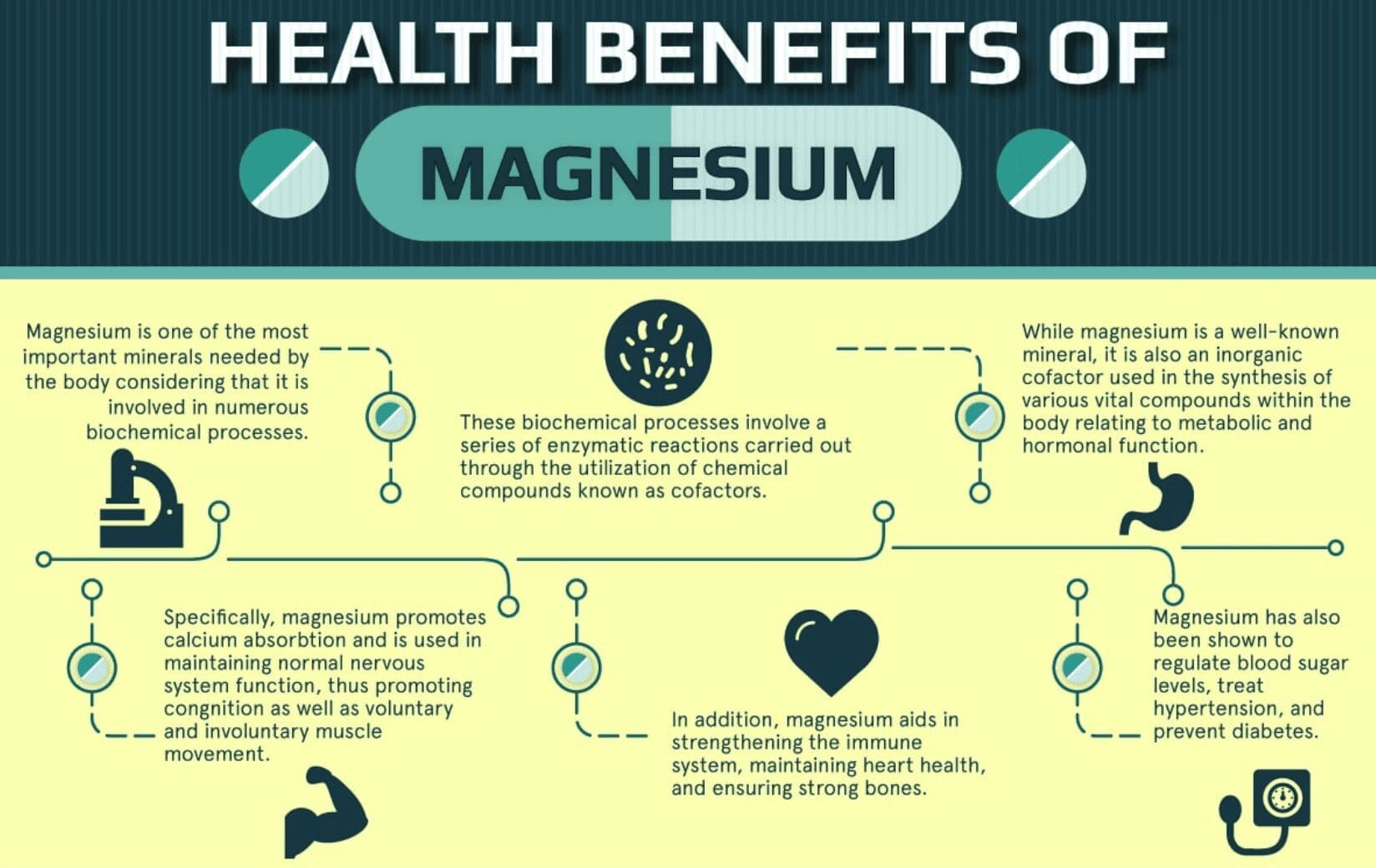
An estimated 80% of the population is deficient in magnesium, a mineral involved in over 300 enzymatic reactions in the body. When you recommend a magnesium supplement, the most important piece of advice you can give is to avoid magnesium oxide. This is the cheapest and most common form found in low-quality supplements, but its bioavailability is extremely poor (around 4%). The body barely absorbs it, and its primary effect is often as an osmotic laxative, which is not the therapeutic goal.
Instead, guide your patients toward chelated, more bioavailable forms that target specific needs:
- Magnesium Glycinate (or Bisglycinate): This form is magnesium bound to the amino acid glycine. Glycine itself has a calming effect on the nervous system. This makes magnesium glycinate a fantastic choice for improving sleep quality, reducing anxiety, and promoting relaxation, with minimal laxative effect. For patients struggling with sleep, which is critical for recovery and hormone regulation, this is a top-tier choice.
- Magnesium Citrate: This is magnesium bound to citric acid. It has good bioavailability and a mild osmotic laxative effect. This makes it an excellent choice for patients experiencing constipation from GLP-1 therapy. It gently draws water into the bowels, promoting peristalsis and keeping the digestive system moving.
- Magnesium L-Threonate: This newer, more specialized form of magnesium has been shown to cross the blood-brain barrier effectively. This unique property enables it to increase magnesium levels in the brain, which have been linked to improved cognitive function, memory, and learning. For patients reporting “brain fog” or seeking cognitive support, magnesium L-threonate is the premier option. It’s also beneficial for sleep.
It’s important not to confuse L-Threonate with L-Theanine. L-Theanine is an amino acid (commonly found in green tea) that is also excellent for promoting a state of calm, focused relaxation. Still, it is a different compound from magnesium L-threonate. A combination of magnesium L-threonate or glycinate with L-theanine can be a powerful synergy for sleep and stress reduction.
Creatine Monohydrate: More Than Just a Bodybuilding Supplement
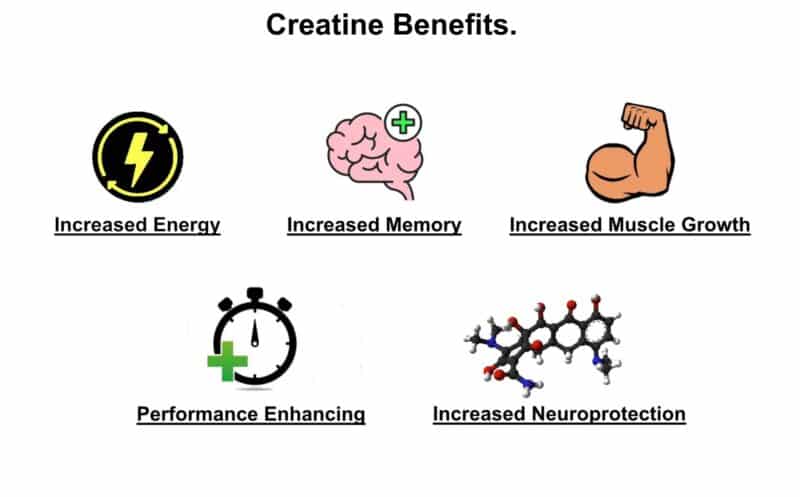 I was pleased to see so many hands go up when I asked who in the audience takes creatine. This is one of the most studied, safest, and most effective supplements available. For years, it was pigeonholed as a bodybuilding supplement. Still, modern research has revealed its profound benefits for muscle preservation, energy production, and cognitive health—making it an ideal adjunct for patients undergoing weight management.
How does creatine work?
Creatine is a naturally occurring compound synthesized in our bodies from three amino acids: arginine, glycine, and methionine. In the muscles, it is converted into phosphocreatine (PCr). Phosphocreatine serves as a rapid energy reserve. During short, intense bursts of effort (like lifting a weight or sprinting), ATP (adenosine triphosphate), the body’s energy currency, is broken down into ADP (adenosine diphosphate). Phosphocreatine quickly donates its phosphate group to ADP, regenerating ATP. This allows muscles to sustain high-power output for longer.
For a patient in a caloric deficit and engaged in resistance training, creatine supplementation helps them maintain their strength and performance in the gym, providing a stronger stimulus for muscle retention.
What about safety?
The old misnomer that creatine is harmful to the kidneys has been thoroughly debunked in numerous studies. For individuals with healthy, pre-existing kidney function, creatine monohydrate is exceptionally safe, even with long-term use. The caution applies only to individuals with significant pre-existing renal disease, for whom any additional kidney load should be carefully managed with their nephrologist.
The Cognitive Benefits of Creatine:
Just as our muscles use ATP for energy, so does our brain. The brain is an incredibly energy-demanding organ. Recent research has shown that, as in muscle, creatine acts as an energy buffer in the brain. Supplementation has been linked to improvements in working memory, processing speed, and overall cognitive function, especially under metabolically stressful conditions (such as sleep deprivation or a caloric deficit). This makes it a dual-purpose supplement that supports both the body and the mind. The recommended dose is simple: 3-5 grams of creatine monohydrate per day.
The Benefits of a Healthy Diet and Chiropractic Care-Video
Navigating the “Wild West” of the Supplement Industry
As GLP-1 agonists have surged in popularity, the supplement market has been flooded with products making misleading claims. It is our job to help our patients navigate this confusing landscape.
The supplement industry in the United States is regulated very differently from the pharmaceutical industry. It’s often called the “Wild, Wild West” for a reason. A company can put almost any claim on a supplement bottle as long as they include a tiny asterisk that leads to the disclaimer: “The Food and Drug Administration has not evaluated these statements. This product is not intended to diagnose, treat, cure, or prevent any disease.”
You will see bottles boldly proclaiming to be a “Natural GLP-1” or “Works Like Ozempic.” These are marketing ploys, not scientific facts. Teach your patients to be skeptical and to watch out for these red flags.
Let’s look at a few examples:
- Thermogenics: Supplements that claim to increase the body’s heat production (thermogenesis) to “burn more calories.” They often contain a cocktail of stimulants, such as caffeine, green tea extract, and capsaicin. When you look at the actual scientific literature, the vast majority of studies show a “small effect” or “no effect” on meaningful, long-term weight loss. The effect is statistically insignificant compared to diet and exercise.
- Appetite Suppressants: We hear about ingredients like Caralluma fimbriata, a type of cactus. Some small studies suggest it may reduce appetite, but the evidence is far from robust. It’s also important to investigate who funded the study. If the manufacturer supports a survey of a branded ingredient, the results should be interpreted with a healthy dose of skepticism. Another example is the saffron extract supplement line promoted by the Kardashians, which they market with GLP-1-like claims. The power of marketing is immense, but it doesn’t equate to efficacy.
The one ingredient in this category with strong evidence is fiber. Studies on fibers such as glucomannan consistently show significant reductions in BMI and fat mass. Why? Because, as we discussed, fiber promotes satiety, stabilizes blood sugar, and supports a healthy gut—all of which contribute to weight loss. The science is there.
- Gut Health and “GLP-1 Boosters”: A very popular and interesting area of research is the gut microbiome. One bacterium getting a lot of attention is Akkermansia muciniphila. This is a mucin-degrading bacterium that lives in the mucosal layer of our intestines. Its presence is associated with a lean phenotype and a healthy gut barrier. The theory is that supplementing with Akkermansia (now available as a probiotic) can improve the integrity of the gut lining. A healthy gut lining is crucial for overall health, as it prevents inflammatory molecules from leaking into the bloodstream (a condition known as “leaky gut” or increased intestinal permeability). The gut also produces its own GLP-1 in response to food, so improving gut health may indirectly support this system. This is a promising area, but it’s important to frame it correctly: it is about supporting foundational gut health, not a direct replacement for a powerful pharmaceutical agent.
When researching supplements for yourself or your patients, I highly recommend using Examine.com. It is an independent, unbiased database that collates and analyzes the entire body of scientific literature on thousands of different supplements and ingredients. You can type in “creatine,” for example, and it will show you a comprehensive summary of all the human studies, the level of evidence for each health outcome, and the effective dosages. It’s an invaluable tool for cutting through the marketing hype and finding what actually works.
Finally, always emphasize the importance of sourcing. Encourage patients to buy supplements from reputable companies that use third-party testing (e.g., NSF Certified for Sport, Informed-Choice) to verify product purity and potency and ensure they are free of contaminants.
Summary
This educational post has provided a comprehensive, evidence-based framework for supporting patients undergoing weight management, particularly those using GLP-1 receptor agonists. We moved beyond a simple pharmacological approach to build a holistic, lifestyle-centric model. We began by establishing the three non-negotiable pillars of sustainable success: prioritizing protein intake (1.2-1.6 g/kg/day) to combat sarcopenia, increasing dietary fiber (25-35g/day) for satiety and hormonal balance, and committing to resistance training to preserve metabolically active muscle mass. We explored the powerful Spillover Effect, in which small, consistent wins build psychological momentum for greater lifestyle changes. A key theme was re-framing “side effects” like muscle loss, nausea, and malnutrition not as problems, but as valuable biological signals that provide a window of opportunity for targeted intervention through diet, exercise, and supplementation.
We then took a deep dive into the physiology and clinical application of key supplements. We detailed the different forms of protein (whey, casein, plant-based, collagen) and their specific roles. We differentiated between the various forms of magnesium, highlighting the superiority of glycinate for sleep, citrate for motility, and L-threonate for cognitive function, while advising against the poorly absorbed oxide form. We also demystified creatine monohydrate, presenting robust evidence for its safety and dual benefits for muscle preservation and cognitive enhancement. Finally, we provided tools to evaluate the unregulated supplement market critically, warning against misleading “natural GLP-1” claims and emphasizing the importance of evidence-based resources like Examine.com and reputable sourcing with third-party testing.
Conclusion
The arrival of GLP-1 agonists has revolutionized our ability to treat obesity, but these powerful tools demand a more sophisticated level of clinical care. Simply prescribing a medication is no longer sufficient. Our responsibility as providers is to act as health architects, constructing a robust scaffolding of lifestyle support around the pharmacological intervention. By embracing the three pillars of protein, fiber, and resistance training, and by using targeted, evidence-based supplements like creatine and specific forms of magnesium, we can address the physiological challenges of rapid weight loss head-on. By interpreting side effects as actionable signals, we can proactively guide our patients and prevent complications such as sarcopenic obesity and nutrient deficiencies. This integrated approach ensures that our patients do not just lose weight, but emerge from their journey healthier, stronger, and more resilient, with the habits and knowledge to sustain their success for a lifetime.
Key Insights
- Side Effects as Messengers: Do not view side effects like nausea or muscle loss as mere adverse events. Re-frame them as biological signals that offer a “window of opportunity” to implement targeted lifestyle and nutritional interventions.
- The Three Foundational Pillars: Sustainable weight management, especially with GLP-1s, rests on three non-negotiables: high protein intake (1.2-1.6 g/kg/day), adequate fiber (25-35g/day), and consistent resistance training. These are essential for preserving muscle, managing hormones, and ensuring long-term metabolic health.
- Protein is Not One-Size-Fits-All: Understand the difference between protein types. Whey and casein are excellent for muscle synthesis and preservation. Collagen is for connective tissue, not muscle. Plant-based blends can be complete, but single sources often are not.
- Fiber’s Hidden Role: Beyond regularity, fiber is crucial for binding and eliminating excess estrogen released from fat cells during weight loss, thereby preventing water retention and hormonal imbalances that can stall progress.
- Supplement with Precision: Avoid generic recommendations. Guide patients away from ineffective forms such as magnesium oxide and toward targeted forms such as magnesium glycinate (sleep), citrate (motility), and L-threonate (cognition).
- Creatine is for Everyone: Creatine monohydrate is a safe, extensively studied, and highly effective supplement for preserving muscle, boosting energy (ATP regeneration), and enhancing cognitive function—making it ideal for anyone in a caloric deficit.
- Critical Evaluation is Key: The supplement market is filled with misleading claims. Teach patients to be skeptical of “natural GLP-1” mimics and to use unbiased resources like Examine.com to verify efficacy before wasting money on products with little to no scientific backing.
References:
- Antonio, J., Candow, D. G., Forbes, S. C., Gualano, B., Jagim, A. R., Kreider, R. B., … & Ziegenfuss, T. N. (2021). Common questions and misconceptions about creatine supplementation: what does the scientific evidence really show?. Journal of the International Society of Sports Nutrition, 18(1), 1-17. https://pubmed.ncbi.nlm.nih.gov/33557850/
- Cooke, M. B. (2011). Whey protein isolate and cognitive function in older adults: a randomised controlled trial. The journal of nutrition, health & aging, 15(7), 527-531.
- Boyle, N. B., Lawton, C., & Dye, L. (2017). The effects of magnesium supplementation on subjective anxiety and stress—a systematic review. Nutrients, 9(5), 429. https://pubmed.ncbi.nlm.nih.gov/28445426/
- Slavin, J. (2013). Fiber and prebiotics: mechanisms and health benefits. Nutrients, 5(4), 1417-1435. https://pubmed.ncbi.nlm.nih.gov/23609775/
- Hector, A. J., & Phillips, S. M. (2018). Protein recommendations for weight loss in elite athletes: A focus on body composition and performance. International journal of sport nutrition and exercise metabolism, 28(2), 170-177. https://pubmed.ncbi.nlm.nih.gov/29182451/
- Depoorter, G. H., & Moens, F. (2023). Akkermansia muciniphila-based therapeutic approaches in metabolic diseases. Gut Microbes, 15(1), 2202613.
- Onakpoya, I., Posadzki, P., & Ernst, E. (2014). The efficacy of Caralluma fimbriata for weight loss in overweight and obese individuals: a systematic review and meta-analysis. Complementary therapies in medicine, 22(1), 173-179.
Keywords:
Weight Loss, GLP-1 Agonists, Semaglutide, Tirzepatide, Protein Supplementation, Sarcopenia, Muscle Loss, Dietary Fiber, Resistance Training, Creatine Monohydrate, Magnesium, Gut Health, Akkermansia Muciniphila, Lifestyle Medicine, Evidence-Based Nutrition, Spillover Effect, Hormonal Balance, Functional Medicine.
Disclaimer: The information provided in this post is for educational and informational purposes only and is not intended as medical advice. The content is not a substitute for professional medical advice, diagnosis, or treatment. Always seek the advice of your physician or other qualified health provider with any questions you may have regarding a medical condition or before starting any new treatment, diet, or supplement regimen.
Disclaimer: All individuals must obtain recommendations for their personal health situations from their own medical providers. The health strategies and supplement recommendations discussed here may not be appropriate for everyone. They should be personalized by a qualified healthcare professional who is familiar with your individual medical history and health status.
Post Disclaimer
General Disclaimer, Licenses and Board Certifications *
Professional Scope of Practice *
The information herein on "Supplements Supporting Your Metabolic Health for Weight Loss" is not intended to replace a one-on-one relationship with a qualified health care professional or licensed physician and is not medical advice. We encourage you to make healthcare decisions based on your research and partnership with a qualified healthcare professional.
Blog Information & Scope Discussions
Welcome to El Paso's Premier Wellness and Injury Care Clinic & Wellness Blog, where Dr. Alex Jimenez, DC, FNP-C, a Multi-State board-certified Family Practice Nurse Practitioner (FNP-BC) and Chiropractor (DC), presents insights on how our multidisciplinary team is dedicated to holistic healing and personalized care. Our practice aligns with evidence-based treatment protocols inspired by integrative medicine principles, similar to those on this site and on our family practice-based chiromed.com site, focusing on naturally restoring health for patients of all ages.
Our areas of multidisciplinary practice include Wellness & Nutrition, Chronic Pain, Personal Injury, Auto Accident Care, Work Injuries, Back Injury, Low Back Pain, Neck Pain, Migraine Headaches, Sports Injuries, Severe Sciatica, Scoliosis, Complex Herniated Discs, Fibromyalgia, Chronic Pain, Complex Injuries, Stress Management, Functional Medicine Treatments, and in-scope care protocols.
Our information scope is multidisciplinary, focusing on musculoskeletal and physical medicine; wellness; contributing etiological viscerosomatic disturbances within clinical presentations; associated somato-visceral reflex clinical dynamics; subluxation complexes; sensitive health issues; and functional medicine articles, topics, and discussions.
We provide and present clinical collaboration with specialists from various disciplines. Each specialist follows their professional scope of practice and licensure jurisdiction. We use functional health & wellness protocols to treat and support care for musculoskeletal injuries or disorders.
Our videos, posts, topics, and insights address clinical matters and issues that directly or indirectly relate to our clinical scope of practice.
Our office has made a reasonable effort to provide supportive citations and has identified relevant research studies that support our posts. We provide copies of supporting research studies upon request to regulatory boards and the public.
For further discussion on how this information relates to specific care plans or treatment protocols, please ask Dr. Alex Jimenez, DC, APRN, FNP-BC, or contact us at 915-850-0900.
We are here to help you and your family.
Blessings
Dr. Alex Jimenez DC, MSACP, APRN, FNP-BC*, CCST, IFMCP, CFMP, ATN
Email: [email protected]
Multidisciplinary Licensing & Board Certifications:
Licensed as a Doctor of Chiropractic (DC) in Texas & New Mexico*
Chiropractic Licenses:
Texas DC License #: TX5807, Verified: TX5807
New Mexico DC License #: NM-DC2182, Verified: NM-DC2182
Nurse Practitioner Licenses:
Texas APRN License #: 1191402, Verified: 1191402 *
New Mexico CNP License #: 90560, Verified 90560
Florida APRN License #: 11043890, Verified: APRN11043890 *
Colorado License #: C-APN.0105610-C-NP, Verified: C-APN.0105610-C-NP
New York License #: N25929, Verified N25929
Georgia APRN License #: GAA-NP005701
Multi-State Advanced Practice Registered Nurse (APRN*) Texas & Multi-States
Multi-state Compact APRN License by Endorsement (43 States)
Compact Status: Multi-State License: Authorized to Practice in 43 States*
Nursing Licensure Compact: Updated Here
DEA Registration: (Drug Enforcement Agency Registered)
All medical (MDs) and family practice providers (FNP-APRN) are registered and licensed to offer various levels of medication.
Verify Providers' DEA Registration Here
License Verification Link: Nursys License Verifier
* Prescriptive Authority Authorized (DEA Registered Providers). Call if Required
Board Certification:
ANCC FNP-BC: Board Certified Nurse Practitioner*
Education:
Graduate with Honors: ICHS: MSN-FNP (Family Nurse Practitioner Program)
Degree Granted. Master's in Family Practice, MSN Diploma (Cum Laude)
Dr. Alex Jimenez, DC, APRN, FNP-BC*, CFMP, IFMCP, ATN, CCST
(Board Certified: Family Practice Nurse Practitioner—Multistate)*
(Licensed Nurse Practitioner & Chiropractor - Multistate)*
Clinical Director
DC & FNP License (Review Above)
Digital Business Card
NPI: 1205907805
Dr. Maria Cardenas, MD
(Board Certified: Internal Medicine)
(Licensed Medical Doctor)
Medical Director, Clinical Director & Collaborative Physician
NPI # 1164426748
MD License #: J2933
Licenses and Board Certifications:
MD: Medical Doctor
DC: Doctor of Chiropractic
APRNP: Advanced Practice Registered Nurse
FNP-BC: Family Practice Specialization (Multi-State Board Certified)
FNP-BC: Family Practice Across Life Span (Neonatal to Geriatrics)
RN: Registered Nurse (Multi-State Compact License)
CFMP: Certified Functional Medicine Provider
MSN-FNP: Master of Science in Family Practice Medicine
MSACP: Master of Science in Advanced Clinical Practice
IFMCP: Institute of Functional Medicine
CCST: Certified Chiropractic Spinal Trauma
ATN: Advanced Translational Neutrogenomics
Family with Primary Care Focus (Family Nurse Practitioner or FNP)
- The Family Nurse Practitioner (FNP) promotes, maintains, and restores health for individuals and families across the lifespan. FNPs also identify health risks, promote wellness, and diagnose and manage acute and chronic illness.
- The FNP focuses on comprehensive primary care, promoting healthy lifestyles for patients across the lifespan in settings such as private practice, physician offices, and community health centers.
Memberships & Associations:
TCA: Texas Chiropractic Association: Member ID: 104311
TNA: Texas Nurse Association: Member ID: 06458222
TNP: Texas Nurse Practitioner Association ID: 2025091511
AANP: American Association of Nurse Practitioners: Member ID: 2198960
ANA: American Nurses Association: Member ID: 06458222 (District TX01)
| Primary Taxonomy | Selected Taxonomy | State | License Number |
|---|---|---|---|
| No | 111N00000X - Chiropractor | NM | DC2182 |
| Yes | 111N00000X - Chiropractor | TX | DC5807 |
| Yes | 363LF0000X - Nurse Practitioner - Family | TX | 1191402 |
| Yes | 363LF0000X - Nurse Practitioner - Family | FL | 11043890 |
| Yes | 363LF0000X - Nurse Practitioner - Family | CO | C-APN.0105610-C-NP |
| Yes | 363LF0000X - Nurse Practitioner - Family | NY | N25929 |
| Yes | 363LF0000X - Nurse Practitioner - Family | NM |
90560 |
| Yes | 363LF0000X - Nurse Practitioner - Family | GA | GAA-NP005701 |
Dr. Alex Jimenez, DC, APRN, FNP-BC*, CFMP, IFMCP, ATN, CCST
(Board Certified: Family Practice Nurse Practitioner—Multistate)*
(Primary Care Across Lifespan—Neonatal / Pediatric / Adult / Geriatrics)
(Licensed Nurse Practitioner & Chiropractor - Multistate)*
Clinical Director
Digital Business Card
NPI: 1205907805
Dr. Maria Cardenas, MD
(Board Certified: Internal Medicine)*
(Licensed Medical Doctor)*
Medical Director, Clinical Director & Collaborative Physician
NPI # 1164426748
MD License #: J2933
📆 Schedule Appointment: Schedule 24/7 (Click Here)