

Table of Contents
Ketogenic Diet in 2026: A Practical, Evidence-Based Guide for Metabolic Health, Seizure Support, and Smart Weight Loss
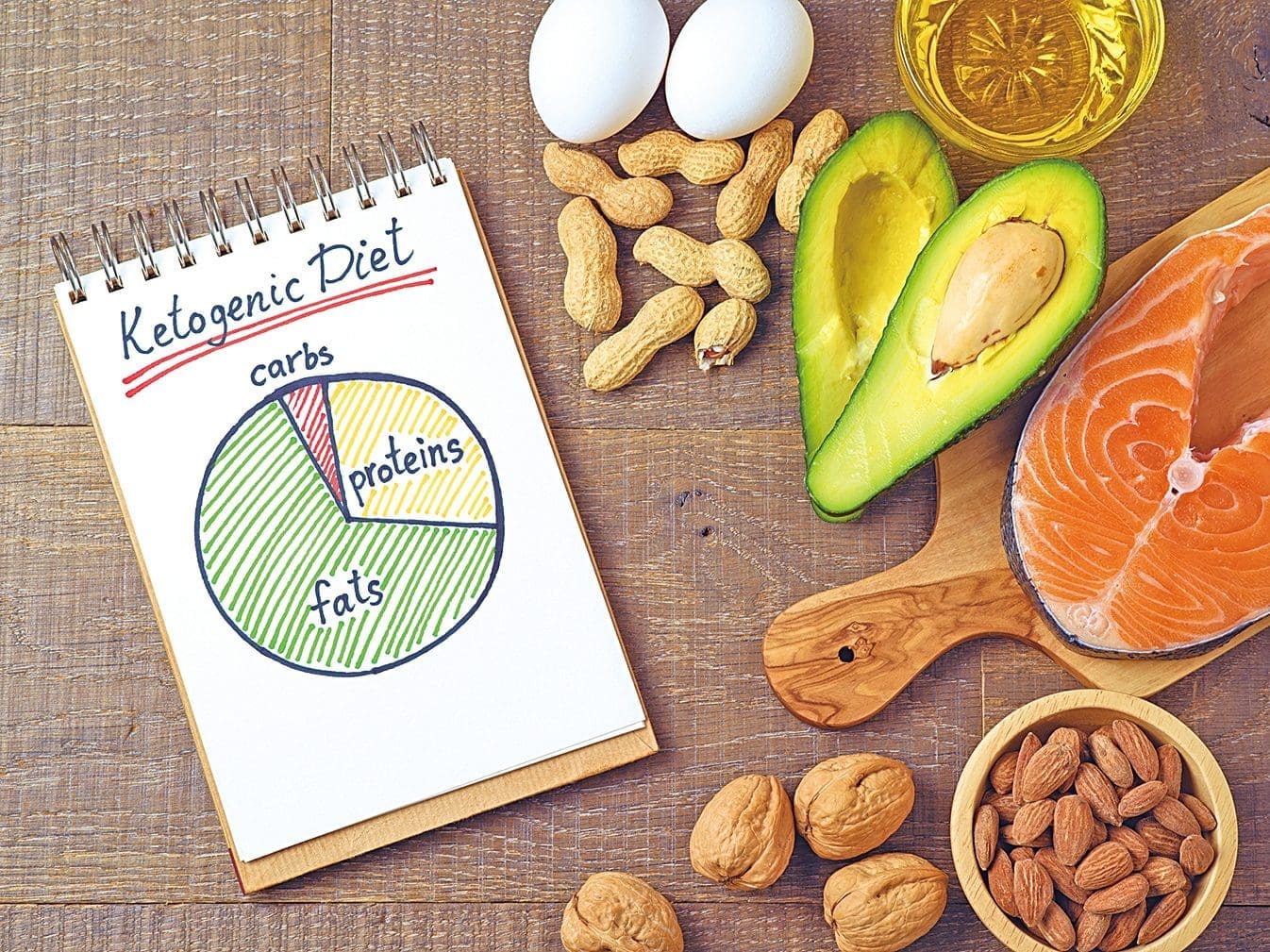
In 2026, the ketogenic (“keto”) diet remains one of the most discussed nutrition plans in health care—but the conversation has changed. Keto is no longer treated like a quick internet trick. Instead, it is increasingly viewed as a strict, therapeutic nutrition strategy that can help specific goals when used correctly, monitored carefully, and matched to the right person.
Today, keto is most respected for three big reasons:
-
Epilepsy support (especially for hard-to-control seizures, under clinical supervision)
-
Type 2 diabetes and insulin resistance support (often improving blood sugar markers in some people)
-
Short-term weight loss (often effective in the first weeks to months)
At the same time, keto is still debated for long-term cardiovascular impact. Some people see improvements in triglycerides and HDL (“good cholesterol”), while others see LDL (“bad cholesterol”) rise—especially when the diet is heavy in saturated fats and low in fiber-rich foods. That’s why in 2026, the best practice is personalized keto with high-quality fats, enough protein, fiber planning, and lab monitoring. (Harvard Health Publishing, n.d.; Hyde et al., 2022)
At dralexjimenez.com, the focus is not “diet hype.” The goal is outcomes: healthier metabolism, better function, improved energy, and safer long-term habits. In Dr. Alexander Jimenez’s integrative model (DC, APRN, FNP-BC), nutrition strategies work best when they are paired with:
-
clinical oversight (especially for blood sugar, lipids, and medication safety)
-
movement-friendly recovery (joint and spine function that helps patients stay active)
-
nervous system and stress support (because stress and pain can derail any diet)
This article rewrites the keto discussion for 2026 with a practical, clinic-ready approach—so patients can understand what keto is good for, what the risks are, and how to implement it safely.
What “keto” means in plain language
A ketogenic diet is a very low-carb, higher-fat, and moderate-protein eating plan designed to shift the body into nutritional ketosis. Ketosis means the body is making ketones (from fat) that can be used as an energy source when carbs are low. (StatPearls, 2024)
Nutritional ketosis is not diabetic ketoacidosis (DKA)
This confusion is common and important. Nutritional ketosis is usually a controlled metabolic state caused by diet. Diabetic ketoacidosis is a dangerous emergency typically associated with insulin deficiency (more common in type 1 diabetes) and high blood sugar. They are not in the same condition. (StatPearls, 2024; Munro et al., 2014)
Why keto is still relevant in 2026 (and why it’s no longer treated as a “fad”)
Keto has staying power because it can produce real, measurable changes—especially early on. But in 2026, the smarter clinical message is:
Keto is a tool, not a lifestyle requirement.
Keto can be helpful when used for a clear reason and monitored as a therapy.
The top 3 evidence-based reasons keto remains relevant
1) Epilepsy: Keto is a recognized medical nutrition therapy
Keto has been used for years in seizure care and remains a clinical option for certain patients, especially when seizures are difficult to control. Major health systems describe keto as a therapeutic tool—not casual dieting. (Northwestern Medicine, n.d.; Franciscan Health, n.d.; UC Davis Health, 2023)
Clinical reality:
Epilepsy-focused keto usually involves supervision and structured planning—often with a care team. (Northwestern Medicine, n.d.; Children’s Hospital of Philadelphia, n.d.)
2) Type 2 diabetes and insulin resistance: keto can improve blood sugar markers for some people
In 2026, keto remains widely used for metabolic goals. Some patients see improved insulin sensitivity, lower A1C, and reduced sugar cravings—especially early on. But results vary, and medication safety is critical. (Houston Methodist, 2024; Hyde et al., 2022)
Important: If a person takes insulin or certain diabetes medications, carbohydrate restriction can increase the risk of hypoglycemia unless dosing is adjusted by a qualified clinician. (StatPearls, 2024)
3) Short-term weight loss: keto often works fast, but long-term plans matter more
Keto often produces rapid early weight change. Some of that is water weight, but many people also naturally reduce calorie intake as their appetite drops and food choices become simpler. Still, weight loss should never be judged alone—labs, sleep, strength, and sustainability matter. (UC Davis Health, 2025; Harvard Health Publishing, n.d.)
Keto and heart health: the biggest debate in 2026
The most responsible keto conversation in 2026 includes a clear warning:
Some people’s LDL cholesterol rises on keto, especially when saturated fat is high and fiber is low.
Harvard Health sources highlight that keto can raise LDL cholesterol and may increase heart disease risk in some individuals, depending on food quality and personal factors. (Harvard Health Publishing, n.d.)
A large review of randomized trials and meta-analyses shows a common pattern:
-
triglycerides often decrease
-
HDL often increases
-
LDL can rise in some groups (and not everyone responds the same way) (Hyde et al., 2022)
Why the “type of keto” matters more than the label
Two people can both say, “I do keto,” but their diets may be completely different:
A more heart-aware keto pattern often emphasizes:
-
olive oil, avocado, nuts, seeds
-
fish and omega-3-rich foods
-
high-fiber, low-carb vegetables
-
minimally processed proteins
A higher-risk “junk keto” pattern often includes:
-
heavy processed meats
-
frequent butter/cream-based meals
-
low fiber and low plant variety
-
packaged “keto snacks” as daily staples
This is why keto should be designed around fat quality and fiber strategy, not just carb numbers. (Harvard Health Publishing, n.d.; Northwestern Medicine, n.d.)
Newer concerns in 2026: long-term strict keto and “cell aging” signals
In 2026, keto is also being discussed through a newer research lens: what happens with long-term, continuous ketogenic dieting in normal tissues. A UT Health San Antonio–led report describes research suggesting that a long-term ketogenic diet may increase markers of cellular senescence (“aged cells”) across multiple organs, and explores whether diet breaks may alter this effect. (UT Health San Antonio, 2024)
How to use this information responsibly:
-
It does not mean “keto is always harmful.”
-
It does suggest that continuous strict keto for long periods should be approached thoughtfully.
-
It supports the 2026 trend toward personalized, monitored, and sometimes cyclical approaches. (UT Health San Antonio, 2024)
Mental health and cognition: more research in 2026, but careful messaging
Keto is increasingly studied for mental health and brain-related conditions—especially where metabolic dysfunction may be part of the story.
-
Stanford Medicine reported pilot research where participants with serious mental illness experienced metabolic improvements and reported improvements in areas like energy, sleep, and mood. (Stanford Medicine, 2024)
-
A February 5, 2026, WBUR segment discussed research suggesting ketogenic dieting may help depression symptoms in some participants, while emphasizing this is still emerging and not a universal recommendation. (WBUR, 2026)
The safe, clinical way to frame keto for mental wellness
Keto may be a supportive tool for some people, but it should be treated as:
-
an adjunct (a supportive strategy), not a stand-alone cure
-
used carefully in people with anxiety around food, disordered eating patterns, or complex medical histories
-
coordinated with appropriate mental health care (Stanford Medicine, 2024; WBUR, 2026)
Athletic performance in 2026: why results are mixed
Many people report steadier energy on a keto diet, and some endurance athletes experiment with fat adaptation. But performance outcomes vary widely, especially for high-intensity efforts that rely on carbohydrates.
In 2026, “performance keto” is usually more personalized and periodized, such as:
-
targeted carbs around training (for some athletes)
-
planned refeed periods
-
stronger electrolyte planning
-
careful protein intake to protect lean mass (StatPearls, 2024; UC Davis Health, 2025)
The 2026 “smart keto” method: safer, more personalized, more sustainable
At dralexjimenez.com, keto is most effective when it supports function, recovery, and long-term metabolic stability—not when it becomes extreme or rigid.
What “smart keto” includes in 2026
-
A clear goal (seizure support, metabolic improvement, weight loss phase)
-
A defined timeframe (example: 6–12 weeks before reassessment)
-
Lab monitoring (lipids, A1C, kidney/liver markers when appropriate)
-
High-quality fats (more unsaturated fats, fewer processed fats)
-
Protein planning (enough to protect muscle, especially during weight loss)
-
Fiber strategy (low-carb vegetables, seeds, and gut-supportive planning)
-
Electrolytes/hydration (especially early on) (Harvard Health Publishing, n.d.; StatPearls, 2024)
Common early side effects (and why they happen)
Early keto adaptation can include:
-
headache, fatigue, fogginess
-
constipation
-
cramps
-
lightheadedness
Often, these relate to fluid shifts and electrolytes when carbs drop. A clinician-guided plan helps people adjust safely. (StatPearls, 2024; UC Davis Health, 2025)
Who should avoid keto, or only do it with close supervision
Keto is not for everyone. Clinical education resources emphasize screening for contraindications and careful monitoring. (StatPearls, 2024)
People who often need extra caution include:
-
those on insulin or sulfonylureas (hypoglycemia risk)
-
people with high cardiovascular risk or large LDL increases on keto
-
individuals with a history of disordered eating
-
those with certain kidney, liver, pancreas, or gallbladder issues (case-by-case)
-
pregnancy or breastfeeding (only under appropriate medical guidance) (Harvard Health Publishing, n.d.; StatPearls, 2024)
Why integrative care improves keto outcomes: NP + chiropractic support
A key clinical observation in integrative settings is that nutrition plans are less likely to fail when the body feels better. Chronic pain, poor sleep, and limited mobility can sabotage diet adherence even when motivation is high.
The Nurse Practitioner role: metabolic safety and personalization
In a structured care model, the NP supports:
-
screening and risk assessment
-
medication safety (especially diabetes meds)
-
lab interpretation and monitoring
-
adjusting the plan when lipids or symptoms shift
-
building a long-term exit strategy so results hold (StatPearls, 2024; AANP, n.d.)
The chiropractic role: movement capacity, recovery, and stress support
From a functional standpoint, chiropractic care may help support:
-
improved joint motion and movement confidence
-
better tolerance for walking, training, and daily activity
-
reduced pain-related stress cycles that drive cravings and poor sleep
In Dr. Jimenez’s integrative clinical approach, nutrition isn’t treated as separate from musculoskeletal and nervous system function. It’s one system. When movement improves and pain decreases, many people become more consistent with exercise and daily healthy routines, which makes any nutrition strategy work better over time. (Dr. Jimenez’s clinical education resources, n.d.)
(Note: chiropractic care is not presented as a “fat loss cure.” It is presented as supportive care that helps patients stay active and recover, which improves adherence and long-term outcomes.)
A practical “keto clinic checklist” for 2026
If you’re using keto as a therapeutic tool, this checklist supports safer implementation:
Before starting
-
clarify your main goal (weight loss phase, metabolic markers, therapeutic need)
-
review medications and medical history
-
consider baseline labs:
-
A1C/fasting glucose
-
lipid panel (and ApoB if available)
-
kidney and liver markers (when appropriate)
-
-
discuss the plan and timeframe with your clinician (Harvard Health Publishing, n.d.; StatPearls, 2024)
Weeks 1–4
-
build an electrolyte/hydration plan
-
plan fiber and gut support
-
keep protein adequate
-
track:
-
energy
-
sleep
-
bowel habits
-
cravings
-
training tolerance (UC Davis Health, 2025; StatPearls, 2024)
-
Weeks 6–12
-
reassess outcomes:
-
weight and waist measures
-
blood pressure (when tracked)
-
symptom changes
-
labs if indicated
-
-
decide:
-
continue
-
modify fats/fiber
-
transition to a less strict low-carb plan
-
cycle keto strategically (Harvard Health Publishing, n.d.; UT Health San Antonio, 2024)
-
The bottom line for 2026
In 2026, keto has moved from a trend to a recognized therapy for specific goals—especially epilepsy, metabolic health, and short-term weight loss. It is also being explored for mental health and brain function, but claims must remain careful because the science is still evolving. (Stanford Medicine, 2024; WBUR, 2026)
The biggest long-term debate remains cardiovascular impact. That debate is why personalization matters so much—especially fat quality, fiber planning, and lab monitoring. (Harvard Health Publishing, n.d.; Hyde et al., 2022)
Finally, keto works best when it is done with support. In an integrative care model—as the one emphasized through educational content at dralexjimenez.com—patients often do better when a nutrition strategy is paired with:
-
NP oversight for labs, risk, and medication safety
-
chiropractic support for mobility, recovery, and consistent activity
-
a realistic long-term plan that protects heart health and helps results last (StatPearls, 2024; Harvard Health Publishing, n.d.)
References
-
Nurse practitioners exploring obesity treatments in endocrinology (American Association of Nurse Practitioners).
-
Brandon’s story: Ketogenic diet “cures” myoclonic atonic epilepsy (Children’s Hospital of Philadelphia).
-
Is keto healthy? (Houston Methodist).
-
Pros and cons of ketogenic diet (Northwestern Medicine).
-
Should you try the keto diet? (Harvard Health Publishing).
-
Pilot study shows ketogenic diet improves severe mental illness (Stanford Medicine).
-
A long-term ketogenic diet accumulates aged cells in normal tissues, a UT Health San Antonio-led study shows (UT Health San Antonio).
-
Study finds people with depression can benefit from following a ketogenic diet (WBUR Here & Now).
-
What is the keto diet and can it be beneficial for you? (UC Davis Health).
-
Hyde, P. N., Sapper, T. N., Crabtree, C. D., LaFountain, R. A., Bowling, M. L., Buga, A., Fell, B., McSwiney, F. T., Dickerson, R. M., Miller, V. J., & Kraemer, W. J. (2022). Dietary carbohydrate restriction improves metabolic syndrome independent of weight loss: A systematic review and meta-analysis. Frontiers in Nutrition. Full text
-
Munro, J. F., Campbell, I. W., McCuish, A. C., & Duncan, L. J. P. (2014). Euglycaemic diabetic ketoacidosis. BMJ. Full text
-
The ketogenic diet: Clinical applications, evidence-based practice (StatPearls).
Post Disclaimer
General Disclaimer, Licenses and Board Certifications *
Professional Scope of Practice *
The information herein on "Ketogenic Diet in 2026: Evidence-Based Insights Today" is not intended to replace a one-on-one relationship with a qualified health care professional or licensed physician and is not medical advice. We encourage you to make healthcare decisions based on your research and partnership with a qualified healthcare professional.
Blog Information & Scope Discussions
Welcome to El Paso's Premier Wellness and Injury Care Clinic & Wellness Blog, where Dr. Alex Jimenez, DC, FNP-C, a Multi-State board-certified Family Practice Nurse Practitioner (FNP-BC) and Chiropractor (DC), presents insights on how our multidisciplinary team is dedicated to holistic healing and personalized care. Our practice aligns with evidence-based treatment protocols inspired by integrative medicine principles, similar to those on this site and on our family practice-based chiromed.com site, focusing on naturally restoring health for patients of all ages.
Our areas of multidisciplinary practice include Wellness & Nutrition, Chronic Pain, Personal Injury, Auto Accident Care, Work Injuries, Back Injury, Low Back Pain, Neck Pain, Migraine Headaches, Sports Injuries, Severe Sciatica, Scoliosis, Complex Herniated Discs, Fibromyalgia, Chronic Pain, Complex Injuries, Stress Management, Functional Medicine Treatments, and in-scope care protocols.
Our information scope is multidisciplinary, focusing on musculoskeletal and physical medicine; wellness; contributing etiological viscerosomatic disturbances within clinical presentations; associated somato-visceral reflex clinical dynamics; subluxation complexes; sensitive health issues; and functional medicine articles, topics, and discussions.
We provide and present clinical collaboration with specialists from various disciplines. Each specialist follows their professional scope of practice and licensure jurisdiction. We use functional health & wellness protocols to treat and support care for musculoskeletal injuries or disorders.
Our videos, posts, topics, and insights address clinical matters and issues that directly or indirectly relate to our clinical scope of practice.
Our office has made a reasonable effort to provide supportive citations and has identified relevant research studies that support our posts. We provide copies of supporting research studies upon request to regulatory boards and the public.
For further discussion on how this information relates to specific care plans or treatment protocols, please ask Dr. Alex Jimenez, DC, APRN, FNP-BC, or contact us at 915-850-0900.
We are here to help you and your family.
Blessings
Dr. Alex Jimenez DC, MSACP, APRN, FNP-BC*, CCST, IFMCP, CFMP, ATN
Email: [email protected]
Multidisciplinary Licensing & Board Certifications:
Licensed as a Doctor of Chiropractic (DC) in Texas & New Mexico*
Chiropractic Licenses:
Texas DC License #: TX5807, Verified: TX5807
New Mexico DC License #: NM-DC2182, Verified: NM-DC2182
Nurse Practitioner Licenses:
Texas APRN License #: 1191402, Verified: 1191402 *
New Mexico CNP License #: 90560, Verified 90560
Florida APRN License #: 11043890, Verified: APRN11043890 *
Colorado License #: C-APN.0105610-C-NP, Verified: C-APN.0105610-C-NP
New York License #: N25929, Verified N25929
Georgia APRN License #: GAA-NP005701
Multi-State Advanced Practice Registered Nurse (APRN*) Texas & Multi-States
Multi-state Compact APRN License by Endorsement (43 States)
Compact Status: Multi-State License: Authorized to Practice in 43 States*
Nursing Licensure Compact: Updated Here
DEA Registration: (Drug Enforcement Agency Registered)
All medical (MDs) and family practice providers (FNP-APRN) are registered and licensed to offer various levels of medication.
Verify Providers' DEA Registration Here
License Verification Link: Nursys License Verifier
* Prescriptive Authority Authorized (DEA Registered Providers). Call if Required
Board Certification:
ANCC FNP-BC: Board Certified Nurse Practitioner*
Education:
Graduate with Honors: ICHS: MSN-FNP (Family Nurse Practitioner Program)
Degree Granted. Master's in Family Practice, MSN Diploma (Cum Laude)
Dr. Alex Jimenez, DC, APRN, FNP-BC*, CFMP, IFMCP, ATN, CCST
(Board Certified: Family Practice Nurse Practitioner—Multistate)*
(Licensed Nurse Practitioner & Chiropractor - Multistate)*
Clinical Director
DC & FNP License (Review Above)
Digital Business Card
NPI: 1205907805
Dr. Maria Cardenas, MD
(Board Certified: Internal Medicine)
(Licensed Medical Doctor)
Medical Director, Clinical Director & Collaborative Physician
NPI # 1164426748
MD License #: J2933
Licenses and Board Certifications:
MD: Medical Doctor
DC: Doctor of Chiropractic
APRNP: Advanced Practice Registered Nurse
FNP-BC: Family Practice Specialization (Multi-State Board Certified)
FNP-BC: Family Practice Across Life Span (Neonatal to Geriatrics)
RN: Registered Nurse (Multi-State Compact License)
CFMP: Certified Functional Medicine Provider
MSN-FNP: Master of Science in Family Practice Medicine
MSACP: Master of Science in Advanced Clinical Practice
IFMCP: Institute of Functional Medicine
CCST: Certified Chiropractic Spinal Trauma
ATN: Advanced Translational Neutrogenomics
Family with Primary Care Focus (Family Nurse Practitioner or FNP)
- The Family Nurse Practitioner (FNP) promotes, maintains, and restores health for individuals and families across the lifespan. FNPs also identify health risks, promote wellness, and diagnose and manage acute and chronic illness.
- The FNP focuses on comprehensive primary care, promoting healthy lifestyles for patients across the lifespan in settings such as private practice, physician offices, and community health centers.
Memberships & Associations:
TCA: Texas Chiropractic Association: Member ID: 104311
TNA: Texas Nurse Association: Member ID: 06458222
TNP: Texas Nurse Practitioner Association ID: 2025091511
AANP: American Association of Nurse Practitioners: Member ID: 2198960
ANA: American Nurses Association: Member ID: 06458222 (District TX01)
| Primary Taxonomy | Selected Taxonomy | State | License Number |
|---|---|---|---|
| No | 111N00000X - Chiropractor | NM | DC2182 |
| Yes | 111N00000X - Chiropractor | TX | DC5807 |
| Yes | 363LF0000X - Nurse Practitioner - Family | TX | 1191402 |
| Yes | 363LF0000X - Nurse Practitioner - Family | FL | 11043890 |
| Yes | 363LF0000X - Nurse Practitioner - Family | CO | C-APN.0105610-C-NP |
| Yes | 363LF0000X - Nurse Practitioner - Family | NY | N25929 |
| Yes | 363LF0000X - Nurse Practitioner - Family | NM |
90560 |
| Yes | 363LF0000X - Nurse Practitioner - Family | GA | GAA-NP005701 |
Dr. Alex Jimenez, DC, APRN, FNP-BC*, CFMP, IFMCP, ATN, CCST
(Board Certified: Family Practice Nurse Practitioner—Multistate)*
(Primary Care Across Lifespan—Neonatal / Pediatric / Adult / Geriatrics)
(Licensed Nurse Practitioner & Chiropractor - Multistate)*
Clinical Director
Digital Business Card
NPI: 1205907805
Dr. Maria Cardenas, MD
(Board Certified: Internal Medicine)*
(Licensed Medical Doctor)*
Medical Director, Clinical Director & Collaborative Physician
NPI # 1164426748
MD License #: J2933
📆 Schedule Appointment: Schedule 24/7 (Click Here)