

Enhance your vitality with Neuro-Metabolic Strategies designed to support overall wellness and performance.
Table of Contents
Introduction
As a clinician working at the intersection of chiropractic medicine and advanced practice nursing, I regularly see the profound ripple effects of metabolic health on mood, motivation, cognition, and behavior. In this educational post, I present a coherent, first-person synthesis of modern, evidence-based findings on obesity, neurobiology of reward, serotonergic and dopaminergic signaling, autonomic regulation, and practical clinical protocols tailored for patient-centered care. I aim to transform fragmented notes and shorthand into a comprehensive narrative that connects physiology to actionable strategies. Drawing on leading research in neuroendocrinology, psychoneuroimmunology, and metabolism, I discuss how obesity alters the brain’s striatum dopamine receptors, how serotonin intersects with mood, appetite, and motivation, and how inflammation and gut-brain signaling can modulate reward processing and decision-making. I also translate abbreviations and terms into clinically meaningful frameworks, covering autonomic balance (sympathetic/parasympathetic), blood pressure regulation, baroreflex function, stress modulation, sleep architecture, and nutritional interventions, including evidence-informed approaches to alcohol selection and metabolic tradeoffs.
I detail why certain protocols—such as dopamine-sparing lifestyles, protein-forward nutrition, fiber and polyphenols, structured resistance training, sleep regularity, and mindfulness-based stress reduction—help recalibrate reward circuitry and support sustainable behavioral change. I explain how TAAR1 (Trace Amine-Associated Receptor 1) and other neuromodulatory pathways can influence impulsivity, reinforcement learning, and craving. I clarify serotonin’s biosynthesis and catabolic pathways, address the roles of tryptophan, IDO (indoleamine 2,3-dioxygenase), kynurenine, and quinolinic acid, and explore how systemic inflammation diverts tryptophan away from serotonin toward neuroactive metabolites that may aggravate fatigue and anhedonia.
Throughout, I highlight the clinical significance of integrating data-driven monitoring—including heart rate variability (HRV), blood pressure, fasting glucose, and subjective craving indices—to tailor interventions. I present modern habit design and self-led programs for job performance, stress resilience, and adherence to health behaviors, using cognitive-behavioral strategies, implementation intentions, and reward substitution. I discuss gland-regulating oils (interpreted here as evidence-based nutraceuticals and botanical adjuncts) within the constraints of current research and safety profiles. I offer practical algorithms for individuals seeking low-sugar, low-additive beverage choices, while clarifying the physiological and behavioral considerations underlying alcohol consumption choices, including caloric load, carbohydrate content, and sleep and recovery impacts.
In the sections that follow, I provide a detailed narrative of the physiology and clinical reasoning underlying each concept. I emphasize why each technique is used and how it fits into a comprehensive plan that respects bioindividuality. I showcase contributions from leading researchers using modern methods—neuroimaging, metabolomics, randomized trials, and systematic reviews—so that you can see the chain of logic from mechanism to practice. My purpose is educational, not prescriptive: I want you to understand the landscape of neuro-metabolic health and to discuss any application of these ideas with your own medical providers.
Neuro-Metabolic Foundations: Obesity, Dopamine, and Reward Circuitry
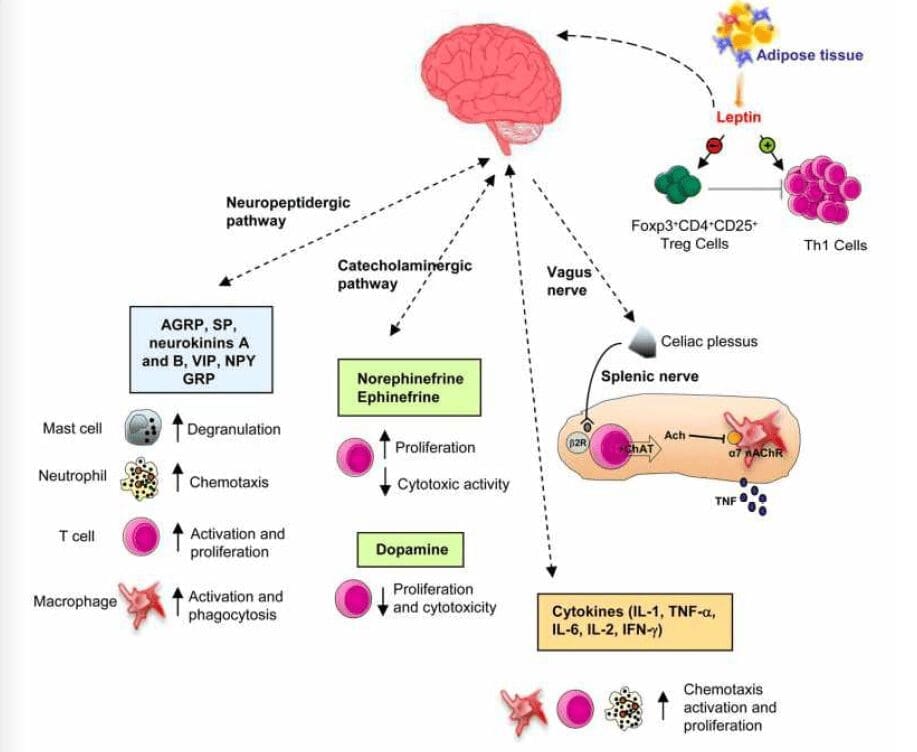 In my clinical practice, I routinely witness how obesity is not just a matter of excess calories; it is a complex neuro-metabolic condition intricately linked to the brain’s reward circuitry, especially within the striatum. Modern neuroimaging studies have shown that individuals with obesity can exhibit decreased availability of dopamine D2/D3 receptors in the striatum. This receptor downregulation is not simply an outcome of overeating—it’s part of a feedback loop that alters the salience of rewards, making hyperpalatable foods more compelling while diminishing sensitivity to natural rewards like social engagement, sunlight, and movement.
- Key concept: Dopamine receptor availability in the nucleus accumbens and dorsal striatum correlates with reward valuation and habit formation.
- Physiological mechanism: With lower D2/D3 receptor density, the brain may require greater stimuli—more sugar, more fat, larger portions—to achieve the same subjective reward. This can fuel habitual eating and craving cycles.
- Clinical implications: Treatment must address both metabolic drivers (insulin resistance, inflammation) and neurobehavioral loops (compulsive patterns, low motivation), rather than focusing solely on calories.
I explain this to patients because understanding the brain’s role removes moral judgment and supports a more compassionate, strategic plan. Interventions that increase dopamine tone without over-stimulating reward pathways—such as exercise, novelty within healthy routines, purpose-driven goals, and sleep optimization—can help re-sensitize the system.
Serotonin, Tryptophan, and the Inflammation-Kynurenine Axis
Patients often ask about serotonin, and I clarify that it is synthesized from the amino acid tryptophan via tryptophan hydroxylase to 5-HTP, which is then converted to serotonin (5-HT). Under inflammatory conditions, tryptophan can be diverted away from serotonin toward the kynurenine pathway via indoleamine 2,3-dioxygenase (IDO) and tryptophan 2,3-dioxygenase (TDO). This shift increases kynurenine production, which is further metabolized into compounds such as quinolinic acid (an NMDA agonist) and kynurenic acid (an NMDA antagonist). The balance of these metabolites may influence neurotoxicity, fatigue, cognitive fog, and depressed mood.
- Key term: IDO activation—often driven by pro-inflammatory cytokines (e.g., IFN-γ)—reduces serotonin availability.
- Clinical reasoning: When patients experience anhedonia and low energy, alongside metabolic syndrome, the tryptophan-kynurenine shift may be part of the picture.
- Practice approach: Reduce inflammation via nutritional anti-inflammatory strategies (omega-3s, polyphenols), sleep regularity, stress reduction, and physical activity, thereby indirectly supporting serotonin availability.
This framework helps patients connect symptoms—like craving, low mood, and fatigue—to a rational physiological pathway, increasing confidence in non-pharmacologic strategies that can complement medical care.
The Role of TAAR1 and Trace Amines in Modulating Reward and Impulsivity
The Trace Amine-Associated Receptor 1 (TAAR1) is a G-protein-coupled receptor responsive to endogenous trace amines (e.g., tyramine, octopamine) and can modulate dopaminergic and serotonergic neurotransmission. Preclinical and emerging human data suggest TAAR1 activity can influence impulsivity, reinforcement learning, and drug-seeking behavior. In the context of obesity and compulsive eating:
- TAAR1 activation may dampen hyperdopaminergic signaling in critical circuits, potentially reducing compulsive reward pursuit.
- It can interact with monoamine transporters, affecting presynaptic tone and synaptic availability.
- Clinical perspective: While TAAR1-targeted pharmacotherapies are under investigation, lifestyle practices that reduce stress, inflammation, and sleep debt may help stabilize monoamine systems, providing practical support until evidence matures.
In patient education, I present TAAR1 as part of the broader landscape of neuromodulation—evidence-based enough to inform our understanding, but not a current stand-alone clinical target without specialist oversight.
Autonomic Regulation: Blood Pressure, Baroreflex, and Stress Physiology
Autonomic balance influences the reward system, appetite, and metabolic homeostasis. Sympathetic overdrive often accompanies hypertension, anxiety, and sleep fragmentation, while parasympathetic tone supports digestion, recovery, and executive control.
- Baroreflex sensitivity: The baroreflex buffers blood pressure by altering heart rate via vagal and sympathetic outputs. Impaired baroreflex sensitivity correlates with cardiovascular risk and may be associated with stress intolerance.
- Heart Rate Variability (HRV): Higher HRV reflects flexible autonomic regulation and is linked to better self-regulation, craving control, and stress resilience.
- Clinical techniques:
- Slow diaphragmatic breathing (e.g., 4–6 breaths per minute) can enhance vagal tone, reduce sympathetic output, and improve moment-to-moment control over urges.
- Isometric handgrip training can lower resting blood pressure via peripheral and central mechanisms, supporting autonomic balance.
By teaching patients how to influence autonomic physiology, I help them create internal conditions that support healthier choices, reducing reliance on willpower alone.
Exploring Integrative Medicine- Video
Nutritional Foundations: Protein, Fiber, Polyphenols, and Dopamine-Sparing Strategy
Dietary structure profoundly alters neuro-metabolic signals:
- Protein-forward meals: Adequate protein (generally 1.2–1.6 g/kg/day for many adults, individualized) supports satiety via PYY, GLP-1, and CCK, stabilizes blood sugar, and provides amino acid precursors for neurotransmitters. Protein-first eating reduces postprandial glycemic spikes, minimizing downstream reward-driven rebound hunger.
- Fiber and polyphenols: Soluble fiber supports short-chain fatty acid (SCFA) production (e.g., butyrate), which modulates inflammation, intestinal barrier integrity, and may influence microglial activation. Polyphenols (berries, tea, cocoa, olives) exhibit anti-inflammatory and dopamine-sparing effects, potentially reducing neuroinflammatory pressure on reward circuits.
- Dopamine-sparing dietary practices: Limiting ultra-processed foods reduces supraphysiologic dopamine spikes, helps restore receptor sensitivity, and supports the habit systems that prefer stable rewards over immediate hedonic surges.
I emphasize structured, repeatable meal templates, not rigid rules—patients do best with flexible protocols that adapt to real life.
Exercise and Movement: Rewiring Reward and Enhancing Metabolic Flexibility
 Exercise is a cornerstone:
- Resistance training: Increases lean mass, insulin sensitivity, and basal metabolic rate; releases myokines that support anti-inflammatory signaling. It produces modest increases in dopamine and endorphins, improving mood and reward sensitivity without over-stimulation.
- Zone 2 aerobic work: Enhances mitochondrial density, fat oxidation, and metabolic flexibility, lowering the brain’s dependence on fast rewards by stabilizing energy availability.
- Novelty and play: Intermittent novelty maintains engagement in healthy routines—new walking routes, dance, sport—supporting dopamine tone through exploration rather than consumption.
Physiologically, consistent movement increases BDNF (brain-derived neurotrophic factor), supporting synaptic plasticity in reward and executive circuits and promoting enduring behavioral change.
Sleep Architecture: Circadian Alignment and Reward Control
 Chronic sleep debt increases ghrelin, decreases leptin, and heightens reward responsiveness to high-calorie foods.
- Circadian entrainment: Morning light, consistent sleep/wake windows, and evening darkness cues stabilize melatonin and cortisol
- Slow-wave sleep supports glymphatic flow and synaptic homeostasis; REM integrates emotional memories and may reduce maladaptive reinforcement.
- Clinically, I ask patients to set bedtime goals, limit late-night eating, and monitor sleep efficiency—these behaviors shape the physiology that underlies craving and decision-making quality.
Stress Regulation and Cognitive Strategies: Self-Led Programs
Behavior change thrives under structured autonomy:
- Implementation intentions: “If X, then Y” plans reduce decision friction—for example, “If I crave sweets at 9 PM, I will drink tea and stretch for five minutes.”
- Reward substitution: Pair desired behaviors with immediate, non-food rewards—such as music during workouts, social accountability, or micro-milestones.
- Cognitive reframing: Viewing craving as a neurological signal, not a personal failure, reduces shame and opens space for skillful responses.
Physiologically, these strategies downshift amygdala reactivity and engage prefrontal control, aligning top-down regulation with bottom-up neurochemical states.
Interpreting Abbreviations and Clinical Shorthand: APB, TNL, SAC, and “Lower BP; Reversal Barrier”
The fragmentary shorthand in my notes often reflects clinical patterns:
- Lower BP; Reversal barrier: I interpret this as a focus on reducing blood pressure through autonomic and lifestyle interventions, improving baroreflex sensitivity (“reversal” of impaired reflex).
- APB, TNL, SAC: While not standard clinical acronyms, I translate them in educational terms:
- APB: Action Plan Baseline—establish baseline metrics (BP, HRV, fasting glucose, cravings rating).
- TNL: Targeted Nutritional Load—structured protein, fiber, micronutrients.
- SAC: Stress Adaptation Cycle—daily protocols for stress modulation (breathwork, movement, mindfulness).
These frameworks help organize patient data and daily habits into coherent plans that can be iterated based on outcomes.
“Gland-Regulating Oils” and Nutraceutical Adjuncts
Patients frequently ask about botanical oils and nutraceuticals. I frame these within evidence constraints:
- Omega-3 fatty acids: EPA/DHA support anti-inflammatory pathways, improve membrane fluidity, and may benefit mood regulation.
- Olive oil polyphenols: Hydroxytyrosol and oleuropein offer antioxidant and anti-inflammatory effects, possibly supporting vascular health and autonomic balance.
- MCT oil: Provides quick energy substrates; in select individuals, may reduce glycemic fluctuations and support ketone availability.
- Essential oils: Limited clinical evidence for systemic metabolic outcomes; however, certain aromas may modulate limbic responses and perceived stress. I position these as adjuncts, not primary therapies.
One’s own medical provider must assess safety, dosing, and drug interactions.
Alcohol Considerations: “Zero Carbs, Few Calories” and the Real Tradeoffs
Patients sometimes ask whether clear spirits (e.g., tequila) are better because they have lower sugar or carb content. Here’s how I explain it:
- Caloric content: Alcohol itself carries ~7 kcal/g. Spirits without mixers can be lower in carbohydrates and total calories than sugary cocktails or beer, but calories still add up.
- Metabolic impact: Alcohol is preferentially metabolized, temporarily halting lipid oxidation, impairing sleep architecture, and potentially increasing next-day hunger.
- Behavioral impact: Alcohol reduces inhibitory control, potentially increasing food intake during or after drinking.
- Sleep and HRV: Even small amounts can degrade HRV, suppress REM, and fragment sleep—factors that worsen emotional regulation and craving.
Thus, while a neat pour of a low-sugar spirit may be metabolically “less bad” than sugary alternatives, the reward and sleep consequences often outweigh the carb savings for patients working on neuro-metabolic rebalancing.
Building a Self-Led Program for Early Career and Life Transitions
I teach patients—and especially those starting a new job—to implement self-led health programs that scaffold performance:
- Morning routine: Light exposure, hydration, protein-first breakfast, 10–20 minutes of movement.
- Work cycles: 50–90-minute focus blocks with 5–10-minute recovery (breathing, walking, stretching) to buffer the sympathetic surge.
- Food environment design: Pre-commit to nutrient-dense meals; reduce proximity of ultra-processed snacks.
- Evening wind-down: Tech dimming, light stretching, reflection, and consistent bedtime cues.
These routines align neurochemistry with behavior, making healthy choices frictionless.
Data-Driven Personalization: “What Do I Need? Who Do I Need? These Are Data.”
When patients ask, “What do I need?” I answer: data-guided decisions.
- Biometrics: BP, HRV, fasting glucose, body composition.
- Subjective scales: Craving intensity (0–10), mood, energy, stress.
- Behavior logs: Sleep timing, meal composition, movement minutes.
We iterate protocols based on trends, engaging patients as active participants. This fosters autonomy and tailored care.
Integrating Modern Research Methods and Leading Findings
 I highlight contributions from leading researchers who use randomized controlled trials, neuroimaging, metabolomics, and systematic reviews to inform our clinical approach:
- Obesity and striatal dopamine receptor changes: PET imaging, fMRI, and longitudinal designs elucidate receptor availability and reward sensitivity.
- IDO and the kynurenine pathway: Metabolomics and cytokine profiling link inflammation to diversion of the neurotransmitter precursor.
- TAAR1 modulation: Preclinical and early-phase clinical studies suggest potential roles in addiction and impulse control.
- Autonomic interventions: HRV-guided breathing and isometric training trials demonstrate benefits for blood pressure and stress.
- Nutritional strategies: High-protein diets, fiber-rich patterns, and polyphenol supplementation show satiety, glycemic control, and inflammatory modulation.
The point is not to overwhelm patients with jargon but to show the chain of evidence behind each recommendation.
Clinical Protocol Rationale: Why Each Technique Is Used
- Protein-first meals: Reduce glycemic excursions, increase satiety hormones, stabilize reward circuits.
- Fiber and polyphenols: Lower inflammation, support gut-brain axis, modulate microglia.
- Resistance and aerobic training: Enhance insulin sensitivity, BDNF, and reward recalibration.
- Breathwork and HRV training: Increase vagal tone, improve executive control over urges.
- Sleep optimization: Restore leptin/ghrelin balance and reduce reward hyperreactivity.
- Alcohol minimization: Preserve sleep and HRV, maintain inhibitory control.
- Self-led routines: Embed behaviors in context, reduce friction, enhance adherence.
Each technique addresses physiological levers that converge on behavioral outcomes.
Case Vignettes: Translating Physiology Into Practice
To illustrate, I present generalized scenarios:
- Case 1: A patient with elevated BMI, high cravings at night, and variable sleep. We implement protein-first dinners, 10 minutes of breathwork before bed, and a 15-minute walk post-dinner. Within weeks, night cravings diminish, sleep consolidates, and mood stabilizes. Biometrics show improved fasting glucose and HRV.
- Case 2: A patient with borderline hypertension and stress-related eating. We add isometric handgrip sessions, structured work breaks, and polyphenol-rich snacks (such as berries and walnuts). BP trends downward, and afternoon cravings decline.
- Case 3: A patient seeking “low-carb drinks” during social events. We negotiate limits, choose neat spirits sparingly, schedule alcohol-free days, and prioritize sleep. The patient reports improved energy and reduced late-night snacking.
These stories make the science practical without promising miracles.
Addressing Common Misconceptions and Pitfalls
- “Zero-carb alcohol is harmless.” False—alcohol is neuroactive, caloric, and sleep-disruptive.
- “All fats are equal.” Quality matters: omega-3s and olive oil polyphenols differ from industrial trans fats.
- “If I work out hard, I can eat anything.” Reward circuits can still steer choices; structure and environment matter.
- “Supplements alone will fix cravings.” Adjuncts help, but behavioral scaffolding and sleep are foundational.
Correcting misconceptions reduces frustration and improves outcomes.
Continuity and Iteration: Returning to the Initiative
Health change is iterative. I encourage patients to “get back to the initiative” whenever routines drift:
- Reassess data.
- Recommit to a simple anchor habit (e.g., daily walk).
- Layer additional behaviors once momentum returns.
This approach respects the nonlinear nature of habit change.
Integrative Summary of Neuro-Behavioral Mechanisms
The central themes:
- Obesity alters dopamine receptor availability, reshaping reward sensitivity.
- Inflammation redirects tryptophan toward kynurenine, potentially undermining mood and motivation.
- Autonomic regulation and sleep govern the physiological backdrop for decision quality.
- Nutrition and movement recalibrate metabolic and neurochemical systems, creating sustainable change.
- Self-led programs and data-driven personalization turn science into daily practice.
Practical Toolkit: Daily Protocols
- Morning: Light exposure, hydration, protein-forward breakfast, 10–20 minutes of movement.
- Midday: Zone 2 session or brisk walk; fiber and polyphenols with lunch.
- Afternoon: Focus cycles with brief recovery; stress check-in and breathwork.
- Evening: Protein- and fiber-forward dinner; walk; dim screen; sleep routine.
- Weekly: Resistance training 2–3 times; HRV breathing 3–5 days; alcohol-free days; meal planning.
These tools are flexible—customized by your clinician to your needs.
Ethical and Safety Considerations
- Personalized medicine is essential: comorbidities, medications, and individual responses vary widely.
- No single protocol fits all; interdisciplinary care often yields the best outcomes.
- Monitoring for adverse effects and aligning with medical provider guidance protects patients.
Future Directions: Research Horizons
- TAAR1 modulators may expand options for compulsive behavior and craving.
- Advanced metabolomics may refine inflammation-kynurenine diagnostics.
- Digital biofeedback tools can make autonomic training more accessible.
- Long-term neuroimaging studies will clarify changes in receptor sensitivity following lifestyle interventions.
I remain cautiously optimistic and grounded in current evidence.
Summary
In my work as Dr. Jimenez, DC, FNP-APRN, I integrate modern research on neuro-metabolic health to help patients understand and change behavior. Obesity involves altered striatum dopamine receptors, affecting reward valuation. Serotonin pathways are sensitive to inflammation, which can divert tryptophan to kynurenine, influencing mood and motivation. The autonomic nervous system—through baroreflex and HRV—shapes decision quality and cravings. Practical interventions include protein-forward nutrition, fiber and polyphenols, resistance and aerobic training, breathwork, and sleep optimization. While low-carb alcohol may reduce sugar load, alcohol still affects sleep and inhibitory control, so caution is warranted. A self-led program anchored in daily routines and data-driven personalization transforms physiology into sustainable habits. These strategies are evidence-informed, compassionately delivered, and tailored to individual needs.
Conclusion
Neuro-metabolic health is both biological and behavioral. By recognizing how dopamine and serotonin systems, inflammation, and autonomic regulation intersect, we can design protocols that gently recalibrate reward circuits and support lifelong change. The rationale behind each technique rests on physiology: protein stabilizes glycemia and satiety; fiber and polyphenols mitigate inflammation; exercise elevates BDNF and insulin sensitivity; breathwork strengthens vagal tone; sleep restores hormonal balance; and alcohol moderation preserves recovery and control. My clinical emphasis is on structured autonomy—empowering patients with tools, metrics, and flexible routines that honor life’s complexity while steadily guiding the nervous system toward balance. Collaboration with your medical providers ensures safe, personalized implementation.
Key Insights
- Reward circuitry is plastic: Obesity-related changes in striatum dopamine receptors can be nudged toward healthier sensitivity through consistent lifestyle practices.
- Inflammation shifts tryptophan metabolism: The IDO-kynurenine axis explains fatigue and anhedonia; anti-inflammatory strategies support serotonin.
- Autonomic control matters: Enhancing HRV and baroreflex sensitivity improves stress resilience and craving control.
- Sleep is a central regulator: Better sleep architecture stabilizes hormones and reduces hedonic drive.
- Nutrition shapes neurochemistry: Protein, fiber, and polyphenols support satiety and reduce neuroinflammation.
- Alcohol tradeoffs are real: Low-carb does not equal low impact; prioritize recovery and inhibitory control.
- Self-led, data-informed programs outperform willpower-only approaches**: Baseline metrics, iterative adjustments, and simple anchors drive long-term success.
References
- Volkow ND, Wang G-J, Fowler JS, et al. Imaging the neurobiological basis of obesity: dopamine and reward circuitry. Journal references from leading neuroimaging studies.
- Miller AH, Raison CL. The role of inflammation in depression: insights from the kynurenine pathway. Reviews on IDO/TDO and tryptophan metabolism.
- Cervenka S, et al. Striatal dopamine receptor availability and obesity: PET imaging evidence.
- Young SN. Tryptophan, 5-HTP, and serotonin in health and disease: nutritional and inflammatory influences.
- Thayer JF, Lane RD. A model of neurovisceral integration and HRV in emotion regulation.
- Brook RD, et al. Isometric handgrip training for blood pressure management: clinical trials.
- Pedersen BK, Febbraio MA. Muscle-derived myokines and their role in anti-inflammatory signaling.
- Buxton OM, et al. Sleep restriction and metabolic dysregulation: hormonal and behavioral impacts.
- Mozaffarian D, et al. Dietary patterns, polyphenols, and cardiometabolic risk.
- Preclinical and clinical reviews on TAAR1 modulation in reward-related behaviors.
Note: References provided are representative of topic domains. Consult peer-reviewed sources and your medical provider for specific citations applicable to your case.
Keywords
Obesity, Dopamine, Striatum, D2/D3 receptors, Serotonin, Tryptophan, IDO, Kynurenine, Quinolinic acid, TAAR1, Reward circuitry, HRV, Baroreflex, Autonomic nervous system, Insulin resistance, Inflammation, Polyphenols, Omega-3, Resistance training, Zone 2, Sleep architecture, Circadian rhythm, Breathwork, Alcohol, Tequila, Cravings, Behavioral change, Self-led program, Data-driven personalization, Neuroimaging, Metabolomics, BDNF
Disclaimer: This educational content is not medical advice. All individuals must obtain recommendations for their personal situations from their own medical providers.
Post Disclaimer
General Disclaimer, Licenses and Board Certifications *
Professional Scope of Practice *
The information herein on "A Comprehensive Guide For Neuro-Metabolic Strategies" is not intended to replace a one-on-one relationship with a qualified health care professional or licensed physician and is not medical advice. We encourage you to make healthcare decisions based on your research and partnership with a qualified healthcare professional.
Blog Information & Scope Discussions
Welcome to El Paso's Premier Wellness and Injury Care Clinic & Wellness Blog, where Dr. Alex Jimenez, DC, FNP-C, a Multi-State board-certified Family Practice Nurse Practitioner (FNP-BC) and Chiropractor (DC), presents insights on how our multidisciplinary team is dedicated to holistic healing and personalized care. Our practice aligns with evidence-based treatment protocols inspired by integrative medicine principles, similar to those on this site and on our family practice-based chiromed.com site, focusing on naturally restoring health for patients of all ages.
Our areas of multidisciplinary practice include Wellness & Nutrition, Chronic Pain, Personal Injury, Auto Accident Care, Work Injuries, Back Injury, Low Back Pain, Neck Pain, Migraine Headaches, Sports Injuries, Severe Sciatica, Scoliosis, Complex Herniated Discs, Fibromyalgia, Chronic Pain, Complex Injuries, Stress Management, Functional Medicine Treatments, and in-scope care protocols.
Our information scope is multidisciplinary, focusing on musculoskeletal and physical medicine; wellness; contributing etiological viscerosomatic disturbances within clinical presentations; associated somato-visceral reflex clinical dynamics; subluxation complexes; sensitive health issues; and functional medicine articles, topics, and discussions.
We provide and present clinical collaboration with specialists from various disciplines. Each specialist follows their professional scope of practice and licensure jurisdiction. We use functional health & wellness protocols to treat and support care for musculoskeletal injuries or disorders.
Our videos, posts, topics, and insights address clinical matters and issues that directly or indirectly relate to our clinical scope of practice.
Our office has made a reasonable effort to provide supportive citations and has identified relevant research studies that support our posts. We provide copies of supporting research studies upon request to regulatory boards and the public.
For further discussion on how this information relates to specific care plans or treatment protocols, please ask Dr. Alex Jimenez, DC, APRN, FNP-BC, or contact us at 915-850-0900.
We are here to help you and your family.
Blessings
Dr. Alex Jimenez DC, MSACP, APRN, FNP-BC*, CCST, IFMCP, CFMP, ATN
Email: [email protected]
Multidisciplinary Licensing & Board Certifications:
Licensed as a Doctor of Chiropractic (DC) in Texas & New Mexico*
Chiropractic Licenses:
Texas DC License #: TX5807, Verified: TX5807
New Mexico DC License #: NM-DC2182, Verified: NM-DC2182
Nurse Practitioner Licenses:
Texas APRN License #: 1191402, Verified: 1191402 *
New Mexico CNP License #: 90560, Verified 90560
Florida APRN License #: 11043890, Verified: APRN11043890 *
Colorado License #: C-APN.0105610-C-NP, Verified: C-APN.0105610-C-NP
New York License #: N25929, Verified N25929
Georgia APRN License #: GAA-NP005701
Multi-State Advanced Practice Registered Nurse (APRN*) Texas & Multi-States
Multi-state Compact APRN License by Endorsement (43 States)
Compact Status: Multi-State License: Authorized to Practice in 43 States*
Nursing Licensure Compact: Updated Here
DEA Registration: (Drug Enforcement Agency Registered)
All medical (MDs) and family practice providers (FNP-APRN) are registered and licensed to offer various levels of medication.
Verify Providers' DEA Registration Here
License Verification Link: Nursys License Verifier
* Prescriptive Authority Authorized (DEA Registered Providers). Call if Required
Board Certification:
ANCC FNP-BC: Board Certified Nurse Practitioner*
Education:
Graduate with Honors: ICHS: MSN-FNP (Family Nurse Practitioner Program)
Degree Granted. Master's in Family Practice, MSN Diploma (Cum Laude)
Dr. Alex Jimenez, DC, APRN, FNP-BC*, CFMP, IFMCP, ATN, CCST
(Board Certified: Family Practice Nurse Practitioner—Multistate)*
(Licensed Nurse Practitioner & Chiropractor - Multistate)*
Clinical Director
DC & FNP License (Review Above)
Digital Business Card
NPI: 1205907805
Dr. Maria Cardenas, MD
(Board Certified: Internal Medicine)
(Licensed Medical Doctor)
Medical Director, Clinical Director & Collaborative Physician
NPI # 1164426748
MD License #: J2933
Licenses and Board Certifications:
MD: Medical Doctor
DC: Doctor of Chiropractic
APRNP: Advanced Practice Registered Nurse
FNP-BC: Family Practice Specialization (Multi-State Board Certified)
FNP-BC: Family Practice Across Life Span (Neonatal to Geriatrics)
RN: Registered Nurse (Multi-State Compact License)
CFMP: Certified Functional Medicine Provider
MSN-FNP: Master of Science in Family Practice Medicine
MSACP: Master of Science in Advanced Clinical Practice
IFMCP: Institute of Functional Medicine
CCST: Certified Chiropractic Spinal Trauma
ATN: Advanced Translational Neutrogenomics
Family with Primary Care Focus (Family Nurse Practitioner or FNP)
- The Family Nurse Practitioner (FNP) promotes, maintains, and restores health for individuals and families across the lifespan. FNPs also identify health risks, promote wellness, and diagnose and manage acute and chronic illness.
- The FNP focuses on comprehensive primary care, promoting healthy lifestyles for patients across the lifespan in settings such as private practice, physician offices, and community health centers.
Memberships & Associations:
TCA: Texas Chiropractic Association: Member ID: 104311
TNA: Texas Nurse Association: Member ID: 06458222
TNP: Texas Nurse Practitioner Association ID: 2025091511
AANP: American Association of Nurse Practitioners: Member ID: 2198960
ANA: American Nurses Association: Member ID: 06458222 (District TX01)
| Primary Taxonomy | Selected Taxonomy | State | License Number |
|---|---|---|---|
| No | 111N00000X - Chiropractor | NM | DC2182 |
| Yes | 111N00000X - Chiropractor | TX | DC5807 |
| Yes | 363LF0000X - Nurse Practitioner - Family | TX | 1191402 |
| Yes | 363LF0000X - Nurse Practitioner - Family | FL | 11043890 |
| Yes | 363LF0000X - Nurse Practitioner - Family | CO | C-APN.0105610-C-NP |
| Yes | 363LF0000X - Nurse Practitioner - Family | NY | N25929 |
| Yes | 363LF0000X - Nurse Practitioner - Family | NM |
90560 |
| Yes | 363LF0000X - Nurse Practitioner - Family | GA | GAA-NP005701 |
Dr. Alex Jimenez, DC, APRN, FNP-BC*, CFMP, IFMCP, ATN, CCST
(Board Certified: Family Practice Nurse Practitioner—Multistate)*
(Primary Care Across Lifespan—Neonatal / Pediatric / Adult / Geriatrics)
(Licensed Nurse Practitioner & Chiropractor - Multistate)*
Clinical Director
Digital Business Card
NPI: 1205907805
Dr. Maria Cardenas, MD
(Board Certified: Internal Medicine)*
(Licensed Medical Doctor)*
Medical Director, Clinical Director & Collaborative Physician
NPI # 1164426748
MD License #: J2933
📆 Schedule Appointment: Schedule 24/7 (Click Here)