

Discover effective strategies for thyroid health and metabolism through an in-depth clinical approach for better health.
Table of Contents
Introduction
Hello, I’m Dr. Jimenez, and I’m delighted to share some insights from my practice as a Doctor of Chiropractic (DC) and a Family Nurse Practitioner (FNP-APRN). My work is deeply rooted in functional and evidence-based medicine, focusing on uncovering the physiological roots of chronic conditions. Today, I want to guide you through a critical, often misunderstood area of health: the complex interplay among your thyroid gland, stress hormones like cortisol, and your overall metabolic function. We will explore how these systems are not isolated but are deeply interconnected, influencing everything from your energy levels and mood to your body weight and risk for chronic disease. This post is designed to be an educational resource, translating cutting-edge research from leading scientists into practical knowledge that can empower you on your health journey. We will move beyond simplistic views and delve into the nuanced biochemistry that governs our well-being.
In this comprehensive discussion, we will begin by unraveling the mysteries of the thyroid gland. Many people are told their thyroid levels are “normal,” yet they continue to suffer from classic hypothyroid symptoms like fatigue, weight gain, hair loss, and brain fog. We will examine why this discrepancy exists by comparing the broad reference ranges of traditional medicine with the narrower, optimal ranges used in functional medicine. You’ll learn about the critical conversion of the inactive thyroid hormone, T4, to the active hormone, T3, and how this process can be sabotaged by stress, inflammation, and nutrient deficiencies. We will also highlight the importance of testing for thyroid antibodies, which are often overlooked but are key indicators of autoimmune conditions such as Hashimoto’s thyroiditis and Graves’ disease. I’ll share my personal and clinical experience in demonstrating that autoimmune thyroid conditions can often be put into remission by addressing the underlying triggers.
Next, we will pivot to the profound impact of stress, managed by the Hypothalamic-Pituitary-Adrenal (HPA) axis. You will gain a deep understanding of cortisol, our primary stress hormone, and its double-edged nature. We’ll explore its natural diurnal rhythm—high in the morning to wake you up and low at night to support sleep—and what happens when modern life’s relentless stressors chronically disrupt it. We’ll connect elevated cortisol to a cascade of negative effects: stubborn weight gain (especially visceral belly fat), insulin resistance, sleep disturbances, memory problems, and a weakened immune system. Crucially, we will explain the physiological mechanism by which high cortisol directly blocks the conversion of T4 to T3, effectively inducing a state of hypothyroidism even when TSH and T4 levels appear normal.
Finally, we’ll synthesize this knowledge to address one of the most common challenges my patients face: weight management. We will discuss why conventional “eat less, move more” advice often fails, and how hormonal imbalances are the real culprits. You’ll learn how low thyroid function and high cortisol conspire to slow your metabolism, increase fat storage, and promote the loss of precious lean muscle mass. This is particularly relevant in the age of GLP-1 agonists like semaglutide. We’ll explore why these medications can sometimes be less effective and how unaddressed high cortisol can counteract their benefits.
To conclude, we will move from problems to solutions, outlining a functional medicine approach that includes targeted nutritional support, adaptogenic herbs, and specific peptides like Sermorelin and PT-141. These strategies are designed to rebalance the HPA axis, optimize thyroid function, reduce inflammation, and restore metabolic health from the ground up. This post aims to provide you with a sophisticated, evidence-based framework for understanding and taking control of your health.
Optimizing Thyroid Function: Beyond Standard Lab Ranges
In my years of clinical practice, one of the most frequent and frustrating scenarios I encounter involves patients who are struggling with debilitating symptoms yet are told by their doctors that their “thyroid is normal.” They come to me with a litany of complaints: persistent fatigue, unexplained weight gain, hair falling out in clumps, constipation, brain fog, and feeling cold all the time. Their lab reports show a TSH (Thyroid-Stimulating Hormone) within the conventional reference range, and so they are often dismissed, their symptoms attributed to stress, aging, or even psychological factors. This is where a deeper, more nuanced understanding of thyroid physiology becomes essential.
The issue often lies in the definition of “normal.” In traditional medicine, the laboratory reference ranges for thyroid hormones are incredibly broad. They are typically established by taking a statistical average from a large population, which unfortunately includes many people who already have sub-optimal or developing thyroid dysfunction. This results in a range that might, for example, define a “normal” TSH as 0.4-4.5 mIU/L.
 However, in functional medicine, we operate with a different goal in mind. We aren’t just looking to avoid overt, late-stage disease; we are aiming for optimal physiological function. Leading researchers and clinicians in this field have established that a truly healthy, optimally functioning thyroid is reflected in much tighter lab value ranges. For instance, many functional practitioners consider an optimal TSH range to be 0.5-2.0 mIU/L. A patient with a TSH of 4.2 might be regarded as “normal” in a conventional setting. Still, from a functional perspective, they are clearly on a trajectory toward hypothyroidism, and their symptoms are very real biochemical signals of this imbalance.
The Crucial T4 to T3 Conversion
Understanding thyroid function requires looking beyond TSH alone. The pituitary gland in your brain produces TSH to signal the thyroid gland in your neck. The thyroid then produces primarily an inactive storage hormone called Thyroxine (T4). For your body to actually use this hormone to power your metabolism, T4 must be converted into the active, biologically potent form: Triiodothyronine (T3). This conversion happens not in the thyroid itself, but in peripheral tissues throughout the body, primarily the liver and the gut.
This conversion process is the linchpin of thyroid health, and it’s incredibly sensitive to disruption. This is why a person can have a normal TSH and a normal T4, but if their body isn’t effectively converting that T4 into T3, they will experience all the symptoms of hypothyroidism. I often see patients with low T3 levels, and sometimes a corresponding increase in a molecule called Reverse T3 (rT3). Reverse T3 is an inactive isomer of T3; you can think of it as the “brake” pedal for your metabolism, while T3 is the “gas” pedal. When the body is under significant stress—whether physiological, emotional, or inflammatory—it will preferentially convert T4 to rT3 rather than T3. This is a protective, adaptive mechanism designed to conserve energy during times of famine or crisis. However, in our modern world of chronic stress, this “emergency brake” can get stuck in the “on” position, leading to persistent hypothyroid symptoms.
The Role of Thyroid Antibodies: Unmasking Autoimmunity
Another critical piece of the puzzle that is frequently missed in standard workups is the measurement of thyroid antibodies. The two most common ones are Thyroid Peroxidase Antibodies (TPOAb) and Thyroglobulin Antibodies (TgAb). The presence of these antibodies indicates that the body’s own immune system is mistakenly attacking the thyroid gland. This is the hallmark of autoimmune thyroid disease (AITD), with Hashimoto’s thyroiditis being the most prevalent form and the leading cause of hypothyroidism in the United States.
It is absolutely crucial to understand that the presence of antibodies often predates significant changes in TSH or T4 levels by years or even a decade. During this time, the immune system slowly and silently damages thyroid tissue. A patient may have a “perfect” TSH but elevated antibodies, and they are already in the throes of an autoimmune process that is causing inflammation and a host of symptoms. I find it deeply concerning that most conventional models don’t even test for antibodies unless the TSH is significantly out of range. This is a missed opportunity for early intervention.
I was once told that autoimmune diseases were irreversible. However, I reversed my own autoimmune thyroid condition, and I have guided countless patients in doing the same. It is absolutely possible to calm the immune system and dramatically reduce or even eliminate those thyroid antibodies. This involves identifying and removing triggers of the autoimmune response, which can include gut dysbiosis, food sensitivities (especially to gluten), chronic infections, environmental toxins, and, as we’ll discuss extensively, chronic stress. For example, exposure to mold in “sick buildings” has been associated with an increased prevalence of thyroid antibodies, likely due to the intense, stress-mediated inflammatory response these mycotoxins provoke. By addressing these root causes, we can halt the autoimmune attack and allow the thyroid gland to heal and function more effectively.
The Allostatic Load: How Your Thyroid Responds to Stress
Our bodies are magnificent systems that constantly adapt to maintain a state of balance, or homeostasis. The thyroid gland is a central player in this adaptive process, acting as the master regulator of our metabolic rate. It dictates how much energy every single cell in our body—from brain neurons to muscle fibers—is allowed to consume. However, when the body is subjected to chronic, unremitting stress, it enters an allostatic overload state. Allostasis is the process of achieving stability through physiological or behavioral change. But when the demands (the “load”) consistently exceed the body’s capacity to adapt, the system begins to break down.
The thyroid is uniquely vulnerable to allostatic overload. It is an incredibly “hungry” organ, requiring a substantial supply of energy and a specific suite of micronutrients to function, including iodine, selenium, zinc, iron, and vitamin A. During periods of high demand, the thyroid’s requirements can exceed the body’s energy and nutrient intake. The body, in its innate wisdom, recognizes this deficit and begins to downregulate thyroid function to conserve resources. This is what’s known as euthyroid sick syndrome or, more accurately, non-thyroidal illness syndrome (NTIS). The thyroid gland itself isn’t diseased, but its function is suppressed as an adaptive response to systemic stress or illness.
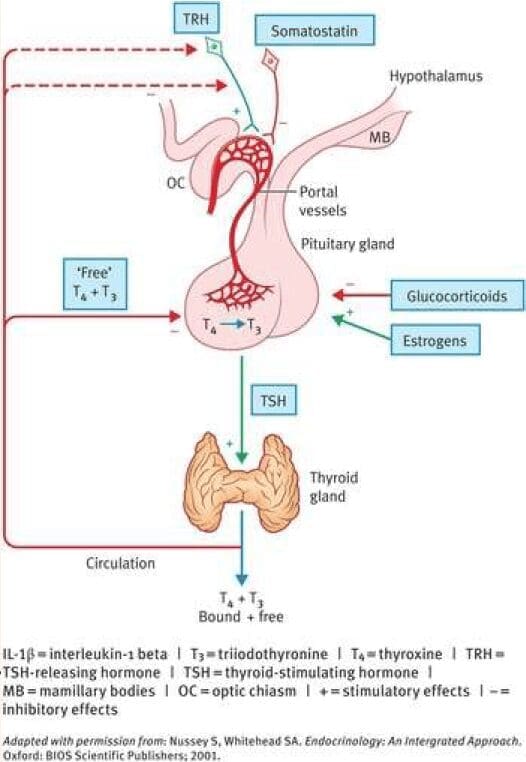 This state is characterized by a specific lab pattern: normal or low TSH, normal or low T4, low free T3, and increased reverse T3 (rT3). This is the biochemical signature of the body hitting the brakes on metabolism. This pattern is commonly seen in critically ill patients in the hospital. Still, I see it every day in my outpatient clinic in individuals who have chronic fatigue syndrome, fibromyalgia, and even in my patients with neurodegenerative diseases like ALS. It’s a sign that the energy demands on the system have become unsustainable, and the body is sacrificing metabolic rate for survival.
As allostatic load increases, the thyroid’s set point for TSH can shift. The brain becomes less sensitive to circulating thyroid hormone levels, so it doesn’t ramp up TSH production as it normally would in response to low T3. This is why TSH can be a misleading marker when viewed in isolation. Furthermore, this chronic stress state not only increases the risk of becoming functionally hypothyroid but also significantly increases inflammation, which further elevates the risk of developing those thyroid antibodies we discussed earlier, pushing a person from a state of adaptive downregulation into full-blown autoimmune thyroid disease.
The Widespread Consequences of Sub-Optimal Thyroid Function
When active T3 levels are insufficient, the effects ripple through the body’s systems, creating a constellation of symptoms that can severely degrade a person’s quality of life. Many of these are considered “irreversible” by some, but I have seen them resolve time and again once thyroid function is optimized.
Let’s review the classic signs and symptoms of hypothyroidism:
- Metabolic & Weight: Weight gain that is resistant to diet and exercise, a slowed resting metabolic rate, and constipation due to sluggish gut motility.
- Neurological & Cognitive: Memory impairment (“brain fog”), slowed speech, difficulty concentrating, and general lethargy. In severe cases, it can progress to a coma.
- Physical Appearance: Hair loss, particularly from the outer third of the eyebrows; dry, coarse skin; pale or puffy skin (myxedema); brittle nails; and hoarseness of the voice. Patients often complain of peripheral edema, which is swelling in the hands, feet, and face, especially around the eyes.
- Musculoskeletal: Muscle weakness, aches, and cramps.
- Cardiovascular: Dyspnea (shortness of breath), a slowed heart rate, and, as we’ll explore, an increased risk for cardiovascular disease markers.
Beyond these classic symptoms, sub-optimal thyroid function has profound metabolic consequences that are often overlooked.
Metabolic Derangements: Glucose, Lipids, and Inflammation
- Glucose Intolerance and Insulin Resistance: The thyroid hormone T3 is intimately involved in glucose metabolism. It affects the rate of glucose absorption from the intestines and, critically, it influences the sensitivity of our cells to insulin. Low T3 reduces insulin binding and decreases the number of insulin receptors on target cells. This means that even if your pancreas is producing enough insulin, your cells can’t properly “hear” its signal, leading to insulin resistance. The result is elevated blood glucose levels. Research from UCLA has shown that a fasting glucose level over 84 mg/dL, while technically “normal,” is associated with an increased risk for metabolic syndrome. Optimizing thyroid function is a key, and often missing, piece in managing blood sugar.
- Dyslipidemia (Abnormal Cholesterol): Hypothyroidism directly impacts lipid metabolism. It slows the clearance of cholesterol from the blood, leading to higher total cholesterol and LDL (“bad”) cholesterol. It’s not uncommon for patients to be put on statin drugs for high cholesterol when the root cause is actually an underactive thyroid. Correcting the thyroid often normalizes cholesterol levels without the need for medication.
- Systemic Inflammation: Low thyroid function promotes a state of chronic, low-grade inflammation. This can be measured using markers such as C-reactive protein (CRP). This inflammation further contributes to insulin resistance, increases blood pressure, and damages blood vessels, creating a vicious cycle that significantly elevates cardiovascular risk. You can also see an increase in lactic acid buildup, contributing to muscle pain and fatigue.
- Immune System Dysfunction: The thyroid is a key modulator of the immune system. Hypothyroidism can impair immune function, making you more susceptible to infections. It also exacerbates the inflammatory processes involved in autoimmunity.
- Decreased Short-Term Memory: The brain is a high-energy organ that is exquisitely sensitive to T3 levels. The brain fog and memory issues associated with hypothyroidism are a direct result of decreased energy production in neurons.
As a practitioner who looks at the whole person, I am always evaluating how these systems interconnect. A patient might come in for help with sexual health. Still, I immediately check their thyroid because it affects their energy, mood, cardiovascular health, and hormone balance—all of which are foundational to a healthy libido and overall vitality.
The Critical Link Between Body Composition, Stress, and Weight Loss
Weight loss is one of the most common goals that brings patients to my office. With over a third of the U.S. population having a BMI of 30 or higher, it’s a national health crisis. However, the conventional approach to weight loss is often flawed and can even be counterproductive. The focus should not just be on losing weight, but on improving body composition—that is, losing fat while preserving or even gaining metabolically active lean body mass (muscle).
A significant problem with many rapid weight-loss diets or certain medications is that a substantial portion of the weight lost is muscle. In typical weight-loss scenarios, 20-30% of the weight lost is muscle tissue. This is a disaster for long-term health. Losing muscle leads to:
- A lower resting metabolic rate: Muscle is your metabolic engine. The less you have, the fewer calories you burn at rest, making it progressively harder to lose weight and easier to regain it.
- Decline in physical and neurological function: Muscle and nerve function are intertwined. Muscle loss, or sarcopenia, leads to weakness, fatigue, and an increased risk of falls and frailty, especially as we age.
- Negative emotional and hormonal effects: The process of losing muscle is stressful for the body and can exacerbate hormonal imbalances.
Chronic Stress and the HPA Axis: The Weight Gain Culprit
This brings us to the absolute epicenter of modern weight gain: chronic stress and the resulting dysfunction of the Hypothalamic-Pituitary-Adrenal (HPA) axis. The HPA axis is our central stress response system. When faced with a stressor, the hypothalamus releases CRH, which signals the pituitary to release ACTH, which, in turn, signals the adrenal glands to pump out cortisol.
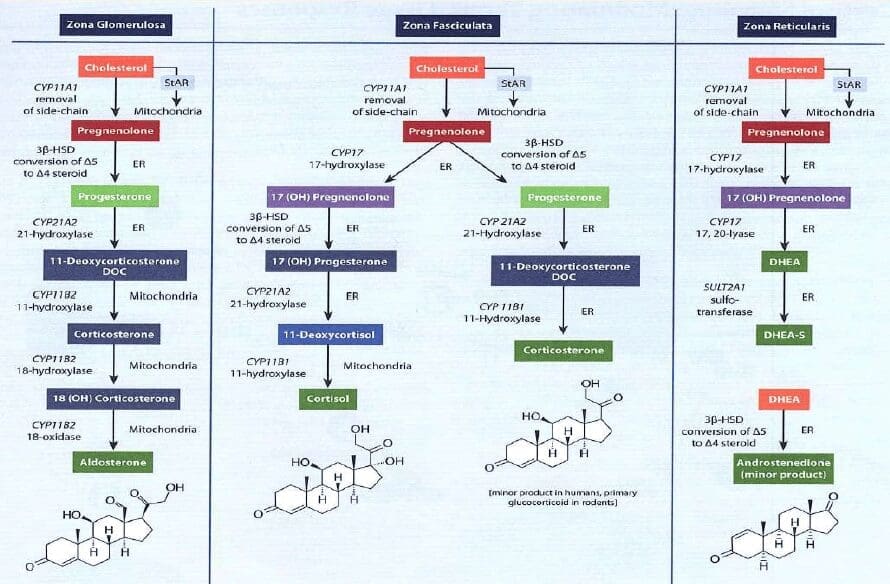 In short bursts, cortisol is essential for survival. It mobilizes glucose for energy, sharpens focus, and reduces inflammation. However, when stress becomes chronic—due to work pressure, relationship issues, poor sleep, inflammatory foods, or even over-exercising—cortisol levels become chronically elevated, disrupting its natural rhythm. This has devastating consequences for weight and metabolism:
- Increased Blood Sugar and Insulin Resistance: Cortisol’s primary role is to raise blood sugar levels to fuel a “fight or flight” response. When this happens constantly, it leads to chronically high blood sugar and forces the pancreas to pump out more and more insulin. Eventually, this leads to severe insulin resistance and increased insulin levels, which is the body’s primary fat-storage hormone.
- Increased Visceral Fat: Chronically high cortisol specifically promotes the storage of fat deep in the abdominal cavity, around the organs. This is called visceral belly fat, and it’s not just a cosmetic issue. This type of fat is metabolically active and functions like an endocrine organ, secreting inflammatory cytokines such as TNF-alpha (Tumor Necrosis Factor-alpha).
- Systemic Inflammation: Visceral fat and cortisol’s direct effects fuel a raging fire of systemic inflammation. This inflammation is not just in your joints; it’s neuroinflammation, affecting your brain and disrupting sleep.
- Sleep Disruption: A normal cortisol rhythm shows high levels in the morning and very low levels at night. When cortisol is high in the evening, it’s impossible to get deep, restorative sleep. We all know this feeling—lying in bed, tired but wired. Poor sleep, in turn, further disrupts hormones, increases cortisol the next day, and promotes more weight gain. It’s a vicious cycle.
- Hormonal Imbalances: High cortisol wreaks havoc on other hormones. It acts as a “cortisol steal,” in which the precursor molecule pregnenolone is shunted away from producing vital hormones like DHEA and testosterone to make more cortisol. This causes testosterone levels to plummet, even as cortisol and insulin rise.
This is why I often say that weight gain is just a side effect of the underlying stress and inflammation. Fad diets don’t work because they don’t address this root cause.
The Hormonal Cascade of Chronic Stress
Let’s delve deeper into the specific hormonal shifts that occur under chronic stress and how they sabotage your health and body composition goals.
The Cortisol-Thyroid Collision
As mentioned, there is a direct and destructive relationship between high cortisol and thyroid function. Increased cortisol blocks the enzyme (5’-deiodinase) that converts inactive T4 into active T3. This is a crucial point. Your brain may be sending the right TSH signal, and your thyroid may be producing plenty of T4, but the stress you are under is preventing that hormone from being activated. In response, the brain might try to compensate by increasing TSH, pushing the thyroid to produce even more T4, but it all gets stuck in the pipeline. I’ve seen this in patients of all ages, from young, high-achieving professionals to pilots under immense pressure. They present with clear hypothyroid symptoms, but their T4 is normal or even high. The problem is the cortisol-induced block on conversion.
The Suppression of Sex Hormones
High cortisol also suppresses the Hypothalamic-Pituitary-Gonadal (HPG) axis, which governs our reproductive and sex hormones. It downregulates the brain’s production of LH (Luteinizing Hormone) and FSH (Follicle-Stimulating Hormone).
- In Men, this leads to a sharp decline in testosterone.
- In Women, this leads to a downregulation of estrogen and progesterone. In premenopausal women, it can contribute to a state of estrogen dominance, where the ratio of estrogen to progesterone becomes imbalanced. This imbalance itself can promote thyroid autoimmunity, creating yet another vicious cycle. I see this connection constantly in my female patients, especially veterans exposed to high-stress environments. Estrogen dominance is also linked to issues like PCOS (Polycystic Ovary Syndrome), migraines, fibroids, and an increased risk for certain cancers.
Testosterone is not just for men. It is absolutely critical for both sexes. It’s essential for building and maintaining muscle, bone density, energy levels, cognitive function, and libido. Women build their peak bone mass in their younger years, and adequate testosterone is vital for this process to prevent osteopenia and osteoporosis later in life. Low testosterone in either sex leads to fatigue, decreased libido (this is often the symptom that finally gets men into my office!), loss of muscle mass (sarcopenia), and increased body fat.
I must also issue a word of caution regarding the abuse of anabolic steroids, which I see with alarming frequency, especially among college-aged men. They use these drugs to build muscle quickly, but in doing so, they shut down their body’s own testosterone production. They then come to me with profound fatigue, no sex drive, and a complete lack of vitality because their endocrine system has been thrown into chaos. Restoring their natural hormonal function is a long and challenging process. My approach to hormone replacement is always to do it safely, legally, and to restore balance, not create artificial and unsustainable levels.

A Functional Medicine Approach to Endocrine Restoration and Weight Management
So, how do we break these cycles and restore balance? The key is to support the HPA (adrenal) and HPG (gonadal) axes simultaneously while also optimizing thyroid function. This is a systems-based approach, not a single-shot solution.
This is particularly relevant today with the widespread use of GLP-1 agonists like semaglutide for weight loss. These can be powerful tools, but they are not a magic bullet. If a patient has sky-high cortisol, the GLP-1 drug will be fighting an uphill battle. The high cortisol levels are driving insulin resistance and fat storage, directly contradicting GLP-1’s mechanism of action. I’ve had patients who don’t respond well to these medications, and when we test their cortisol, we find the reason why. We must address the cortisol first, or at least concurrently, for these therapies to be truly effective and sustainable.
Harnessing Peptides for Hormonal Balance
In my practice, I utilize specific peptides, which are short chains of amino acids that act as signaling molecules, to help restore endocrine function.
- Sermorelin: This peptide is a Growth Hormone Releasing Hormone (GHRH) analogue. It gently stimulates the pituitary gland to produce and release its own growth hormone in a natural, pulsatile manner, primarily during sleep. It’s not the same as taking synthetic growth hormone. The benefits are profound:
- Improved Sleep Quality: Many patients report deeper, more restorative sleep.
- Immune Modulation: It helps balance and support immune function.
- Improved Body Composition: It is pro-anabolic, meaning it helps build and maintain muscle mass while promoting fat loss. This makes it an excellent partner to a GLP-1 agonist, as it can help counteract the potential for muscle loss.
- Dosage: A typical protocol is an injection of 100-300 mcg subcutaneously, five nights per week, at least two hours after the last meal to avoid interference from insulin.
- Caution: Growth hormone is a powerful stimulator of cell growth. While research generally shows Sermorelin to be very safe, I exercise caution in patients with a history of or active cancer. Before starting any patient on this therapy, I run a full panel of inflammatory markers (like CRP and others) to ensure there isn’t an underlying inflammatory process that could potentially fuel cancer growth. Once inflammation is controlled, it can be a very safe and effective therapy. Additionally, growth hormone can sometimes unmask underlying central hypothyroidism, so it’s essential to monitor thyroid panels (full TSH, free T4, free T3) before and during therapy.
- PT-141 (Bremelanotide): This peptide is a fascinating molecule that acts on the melanocortin-4 receptor (MC4R) in the brain, particularly in the hypothalamus. The MC4R plays a key role in regulating appetite, energy expenditure, and sexual function.
- Weight Loss: By activating the MC4R, PT-141 can help decrease appetite and increase satiety, leading to weight loss. A randomized controlled study involving 60 premenopausal women with a BMI ≥ 30 found that those who received PT-141 experienced significant weight loss compared to placebo.
- Sexual Function: It is also well-known for its effects on libido and sexual arousal, which is why we often use it for patients with sexual dysfunction.
- Formulation: It was previously available as a subcutaneous injection and is now often available as an oral or nasal spray. However, in my clinical experience, I have found the injectable form to be more effective. It is a powerful tool for addressing both weight and libido.
- GHRP-6 (Growth Hormone Releasing Peptide-6) and Hexarelin: These are part of a class of peptides called ghrelin mimetics or growth hormone secretagogues.
- GHRP-6 works on the ghrelin receptor to stimulate growth hormone release. It can also increase appetite, which may or may not be desirable depending on the patient.
- Hexarelin is a particularly interesting peptide because, while it also stimulates growth hormone, it has been shown to improve body composition even without a significant change in overall weight. It increases muscle growth, improves metabolism, enhances memory and cognition, and protects cardiac function. For patients who aren’t responding well to other weight-loss strategies but want to enhance their muscle-to-fat ratio, Hexarelin can be an excellent option. It also appears to mediate some of its effects via the CD36 receptor, which is involved in fatty acid uptake, helping to decrease fat mass and increase lean mass. A typical dose is 100-300 mcg per day. A potential side effect is water retention.
Mastering Cortisol: The Foundation of Health
If I could only give one piece of advice for long-term health, it would be to manage your cortisol. Let’s look at its rhythm and the consequences of its dysregulation.
A healthy cortisol pattern, which we can measure via a 4-point salivary or dried urine test, shows a sharp peak upon waking (the Cortisol Awakening Response), followed by a gradual decline throughout the day, reaching its lowest point at night to support sleep.
When this rhythm is disrupted, you get HPA axis dysfunction. An elevated cortisol level, particularly at night, has devastating effects:
- Neurotransmitter Imbalance: High cortisol depletes serotonin, leading to anxiety, depression, and migraines. It also suppresses melatonin, our primary sleep hormone, leading to difficulty falling and staying asleep.
- Chronic Inflammation: As discussed, high cortisol fuels inflammation. I can often predict a patient’s inflammatory state just by looking at their symptoms. If a patient comes in with a high hs-CRP (high-sensitivity C-Reactive Protein), I immediately suspect cortisol and insulin issues are at play. This inflammation, marked by elevated cytokines like TNF-alpha and Interleukin-6 (IL-6), is a primary driver of most chronic diseases.
- Gut-Brain Axis Disruption: Cortisol directly impacts the gut, increasing intestinal permeability (“leaky gut”). This allows undigested food particles and toxins to enter the bloodstream, triggering systemic inflammation and food allergies. This gut-derived inflammation then travels to the brain, exacerbating neuroinflammation. Chronic stress can also suppress the immune system’s ability to control latent viral loads (like Epstein-Barr virus), leading to chronic reactivation and fatigue.
The metabolic effects are profound and touch every organ system, from bone loss and muscle wasting to impaired immune function and an increased risk for cardiovascular disease and even cancer.
The Evidence Linking Cortisol to Disease
The scientific literature is clear on the dangers of cortisol dysregulation.
- A 2006 study of 718 middle-aged individuals found that those with a flatter diurnal cortisol slope (meaning their cortisol didn’t decline properly during the day) were significantly more likely to have coronary artery calcification, a direct measure of atherosclerosis, even at an average age of 40. This risk was independent of other traditional risk factors.
- A 2020 study of 174 middle-aged women showed that those who had experienced a myocardial infarction (heart attack) had significantly higher hair cortisol concentrations (a measure of long-term cortisol exposure) than healthy controls.
- A 2013 study of over 1,000 people aged 16-64 found that elevated long-term hair cortisol was strongly associated with the prevalence of metabolic syndrome.
- In the realm of bone health, a study comparing male cyclists (a non-weight-bearing activity) to runners found that cyclists had significantly lower spine bone mineral density, which correlated with higher cortisol levels. This highlights the connection between chronic stress (from intense training), cortisol, and bone loss. Acid-base balance also plays a role here; a chronic acidic state, driven by stress and diet, forces the body to leach alkaline minerals, such as calcium, from the bones to buffer the acid, further contributing to osteopenia.
- Regarding cognitive health, a 2013 study of 4,190 elderly patients showed a direct correlation between elevated serum cortisol and the prevalence and severity of dementia. This is something I consistently measure and address in my patients with cognitive decline.
Cortisol’s Impact on Sleep
Chronic stress and the resulting HPA axis imbalance are primary drivers of sleep disruption. Elevated evening cortisol prevents the brain from entering the deep, restorative phases of slow-wave sleep. This nocturnal cortisol release can lead to frequent awakenings, particularly between 1-3 AM, a classic sign of adrenal dysregulation. This fragmented sleep further disrupts the next day’s cortisol rhythm, impairs nocturnal growth hormone release, increases inflammatory cytokines such as TNF-alpha, and contributes to weight gain. It is a self-perpetuating cycle of decline.
Nutritional and Herbal Support for Endocrine Balance
Fortunately, we have a wealth of evidence-based natural compounds that can help support the body in re-establishing hormonal balance.
Adaptogens for HPA Axis Support
Adaptogens are a unique class of herbs that help the body adapt to stress and normalize physiological processes.
- Rhodiola Rosea: This is one of my favorite adaptogens for balancing cortisol and reducing anxiety. A 2011 meta-analysis confirmed its supportive effects. A typical dose is around 200-500 mg daily of an extract standardized to contain rosavins and salidrosides.
- Ashwagandha (Withania somnifera): Another powerhouse adaptogen. A 2019 randomized controlled trial on individuals with a history of chronic stress found that supplementing with ashwagandha for 60 days led to a significant reduction in perceived stress and a measurable decrease in serum cortisol levels compared to placebo. It has a remarkable ability to calm an overactive stress response.
- Cordyceps: This medicinal mushroom is fantastic for supporting adrenal function, reducing oxidative stress, and supporting kidney function. It is particularly helpful for improving cellular oxygenation (VO2 max), which is why athletes use it, and it can increase energy and sexual vitality in both men and women.
- Holy Basil (Tulsi): This revered Ayurvedic herb is known for its calming properties. A 2017 systematic review of 24 clinical trials found that Holy Basil was effective in improving mood, reducing stress, and lowering stress markers. It is generally very well-tolerated.
Other Key Nutrients and Supplements
- Magnolia Officinalis: The active compounds in magnolia bark have anti-anxiety and stress-reducing effects without causing drowsiness. A 2013 double-masked, placebo-controlled study on overweight women found that a supplement containing magnolia and phellodendron significantly reduced evening cortisol and improved mood in stress-eaters.
- B Vitamins: These are cofactors for hundreds of enzymatic reactions, including the production of neurotransmitters and adrenal hormones. Vitamin B5 (Pantothenic Acid) is particularly crucial for adrenal function.
- Vitamin C: The adrenal glands contain one of the highest concentrations of Vitamin C in the body. It is rapidly depleted during the stress response. High-dose oral or intravenous Vitamin C can be very supportive for adrenal fatigue.
- 7-Keto-DHEA: This is a metabolite of DHEA that does not convert into testosterone or estrogen, but it does help support a healthy metabolism and cortisol balance. While some protocols suggest high doses, I typically start with a lower, more physiological dose (e.g., 25-50 mg/day) and adjust based on the patient’s DHEA levels and response. It’s a great option for supporting metabolism without directly altering sex hormone levels.
- Adrenal Glandulars: These contain extracts from bovine adrenal glands, providing the raw materials and peptides needed to help rebuild and support a person’s own adrenal glands. They can be very effective for both high and low cortisol patterns.
A Comprehensive Protocol for Thyroid Health
Here is a summary of the approach I take for supporting the thyroid, tailored to the individual’s autoimmune status.
- If No Antibodies are Present:
-
- Selenium: 200 mcg daily. Selenium is a critical cofactor for the enzyme that converts T4 to T3.
- Iodine: 1-3 mg daily. Iodine is the fundamental building block of thyroid hormones. I always start low and go slow, and I always ensure selenium status is adequate before supplementing with iodine to prevent inflammation.
- Zinc, Iron, Vitamin A: Ensure these and all other nutrients needed for thyroid hormone production are at optimal levels.
- If Antibodies are Present (Hashimoto’s):
- Gut Healing is Paramount: This is non-negotiable. The gut-thyroid axis is real. I use a comprehensive approach including:
-
-
- L-Glutamine: To help repair the gut lining.
- Licorice Root Extract (DGL): Soothing and anti-inflammatory.
- Aloe Vera: Healing for the mucosal lining (using a purified inner leaf extract to avoid the laxative compounds in the outer leaf).
- Probiotics: To restore a healthy microbiome.
-
-
- Plant Sterols and Sterolins: These have been shown to help balance the Th1/Th2 arms of the immune system, calming the autoimmune response.
- Address Food Sensitivities: An elimination diet or food sensitivity testing is key, with a particular focus on gluten, as its molecular structure can mimic that of thyroid tissue, leading to cross-reactivity.
- Optimize Vitamin D: I check 25-hydroxy Vitamin D levels and aim for an optimal range of 60-80 ng/mL. Vitamin D is a potent immune modulator.
THYROID DYSFUNCTION ***MUST WATCH*** (Assessment and treatment)- Video
A Final Note on GLP-1 Agonists and the Thyroid
There has been some concern about the use of GLP-1 agonists like semaglutide and a potential risk for thyroid C-cell tumors. This warning arose from rodent studies. However, a large 2022 review article and subsequent human data have not shown a causal link or a significant increase in thyroid cancer risk in humans using these medications. I have been using these drugs since they first became available, long before they were popular for weight loss, and I have not personally seen a case of thyroid cancer caused by them. However, it’s always wise to be prudent. I do not use them in patients with a personal or strong family history of medullary thyroid cancer or Multiple Endocrine Neoplasia syndrome type 2 (MEN 2).
What I have seen is that these medications can enhance the effects of thyroid hormone medication. I’ve had to reduce the thyroid hormone dosage for several patients after they started a GLP-1 agonist because their own thyroid function and hormone sensitivity improved. So, if you are already on thyroid medication and start a GLP-1, it is essential to monitor your thyroid levels closely.
Summary
In this educational post, we have journeyed through the intricate and interconnected world of thyroid, adrenal, and metabolic health. We began by challenging the conventional, broad definitions of “normal” thyroid function, emphasizing the importance of aiming for optimal ranges to achieve true well-being. We highlighted the critical, yet often overlooked, T4 to T3 conversion process and how it can be sabotaged by stress, inflammation, and nutrient deficiencies, leading to hypothyroid symptoms even with “normal” labs. The crucial role of testing for thyroid antibodies was underscored as a means of identifying autoimmune conditions like Hashimoto’s thyroiditis early, enabling root-cause interventions to calm the immune system.
We then explored the concept of allostatic overload, where chronic stress overwhelms the body’s adaptive capacity, forcing the thyroid to downregulate metabolism as a survival mechanism. The central role of the HPA axis and its primary hormone, cortisol, was examined in detail. We mapped how chronically elevated cortisol disrupts its natural diurnal rhythm, triggering a cascade of negative consequences: insulin resistance, visceral fat accumulation, systemic inflammation, sleep disruption, and the suppression of vital sex hormones like testosterone. A key physiological insight was the direct mechanism by which high cortisol blocks the conversion of T4 to active T3, creating a functional hypothyroid state.
Finally, we synthesized this knowledge to reframe the challenge of weight management, moving the focus from simple calorie counting to correcting underlying hormonal imbalances. We discussed how a combination of low thyroid function and high cortisol creates a perfect storm for weight gain and muscle loss. We then outlined a functional medicine toolkit for restoring balance, including advanced therapies such as the peptides Sermorelin and PT-141, as well as a host of evidence-based adaptogenic herbs and nutrients, such as Ashwagandha, Rhodiola, and Vitamin C. The discussion concluded with specific, actionable protocols for supporting thyroid health, both in the presence and absence of autoimmunity, providing a comprehensive, evidence-based roadmap to reclaiming metabolic health.
Conclusion
The human body is not a collection of isolated parts, but a deeply integrated system. Your energy, weight, mood, and overall health are the direct result of a complex dance of hormones and biochemical signals. The persistent symptoms of fatigue, weight gain, and brain fog are not personal failings or something you have to live with; they are vital messages from your body that something is out of balance. By looking upstream—at the thyroid, adrenal glands, gut, and inflammatory pathways—we can move beyond simply managing symptoms and begin to address the root causes of disease. An evidence-based, functional approach that seeks to restore optimal physiological function offers a powerful and effective path toward lasting health and vitality.
Key Insights
- Optimal vs. Normal: True health lies in achieving optimal laboratory ranges for hormones like TSH, not just falling within the broad “normal” reference range.
- Conversion is Key: The conversion of inactive T4 to active T3 is the most critical step in thyroid metabolism and is highly vulnerable to stress, inflammation, and nutrient deficiencies.
- Cortisol is a Master Regulator: Chronically high cortisol is a primary driver of modern disease, directly causing insulin resistance, visceral fat, inflammation, and, crucially, blocking thyroid hormone activation.
- Autoimmunity is Reversible: Autoimmune thyroid disease, like Hashimoto’s, is not a life sentence. By identifying and removing triggers such as gut dysfunction and inflammatory foods, the autoimmune attack can often be halted.
- Preserve Muscle at All Costs: Effective, healthy weight management must focus on improving body composition—losing fat while preserving or building lean muscle mass, your metabolic engine.
- A Systems-Based Approach is Essential: Lasting health cannot be achieved by treating single markers in isolation. Restoring the balance of the HPA (adrenal), HPG (gonadal), and thyroid axes simultaneously is the cornerstone of effective functional medicine.
References
- Kelly, G. S. (2000). Peripheral metabolism of thyroid hormones: a review. Alternative Medicine Review, 5(4), 306-333. https://pubmed.ncbi.nlm.nih.gov/10956378/
- Gareja, S., et al. (2022). GLP-1 Receptor Agonists and Thyroid Cancer: A Systematic Review of the Literature. Cureus, 14(11), e31623. https://pubmed.ncbi.nlm.nih.gov/38018310/
- Chandrasekhar, K., Kapoor, J., & Anishetty, S. (2012). A prospective, randomized, double-blind, placebo-controlled study of the safety and efficacy of a high-concentration full-spectrum extract of ashwagandha root in reducing stress and anxiety in adults. Indian Journal of Psychological Medicine, 34(3), 255–262. https://pubmed.ncbi.nlm.nih.gov/23439798/
- Jackson, S. E., Kirschbaum, C., & Steptoe, A. (2017). Hair cortisol and adiposity in a population-based sample of 2,527 men and women. Obesity, 25(3), 539-544. https://pubmed.ncbi.nlm.nih.gov/28229550/
- Matthews, K. A., et al. (2006). Diurnal cortisol decline is associated with coronary calcification: the CARDIA study. Psychosomatic Medicine, 68(5), 657–661. https://pubmed.ncbi.nlm.nih.gov/17012518/
- Olsson, E. M., et al. (2020). Long-term cortisol levels and risk of acute myocardial infarction. Scientific Reports, 10(1), 1803. https://pubmed.ncbi.nlm.nih.gov/33384452/
- Lekarev, O., et al. (2013). The impact of circulating cortisol on the cognitive and functional status of the elderly. Aging Clinical and Experimental Research, 25(1), 63-68.
- Talbott, S. M., et al. (2013). Effect of Magnolia officinalis and Phellodendron amurense (Relora®) on cortisol and psychological mood state in moderately stressed subjects. Journal of the International Society of Sports Nutrition, 10(1), 37. https://pubmed.ncbi.nlm.nih.gov/23924268/
- Jamshidi, N., & Cohen, M. M. (2017). The Clinical Efficacy and Safety of Tulsi in Humans: A Systematic Review of the Literature. Evidence-Based Complementary and Alternative Medicine, 2017, 9217567. https://pmc.ncbi.nlm.nih.gov/articles/PMC5376420/
Keywords
Thyroid health, Hypothyroidism, Hashimoto’s thyroiditis, Cortisol, HPA axis dysfunction, Stress, Weight loss, Metabolism, Insulin resistance, Body composition, Sermorelin, PT-141, Functional medicine, T4 to T3 conversion, Reverse T3, Adrenal fatigue, Adaptogens, Ashwagandha, Rhodiola, GLP-1 agonists, Semaglutide, Autoimmune disease, Inflammation
Disclaimer: The information provided in this post is for educational purposes only and is not intended as a substitute for professional medical advice, diagnosis, or treatment. The content is written from the perspective of Dr. Jimenez, DC, FNP-APRN, and reflects their clinical experience and interpretation of the available research. It should not be used to self-diagnose or self-treat any health-related condition.
Important Advisory: All individuals are unique, and medical conditions can be complex. You must consult with your own qualified healthcare provider for any medical advice, diagnosis, or treatment recommendations tailored to your personal situation. Do not disregard professional medical advice or delay in seeking it because of something you have read in this post.
Post Disclaimer
General Disclaimer, Licenses and Board Certifications *
Professional Scope of Practice *
The information herein on "A Clinical Approach Guide to Metabolism & Thyroid Health" is not intended to replace a one-on-one relationship with a qualified health care professional or licensed physician and is not medical advice. We encourage you to make healthcare decisions based on your research and partnership with a qualified healthcare professional.
Blog Information & Scope Discussions
Welcome to El Paso's Premier Wellness and Injury Care Clinic & Wellness Blog, where Dr. Alex Jimenez, DC, FNP-C, a Multi-State board-certified Family Practice Nurse Practitioner (FNP-BC) and Chiropractor (DC), presents insights on how our multidisciplinary team is dedicated to holistic healing and personalized care. Our practice aligns with evidence-based treatment protocols inspired by integrative medicine principles, similar to those on this site and on our family practice-based chiromed.com site, focusing on naturally restoring health for patients of all ages.
Our areas of multidisciplinary practice include Wellness & Nutrition, Chronic Pain, Personal Injury, Auto Accident Care, Work Injuries, Back Injury, Low Back Pain, Neck Pain, Migraine Headaches, Sports Injuries, Severe Sciatica, Scoliosis, Complex Herniated Discs, Fibromyalgia, Chronic Pain, Complex Injuries, Stress Management, Functional Medicine Treatments, and in-scope care protocols.
Our information scope is multidisciplinary, focusing on musculoskeletal and physical medicine; wellness; contributing etiological viscerosomatic disturbances within clinical presentations; associated somato-visceral reflex clinical dynamics; subluxation complexes; sensitive health issues; and functional medicine articles, topics, and discussions.
We provide and present clinical collaboration with specialists from various disciplines. Each specialist follows their professional scope of practice and licensure jurisdiction. We use functional health & wellness protocols to treat and support care for musculoskeletal injuries or disorders.
Our videos, posts, topics, and insights address clinical matters and issues that directly or indirectly relate to our clinical scope of practice.
Our office has made a reasonable effort to provide supportive citations and has identified relevant research studies that support our posts. We provide copies of supporting research studies upon request to regulatory boards and the public.
For further discussion on how this information relates to specific care plans or treatment protocols, please ask Dr. Alex Jimenez, DC, APRN, FNP-BC, or contact us at 915-850-0900.
We are here to help you and your family.
Blessings
Dr. Alex Jimenez DC, MSACP, APRN, FNP-BC*, CCST, IFMCP, CFMP, ATN
Email: [email protected]
Multidisciplinary Licensing & Board Certifications:
Licensed as a Doctor of Chiropractic (DC) in Texas & New Mexico*
Chiropractic Licenses:
Texas DC License #: TX5807, Verified: TX5807
New Mexico DC License #: NM-DC2182, Verified: NM-DC2182
Nurse Practitioner Licenses:
Texas APRN License #: 1191402, Verified: 1191402 *
New Mexico CNP License #: 90560, Verified 90560
Florida APRN License #: 11043890, Verified: APRN11043890 *
Colorado License #: C-APN.0105610-C-NP, Verified: C-APN.0105610-C-NP
New York License #: N25929, Verified N25929
Georgia APRN License #: GAA-NP005701
Multi-State Advanced Practice Registered Nurse (APRN*) Texas & Multi-States
Multi-state Compact APRN License by Endorsement (43 States)
Compact Status: Multi-State License: Authorized to Practice in 43 States*
Nursing Licensure Compact: Updated Here
DEA Registration: (Drug Enforcement Agency Registered)
All medical (MDs) and family practice providers (FNP-APRN) are registered and licensed to offer various levels of medication.
Verify Providers' DEA Registration Here
License Verification Link: Nursys License Verifier
* Prescriptive Authority Authorized (DEA Registered Providers). Call if Required
Board Certification:
ANCC FNP-BC: Board Certified Nurse Practitioner*
Education:
Graduate with Honors: ICHS: MSN-FNP (Family Nurse Practitioner Program)
Degree Granted. Master's in Family Practice, MSN Diploma (Cum Laude)
Dr. Alex Jimenez, DC, APRN, FNP-BC*, CFMP, IFMCP, ATN, CCST
(Board Certified: Family Practice Nurse Practitioner—Multistate)*
(Licensed Nurse Practitioner & Chiropractor - Multistate)*
Clinical Director
DC & FNP License (Review Above)
Digital Business Card
NPI: 1205907805
Dr. Maria Cardenas, MD
(Board Certified: Internal Medicine)
(Licensed Medical Doctor)
Medical Director, Clinical Director & Collaborative Physician
NPI # 1164426748
MD License #: J2933
Licenses and Board Certifications:
MD: Medical Doctor
DC: Doctor of Chiropractic
APRNP: Advanced Practice Registered Nurse
FNP-BC: Family Practice Specialization (Multi-State Board Certified)
FNP-BC: Family Practice Across Life Span (Neonatal to Geriatrics)
RN: Registered Nurse (Multi-State Compact License)
CFMP: Certified Functional Medicine Provider
MSN-FNP: Master of Science in Family Practice Medicine
MSACP: Master of Science in Advanced Clinical Practice
IFMCP: Institute of Functional Medicine
CCST: Certified Chiropractic Spinal Trauma
ATN: Advanced Translational Neutrogenomics
Family with Primary Care Focus (Family Nurse Practitioner or FNP)
- The Family Nurse Practitioner (FNP) promotes, maintains, and restores health for individuals and families across the lifespan. FNPs also identify health risks, promote wellness, and diagnose and manage acute and chronic illness.
- The FNP focuses on comprehensive primary care, promoting healthy lifestyles for patients across the lifespan in settings such as private practice, physician offices, and community health centers.
Memberships & Associations:
TCA: Texas Chiropractic Association: Member ID: 104311
TNA: Texas Nurse Association: Member ID: 06458222
TNP: Texas Nurse Practitioner Association ID: 2025091511
AANP: American Association of Nurse Practitioners: Member ID: 2198960
ANA: American Nurses Association: Member ID: 06458222 (District TX01)
| Primary Taxonomy | Selected Taxonomy | State | License Number |
|---|---|---|---|
| No | 111N00000X - Chiropractor | NM | DC2182 |
| Yes | 111N00000X - Chiropractor | TX | DC5807 |
| Yes | 363LF0000X - Nurse Practitioner - Family | TX | 1191402 |
| Yes | 363LF0000X - Nurse Practitioner - Family | FL | 11043890 |
| Yes | 363LF0000X - Nurse Practitioner - Family | CO | C-APN.0105610-C-NP |
| Yes | 363LF0000X - Nurse Practitioner - Family | NY | N25929 |
| Yes | 363LF0000X - Nurse Practitioner - Family | NM |
90560 |
| Yes | 363LF0000X - Nurse Practitioner - Family | GA | GAA-NP005701 |
Dr. Alex Jimenez, DC, APRN, FNP-BC*, CFMP, IFMCP, ATN, CCST
(Board Certified: Family Practice Nurse Practitioner—Multistate)*
(Primary Care Across Lifespan—Neonatal / Pediatric / Adult / Geriatrics)
(Licensed Nurse Practitioner & Chiropractor - Multistate)*
Clinical Director
Digital Business Card
NPI: 1205907805
Dr. Maria Cardenas, MD
(Board Certified: Internal Medicine)*
(Licensed Medical Doctor)*
Medical Director, Clinical Director & Collaborative Physician
NPI # 1164426748
MD License #: J2933
📆 Schedule Appointment: Schedule 24/7 (Click Here)