

Spinal Manipulation Adjustments
About 80% of patients visiting a chiropractor receive spinal manipulation, while chiropractors offer several treatments for musculoskeletal conditions. Spinal manipulation is a distinctive type of hands-on treatment (manual therapy) different from other manual therapy, such as massage and mobilization.
Table of Contents
Spinal Manipulation
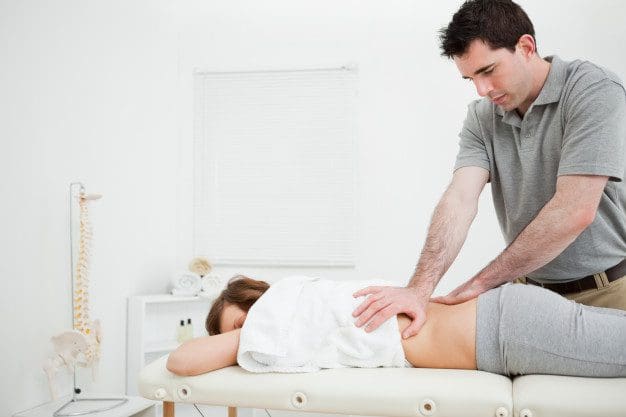 Spinal manipulation uses force (rapid, shallow push) to spinal joints that move the target joint or nearby joints slightly beyond their normal range of movement. An audible “pop often accompanies spinal manipulation.” This can be considered dissolved gas discharged from joint fluids with a quick pressure drop. This gas abruptly joins into little bubbles, making a popping sound. Studies have demonstrated that hearing the audible pop for spinal manipulation to work is not always essential.
Goal: Spinal Manipulation
 The goal is to restore function to spinal column mechanical disorders and reduce pain.
A chiropractor is trained in this highly specialized manual therapy and will inform you if your condition suits this type of treatment. Spinal manipulation continues to be most successful when coupled with lifestyle adjustments and active therapies, such as stretching and exercise.
Conditions: Spinal Manipulation Treats
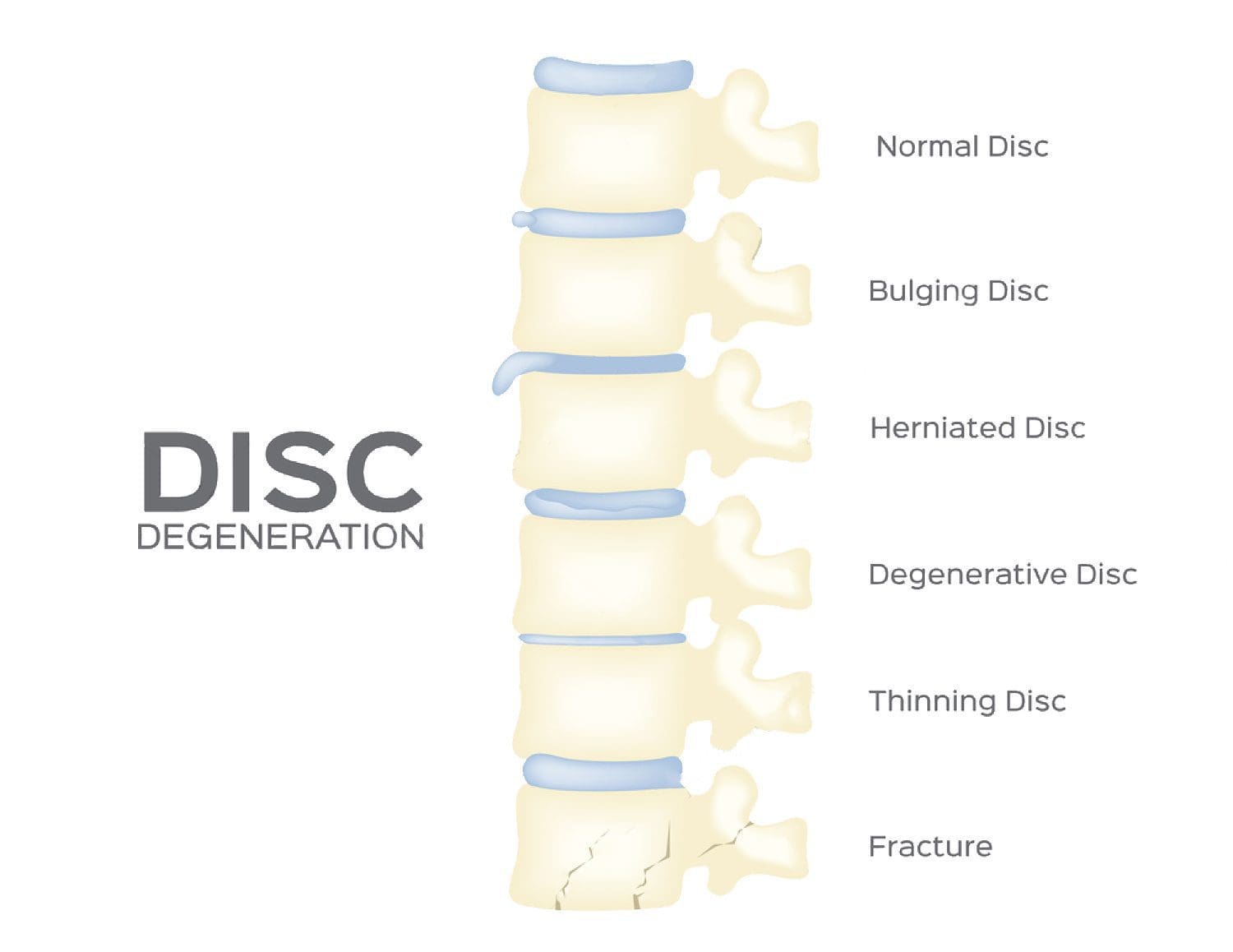 The precise mechanism through which spinal manipulation works is debatable. Still, numerous theories are being studied, including stretching tight muscles, stimulating the nervous system, unlocking trapped spinal joints, and freeing entrapped joints.
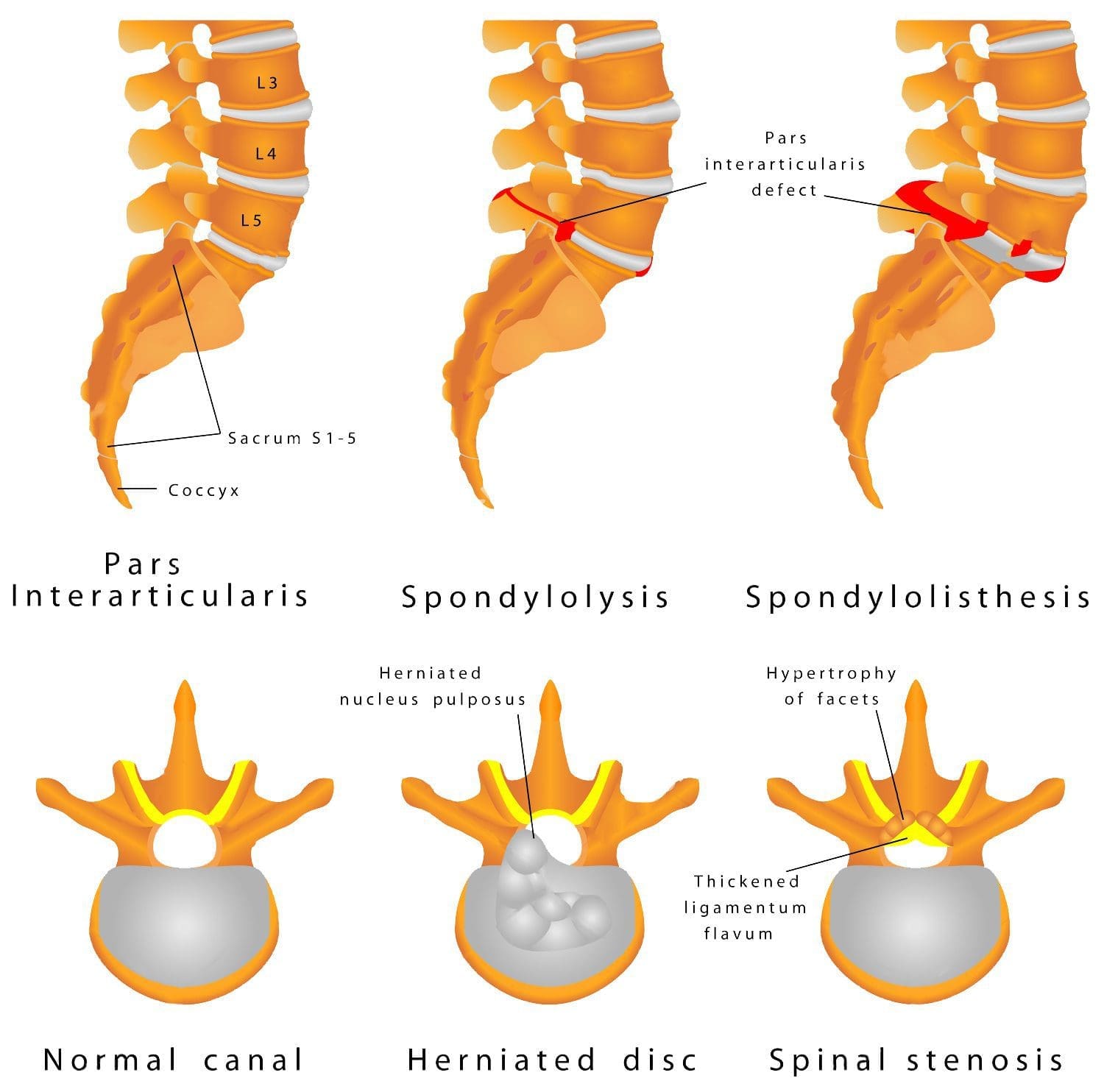
Spinal manipulation has been proven to be safe and effective for specific types of recent neck and back injuries, along with more lasting or recurring musculoskeletal conditions. A chiropractor is trained to identify serious underlying conditions that might preclude spinal manipulation or manual treatment. They would then refer you to the appropriate medical specialist.
The manipulation of the cervical spine or neck is a common technique utilized by doctors of chiropractic for individuals complaining of upper back, neck, and shoulder/arm pain, in addition to headaches.
Benefits: Cervical Spinal Manipulation
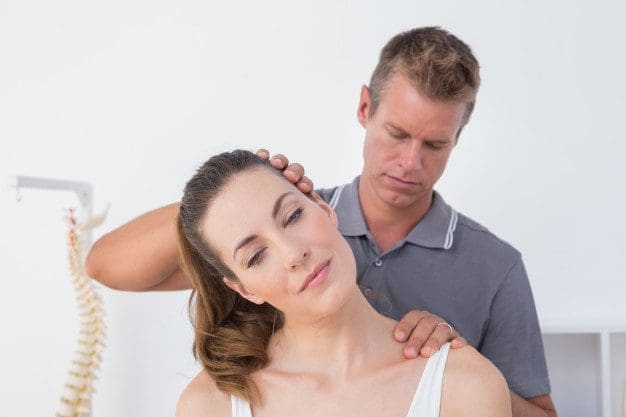 Chiropractic treatment is thought of as the first line of therapy for a range of cervical spine conditions and injuries/conditions that affect the thoracic and lumbar spine (back),
Chiropractic treatment for cervical spine pain management includes (but is not limited to):
- Reducing pain
- Improving movement
- Restoring function to the head and neck region
Patients will be advised that the treatment will start after a complete patient history, physical examination, review of past family histories, and review of systems are completed. Tests might include X-ray, CT, MRI, EMG/NCV, urine analysis, and blood tests. Referral to a professional depends on each case.
Techniques: Chiropractic Manipulation
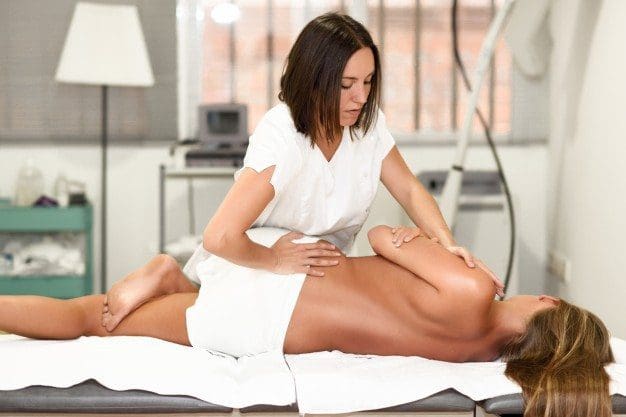 There are two general manipulation techniques for spine injuries:
- Cervical spinal manipulation is considered the conventional chiropractic adjustment or a high-velocity, low-amplitude (HVLA) technique. A chiropractor will use their hands to apply a controlled, sudden force to a joint while the body is in a specific position.
- Cervical spinal mobilization – is a more gentle/less forceful modification, or even a low-velocity, low-amplitude (LVLA) technique moving the joint through a tolerable range of movement.
The combination of techniques varies from patient to patient, depending on the healthcare professional’s preferred techniques and methods, the patient’s technique, and the patient’s response to the treatment.
There are over 100 types of adjustment techniques used by chiropractors worldwide. Typically, chiropractors will concentrate on 8 to 10 distinct techniques.
Chiropractic: Goal
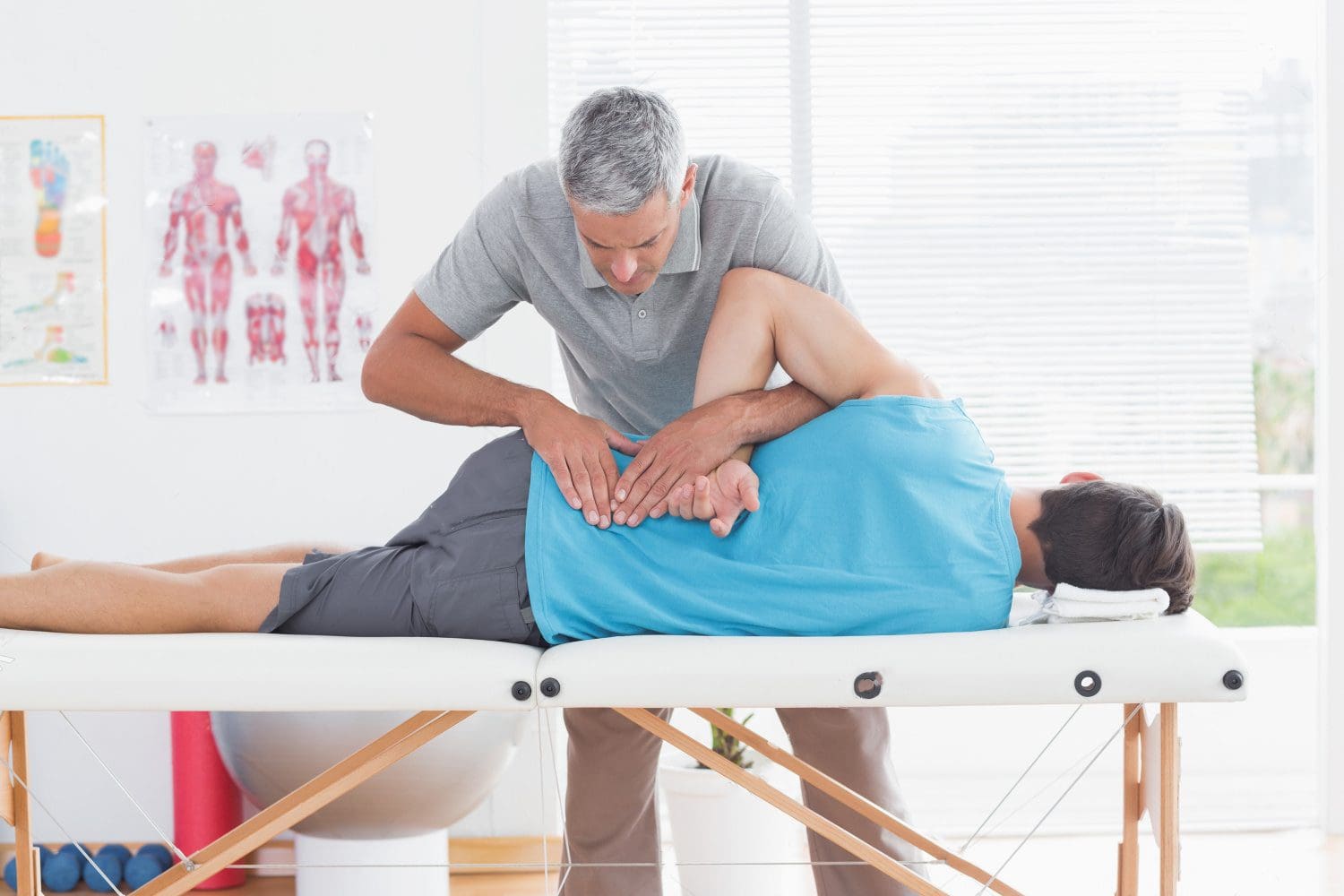
Chiropractic aims to revive or enhance joint function, reduce pain, and resolve swelling.
New chiropractic adjustment approaches evolve from an existing technique and are often named after the chiropractor who develops them.
Chiropractic Manipulation: Approaches
 Chiropractors adapt therapy plans to satisfy the particular needs of each individual. Typically, chiropractic treatment plans involve forceful and less forceful spinal adjustment techniques during the same treatment session or throughout therapy.
Spinal Mobilization: (Low-Velocity Moderate Techniques)
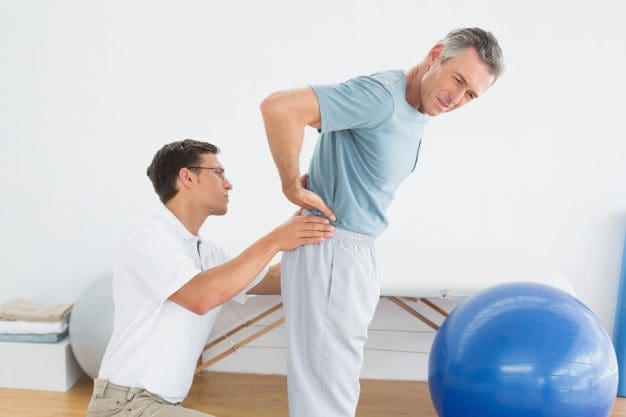
For example, some conditions (for example, osteoporosis), pathology, the patient’s size, patient comfort, or individual preference may demand a milder approach, generally referred to as spinal mobilization. Additionally, some patients and clinicians prefer gentle mobilization techniques that don’t involve twisting or thrusting of the body.
The goal of spinal mobilization is HVLA spinal manipulation to reestablish or enhance joint movement.
Along with manipulation, many chiropractors will use adjunctive therapy, such as ice or heat or physical therapy modalities (for instance, electrical stimulation, ultrasound, etc.), as part of an overall treatment program. Patients must discuss their symptoms and tastes with their healthcare professionals to determine the best treatment plan.
Chiropractors are not the only healthcare providers who use spinal manipulation for back pain treatment. Many osteopathic physicians will provide spinal mobilization and spinal manipulation.
Chiropractors may choose spinal mobilization for certain individuals:
- Patient preference: specific patients prefer spinal mobilization over spinal manipulation
- Patients with sensitive nervous systems can benefit from gentle chiropractic methods to keep the entire body from overreacting and causing reactive muscle spasms.
- Patients with existing conditions may be redeemed for spinal manipulation, such as patients with advanced osteoporosis, bone pathology, some forms of deformity, and certain kinds of inflammatory arthritis.
- For patients when they are in the acute phase of their illness and severe pain
- Obesity can make the positioning of the individual and the manipulation procedures difficult for both the practitioner and the patient, which might favor a low-force technique.
Spinal Mobilization: Methods
 There is an array of spinal mobilization techniques. Common gentle spinal mobilization methods include:
- Activator method: The Activator is a handheld, spring-loaded, manual tool with low force. With the patient lying face down, the chiropractor evaluates leg length, performs muscle testing, and adjusts the spine or extremity joints using the Activator tool.
- Cox Flexion-distraction: This technique involves a gentle adjustment designed to adjust vertebrae by employing a soft stretch to the lower spine, typically a set of repetitive slow movements similar to a rocking motion.
- Toggle Drop: Using crossed hands, one on top of the other, the chiropractor presses down quickly and firmly on a particular spine area using gravity to execute the adjustment. The table has different sections that drop and can be increased following the localization of the spinal adjustment.
- McKenzie Technique: This strategy uses a patient’s favorite position to facilitate pain loss.
- Release work: Applying gentle pressure using the fingertips, the chiropractor adjusts the misaligned vertebrae to restore them to their natural positions.
- Sacro-Occipital Strategy (SOT): This method involves placing wedges or blocks under the pelvis, allowing gravity to realign the pelvis.
Chiropractic Clinic Extra
Post Disclaimer
General Disclaimer, Licenses and Board Certifications *
Professional Scope of Practice *
The information herein on "Spinal Manipulation Adjustments" is not intended to replace a one-on-one relationship with a qualified health care professional or licensed physician and is not medical advice. We encourage you to make healthcare decisions based on your research and partnership with a qualified healthcare professional.
Blog Information & Scope Discussions
Welcome to El Paso's Premier Wellness and Injury Care Clinic & Wellness Blog, where Dr. Alex Jimenez, DC, FNP-C, a Multi-State board-certified Family Practice Nurse Practitioner (FNP-BC) and Chiropractor (DC), presents insights on how our multidisciplinary team is dedicated to holistic healing and personalized care. Our practice aligns with evidence-based treatment protocols inspired by integrative medicine principles, similar to those on this site and on our family practice-based chiromed.com site, focusing on naturally restoring health for patients of all ages.
Our areas of multidisciplinary practice include Wellness & Nutrition, Chronic Pain, Personal Injury, Auto Accident Care, Work Injuries, Back Injury, Low Back Pain, Neck Pain, Migraine Headaches, Sports Injuries, Severe Sciatica, Scoliosis, Complex Herniated Discs, Fibromyalgia, Chronic Pain, Complex Injuries, Stress Management, Functional Medicine Treatments, and in-scope care protocols.
Our information scope is multidisciplinary, focusing on musculoskeletal and physical medicine; wellness; contributing etiological viscerosomatic disturbances within clinical presentations; associated somato-visceral reflex clinical dynamics; subluxation complexes; sensitive health issues; and functional medicine articles, topics, and discussions.
We provide and present clinical collaboration with specialists from various disciplines. Each specialist follows their professional scope of practice and licensure jurisdiction. We use functional health & wellness protocols to treat and support care for musculoskeletal injuries or disorders.
Our videos, posts, topics, and insights address clinical matters and issues that directly or indirectly relate to our clinical scope of practice.
Our office has made a reasonable effort to provide supportive citations and has identified relevant research studies that support our posts. We provide copies of supporting research studies upon request to regulatory boards and the public.
For further discussion on how this information relates to specific care plans or treatment protocols, please ask Dr. Alex Jimenez, DC, APRN, FNP-BC, or contact us at 915-850-0900.
We are here to help you and your family.
Blessings
Dr. Alex Jimenez DC, MSACP, APRN, FNP-BC*, CCST, IFMCP, CFMP, ATN
Email: [email protected]
Multidisciplinary Licensing & Board Certifications:
Licensed as a Doctor of Chiropractic (DC) in Texas & New Mexico*
Chiropractic Licenses:
Texas DC License #: TX5807, Verified: TX5807
New Mexico DC License #: NM-DC2182, Verified: NM-DC2182
Nurse Practitioner Licenses:
Texas APRN License #: 1191402, Verified: 1191402 *
New Mexico CNP License #: 90560, Verified 90560
Florida APRN License #: 11043890, Verified: APRN11043890 *
Colorado License #: C-APN.0105610-C-NP, Verified: C-APN.0105610-C-NP
New York License #: N25929, Verified N25929
Georgia APRN License #: GAA-NP005701
Multi-State Advanced Practice Registered Nurse (APRN*) Texas & Multi-States
Multi-state Compact APRN License by Endorsement (43 States)
Compact Status: Multi-State License: Authorized to Practice in 43 States*
Nursing Licensure Compact: Updated Here
DEA Registration: (Drug Enforcement Agency Registered)
All medical (MDs) and family practice providers (FNP-APRN) are registered and licensed to offer various levels of medication.
Verify Providers' DEA Registration Here
License Verification Link: Nursys License Verifier
* Prescriptive Authority Authorized (DEA Registered Providers). Call if Required
Board Certification:
ANCC FNP-BC: Board Certified Nurse Practitioner*
Education:
Graduate with Honors: ICHS: MSN-FNP (Family Nurse Practitioner Program)
Degree Granted. Master's in Family Practice, MSN Diploma (Cum Laude)
Dr. Alex Jimenez, DC, APRN, FNP-BC*, CFMP, IFMCP, ATN, CCST
(Board Certified: Family Practice Nurse Practitioner—Multistate)*
(Licensed Nurse Practitioner & Chiropractor - Multistate)*
Clinical Director
DC & FNP License (Review Above)
Digital Business Card
NPI: 1205907805
Dr. Maria Cardenas, MD
(Board Certified: Internal Medicine)
(Licensed Medical Doctor)
Medical Director, Clinical Director & Collaborative Physician
NPI # 1164426748
MD License #: J2933
Licenses and Board Certifications:
MD: Medical Doctor
DC: Doctor of Chiropractic
APRNP: Advanced Practice Registered Nurse
FNP-BC: Family Practice Specialization (Multi-State Board Certified)
FNP-BC: Family Practice Across Life Span (Neonatal to Geriatrics)
RN: Registered Nurse (Multi-State Compact License)
CFMP: Certified Functional Medicine Provider
MSN-FNP: Master of Science in Family Practice Medicine
MSACP: Master of Science in Advanced Clinical Practice
IFMCP: Institute of Functional Medicine
CCST: Certified Chiropractic Spinal Trauma
ATN: Advanced Translational Neutrogenomics
Family with Primary Care Focus (Family Nurse Practitioner or FNP)
- The Family Nurse Practitioner (FNP) promotes, maintains, and restores health for individuals and families across the lifespan. FNPs also identify health risks, promote wellness, and diagnose and manage acute and chronic illness.
- The FNP focuses on comprehensive primary care, promoting healthy lifestyles for patients across the lifespan in settings such as private practice, physician offices, and community health centers.
Memberships & Associations:
TCA: Texas Chiropractic Association: Member ID: 104311
TNA: Texas Nurse Association: Member ID: 06458222
TNP: Texas Nurse Practitioner Association ID: 2025091511
AANP: American Association of Nurse Practitioners: Member ID: 2198960
ANA: American Nurses Association: Member ID: 06458222 (District TX01)
| Primary Taxonomy | Selected Taxonomy | State | License Number |
|---|---|---|---|
| No | 111N00000X - Chiropractor | NM | DC2182 |
| Yes | 111N00000X - Chiropractor | TX | DC5807 |
| Yes | 363LF0000X - Nurse Practitioner - Family | TX | 1191402 |
| Yes | 363LF0000X - Nurse Practitioner - Family | FL | 11043890 |
| Yes | 363LF0000X - Nurse Practitioner - Family | CO | C-APN.0105610-C-NP |
| Yes | 363LF0000X - Nurse Practitioner - Family | NY | N25929 |
| Yes | 363LF0000X - Nurse Practitioner - Family | NM |
90560 |
| Yes | 363LF0000X - Nurse Practitioner - Family | GA | GAA-NP005701 |
Dr. Alex Jimenez, DC, APRN, FNP-BC*, CFMP, IFMCP, ATN, CCST
(Board Certified: Family Practice Nurse Practitioner—Multistate)*
(Primary Care Across Lifespan—Neonatal / Pediatric / Adult / Geriatrics)
(Licensed Nurse Practitioner & Chiropractor - Multistate)*
Clinical Director
Digital Business Card
NPI: 1205907805
Dr. Maria Cardenas, MD
(Board Certified: Internal Medicine)*
(Licensed Medical Doctor)*
Medical Director, Clinical Director & Collaborative Physician
NPI # 1164426748
MD License #: J2933
📆 Schedule Appointment: Schedule 24/7 (Click Here)