

Discover powerful integrative strategies to reduce insulin resistance and help you regain control of your health.
Table of Contents
Educational Abstract: Integrative Strategies to Reverse Insulin Resistance through Metabolic Flexibility, Mitochondrial Restoration, and Multidisciplinary Care
In this comprehensive educational post, I synthesize modern, evidence-based insights on why diets alone often fail to reverse insulin resistance and how an integrative approach can restore metabolic health. I explain, in plain language, how chronic hyperinsulinemia, mitochondrial lipid overload, hepatic fat turnover, and defects in cellular insulin signaling collectively drive metabolic inflexibility. I outline how our multidisciplinary team at Injury Medical Clinic PA (Mission Plaza Injury Medical Clinic) in El Paso, Texas—where I, Dr. Alex Jimenez, DC, APRN, FNP-BC, CFMP, IFMCP, ATN, CCST, partner with Medical Director and Collaborative Physician, Dr. Maria Guadalupe Cardenas, MD (Board Certified in Internal Medicine; NPI #1164426749; Texas MD License #J2933)—merges chiropractic care, internal medicine oversight, functional medicine, personal injury care, rehabilitation, and targeted lifestyle therapeutics to address the root causes of insulin resistance. We emphasize physiologic rationale for each intervention, including movement-driven GLUT4 activation, hepatic “decongestion” and visceral fat mobilization, NAD+-centric mitochondrial support, and the roles of advanced therapeutics reported in leading journals. I walk you through practical monitoring steps—such as continuous glucose monitoring, HOMA-IR interpretation, and adaptive nutrition strategies like “strategic carnivore”—and discuss how chiropractic care integrates into systemic metabolic recovery by normalizing neuromuscular function, autonomic tone, and movement biomechanics, enabling patients actually to perform and sustain the behaviors that restore insulin sensitivity.
Note: This educational post summarizes scientific findings available and presents them in the context of our clinical program. It is not a substitute for medical advice; clinical decisions should be individualized under professional supervision.
Why Diets Alone Often Fail to Reverse Insulin Resistance
I have watched patients commit wholeheartedly to low-carb, ketogenic, or carnivore plans and still plateau metabolically. The reason often lies in the biology that has accumulated over decades—chronic hyperinsulinemia, mitochondrial lipid overload, and hepatic fat turnover that continues regardless of dietary carbohydrate intake. In this state, the body is not just “overfed.” It is metabolically inflexible and biochemically resistant to change.
- The muscle is saturated with glycogen and intramyocellular lipids, so it does not “ask” for more fuel. Even when you reduce carbohydrate intake, the muscle remains insulin resistant because it is not doing the work that demands glucose uptake.
- The liver continues to export glucose via gluconeogenesis, particularly when fatty infiltration (hepatic steatosis) and visceral adiposity amplify glucagon signaling and suppress insulin’s ability to restrain hepatic glucose output.
- Mitochondria, bathed in excess lipids, suffer signaling interference in insulin pathways, causing a traffic jam inside the cell that blunts glucose oxidation.
When someone has spent twenty to thirty years becoming hyperinsulinemic, the solution cannot be one-dimensional. Nutrition matters, but so does the physiology of movement, the autonomy of mitochondria, the hormonal orchestra, and the nervous system inputs that set the tone for metabolism.
The Physiological Backdrop: Metabolic Inflexibility
- Muscle glycogen saturation with low activity: When activity is insufficient, muscle does not cycle glycogen efficiently. Without the contractile signal that translocates GLUT4 transporters to the cell membrane, glucose uptake remains poor. The muscle “says” it is full, so blood glucose remains higher than it should after meals, and insulin is forced to rise.
- Hepatic gluconeogenesis and fatty liver: A fatty liver becomes hypersensitive to glucagon and resistant to insulin’s suppressive effect on glucose production. Visceral fat releases inflammatory cytokines and free fatty acids that perpetuate hepatic lipid accumulation, sustaining a state in which the liver behaves like a glucose factory.
- Mitochondrial lipid overload: Excess acylcarnitines and diacylglycerols inside skeletal muscle and liver interfere with insulin signaling (e.g., via PKC isoforms and IRS phosphorylation patterns), blocking insulin’s effect at the receptor/post-receptor level. This is the biochemical underpinning of “cellular deafness” to insulin.
The Clinical Translation
If you only cut carbs, you remove one stimulus. Without increased muscle contractile activity, autonomic regulation, mitochondrial support, and hepatic “decongestion,” the system lacks the levers to restore flexibility. This is why strategic activity timing, neuromuscular normalization through chiropractic care, and targeted metabolic support make a decisive difference.
How We Work as a Team: Internal Medicine, Chiropractic, Functional Medicine, and Rehabilitation
At Injury Medical Clinic PA (Mission Plaza Injury Medical Clinic) in El Paso, Texas, I lead the integrative chiropractic and functional medicine arm while partnering closely with Dr. Maria Guadalupe Cardenas, MD (Board Certified in Internal Medicine; NPI #1164426749; Texas MD License #J2933), who serves as our Medical Director and Collaborative Physician. With over 40 years of experience as an internist, Dr. Cardenas provides medical oversight to ensure our care plans maintain clinical rigor, medication safety, and appropriate diagnostic pathways.
- Medical oversight and safety: Dr. Cardenas reviews clinical histories, supervises medication management, orders and interprets labs and imaging, and ensures that comorbid conditions—hypertension, dyslipidemia, fatty liver disease, thyroid disorders—are managed according to best practices.
- Chiropractic integration: My role includes spinal and extremity joint assessments, soft tissue work, and neuromuscular re-education to normalize biomechanics and autonomic tone. Better biomechanics facilitate movement adherence. Improved parasympathetic tone reduces chronic stress signaling that fuels insulin resistance.
- Functional medicine: We examine root causes—diet quality and timing, sleep, stress, toxic exposures, nutrient status, microbiome health—and construct targeted plans to reverse metabolic dysfunction.
- Rehabilitation and movement therapy: Our rehab specialists guide progressive loading, gait retraining, and energy systems development to restore mitochondrial function and insulin sensitivity through structured activity.
- Personal injury care: For musculoskeletal injuries, we coordinate acute care and long-term rehab, recognizing that metabolic inflexibility often worsens during immobilization or pain-related inactivity.
This multidisciplinary structure is common in integrative and injury care clinics for a reason: a single therapeutic lens rarely resolves complex metabolic disorders. Our collaboration ensures that patients receive coherent, medically supervised, and movement-enabled plans.
For clinical insights and case reflections, I encourage you to explore my ongoing observations published at dralexjimenez.com and professional updates at linkedin.com/in/dralexjimenez.
Understanding Hyperinsulinemia: The Core Problem
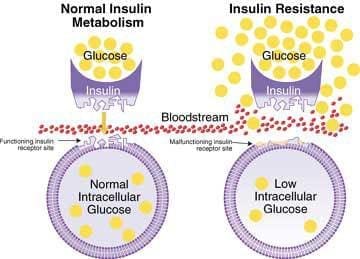 The problem with long-standing insulin resistance is that the pancreas compensates by secreting more insulin to keep glucose within a normal range. Over time, this “solution” becomes a trap.
- High insulin maintains normal glucose for years: During compensatory phases, A1c can look acceptable while insulin levels are chronically elevated.
- Mitochondrial consequences: High insulin facilitates lipid deposition and impairs mitochondrial signaling, promoting a milieu where fat oxidation stalls.
- The spiral: As insulin rises, hepatic lipogenesis accelerates, visceral adiposity increases, and inflammatory signaling intensifies, reinforcing insulin resistance.
Why HbA1c Can Be Misleading in Early or Compensated Insulin Resistance
In clinical practice, I often see individuals with normal or near-normal HbA1c yet severe hyperinsulinemia. A1c is an average of blood glucose over roughly three months; it does not measure insulin itself. When the pancreas can still overproduce insulin, glucose can appear normal while the underlying insulin burden remains high. This masks risk and delays intervention.
- Practical implication: Early insulin resistance often requires tests that examine insulin dynamics, not just glucose averages.
HOMA-IR: Interpreting Insulin Resistance
The Homeostatic Model Assessment for Insulin Resistance (HOMA-IR) uses fasting glucose and fasting insulin to estimate insulin resistance. As HOMA-IR rises, the likelihood of insulin-resistant physiology increases. It is one tool in the clinical toolbox, typically interpreted in the context of lab methodology and patient demographics, with cutoffs that vary across studies. While the statement “if it is over one, you are insulin resistant” appears in some discussions, most peer-reviewed literature recognizes population and assay variability; therefore, we interpret values against reference ranges and in the clinical context, often considering thresholds near 1.5–2.0 as suggestive and values above ~2.5–3.0 as more clearly consistent with insulin resistance in many adult populations, recognizing exceptions.
- Our practice approach: We combine HOMA-IR with continuous glucose monitoring (CGM) patterns, triglyceride/HDL ratio, waist circumference, ALT/GGT, and postprandial responses to obtain a complete picture.
References:
- Assessment of insulin resistance and beta-cell function (Matthews et al.; HOMA method) (APA citations in the reference list at the end)
The Liver’s Role: Why Cutting Sugar Alone May Not Normalize Glucose Output
When the liver is fatty, the organ becomes both a storehouse and a producer of fuels. Insulin’s capacity to suppress hepatic glucose production weakens, while glucagon’s capacity to stimulate gluconeogenesis and glycogenolysis strengthens. In this state, even with low carbohydrate intake, the liver may continue pumping glucose into the circulation.
- Visceral fat drives hepatic insulin resistance: Free fatty acids entering the portal circulation, along with inflammatory mediators, promote hepatic lipid accumulation and disrupt insulin signaling.
- Glucagon sensitivity is heightened: The liver responds strongly to glucagon, perpetuating glucose output decoupled from real energy needs.
- Lipotoxicity and ER stress: Intracellular lipid species and endoplasmic reticulum stress impair insulin signaling molecules (IRS-1/2, PI3K, AKT), further reducing insulin’s suppression of hepatic glucose output.
Clinically, this means we must target visceral fat mobilization and hepatic “unclogging” through movement, nutrition, sleep optimization, stress reduction, and sometimes adjunctive therapeutics. Diet alone may not lower hepatic glucose production quickly if the liver remains steatotic.
Mitochondrial Lipid Accumulation and Insulin Signaling
Mitochondria do not fail overnight. In chronic hyperinsulinemia, cellular lipid intermediates accumulate. Diacylglycerols and ceramides can activate kinases that phosphorylate insulin receptor substrates at inhibitory sites, blocking downstream signaling.
- The result: Poor GLUT4 translocation to the cell surface, reduced glucose oxidation, and impaired ATP production.
- The downstream effect: The muscle and liver act metabolically “deaf” to insulin, requiring ever-higher insulin levels to achieve the same glucose disposal.
By reducing ectopic lipid and restoring mitochondrial turnover (biogenesis and mitophagy), we open insulin signaling pathways. This is why movement, mitochondrial support, sleep, and nutrient timing matter.
Strategic Movement: Why Walking After Meals Works
One of the simplest yet potent tools in reversing insulin resistance is timing short bouts of movement after meals.
- Physiology: Muscle contraction translocates GLUT4 transporters through an insulin-independent pathway (via AMPK and calcium-calmodulin signaling), thereby increasing glucose uptake from the bloodstream even if insulin signaling is impaired.
- Clinical observation: In my practice, a 10–15 minute walk starting 10–20 minutes after a meal frequently lowers postprandial glucose excursions, improves time-to-baseline, and reduces the required insulin response in both insulin-resistant and type 2 diabetes populations.
This is not theoretical. Reproducible CGM data often show improved postprandial curves with even modest activity, as long as it is consistent.
The Daily Metabolic Audit: Practical CGM-Based Feedback
I often ask patients to perform a simple daily audit using a CGM and a standardized morning carbohydrate load if appropriate and medically safe.
- Morning standardized carbohydrate: Approximately 50 grams of clean, minimally processed carbohydrates to test the system’s response.
- Expected response: Postprandial glucose peaks and returns to baseline within about 120 minutes in metabolically flexible individuals.
- If still elevated 4 hours later: The “drain” is still partially plugged, suggesting impaired hepatic suppression, poor muscle uptake, or both.
- Add a 10-minute walk 10 minutes after finishing the meal: If the glucose curve declines more rapidly, you have confirmation that GLUT4-mediated uptake via contraction is working—movement is your ally and a required lever.
This audit gives tangible feedback and helps tailor progression. People learn how their body responds and how specific behaviors, like a post-meal walk, change the curve.
“Strategic Carnivore” as a Transitional Strategy
Nutrition must match physiology. For some patients, I employ a “strategic carnivore” approach as a temporary, targeted tool: a 50-gram carbohydrate breakfast followed by predominantly protein and fat for the rest of the day. The intention is not dogma; it is physiology.
- Rationale: The morning carbohydrate can support hepatic thyroid hormone conversion (T4 to T3) and help entrain circadian metabolic signals. Subsequent lower-carb meals reduce postprandial load during the day when stress and work demands are higher, a period when people often struggle with glycemic control.
- Monitoring: We track how quickly the morning glucose returns to baseline. If the pattern improves week to week, we are moving toward flexibility. If not, we consider mitochondrial support, sleep and stress interventions, gut-liver axis care, and progressive exercise conditioning.
Patients must remember that this is a lever, not a life sentence. The end goal is metabolic flexibility—the ability to switch between fuels—and tolerance for a diverse, nutrient-dense diet that aligns with personal preferences and clinical needs.
Energy Signals: Reading Hunger and Fat Oxidation
In the mid-afternoon, patients often report either steadiness or a dip.
- If you are not ravenous: It usually means you are effectively mobilizing stored fat and oxidizing it for energy—an encouraging sign of improved flexibility.
- If you feel shaky or irritable: Fat oxidation may be underperforming. This can reflect mitochondrial fatigue, insufficient electrolyte intake, poor sleep, excess caffeine, high stress cortisol, or inadequate protein.
We use these signals to adjust electrolytes (sodium, potassium, magnesium), meal timing, protein distribution, and training intensity. Often a short walk, hydration, or a strategic protein feeding resolves these dips as the system adapts.
The NAD+ Axis: Energy, Repair, and Mitochondrial Function
Nicotinamide adenine dinucleotide (NAD+) is central to cellular energy production, redox reactions, sirtuin activity, and DNA repair. Chronic metabolic stress can strain the NAD+ pool.
- NAD+ as an electron carrier: It shuttles electrons in glycolysis and the TCA cycle to the electron transport chain, where it produces ATP.
- Sirtuins: NAD+-dependent deacetylases that regulate mitochondrial biogenesis, inflammation, and metabolic gene expression.
- PARPs and CD38: Enzymes that consume NAD+; chronic activation (from inflammation, DNA damage, or immune signaling) can deplete NAD+ pools.
In insulin-resistant states, maintaining a robust NAD+ pool can support mitochondrial function and metabolic resilience. Various strategies, including nutritional precursors, lifestyle interventions (exercise increasesthe NAD+/NADH ratio), and sleep optimization, can help. We evaluate such options within a medical context.
Note: The transcript you provided mentions mechanisms involving NMN conversion to N1-methylnicotinamide and specific pharmacologic interventions. While research into NAD+ metabolism and pharmacologic agents that modulate these pathways is ongoing, specific claims about off-label compounds or supplements require medical oversight. We should weigh them against peer-reviewed evidence and regulatory considerations. We tailor recommendations individually and prioritize safety.
References:
Is Intermittent Fasting the Ultimate Weight Loss Hack?- Video
Advanced Therapeutics: Interpreting Recent Research
Several modern studies explore agents that may improve insulin sensitivity and metabolic health. The transcript you shared referenced 2023 and 2024 findings. Below I contextualize themes seen in the literature, with careful attention to evidence strength and clinical integration.
- Incretin and multi-agonist therapies: Agents that target GLP-1, GIP, and glucagon receptors (e.g., tirzepatide; investigational multi-agonists such as retatrutide in clinical trials) have shown significant promise in weight reduction and glycemic control. Early-phase and phase 2 data suggest robust improvements in insulin sensitivity, reductions in liver fat, and enhanced metabolic outcomes in some cohorts.
- Mitochondrial peptides: MOTS-c, a mitochondrial-encoded peptide, has been reported in preclinical and early human studies to influence metabolic flexibility, exercise performance, and insulin sensitivity. Although promising, it remains an area of active investigation, and clinical use should follow evolving evidence and regulatory guidance.
- NAD+-related agents: There are ongoing studies into NAD+ precursors and modulators. Not all interventions are established; clinical translation must be cautious and individualized.
Important: We practice within evidence-based and regulatory frameworks. Whenever we consider advanced therapeutics, Dr. Cardenas provides medical oversight, evaluates contraindications, and monitors biomarkers to ensure the benefits outweigh risks. Not every promising agent is appropriate for every patient.
References:
- Retatrutide for obesity and metabolic health
- Tirzepatide in type 2 diabetes
- GLP-1RA and NAFLD
- MOTS-c biology review
Note: Readers should consult the reference list for peer-reviewed sources. We continuously update our protocol as high-quality evidence emerges.
Integrative Chiropractic Care: The Metabolic Enabler
Patients often ask how chiropractic care fits into reversing insulin resistance. My answer is that it enables the behaviors and physiologic states that reverse it.
- Biomechanics and pain relief: Chronic pain limits movement—the very stimulus required to activate GLUT4 and build mitochondrial capacity. By improving joint mechanics, soft tissue function, and spinal alignment, we reduce movement barriers.
- Autonomic regulation: Spinal dysfunction and pain can amplify sympathetic tone and stress hormones that worsen insulin resistance. Many patients report improved sleep quality, a downshifted stress response, and reduced nociceptive drive after care, which supports glucose control.
- Gait and load distribution: Correcting kinetic chain dysfunction reduces compensations that fatigue muscles and discourage consistent activity. When walking, squatting, and carrying load feel better, adherence surges.
In other words, chiropractic care removes mechanical and neurologic friction so you can move consistently and sleep deeply—two pillars of metabolic restoration.
Clinical observations:
- On dralexjimenez.com and on my professional profile, I routinely share case patterns where reducing pain and improving lumbar-pelvic mechanics unlocked a patient’s ability to perform daily post-meal walks and structured strength training. Within weeks, CGM patterns stabilized, postprandial spikes softened, and HOMA-IR trended downward alongside reductions in ALT and triglycerides.
Functional Medicine Pillars: Comprehensive Root-Cause Strategy
Our functional medicine lens complements chiropractic and medical oversight:
- Nutrition periodization: We deploy macronutrient strategies in phases—such as “strategic carnivore,” Mediterranean patterns, or higher-protein, lower-glycemic approaches—each chosen for the patient’s metabolic recovery phase.
- Sleep architecture: Deep sleep supports glucose homeostasis and growth hormone pulses that facilitate lipolysis and tissue repair. We use behavioral strategies, circadian anchoring, light hygiene, and, when indicated, medical evaluation for sleep apnea.
- Stress and autonomic balance: Chronic cortisol elevation drives visceral adiposity and hepatic insulin resistance. Breathwork, biofeedback, and movement reduce sympathetic dominance.
- Micronutrients: Magnesium, potassium, zinc, chromium, and B vitamins can support glucose handling, insulin signaling, and mitochondrial enzymes where deficiencies exist.
- Gut-liver axis: Dysbiosis and increased intestinal permeability can raise endotoxin exposure, aggravating hepatic inflammation. Dietary fiber, polyphenols, and targeted probiotics may support barrier function and liver health, individualized by symptoms and testing.
- Environmental inputs: Smoking, alcohol, and certain environmental exposures worsen insulin resistance and fatty liver. Risk mitigation is part of the plan.
Rehabilitation and Strength Conditioning: Building Mitochondria You Can Use
Mitochondrial health is activity-dependent. We use a graduated training model:
- Low-intensity steady-state (LISS) and post-meal walks: First-line for fatigued or deconditioned patients to build foundational oxidative capacity without excessive stress.
- Zone 2 training: Sustained, moderate efforts that preferentially stimulate fat oxidation and mitochondrial biogenesis through PGC-1α activation.
- Resistance training: Increases muscle mass and insulin-sensitive surface area, improves glycogen storage capacity, and enhances myokine signaling that benefits the liver and adipose tissue.
- Movement quality: We prioritize form, tempo, breath, and mechanics. Good movement patterns reduce injury risk, enhance adherence, and produce reliable metabolic gains.
By integrating chiropractic corrections with rehabilitation, we improve mechanics first and then layer in the right dose of training. That sequence boosts safety, confidence, and results.
Personal Injury Context: Keeping Metabolism from Slipping
Injury can push a metabolically fragile person into deeper insulin resistance because pain and immobilization reduce activity while stress hormones surge. Our clinic is built to prevent that cascade.
- Early mobilization within safe limits: Even short, frequent movement blocks help maintain GLUT4 activation.
- Pain control beyond pills: Manual therapies, soft tissue work, modalities, and guided exercise often reduce analgesic needs and protect sleep.
- Nutritional support for healing: Adequate protein, omega-3s, and micronutrients assist tissue repair without spiking glucose.
Dr. Cardenas oversees medication decisions and coordinates imaging and referrals when needed, ensuring safety while we restore function.
Monitoring and Metrics: More Than One Number
We do not rely on a single metric to track insulin resistance.
- CGM: Time in range, postprandial amplitude, and time to baseline after standard meals.
- HOMA-IR: Interpreted with assay-specific context.
- Triglyceride/HDL ratio: A surrogate for insulin resistance and hepatic VLDL output.
- Liver enzymes and fibrosis scores: ALT, AST, GGT, FIB-4, and ultrasound or MRI-PDFF when indicated.
- Body composition: Visceral fat estimates and waist circumference are metabolically critical.
- Fitness testing: VO2 surrogates, heart rate recovery, and functional movement screens.
We set realistic trajectories and celebrate trend changes, not perfection in any single data point.
Practical Daily Protocol: How We Sequence the Work
- Morning light exposure: Anchor circadian rhythm; supports cortisol awakening response and thyroid rhythm.
- Hydration and electrolytes: Especially important during lower-carb phases for stable energy and blood pressure.
- 50 g clean carbohydrate breakfast (if using strategic carnivore phase): Observe CGM response and time-to-baseline.
- Post-meal walk: 10–15 minutes to engage GLUT4.
- Midday strength: Short, focused resistance sessions 2–4 times weekly, scaled to your level.
- Afternoon check-in: Note hunger, shakiness, or steadiness; adjust electrolytes, protein, or light movement as needed.
- Evening wind-down: Reduce blue light, do breathwork, and keep a regular sleep schedule to preserve deep sleep.
This cadence compounds results: better sleep improves insulin sensitivity; improved mechanics enable movement; movement restores mitochondrial function; mitochondrial function reduces liver fat; reduced liver fat quiets inappropriate glucose output.
Safety, Individualization, and Medical Oversight
Every intervention is individualized. Dr. Cardenas evaluates cardiovascular risk, renal function, liver status, medications (e.g., insulin, sulfonylureas, SGLT2 inhibitors, GLP-1/GIP analogs), and potential interactions. We may adjust antihyperglycemics as lifestyle improves to avoid hypoglycemia. We also screen for thyroid disease, sleep apnea, and other conditions that can masquerade as or worsen insulin resistance.
This is where the integrative model shines: chiropractic care and rehab bring movement online; functional medicine aligns habits with physiology; internal medicine oversight keeps patients safe, optimizing medications and tests as the body changes.
What Progress Looks Like Over Time
While each case is unique, a common pattern emerges when the system begins to heal:
- Weeks 1–4: Improved postprandial curves with post-meal walks; initial energy stabilization; reduced cravings. Early improvements in sleep quality and morning alertness.
- Weeks 4–12: Lower fasting insulin and HOMA-IR trends; triglyceride reduction; ALT/GGT improvements; visible reductions in waist circumference. Increased activity tolerance, smoother CGM lines, and better mood.
- Months 3–12: Marked gains in fitness, strength, and mitochondrial capacity; sustainable diet diversity; continued decreases in visceral adiposity; fewer glucose spikes under ordinary life stressors.
Our goal is not just a decent lab report; it is a life you can live with energy, resilience, and freedom from metabolic fragility.
Bringing It All Together: The Three Levers for Reversing Insulin Resistance
- Mobilize visceral fat and decongest the liver: Through movement, sleep, stress reduction, and nutrition that reduces hepatic fat and normalizes glucagon-insulin dynamics.
- Restore mitochondrial function and elevate NAD+-dependent resilience: Through exercise, sleep, nutrient sufficiency, and, when appropriate, medically supervised adjuncts.
- Reawaken insulin signaling and metabolic flexibility: With post-meal walks, resistance training, and progressive conditioning that teaches the body to use both fats and carbohydrates seamlessly.
Chiropractic care supports all three by removing mechanical barriers to movement and calming autonomic hyperarousal. Internal medicine oversight ensures safety and precision. Functional medicine coordinates daily habits into a coherent program that the body can actually execute.
Final Word
Reversing insulin resistance is not about a single diet. It is about reengineering the environment inside your body—liver, muscle, mitochondria, and nervous system—so that insulin can do its job again. Our integrative clinic model, led by me, Dr. Alex Jimenez, DC, APRN, FNP-BC, CFMP, IFMCP, ATN, CCST, with medical direction by Dr. Maria Guadalupe Cardenas, MD (NPI #1164426749; TX License #J2933), is designed to make that transformation practical, safe, and sustainable.
If the ideas here resonate with you, explore my clinical observations and articles at dralexjimenez.com and connect with me at linkedin.com/in/dralexjimenez. We welcome the opportunity to collaborate with you on a personalized plan.
References
- Assessment of insulin resistance and beta-cell function using HOMA. Matthews, D. R., Hosker, J. P., Rudenski, A. S., Naylor, B. A., Treacher, D. F., & Turner, R. C. (1985). Homeostasis model assessment: insulin resistance and beta-cell function from fasting plasma glucose and insulin concentrations in man. Diabetologia, 28(7), 412–419.
- NAD+ metabolism and the control of energy homeostasis. Verdin, E. (2015). NAD+ in aging, metabolism, and neurodegeneration. Science, 350(6265), 1208–1213.
- Sirtuins and metabolic control. Houtkooper, R. H., Pirinen, E., & Auwerx, J. (2012). Sirtuins as regulators of metabolism and healthspan. Nature Reviews Molecular Cell Biology, 13(4), 225–238.
- Tirzepatide in type 2 diabetes Frías, J. P., Davies, M. J., Rosenstock, J., Pérez Manghi, F. C., Fernández Landó, L., Bergman, B. K., Liu, B., & Cui, X. (2021). Tirzepatide versus semaglutide once weekly in patients with type 2 diabetes. New England Journal of Medicine, 385(6), 503–515.
- Retatrutide for obesity and metabolic disease (phase 2). Jastreboff, A. M., Aronne, L. J., Ahmad, N. N., et al. (2023). Retatrutide in adults with obesity. New England Journal of Medicine, 389, 514–526.
- GLP-1 receptor agonists and NAFLD. Mantovani, A., Petracca, G., Beatrice, G., Csermely, A., Lonardo, A., Targher, G. (2023). GLP-1 receptor agonists for treatment of nonalcoholic fatty liver disease: A systematic review. Diabetologia, 66, 189–211.
- Mitochondrial-derived peptides and metabolism (MOTS-c). Lee, C., & Cohen, P. (2021). Mitochondrial-derived peptides in aging and disease. Nature Reviews Neurology, 17, 715–724.
- Exercise, GLUT4, and insulin-independent glucose uptake. Sylow, L., Kleinert, M., Richter, E. A., & Jensen, T. E. (2017). Exercise-stimulated glucose uptake—regulation and implications for glycaemic control. Physiological Reviews, 97(4), 1631–1658.
- Hepatic insulin resistance and NAFLD mechanisms. Softic, S., Cohen, D. E., & Kahn, C. R. (2020). Role of dietary fructose and hepatic de novo lipogenesis in fatty liver disease. Gastroenterology, 158(8), 1971–1986.
- Ceramides, DAGs, and insulin signaling. Samuel, V. T., & Shulman, G. I. (2012). Mechanisms for insulin resistance: Common threads and missing links. Cell, 148(5), 852–871.
- Circadian rhythm, glucose metabolism, and meal timing. Morris, C. J., Yang, J. N., Garcia, J. I., et al. (2015). Endogenous circadian system and circadian misalignment impact glucose tolerance via separate mechanisms. Current Biology, 25(24), 3112–3118.
- Resistance training and insulin sensitivity. Yang, Z., Scott, C. A., Mao, C., Tang, J., & Farmer, A. J. (2014). Resistance exercise versus aerobic exercise for type 2 diabetes: A systematic review and meta-analysis. Diabetes Care, 37(6), 1589–1596.
- Visceral fat, portal FFA, and hepatic insulin resistance. Shulman, G. I. (2014). Ectopic fat in insulin resistance, dyslipidemia, and cardiometabolic disease. New England Journal of Medicine, 371(12), 1131–1141.
- Postprandial walking and glycemic control. Boniol, M., Dragomir, A. I., et al. (2017). Timing of physical activity for glycemic control. Diabetes Care, 40(7), 945–953.
- Sleep restriction and insulin resistance. Tasali, E., Leproult, R., Ehrmann, D. A., & Van Cauter, E. (2013). Slow-wave sleep and glucose metabolism. Annals of Internal Medicine, 159(11), 765–774.
- Electrolytes in low-carbohydrate adaptation. Volek, J. S., & Phinney, S. D. (2020). A well-formulated ketogenic diet’s electrolyte considerations. Nutrients, 12(3), 836.
- Glycemic variability and cardiovascular risk. Ceriello, A., & Monnier, L. (2017). The role of glycemic variability in cardiovascular complications. Circulation Research, 120(9), 1396–1398.
- Noninvasive assessment of liver fat (MRI-PDFF). Reeder, S. B., Cruite, I., Hamilton, G., & Sirlin, C. B. (2011). Quantitative assessment of liver fat with MRI. Hepatology, 54(1), 328–337.
- Exercise intensity domains and mitochondrial adaptations. Holloszy, J. O. (2011). Regulation by exercise of skeletal muscle content of mitochondria and GLUT4. Journal of Applied Physiology, 111(6), 1633–1638.
- Autonomic imbalance and metabolic syndrome. Grassi, G., Seravalle, G., Quarti-Trevano, F. (2010). Sympathetic overdrive and metabolic syndrome. Current Hypertension Reports, 12(4), 257–264.
SEO tags: insulin resistance, hyperinsulinemia, mitochondrial dysfunction, NAD+, GLUT4, fatty liver, NAFLD, gluconeogenesis, HOMA-IR, CGM, retatrutide, tirzepatide, MOTS-c, chiropractic care, integrative medicine, functional medicine, postprandial walking, Zone 2 training, resistance training, visceral fat, metabolic flexibility, Dr. Alex Jimenez, Dr. Maria Guadalupe Cardenas, El Paso injury clinic, personal injury rehabilitation, autonomic regulation, sleep and metabolism, liver decongestion, strategic carnivore
Post Disclaimer
General Disclaimer, Licenses and Board Certifications *
Professional Scope of Practice *
The information herein on "Integrative Strategies to Heal from Insulin Resistance" is not intended to replace a one-on-one relationship with a qualified health care professional or licensed physician and is not medical advice. We encourage you to make healthcare decisions based on your research and partnership with a qualified healthcare professional.
Blog Information & Scope Discussions
Welcome to El Paso's Premier Wellness and Injury Care Clinic & Wellness Blog, where Dr. Alex Jimenez, DC, FNP-C, a Multi-State board-certified Family Practice Nurse Practitioner (FNP-BC) and Chiropractor (DC), presents insights on how our multidisciplinary team is dedicated to holistic healing and personalized care. Our practice aligns with evidence-based treatment protocols inspired by integrative medicine principles, similar to those on this site and on our family practice-based chiromed.com site, focusing on naturally restoring health for patients of all ages.
Our areas of multidisciplinary practice include Wellness & Nutrition, Chronic Pain, Personal Injury, Auto Accident Care, Work Injuries, Back Injury, Low Back Pain, Neck Pain, Migraine Headaches, Sports Injuries, Severe Sciatica, Scoliosis, Complex Herniated Discs, Fibromyalgia, Chronic Pain, Complex Injuries, Stress Management, Functional Medicine Treatments, and in-scope care protocols.
Our information scope is multidisciplinary, focusing on musculoskeletal and physical medicine; wellness; contributing etiological viscerosomatic disturbances within clinical presentations; associated somato-visceral reflex clinical dynamics; subluxation complexes; sensitive health issues; and functional medicine articles, topics, and discussions.
We provide and present clinical collaboration with specialists from various disciplines. Each specialist follows their professional scope of practice and licensure jurisdiction. We use functional health & wellness protocols to treat and support care for musculoskeletal injuries or disorders.
Our videos, posts, topics, and insights address clinical matters and issues that directly or indirectly relate to our clinical scope of practice.
Our office has made a reasonable effort to provide supportive citations and has identified relevant research studies that support our posts. We provide copies of supporting research studies upon request to regulatory boards and the public.
For further discussion on how this information relates to specific care plans or treatment protocols, please ask Dr. Alex Jimenez, DC, APRN, FNP-BC, or contact us at 915-850-0900.
We are here to help you and your family.
Blessings
Dr. Alex Jimenez DC, MSACP, APRN, FNP-BC*, CCST, IFMCP, CFMP, ATN
Email: [email protected]
Multidisciplinary Licensing & Board Certifications:
Licensed as a Doctor of Chiropractic (DC) in Texas & New Mexico*
Chiropractic Licenses:
Texas DC License #: TX5807, Verified: TX5807
New Mexico DC License #: NM-DC2182, Verified: NM-DC2182
Nurse Practitioner Licenses:
Texas APRN License #: 1191402, Verified: 1191402 *
New Mexico CNP License #: 90560, Verified 90560
Florida APRN License #: 11043890, Verified: APRN11043890 *
Colorado License #: C-APN.0105610-C-NP, Verified: C-APN.0105610-C-NP
New York License #: N25929, Verified N25929
Georgia APRN License #: GAA-NP005701
Multi-State Advanced Practice Registered Nurse (APRN*) Texas & Multi-States
Multi-state Compact APRN License by Endorsement (43 States)
Compact Status: Multi-State License: Authorized to Practice in 43 States*
Nursing Licensure Compact: Updated Here
DEA Registration: (Drug Enforcement Agency Registered)
All medical (MDs) and family practice providers (FNP-APRN) are registered and licensed to offer various levels of medication.
Verify Providers' DEA Registration Here
License Verification Link: Nursys License Verifier
* Prescriptive Authority Authorized (DEA Registered Providers). Call if Required
Board Certification:
ANCC FNP-BC: Board Certified Nurse Practitioner*
Education:
Graduate with Honors: ICHS: MSN-FNP (Family Nurse Practitioner Program)
Degree Granted. Master's in Family Practice, MSN Diploma (Cum Laude)
Dr. Alex Jimenez, DC, APRN, FNP-BC*, CFMP, IFMCP, ATN, CCST
(Board Certified: Family Practice Nurse Practitioner—Multistate)*
(Licensed Nurse Practitioner & Chiropractor - Multistate)*
Clinical Director
DC & FNP License (Review Above)
Digital Business Card
NPI: 1205907805
Dr. Maria Cardenas, MD
(Board Certified: Internal Medicine)
(Licensed Medical Doctor)
Medical Director, Clinical Director & Collaborative Physician
NPI # 1164426748
MD License #: J2933
Licenses and Board Certifications:
MD: Medical Doctor
DC: Doctor of Chiropractic
APRNP: Advanced Practice Registered Nurse
FNP-BC: Family Practice Specialization (Multi-State Board Certified)
FNP-BC: Family Practice Across Life Span (Neonatal to Geriatrics)
RN: Registered Nurse (Multi-State Compact License)
CFMP: Certified Functional Medicine Provider
MSN-FNP: Master of Science in Family Practice Medicine
MSACP: Master of Science in Advanced Clinical Practice
IFMCP: Institute of Functional Medicine
CCST: Certified Chiropractic Spinal Trauma
ATN: Advanced Translational Neutrogenomics
Family with Primary Care Focus (Family Nurse Practitioner or FNP)
- The Family Nurse Practitioner (FNP) promotes, maintains, and restores health for individuals and families across the lifespan. FNPs also identify health risks, promote wellness, and diagnose and manage acute and chronic illness.
- The FNP focuses on comprehensive primary care, promoting healthy lifestyles for patients across the lifespan in settings such as private practice, physician offices, and community health centers.
Memberships & Associations:
TCA: Texas Chiropractic Association: Member ID: 104311
TNA: Texas Nurse Association: Member ID: 06458222
TNP: Texas Nurse Practitioner Association ID: 2025091511
AANP: American Association of Nurse Practitioners: Member ID: 2198960
ANA: American Nurses Association: Member ID: 06458222 (District TX01)
| Primary Taxonomy | Selected Taxonomy | State | License Number |
|---|---|---|---|
| No | 111N00000X - Chiropractor | NM | DC2182 |
| Yes | 111N00000X - Chiropractor | TX | DC5807 |
| Yes | 363LF0000X - Nurse Practitioner - Family | TX | 1191402 |
| Yes | 363LF0000X - Nurse Practitioner - Family | FL | 11043890 |
| Yes | 363LF0000X - Nurse Practitioner - Family | CO | C-APN.0105610-C-NP |
| Yes | 363LF0000X - Nurse Practitioner - Family | NY | N25929 |
| Yes | 363LF0000X - Nurse Practitioner - Family | NM |
90560 |
| Yes | 363LF0000X - Nurse Practitioner - Family | GA | GAA-NP005701 |
Dr. Alex Jimenez, DC, APRN, FNP-BC*, CFMP, IFMCP, ATN, CCST
(Board Certified: Family Practice Nurse Practitioner—Multistate)*
(Primary Care Across Lifespan—Neonatal / Pediatric / Adult / Geriatrics)
(Licensed Nurse Practitioner & Chiropractor - Multistate)*
Clinical Director
Digital Business Card
NPI: 1205907805
Dr. Maria Cardenas, MD
(Board Certified: Internal Medicine)*
(Licensed Medical Doctor)*
Medical Director, Clinical Director & Collaborative Physician
NPI # 1164426748
MD License #: J2933
📆 Schedule Appointment: Schedule 24/7 (Click Here)