


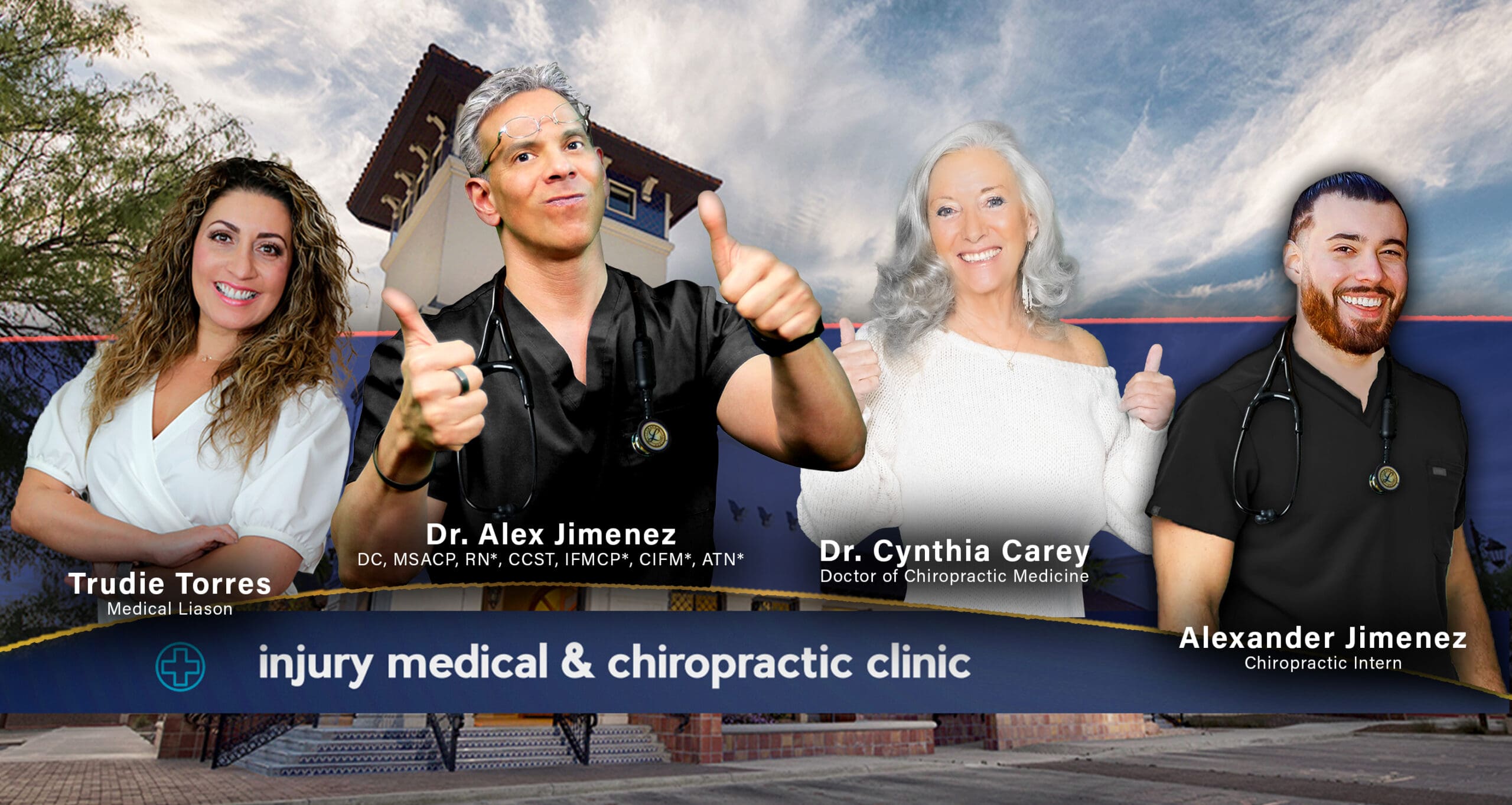
If you’ve hurt a joint, strained a muscle, torn a ligament, or been injured in a car accident or at work, two things usually matter to you at the same time: getting genuinely better and having a clear, accurate record of what happened to your body—one that holds up if an insurance company or an attorney ever asks. Dr. Alexander Jimenez, DC, APRN, FNP-BC, built his El Paso practice, Injury Medical & Chiropractic Clinic, around that intersection: focused, hands-on treatment of joint and soft tissue injuries, paired with the careful, medically sound documentation a personal injury case needs.
This guide explains what makes joint and soft tissue injury care its specialty, how Dr. Jimenez’s dual licensure supports both the treatment and the documentation side of an injury case, and—just as importantly—how his practice is built around your right to make your own decisions about your own body. You will not find pressure toward a predetermined treatment package here. You will find an explanation of your options, honesty about what the evidence supports, and respect for your final say. We’ll also look at independent, outside sources that corroborate his reputation, so you’re not relying on the clinic’s word alone.
Nothing in this article replaces a real evaluation by a licensed provider, and nothing here is legal advice. It’s a map to help you understand the terrain—of joint and soft tissue injuries, of the documentation process, and of your rights as a patient—before you walk into any clinic, including this one.
Table of Contents
1. Who Is Dr. Alexander Jimenez?
Dr. Alexander D. Jimenez has practiced in El Paso since 1991, when he graduated with honors from the National University of Health Sciences (formerly National College of Chiropractic) near Chicago and became a licensed Doctor of Chiropractic. Over three decades, he completed a Master of Science in Nursing with a Family Nurse Practitioner specialization and earned board certification from the American Nurses Credentialing Center (ANCC) as a Family Nurse Practitioner (FNP-BC). He also holds a Certified Chiropractic Spinal Trauma (CCST) specialization—additional training focused specifically on evaluating and documenting injuries caused by trauma, such as car accidents, falls, and sports collisions.
He holds active Doctor of Chiropractic licenses in Texas (license #TX5807) and New Mexico (license #NM-DC2182) and a multi-state Advanced Practice Registered Nurse license, including Texas (APRN #1191402), New Mexico, Florida, Colorado, New York, and Georgia. His dralexjimenez.com website and his federal National Provider Identifier record (NPI 1205907805) Both confirm this dual scope: chiropractic care for the joint and soft tissue structures themselves and nurse-practitioner-level medical evaluation for everything a joint exam alone can’t answer—nerve involvement, systemic injury, medication needs, and coordination with other treating physicians.
That combination matters more in joint and soft tissue injury cases than almost anywhere else in health care, because these injuries sit at the exact intersection of “what’s mechanically wrong” and “what does a formal medical record need to say about “it”—and having one provider who can genuinely speak to both, rather than referring you to a second office for the paperwork, is unusual.
2. Why Joint and Soft Tissue Injuries Deserve a Specialist
Not every provider who treats pain treats joints and soft tissue the same way, and the distinction matters more than most patients realize.
Joints are where two or more bones meet—the shoulder, knee, wrist, spine’s facet joints, and dozens of others—and they depend on a coordinated system of cartilage, ligaments, and surrounding muscle to move correctly and painlessly. Soft tissue is the umbrella term for the muscles, tendons (which connect muscle to bone), and ligaments (which connect bone to bone) that stabilize and move these joints. A joint injury and a soft tissue injury frequently happen together in the same incident—a sprained ankle, for example, is technically a ligament (soft tissue) injury, but it also affects how the ankle joint itself moves and bears weight—which is exactly why a provider needs to evaluate both together rather than treating them as separate, unrelated problems.
A specialist in this area offers a few specific advantages that a generalist may not:
- Precise structural diagnosis. Distinguishing a sprain from a strain, a partial tear from a complete tear, or a joint capsule irritation from a true ligament injury changes the entire treatment plan and the expected recovery timeline. Getting this wrong at the start can mean months of treating the wrong problem.
- Understanding healing timelines is also important. Ligaments, tendons, and muscles each heal at different rates because they have different blood supplies—muscle generally heals fastest, tendons and ligaments more slowly, which is part of why a soft tissue specialist doesn’t rush a treatment plan or promise a one-size-fits-all recovery date.
- Recognizing when conservative care is enough and when it isn’t is important. A grade I ligament sprain often responds well to conservative chiropractic and rehabilitative care. A complete ligament rupture, a full-thickness rotator cuff tear, or a joint with mechanical locking usually needs an orthopedic surgical opinion. Knowing the difference—and saying it plainly—is central to Dr. Jimenez’s stated approach.
- Injury-specific documentation skill. Joint and soft tissue injuries are, by a wide margin, the most common injuries in car accidents, workplace incidents, and sports, and they are also the most common subject of insurance and legal disputes over whether an injury is real, how severe it is, and what caused it. A specialist addresses two needs—physical recovery and an accurate record—by understanding both the clinical exam and the documentation required for a personal injury or workers’ compensation claim, using one coordinated evaluation instead of two disconnected ones.
- Recognizing compensation patterns is essential. When one joint or muscle group is injured, the body often unconsciously shifts load onto neighboring structures to avoid pain—someone with an injured right knee, for example, may start favoring the left leg so much that it creates secondary strain there weeks later. A specialist watches for these secondary, compensation-driven injuries rather than treating only the original complaint.
- Familiarity with which injuries plateau and when to escalate. Most conservative treatment plans are built around expected checkpoints—noticeable improvement by a certain number of weeks. A specialist recognizes early when a joint or soft tissue injury is not following the expected curve, which is often the clearest signal that something more significant than initially suspected is present.
Why This Is Not “Just Back Pain” Care
A general-practice chiropractic office often focuses on axial spine pain—general back and neck discomfort—and treats it in a fairly standardized way from visit to visit. Joint and soft tissue injury work asks a different, more varied question every time: which specific ligament, tendon, muscle, or joint capsule is involved, how severely, and what does that specific structure need to heal correctly? A shoulder injury, a knee injury, and a wrist injury aren’t variations on the same treatment; they are different problems that require different hands-on techniques, different rehabilitation exercises, and different healing timelines. Treating them as though a single generic protocol applies to all of them is where many unsatisfying, slow-moving recoveries come from—and it’s the specific gap a focused joint and soft tissue specialty is meant to close.
3. Understanding His Credentials
Here is what each credential means, translated into plain English, with an emphasis on how it supports joint and soft tissue injury work specifically.
DC—Doctor of Chiropractic. A four-year graduate degree focused on the musculoskeletal system—the joints, muscles, ligaments, tendons, and nerves that let your body move. Chiropractic training includes hands-on techniques to adjust and mobilize joints, plus soft-tissue assessment and treatment. Dr. Jimenez has held an active Texas chiropractic license since 1991.
APRN / FNP-BC—Advanced Practice Registered Nurse, Family Nurse Practitioner, Board Certified. This graduate-level nursing credential, certified through a national exam administered by the American Nurses Credentialing Center, allows for a broader medical evaluation—ordering imaging and lab work, prescribing medication when appropriate, and recognizing when a joint or soft tissue complaint is actually masking something else, like a fracture, a vascular injury, or a nerve compression that needs a different kind of specialist.
CCST—Certified Chiropractic Spinal Trauma Specialist. This credential focuses on evaluating and documenting trauma-related spine and joint injuries from car accidents, falls, and collisions—the biomechanics of how these injuries happen, and how to properly and thoroughly document the findings in a way a claims adjuster, opposing counsel, or judge can use. This is arguably the single most relevant credential to the personal injury side of this guide.
MSACP—Master of Science, Advanced Clinical Practice. An additional graduate-level credential in advanced clinical decision-making, layered on top of his primary licenses.
CFMP and IFMCP—functional medicine certifications, awarded through a functional medicine training program and the Institute for Functional Medicine, respectively. While this guide focuses on his joint and soft tissue specialty, these credentials support the whole-body evaluation side of his practice—useful when an injury heals more slowly than expected, which can point to an underlying metabolic or inflammatory factor worth investigating.
ATN—Advanced Translational Nutrigenomics. Training in how nutrition and genetics interact, occasionally relevant to tissue-healing support during a longer recovery.
His National Provider Identifier (NPI 1205907805) is publicly searchable in the federal NPI Registry, and his functional medicine certification can be independently verified through IFM’s public “Find a Practitioner” directory—both discussed further in Section 14.
4. How Joints, Ligaments, Tendons, and Muscles Actually Get Injured
Understanding basic injury mechanics clarifies why the exam process described later in this guide asks specific questions.
Sprains are ligament injuries, graded I through III by severity: Grade I is a mild overstretch with minimal fiber damage, Grade II involves a partial tear with some joint instability, and Grade III is a complete tear, often producing a joint that feels “loose” or gives way under stress. Strains are the equivalent injury to a muscle or tendon rather than a ligament, and they use the same three-grade system. The difference between a sprain and a strain isn’t just vocabulary—it changes what structure the treatment plan actually needs to target.
Mechanism of injury—how exactly the injury happened—is one of the most diagnostically useful pieces of information a provider can gather, and it’s precisely why a thorough history-taking process (described in Section 8) matters so much. A knee that buckled inward during a sudden pivot suggests a different injured structure than a knee that was struck directly from the side in a car accident. A wrist injured by catching a fall with an outstretched hand suggests a different pattern than one injured by a repetitive, overuse motion at work. Matching the mechanism to the exam findings is a core diagnostic skill, and it’s also exactly the kind of detail that matters enormously in a personal injury record, since it directly ties a specific incident to a specific, documented physical finding.
Inflammation is the body’s natural first response to soft tissue injury—swelling, warmth, and pain show that healing has already begun, not that something is going catastrophically wrong. Understanding this normal inflammatory timeline helps set realistic expectations: most Grade I and II soft tissue injuries show meaningful improvement within two to six weeks of appropriate care, while Grade III injuries and significant joint injuries often take considerably longer and may need imaging or surgical evaluation before a realistic timeline can even be given.
The three phases of tissue healing provide a useful mental model of what’s happening beneath the surface at each stage of recovery. The inflammatory phase, lasting roughly the first three to five days after injury, is when the body clears damaged tissue and begins recruiting the cells needed for repair—this is the swelling, warmth, and acute pain stage. The proliferative phase, generally spanning the next few weeks, is when the body actively lays down new collagen fibers to rebuild the injured ligament, tendon, or muscle tissue—this new tissue is present but still fragile, which is precisely why a graded return to activity, rather than either total rest or an immediate return to full function, matters so much during this window. The remodeling phase, which can continue for months after a moderate to severe injury, is when that new collagen tissue reorganizes and strengthens along the lines of normal mechanical stress—meaning appropriately progressive loading and exercise during this phase isn’t just helpful; it’s part of what actually teaches the healing tissue to become strong again in the right pattern. Understanding these three phases explains why rushing back to full activity too early, or conversely, staying immobile far longer than needed, can each independently slow down a full recovery.
Direct trauma versus repetitive strain. Joint and soft tissue injuries generally fall into two broad categories with different documentation implications. A direct-trauma injury—a car accident, a fall, a sports collision—has a single identifiable moment of injury, which makes it comparatively straightforward to document and causally link to a specific event. A repetitive-strain injury—the kind that develops gradually from months of overhead lifting at work or a poor ergonomic setup—builds up over time without one clean moment of onset, which can make both the diagnosis and, when relevant, a workers’ compensation claim harder to establish. Recognizing which category an injury falls into early shapes both the treatment conversation and, when applicable, the documentation approach.
Why This Matters for Both Your Recovery and Your Case
Understanding these basic mechanics isn’t just academic. A patient who understands that new tissue is genuinely more fragile during the proliferative phase is less likely to reinjure the same structure by returning to full activity too soon out of frustration or financial pressure. And a patient whose treating provider documents which specific healing phase an injury is in—rather than simply recording a repeated pain score—creates a far more medically coherent and credible record for any personal injury or workers’ compensation claim that may depend on it.
5. Inside Injury Medical & Chiropractic Clinic
Injury Medical & Chiropractic Clinic describes itself, in its own materials, as the largest multidisciplinary injury recovery practice in El Paso, with locations including
- Vista Del Sol (East Side / Main Clinic): 11860 Vista Del Sol, Suite 128, El Paso, TX 79936 — phone 915-412-6677
- Gateway East (Central / Rehabilitation Center): 6440 Gateway East, Suite B, El Paso, TX 79905—phone 915-850-0900
- Airport Boulevard (North East Rehabilitation & Fitness Center): 7100 Airport Blvd, Suite C, El Paso, TX
The clinic is generally open Monday through Friday, 8:30 a.m. to 7:00 p.m., and weekends 8:30 a.m. to 4:00 p.m., though hours can change, so it’s worth confirming before a visit.
The team is built specifically around coordinated joint and soft tissue injury recovery:
- Alexander Jimenez, DC, APRN, FNP-BC—Clinical Director, providing both chiropractic and nurse-practitioner-level evaluation
- Maria Cardenas, MD—Medical Director, board-certified in Internal Medicine, providing physician-level oversight for complex cases
- Chiropractors and rehabilitation specialists focused on joint and soft tissue recovery
- Physical therapists who build the strength and mobility programs that prevent re-injury
- Massage therapists for soft-tissue-specific manual work
- Registered nurses and additional nurse practitioners
The clinic also uses diagnostic tools directly relevant to joint and soft tissue evaluation: digital motion X-ray and standard imaging for fractures and joint alignment, and nerve conduction and neurological screening for cases where a joint or soft tissue injury may be affecting a nearby nerve—both important for ruling structures in or out before a treatment plan and both important pieces of objective evidence in a personal injury file.
6. His Core Philosophy: Beneficence, Autonomy, and Informed Choice
Two ideas sit at the center of how Dr. Jimenez’s materials describe his approach to patient care, and they come directly from medicine’s ethical foundations: beneficence and patient autonomy.
Beneficence: Acting in Your Best Interest, Not the Practice’s
Beneficence is the ethical obligation to act for the patient’s benefit—not for schedule convenience, not for what generates the most billable visits, and not for what makes a case file look a certain way to an insurer or attorney. In practical terms, this shows up as
- Recommending the least invasive effective option first and being honest when a more advanced treatment is genuinely warranted, rather than defaulting to it as a first step.
- Referring out promptly when a condition is beyond what conservative chiropractic and functional medicine care can safely and effectively handle—a torn ligament that needs surgical repair doesn’t benefit from months of adjustments delaying that referral.
- Being transparent about uncertainty. When the evidence for a particular treatment is limited, or when recovery timelines are genuinely difficult to predict, a beneficence-centered practice says so directly instead of offering false confidence.
- Not over-treating. A responsible provider doesn’t extend a course of care longer than the clinical picture supports, whether or not a legal claim is attached to the case. The goal stated throughout the clinic’s own materials is real physical recovery—documentation exists to support that recovery accurately, not to manufacture the appearance of injury or drag out treatment.
Autonomy: The Care Is Yours to Direct
Patient autonomy is the principle that a competent adult has the right to make decisions about their own body and their own care—including the right to choose a treatment, decline a treatment, seek a second opinion, or stop treatment altogether, without being made to feel that a relationship or a legal case depends on compliance. This guide places particular emphasis on this principle because personal injury patients, in particular, sometimes feel pressure—real or perceived—to follow a specific treatment path because “the case needs it.” A patient-first practice actively works against that dynamic:
- You are not required to accept every recommended treatment in order to continue receiving care for the treatments you want. A provider can recommend a full plan and still respect a patient’s choice to pursue only part of it.
- You can seek a second opinion at any point, and a confident provider should welcome that rather than discourage it (more on this in Section 15).
- You can change providers. Choosing to see a different chiropractor, physical therapist, or physician mid-treatment is your right, and a competent clinic transfers records without friction when asked.
- Your informed consent is genuinely infornot just anot a formality. Before any treatment—an adjustment, an injection, a specific therapy—you should understand what it is, what it’s meant to accomplish, what the realistic alternatives are (including doing nothing), and what the known risks are, in language you actually understand, before you agree to it.
Why Both Principles Matter Together
Beneficence without autonomy risks a paternalistic practice that decides what’s “best for you” without your input. Autonomy without beneficence risks a practice that simply provides patients whatever they ask for regardless of whether it helps. Held together, they describe a provider who brings real clinical judgment and honesty, explains the reasoning clearly, and then genuinely leaves the final decision with the patient.
7. The Documentation Difference: Building a Record That Holds Up
For a patient injured in a car accident or at work, the medical record isn’t just a treatment log—it often becomes a central piece of evidence in an insurance claim or legal case. A weak, vague, or inconsistent record can undermine an otherwise legitimate injury claim, regardless of how much pain the person is actually in. This is where Dr. Jimenez’s CCST training and dual licensure combine to create a specific, practical advantage.
What makes documentation strong, in plain terms:
- Specificity over vague language. “Patient reports pain” is weak. “Patient reports 7/10 sharp pain in the right shoulder with overhead reaching, onset immediately following rear-end collision on [date], unable to lift right arm above shoulder height” is strong because it ties a specific, measurable limitation to a specific incident and a specific date.
- Objective findings, not just subjective complaints. Range-of-motion measurements taken with a goniometer, strength testing graded on a standard scale, positive or negative orthopedic tests (specific physical exam maneuvers that indicate a particular structure is likely injured), and imaging findings provide objective substance that a symptom description alone can’t.
- A clear timeline. Documentation that shows a logical, consistent progression—initial severity, response to treatment, any plateaus or setbacks—is far more credible than a record that reads the same at every visit for months, which understandably raises questions about whether real reassessment is happening.
- Functional impact, not just pain scores. Recording that a patient “cannot lift a laundry basket,” “cannot sit through a full workday without changing position,” or “cannot safely assess a blind spot while driving” translates a clinical finding into something a claims adjuster, mediator, or jury can actually picture and weigh.
- There should be consistency between the chiropractic and medical notes. Because Dr. Jimenez can provide both the hands-on evaluation and, through his nurse practitioner license, a broader medical evaluation, a patient’s file can reflect one coordinated clinical picture rather than two separate providers’ notes that don’t fully align—a common weak point in personal injury cases handled across multiple disconnected offices.
What effective documentation is not. It is not exaggeration, and it is not treatment extended purely to “build the file.” The clinic’s own stated position is that the underlying goal is genuine physical recovery, with accurate documentation as a byproduct of that real evaluation—not the other way around. A record inflated beyond what the clinical findings actually support doesn’t just raise ethical concerns; it can also be identified and used against a patient’s credibility during a claim, which is one more reason accuracy, not advocacy, is the right standard for medical documentation.
Working with attorneys. When a patient has retained an attorney, the clinic’s materials describe coordinating directly with legal counsel—providing requested records, clarifying clinical findings when asked, and sometimes billing under a letter of protection arrangement (discussed in Section 12)—so treatment isn’t delayed by a pending claim. That coordination is a practical convenience for the patient, not a surrender of clinical independence: the treatment plan and the documentation should still be driven by what’s clinically accurate, not by what a case might need to look strongest.
8. What Happens During Your First Visit
Based on the clinic’s own published description of its process, here’s a realistic walkthrough, with particular attention to the joint and soft tissue injury exam.
Step 1: Paperwork and Injury History
You’ll complete intake forms covering your symptoms, when and how they started, and—critically for a joint or soft tissue injury—the exact mechanism of injury. For an accident-related injury, expect detailed questions about the direction of impact, your body position at the time, and exactly when symptoms began, since symptom onset that’s delayed by a day or two is common and clinically meaningful, not a reason for suspicion.
Step 2: A Structured Conversation, Not a Rushed One
Expect specific questions about which movements make the joint or muscle pain better or worse, whether you’ve noticed any instability, catching, locking, or giving-way sensations in the joint (all of which point toward possible structural damage rather than simple muscle soreness), and how the injury is affecting specific daily tasks—not just a general 1-to-10 pain rating.
Step 3: The Physical Exam
For a joint or soft tissue complaint, this typically includes range-of-motion testing (measured, not just estimated), manual muscle strength testing, palpation to localize tenderness to a specific structure, and orthopedic special tests—specific movements designed to stress a particular ligament or tendon and reveal whether it’s likely injured. Reflexes and basic neurological screening are checked when there’s any suggestion the injury might involve a nearby nerve.
To make this concrete: for a suspected knee ligament injury, the examination might include the anterior and posterior drawer tests (assessing whether the knee shifts abnormally forward or backward, suggesting ACL or PCL involvement) and varus/valgus stress testing (assessing side-to-side stability, suggesting collateral ligament involvement), each compared directly against the uninjured knee for reference. For a shoulder complaint, it might include specific impingement and rotator cuff strength tests. The findings from each of these specific tests—not just a general note that “the knee was examined”—are what turn an exam into a document with real diagnostic and evidentiary value.
Step 4: Imaging, When It’s Actually Needed
X-rays are used to rule out fractures and assess joint alignment; more advanced imaging like MRI is coordinated with outside facilities when the exam suggests a soft tissue structure—a ligament, tendon, or meniscus—may be significantly torn rather than simply strained. Imaging isn’t ordered reflexively for every minor injury; it’s ordered when the clinical picture calls for it, which is both appropriate medicine and part of what beneficence in practice looks like.
Step 5: Diagnosis, Options, and Your Decision
You should leave your first visit understanding what’s specifically injured, roughly how severe it appears to be, what the realistic treatment options are—including conservative care, referral to a specialist, or, in some cases, watchful waiting—and what each option involves. The decision about which path to take from there is yours, informed by that explanation, not made for you.
9. Joint and Soft Tissue Conditions Commonly Treated
Sprains and Ligament Injuries
Sprains of the ankle, knee, and wrist are some of the most common joint injuries that doctors treat. They can be as mild as a Grade I overstretch or as severe as a Grade III rupture. Treatment is matched to the grade: milder sprains typically respond to conservative joint mobilization, soft-tissue work, and a graded strengthening program, while suspected complete tears are referred for orthopedic evaluation, since some full ligament ruptures need surgical repair to restore joint stability.
Strains and Muscle Injuries
Muscle and tendon strains—common in the lower back, hamstrings, and shoulders—are graded using the same system as sprains. Care typically emphasizes early gentle movement rather than complete rest (which research has shown can actually slow muscle healing), combined with soft-tissue therapy and a progressive loading program.
Whiplash and Cervical Sprain/Strain
A hallmark injury of rear-end car collisions, whiplash involves a rapid back-and-forth motion of the neck that can strain or sprain the cervical spine’s muscles and ligaments. Symptoms often build over 24 to 72 hours rather than appearing immediately, which is why prompt evaluation after any collision — even if you feel fine at the scene — is important both medically and for creating an accurate injury timeline.
Rotator Cuff Injuries and Shoulder Tendonitis
The rotator cuff is a group of four tendons that stabilize the shoulder joint and is frequently injured through overhead trauma, falls onto an outstretched arm, or repetitive overuse. Partial tears and tendonitis often respond to conservative care; a suspected full-thickness tear—usually indicated by significant weakness with overhead lifting—warrants orthopedic referral.
Knee Ligament and Meniscus Injuries
The knee’s four major ligaments (ACL, PCL, MCL, and LCL) and its two meniscus cartilage pads are frequently injured in car accidents (from impact against a dashboard) and sports (from sudden pivoting or direct contact). A knee that gives way, locks, or swells significantly and quickly after injury needs prompt orthopedic evaluation, since several of these injuries do not heal well without surgical intervention.
Sciatica and Nerve Compression from Disc or Joint Injury
Sciatica—pain radiating from the lower back through the buttock and down the leg—is a symptom, not a diagnosis, most often caused by a herniated disc or joint-related swelling pressing on the sciatic nerve. Because the treatment differs depending on the exact source of compression, accurately identifying the cause is a necessary first step before treatment begins.
Herniated and Bulging Discs
The spinal discs cushion each vertebra; a bulging disc extends slightly beyond its normal space, while a herniated disc has a tear allowing inner disc material to escape and potentially press on a nerve. Depending on severity, treatment ranges from spinal decompression and targeted chiropractic technique to surgical referral for significant nerve compression with measurable weakness.
Temporomandibular Joint (TMJ) Injury
Jaw joint injury can result from direct trauma or from the same forceful head motion that causes whiplash, producing jaw pain, clicking, or limited opening—a joint injury that’s easy to overlook after a collision unless it’s specifically screened for.
Carpal Tunnel and Wrist Injuries
Wrist injuries from a fall onto an outstretched hand or from repetitive strain can involve ligament sprain, tendon irritation, or compression of the median nerve as it passes through the carpal tunnel—each requiring a different treatment emphasis, which is why an accurate structural diagnosis matters here as much as anywhere else.
Traumatic Brain Injury Alongside Joint and Soft Tissue Injury
Mild traumatic brain injuries (concussions) frequently occur alongside neck and joint injuries in the same accident, with overlapping symptoms like headache and dizziness. A thorough evaluation checks for both, since treating only the more visible joint injury while missing a concussion leaves a real injury undocumented and untreated.
Hip and Pelvic Joint Injuries
Hip and pelvic injuries from a direct-impact collision or hard fall can involve the hip joint itself, the surrounding labrum (a ring of cartilage that stabilizes the joint), or the muscles and ligaments around the pelvis. Because hip pain can also radiate from a lower back or sacroiliac joint problem, identifying the true source is a necessary first step and often requires specific provocation tests that stress the hip joint separately from the lower spine.
Elbow Injuries: Tennis Elbow and Golfer’s Elbow
Lateral epicondylitis (“tennis elbow”) and medial epicondylitis (“golfer’s elbow”) are tendon overuse injuries at the outer or inner elbow, respectively, common after repetitive gripping or lifting motions—including the kind of repetitive strain that can develop from an awkward work task rather than sports. Both typically respond to activity modification, soft-tissue treatment, and a progressive strengthening program, with options like PRP or ESWT considered for cases that don’t improve with basic conservative care.
10. Treatments and Modalities for Joint and Soft Tissue Injuries
Chiropractic adjustment and joint mobilization restore normal motion to a restricted joint and are a first-line conservative option for many sprain, strain, and disc-related injuries.
Soft-tissue therapy and therapeutic massage reduce muscle guarding, improve local circulation, and support the healing of strained or irritated tissue, often used alongside joint-focused treatment rather than as a stand-alone approach.
Spinal decompression provides gentle, mechanically assisted stretching for disc-related injuries, aiming to relieve pressure on a compressed nerve root.
Rehabilitative exercise programs, individually progressed based on the healing stage, are what actually restore strength and stability after the acute pain has calmed—skipping this step is one of the most common reasons a soft tissue injury recurs.
Platelet-Rich Plasma (PRP) and Platelet-Rich Fibrin (PRF) use a concentrated portion of a patient’s own blood to support healing in injured tendons, ligaments, and joints, most often considered for injuries that haven’t fully responded to basic conservative care. As with any regenerative treatment, evidence quality varies by condition, so ask specifically about the research behind PRP for your particular injury.
Extracorporeal Shockwave Therapy (ESWT) delivers focused sound-wave pulses to chronic tendon injuries that haven’t responded to more basic treatment, with reasonably solid evidence for conditions like chronic tendon irritation.
Acupuncture and electroacupuncture are used as complementary pain-management tools alongside primary joint and soft tissue treatment, with a real but modest evidence base for pain relief.
Bracing and activity modification temporarily protect an injured joint while allowing continued function—used judiciously, since prolonged immobilization can itself slow recovery and weaken supporting muscle.
Across every modality, the same standard applies: a treatment should be recommended because the evidence and the specific injury support it, explained honestly, including its limitations, and left to the patient to accept, decline, or ask further questions about—consistent with the autonomy principle described in Section 6.
11. Personal Injury Cases: What Good Documentation Actually Looks Like
Building on Section 7, here is a more detailed look at what a well-handled personal injury case involves from the patient’s side.
At your first visit after an accident, expect the intake to capture the date, time, and circumstances of the incident; whether police or emergency responders were involved; your position in the vehicle or at the scene; any safety equipment in use (seatbelt, headrest position, protective gear); and precisely when each symptom began, even if that was hours or days after the incident. None of this detail is bureaucratic excess—each piece can matter to both your medical picture and your claim.
Throughout treatment, a well-documented case shows objective, measured progress (or lack of it) at defined checkpoints, not just a repeated pain-scale number. If you’re not improving as expected, that should trigger additional evaluation or referral—and should be reflected clearly in the record, since a stalled recovery that’s accurately documented is far more credible than one that’s glossed over.
Coordination with attorneys and insurers is handled, per the clinic’s own materials, alongside a Crime Victims Program and support specifically for patients recovering from domestic violence-related injuries—extending trauma-informed injury documentation beyond car accidents alone. For workers’ compensation cases, including the distinct system that covers federal employees, documentation follows the specific reporting requirements of that particular claims process.
You have the right to your own records. No matter how a case resolves, you are entitled to a copy of your medical records. A trustworthy clinic provides them without resistance when requested, whether you’re staying in treatment, switching providers, or your case has simply concluded.
This is a caution worth stating plainly. No legitimate medical record should ever be built to serve a legal outcome rather than to reflect what actually happened to your body. If a provider seems more focused on how a file will look to an insurer than on your actual recovery, that’s a signal to seek care elsewhere—and it runs counter to both principles, beneficence and autonomy, that this guide has emphasized throughout.
12. Cost, Insurance, and Your Right to Choose How You Pay
Health care costs are a real, practical concern, and how you pay shouldn’t be a mystery. Common paths include:
- Traditional health insurance, which typically covers a set number of “medically necessary” visits per year, often requiring a specific diagnosis and sometimes prior authorization.
- Personal injury cases are frequently billed through a state’s personal injury protection (PIP) coverage if available or through a “letter of protection” arrangement with an attorney, allowing treatment to proceed while a claim or settlement is pending. Make sure you understand exactly what you’re agreeing to before signing any letter of protection.
- Workers’ compensation, billed directly through the employer’s carrier once a claim is accepted, including the separate system covering federal employees.
- Cash-pay or membership plans, which can offer a predictable per-visit cost for patients using care for ongoing wellness or maintenance.
Regardless of payment path, you have the right to a clear, itemized explanation of expected costs before treatment begins and the right to decline any specific treatment or test on cost grounds without being denied the rest of your care. Choosing a more conservative, lower-cost path first—and being told honestly what trade-offs that involves—is a legitimate patient choice a good provider should respect, not discourage.
13. Independent Reputation: What Outside Sources Say
Anyone can describe themselves favorably on their website, so here’s what independent, third-party sources say about Dr. Jimenez and his clinic.
ThreeBestRated.com, an independent business-rating directory, lists Dr. Alex Jimenez, DC, APRN, FNP-BC, among the top three chiropractors in El Paso, chosen through a published “50-Point Inspection” process reviewing reputation, complaint history, licensing, and customer satisfaction. His clinic has appeared in these rankings for more than ten years, including a 2024 Award of Excellence covered independently by PRUnderground.
Birdeye, a reputation-management platform, lists a 4.9-star rating based on over 1,200 reviews—a substantial volume suggesting a consistent pattern rather than a handful of curated testimonials.
The clinic’s Yelp listings (Vista Del Sol and Gateway East) show continuous operation in El Paso since 1991, with public reviews describing treatment experience and staff.
The clinic also maintains a BBB Business Profile and a Medical News Today provider profile with independently reported patient feedback describing clear explanations and trustworthy, efficient visits.
His functional medicine training is independently verifiable through IFM’s public practitioner directory, and his provider status through the federal NPI Registry.
No single listing proves quality on its own, but consistent, verifiable credentials and reviews across multiple unrelated independent sources—a government registry, a nonprofit certifying body, and several separate review platforms—is a meaningfully stronger signal than marketing claims on one website alone.
14. How to Verify Any Provider’s Credentials Yourself
This is a useful skill regardless of which provider you ultimately choose:
- Search the federal NPI Registry by name and state to confirm an active, government-recognized provider number and listed specialty.
- Check the state licensing board—for Texas chiropractors, the Texas Board of Chiropractic Examiners; for nurses and nurse practitioners, your state’s Board of Nursing or the Nursys multi-state database.
- Verify specialty certifications with the certifying body directly—for functional medicine, IFM’s “Find a Practitioner” directory; other certifying bodies typically offer similar public tools.
- Read reviews across more than one independent platform—Yelp, Birdeye, Google Business, or Healthgrades—looking for patterns rather than a handful of extreme reviews.
- Check for disciplinary history, published by most state licensing boards, and one of the easiest checks to overlook.
This entire process typically takes under fifteen minutes and is a reasonable step before committing to care with any provider, not just in El Paso.
15. Your Rights as a Patient: Autonomy, Consent, and Second Opinions
Because this guide places such emphasis on autonomy, it’s worth spelling out concretely what that means in practice, for this clinic or any other:
- You can decline any specific test or treatment without losing access to the rest of your care, and a provider should explain the trade-offs of declining rather than simply refusing to treat you further.
- You can ask for a second opinion at any point in your treatment, and a confident provider should support that request rather than treat it as a sign of distrust. A second opinion can confirm a diagnosis, catch something missed, or simply give you peace of mind—all legitimate reasons.
- You can change providers mid-treatment. Your records belong, in an important practical sense, to you—you’re entitled to a copy, and a trustworthy office transfers or releases them without resistance.
- Your consent must be informed, not assumed. Before any procedure—an adjustment, an injection, a specific therapy—you’re entitled to understand what it is, why it’s recommended, what the alternatives are (including no treatment), and what the risks are, in plain language, before agreeing to it.
- You can set the pace of your own treatment plan, within what’s medically reasonable, including choosing a more conservative or slower-paced approach even if a faster or more aggressive option is also available.
- A personal injury or workers’ comp claim does not override these rights. You are the patient first; the case is a separate, secondary matter. Any provider who suggests otherwise—that you must accept a certain treatment “for the case”—is not acting in a way consistent with either autonomy or beneficence.
- You can choose your personal injury advocate: you have many rights. Being involved in a car accident can be confusing. You may not know your options. At times it may be wise to confer with counsel. This is your autonomy. You’re right!
- As the sacred book states.
“A fool does things himself; a wise man seeks counsel.” -
- Proverbs 12:15: “The way of a fool is right in his own eyes, but a wise man listens to advice.”
- Proverbs 15:22: “Plans fail for lack of counsel, but with many advisers they succeed.”
- Proverbs 19:20: “Listen to counsel and receive instruction, that you may be wise in your latter days.”
- Ecclesiastes 4:13: “Better was a poor and a wise youth than an old and foolish king who no longer knew how to take advice.”
A provider who is genuinely committed to these principles should be comfortable being asked about any of them directly and should answer without becoming defensive.
16. Frequently Asked Questions
Is Dr. Jimenez a real doctor or just a chiropractor? He holds two active licenses: Doctor of Chiropractic (DC) in Texas and New Mexico and a board-certified Family Nurse Practitioner (APRN, FNP-BC) license across multiple states. Both are independently verifiable—see Section 14.
What makes his practice different for joint and soft tissue injuries specifically? The combination of hands-on chiropractic evaluation, CCST trauma-documentation training, and nurse-practitioner-level medical evaluation lets one coordinated visit address both the physical injury and the medical record it needs, rather than splitting that work across separate, disconnected offices.
Will treating here hurt or help my personal injury case? Accurate, timely, well-documented conservative treatment generally supports a legitimate claim by creating a clear medical record tying your symptoms to the incident. What can hurt a case is delaying care, inconsistent follow-through, or documentation that doesn’t reflect real clinical findings—none of which a responsible provider should encourage.
Do I need to follow the entire recommended treatment plan? No. You can accept, decline, or modify any part of a recommended plan. A provider can explain why something is recommended, but the decision is yours (see Section 15).
Can I get a second opinion without upsetting my treatment? Yes, and you should feel free to. A confident, patient-centered provider supports second opinions rather than discouraging them.
How do I know if my injury is a sprain, a strain, or something more serious? That distinction requires a hands-on exam, sometimes combined with imaging—it generally isn’t reliable to determine from symptoms alone, which is exactly why a prompt, thorough evaluation matters after any joint or soft tissue injury.
What if my injury doesn’t improve with conservative care? A responsible plan includes checkpoints for measuring progress. If you’re not improving as expected, the next step should be additional workup or referral to a specialist such as an orthopedic surgeon—not simply continuing the same approach indefinitely.
Is chiropractic care safe after a car accident? For most soft-tissue and joint injuries, once serious injuries like fractures or significant nerve damage have been ruled out, conservative care, including chiropractic treatment, is a commonly used and generally safe option.
Do I need a referral to see a chiropractor? Generally no, though the answer can depend on your specific insurance plan—confirm with the clinic and your insurer.
Will my insurance cover treatment here? The clinic indicates that it works with most major carriers; however, coverage for specific services varies by plan, so please confirm before your visit.
What should I bring to my first appointment? A photo ID, insurance card if applicable, a list of current medications, any prior imaging or records, and any paperwork already received for an accident or workers’ comp claim.
What’s a “letter of protection,” and should I be cautious about it? It’s an arrangement that lets a clinic wait for payment from a legal settlement, coordinated through your attorney, so you don’t pay out of pocket while a claim is pending. Read it carefully and understand exactly what you’re agreeing to before signing.
What is an assignment of proceeds? An A.O.P. (assignment of proceeds, often paired with or referred to as an Assignment of Benefits (AOB), in Texas) is a legally binding agreement signed by a patient that transfers their right to receive financial payouts from an insurance claim or legal settlement directly to the chiropractor. [1, 2, 3]. This document allows a chiropractor to offer immediate care to a patient in need. Your doctor will wait for payment as required by your carrier. The patient gets the care needed.
Can a chiropractor prescribe medication? No, not under a chiropractic license alone. Dr. Jimenez’s separate Family Nurse Practitioner license and DEA registration provide prescriptive authority within that distinct scope of practice. Yes, we provide appropriate medications and treatment protocols via our medically integrated office.
Is it normal to feel sore after an adjustment or soft-tissue treatment? Mild, short-lived soreness is common and usually resolves within a day. Severe or worsening pain, new numbness, or new weakness is not normal and should be reported immediately.
What if I’ve had a bad experience with chiropractic care before? Say so directly at your first visit. A good provider adjusts technique, explains reasoning more thoroughly, or refers you elsewhere if that’s a better fit—rather than assuming the same approach will work regardless.
How soon after an accident should I be seen? As soon as reasonably possible — ideally within a few days — both because early evaluation supports better outcomes and because prompt documentation strengthens the medical record that ties your injury to the incident.
Does documentation for a legal case ever change what treatment I actually receive? It shouldn’t. Accurate documentation should reflect real clinical findings and real treatment decisions—never the reverse, where treatment is chosen to produce a particular record.
What’s the difference between a torn ligament and a sprained ligament? “Sprain” is the general term for any ligament injury, graded by severity from I to III. A “tear” specifically refers to actual fiber disruption—present in Grade II (partial tear) and Grade III (complete tear) sprains, but not in a Grade I sprain, which is an overstretch without a tear. People sometimes use “sprain” to mean something mild and “torn” to mean something severe, but a Grade III sprain and a complete ligament tear are the same thing.
Can I still get treatment if I don’t have an attorney for my accident case? Yes. Treatment and documentation don’t require legal representation—many patients receive care and accurate records without ever retaining an attorney, whether because their case is straightforward, they’re working directly with an insurer, or they simply haven’t decided whether to pursue a claim.
What if the insurance company’s doctor disagrees with my treating provider? This does happen, and it’s one of the reasons thorough, objective, well-documented findings matter so much—a record built on measured findings (range of motion, strength grades, positive orthopedic tests, and imaging results) holds up better under a differing opinion than one built mainly on subjective pain reports. You’re also entitled to ask your provider to address a conflicting opinion directly and explain the disagreement in your file.
Will exercising or staying active make my injury worse? It depends entirely on the specific injury and its healing phase, which is exactly why a personalized program—rather than either generic rest advice or a generic exercise handout—matters. Immobilizing too long can weaken tissue and slow healing, while returning to full activity too early on fragile tissue risks re-injury; a good rehabilitation plan finds the right middle ground for your specific structure and healing stage.
Can a chiropractor tell me my ligament is completely torn without an MRI? A skilled physical exam using orthopedic special tests can strongly suggest a complete tear, but imaging is generally needed to confirm it before a major treatment decision like surgery. A provider who is certain about a complete tear but does not recommend confirmatory imaging is skipping a critical step.
What happens to my treatment if my case settles or closes? Your treatment and your legal case are separate matters. If your case resolves, you’re free to continue, pause, or stop treatment based on your own clinical needs and preferences—the same choice you’d have at any other point.
17. Glossary of Terms Used in This Guide
- APRN: Advanced Practice Registered Nurse, a graduate-level nursing license category including nurse practitioners.
- Autonomy (patient autonomy): The ethical and legal principle that a competent patient is entitled to make their own informed decisions about their care.
- Beneficence: The ethical obligation of a provider to act in the patient’s best interest.
- Cavitation: The release of gas bubbles inside a joint’s fluid, causing the “popping” sound sometimes heard during a chiropractic adjustment.
- CCST: Certified Chiropractic Spinal Trauma specialist, focused on evaluating and documenting trauma-related spine and joint injuries.
- Compensation pattern: A secondary strain or injury that develops when the body shifts load away from an already-injured structure onto a neighboring one.
- DC: Doctor of Chiropractic, licensed to diagnose and treat musculoskeletal conditions primarily through manual techniques.
- FNP-BC: Family Nurse Practitioner, Board Certified—a nurse practitioner credentialed across the full lifespan.
- Grade I/II/III (sprain or strain): A severity scale for ligament (sprain) or muscle/tendon (strain) injuries, from mild overstretch (I) to complete tear (III).
- Informed consent: Agreement to treatment given only after understanding what it is, its risks, and its alternatives.
- Letter of protection: An arrangement letting a patient receive treatment before a personal injury settlement, with payment deferred until the case resolves.
- Ligament: Fibrous tissue connecting bone to bone, stabilizing a joint.
- Mechanism of injury: The specific physical event or motion that caused an injury, used diagnostically to predict the likely injured structures.
- Meniscus: Cartilage cushioning within the knee joint, commonly torn in twisting injuries.
- NPI: National Provider Identifier, a unique federal identifier for licensed U.S. health care providers.
- Orthopedic special test: A specific physical exam maneuver designed to stress a particular structure and reveal a likely injury.
- Rotator cuff: A group of four tendons stabilizing the shoulder joint.
- Sciatica: Radiating pain along the sciatic nerve’s path, usually from nerve compression in the lower spine.
- Soft tissue: Muscles, tendons, and ligaments, as distinct from bone.
- Sprain: An injury to a ligament.
- Strain: An injury to a muscle or tendon.
- Tendinopathy: Chronic irritation or degeneration of a tendon, typically from repetitive overuse.
- Whiplash: A neck injury from rapid back-and-forth head motion, commonly from a rear-end collision.
- Workers’ compensation: An insurance system, administered separately for private-sector and federal employees, covering medical treatment and lost wages for on-the-job injuries.
18. How to Get Started
- Call ahead to confirm hours, insurance participation, and which location fits your needs. Recent numbers include 915-850-0900 and 915-412-6677, but please confirm the current number for your location.
- Fill out intake forms online in advance, if available, to save time. Schedule your appointment any time, 24/7.
- Gather relevant records—prior imaging, medications, and any accident or workers’ comp paperwork.
- Describe your injury mechanism specifically—how it happened, when symptoms started, and how they affect your daily function.
- Ask questions, using Section 15 as a starting point—about your diagnosis, your options, and your rights.
- Independently verify anything that matters to you, using Section 14’s process, so your decision rests on your research rather than marketing material alone—including this guide.
19. Final Thoughts
Joint and soft tissue injuries are common, but they are not simple—the difference between a sprain and a tear, or between an injury that resolves with conservative care and one that needs surgical evaluation, genuinely requires skilled, specific diagnostic attention. Dr. Alexander Jimenez’s more than three decades of chiropractic practice, combined with nurse-practitioner-level medical training and CCST trauma-documentation certification, positions his clinic to address both halves of that need for personal injury and workplace injury patients in particular: real physical evaluation and treatment, paired with the kind of accurate documentation a legal or insurance process actually requires.
Just as importantly, the principles of beneficence and patient autonomy emphasized in this guide aren’t unique to this clinic and shouldn’t be optional extras for any provider you choose. You are entitled to honest, patient-first clinical judgment, and you are entitled to make the final decisions about your body and your own care, including the right to a second opinion, the right to decline treatment, and the right to your own records. A provider’s credentials, reviewed and verified through the independent sources in this guide, are one useful signal of competence—but how a provider treats your right to choose is just as important a signal of whether they’re the right fit for you.
This article is for general educational purposes only and is not medical or legal advice. It does not replace an individual evaluation by a licensed health care provider or consultation with an attorney regarding a specific legal claim. If you are experiencing a medical emergency, please call 911 immediately. Always verify current credentials, licensing status, hours, pricing, and insurance participation directly with the provider before scheduling care.
20. Comparing Your Options: Chiropractic vs. Physical Therapy vs. Orthopedic Surgery
For a joint or soft tissue injury, patients often aren’t sure which type of provider fits their situation. Here’s a plain-language comparison, so you can make that choice—or a combination of choices—on an informed basis.
Chiropractors (DC) are trained specifically in joint and spine assessment and manual treatment—adjustment, mobilization, and soft-tissue work—and can order and interpret X-rays. They’re well suited as a first stop for sprains, strains, and joint restrictions that don’t show signs of a complete structural tear.
Physical therapists (PT/DPT) focus on active rehabilitation—therapeutic exercise, movement retraining, and manual techniques—often used alongside chiropractic care rather than instead of it. A patient recovering from a joint injury often benefits from both: chiropractic care addresses joint mechanics, while physical therapy builds the strength and movement patterns that prevent re-injury.
Orthopedic surgeons (MD/DO) are the right next step when an injury involves a structural problem unlikely to improve without mechanical repair—a complete ligament rupture, a significant meniscus tear, a fracture, or nerve compression severe enough to cause measurable weakness. A responsible chiropractic practice should recognize these situations quickly and refer accordingly, rather than continuing conservative care indefinitely on an injury it isn’t equipped to fix.
A dual-licensed provider, holding both a chiropractic license and a nurse-practitioner license, occupies a useful top-tier access position for injury cases specifically: able to perform the hands-on joint evaluation, order broader diagnostic workup including labs and imaging, and recognize—from firsthand medical evaluation rather than a referral note—exactly when a case needs to move to a surgical opinion.
None of this makes one type of provider objectively superior—they answer different questions. A recent, straightforward ankle sprain likely needs conservative chiropractic and rehabilitative care alone. A knee that gives way, locks, or swells significantly needs a prompt orthopedic opinion. Part of a thorough initial evaluation, regardless of who performs it, is correctly sorting your specific injury into the right category and saying so honestly—including referring you elsewhere quickly when that’s the right call.
21. Two Illustrative Patient Journeys
These composite, illustrative examples—not real, identifiable patients—show how the evaluation and documentation process described throughout this guide might unfold in practice.
Journey One: The Rear-End Collision Shoulder Injury
Imagine a 38-year-old warehouse worker stopped at a light when struck from behind. She feels shaken but declines an ambulance. By the next day, her right shoulder is sharply painful with overhead reaching, and she has mild neck stiffness. At her first visit, the intake captures the exact impact direction, her seatbelt and headrest position, and precisely when each symptom began. The exam includes shoulder-specific orthopedic tests alongside a cervical spine evaluation, and specific rotator cuff strength testing reveals weakness with overhead resistance—not severe enough to strongly suggest a full tear, but enough to warrant an MRI referral to check.
Her file documents the functional impact specifically: she cannot lift boxes above shoulder height at work, which her employer has accommodated temporarily with modified duties. Her care combines gentle joint mobilization, soft-tissue treatment, and a progressive shoulder-strengthening program, with a clear reassessment scheduled at three weeks. Because her employer’s workers’ compensation carrier is involved, her records are prepared to that system’s specific documentation requirements, coordinated with her claims adjuster as requested—without any part of her actual treatment plan being altered to fit the claim rather than her recovery. She’s given the choice, once her pain plateaus at week five, between continuing conservative care longer or moving up her orthopedic referral timeline, and she chooses to see the orthopedic specialist sooner, a decision the clinic supports without resistance.
Journey Two: The Weekend Athlete’s Knee
Imagine a 42-year-old recreational soccer player who feels his knee buckle during a sudden change of direction, followed immediately by swelling. He’s worried about a torn ACL and anxious about surgery. His exam includes anterior drawer and Lachman testing (specific maneuvers assessing ACL integrity) compared against his uninjured knee, along with an assessment for meniscus involvement. The findings suggest a partial rather than complete ligament injury, and an MRI is ordered to confirm before any treatment decision is finalized—because, as his provider explains directly, guessing wrong on a knee ligament injury wastes valuable early recovery time either way.
The MRI confirms a Grade II sprain without a complete tear. He’s presented with two reasonable paths: a structured conservative rehabilitation program with staged return to activity or referral to an orthopedic surgeon for a second opinion on the same imaging, given his desire to return to competitive play as quickly as safely possible. He chooses to get the orthopedic second opinion before committing to either path—a request his chiropractic provider supports and facilitates by promptly sending his complete file, including the imaging report, rather than treating the request as a vote of no confidence. This is patient autonomy in action: the same clinical findings, two legitimate paths forward, and the decision resting with the patient rather than the provider.
22. What Patients Say About Their Experience
Reading independently hosted reviews (rather than testimonials curated by the clinic itself) gives a useful sense of the day-to-day experience. Several recurring themes show up across platforms like ThreeBestRated, Yelp, and BirdEye:
- Clear explanations of the specific injury. Reviewers often say they understood exactly what was physically wrong, not just being told to “come back for more adjustments.”
- They feel heard about their choices. Multiple reviews describe feeling comfortable asking questions or pushing back on a suggested plan, rather than feeling steered toward a fixed package.
- Efficient, well-organized paperwork for accident cases. Patients handling insurance or legal claims specifically note the clinic’s documentation and coordination with attorneys as smoother than experiences at other offices.
- Noticeable, gradual improvement. Reviews describe realistic, incremental recovery through consistent treatment rather than an overnight fix.
- Reviewers describe the staff as friendly and attentive, and the atmosphere is family-friendly, accommodating patients who bring children after a family accident.
As with any health care review, individual outcomes vary, and past patient satisfaction doesn’t guarantee a particular result for a new patient with a different injury.
23. Questions to Ask Before You Start Treatment
Whether you choose this clinic or another, walking in with a short list of questions is one of the best ways to protect both your recovery and your right to choose. Consider asking:
- What specific structure do you believe is injured, and how confident are you in that diagnosis? A provider should be able to name a specific ligament, tendon, muscle, or joint structure, not just a general area.
- What are all of my realistic options, including doing nothing or waiting? A complete answer includes conservative care, referral, and watchful waiting where appropriate—not just the treatments the clinic itself offers.
- What does the evidence actually say about this treatment for my specific injury? This principle applies especially to newer or more specialized treatments like PRP or ESWT.
- What will you document, and can I see or request a copy of my records at any time? You are entitled to your file.
- What happens if I want a second opinion or want to pause treatment? The answer should be immediate and unqualified support for your right to do either.
- How will you know if the treatment isn’t working, and what’s the plan if it isn’t? A responsible plan includes a defined checkpoint, not an open-ended series of visits.
- If I have a personal injury or workers’ comp claim, will that change my treatment plan in any way? The honest answer should be no—treatment decisions should be driven by your clinical picture alone.
A provider who answers these clearly and without becoming defensive is demonstrating both competence and respect for your autonomy—exactly the combination this guide has emphasized throughout.
24. Red Flags: When to Seek Immediate Care
Conservative joint and soft tissue care is appropriate for the large majority of sprains, strains, and overuse injuries—but a small subset of warning signs mean you should seek emergency or urgent medical evaluation rather than scheduling a routine visit:
- A visibly deformed joint, or a joint you cannot bear any weight on or move at all, which can indicate a fracture or complete dislocation.
- Numbness, tingling, or weakness that is severe, spreading, or affects your ability to grip or walk normally, which can indicate significant nerve compression needing prompt evaluation.
- Loss of bladder or bowel control following a back injury, which is a recognized emergency warning sign (cauda equina syndrome) requiring immediate care.
- A joint that is rapidly swelling, hot, and severely painful, particularly with fever, which can indicate an infection or a significant internal injury rather than a routine sprain.
- Chest pain, shortness of breath, confusion, or loss of consciousness at any point after an accident requires emergency evaluation, regardless of any joint or soft tissue symptoms that may also be present.
None of these signs are common after a routine sprain or strain, and their presence doesn’t mean something catastrophic is definitely wrong—but they do mean the right next step is an emergency room or urgent care visit, not a scheduled chiropractic appointment. A responsible clinic should tell you this plainly if you call with any of these symptoms, rather than scheduling you for a routine visit regardless.
25. Independent Medical Examinations (IMEs) and Your Rights During One
If you have an active personal injury or workers’ compensation claim, the insurance company or opposing party may request that you attend an Independent Medical Examination (IME)—an evaluation performed by a different provider, typically chosen and paid for by the insurer, to assess your injury for claims purposes. Understanding your rights around an IME is part of the same patient-autonomy principle this guide has emphasized throughout.
What an IME is not: despite the name, an IME provider is not your treating physician and doesn’t take over your care. Their role is limited to producing an evaluation and report for the requesting party.
What you’re generally entitled to:
- An explanation of the exam’s purpose before it begins, and the right to ask who requested it and why.
- The right to bring someone with you in many circumstances (rules vary by state and by whether it’s a personal injury or workers’ comp context—your attorney, if you have one, can confirm the specifics for your case).
- A copy of the resulting report, in most circumstances, upon request.
- The right to continue seeing your own treating provider regardless of the IME’s findings—an IME does not replace or override your relationship with your own doctor.
This step is important for your ongoing treatment. An IME finding that differs from your treating provider’s assessment doesn’t automatically mean your treatment stops or your claim fails; it typically becomes one more piece of evidence weighed alongside your provider’s documented, objective findings—which is one more reason the thorough, measured documentation described in Sections 7 and 11 matters so much throughout your treatment, not just at the end.
If you’re asked to attend an IME, it’s reasonable to let your treating provider know beforehand and, if you have one, discuss with your attorney exactly what to expect.
Continue Reading…
Post Disclaimer
General Disclaimer, Licenses and Board Certifications *
Professional Scope of Practice *
The information herein on "Dr. Alexander Jimenez: El Paso’s Joint and Soft Tissue Injury Specialist for Personal Injury Care" is not intended to replace a one-on-one relationship with a qualified health care professional or licensed physician and is not medical advice. We encourage you to make healthcare decisions based on your research and partnership with a qualified healthcare professional.
Blog Information & Scope Discussions
Welcome to El Paso's Premier Wellness and Injury Care Clinic & Wellness Blog, where Dr. Alex Jimenez, DC, FNP-C, a Multi-State board-certified Family Practice Nurse Practitioner (FNP-BC) and Chiropractor (DC), presents insights on how our multidisciplinary team is dedicated to holistic healing and personalized care. Our practice aligns with evidence-based treatment protocols inspired by integrative medicine principles, similar to those on this site and on our family practice-based chiromed.com site, focusing on naturally restoring health for patients of all ages.
Our areas of multidisciplinary practice include Wellness & Nutrition, Chronic Pain, Personal Injury, Auto Accident Care, Work Injuries, Back Injury, Low Back Pain, Neck Pain, Migraine Headaches, Sports Injuries, Severe Sciatica, Scoliosis, Complex Herniated Discs, Fibromyalgia, Chronic Pain, Complex Injuries, Stress Management, Functional Medicine Treatments, and in-scope care protocols.
Our information scope is multidisciplinary, focusing on musculoskeletal and physical medicine; wellness; contributing etiological viscerosomatic disturbances within clinical presentations; associated somato-visceral reflex clinical dynamics; subluxation complexes; sensitive health issues; and functional medicine articles, topics, and discussions.
We provide and present clinical collaboration with specialists from various disciplines. Each specialist follows their professional scope of practice and licensure jurisdiction. We use functional health & wellness protocols to treat and support care for musculoskeletal injuries or disorders.
Our videos, posts, topics, and insights address clinical matters and issues that directly or indirectly relate to our clinical scope of practice.
Our office has made a reasonable effort to provide supportive citations and has identified relevant research studies that support our posts. We provide copies of supporting research studies upon request to regulatory boards and the public.
For further discussion on how this information relates to specific care plans or treatment protocols, please ask Dr. Alex Jimenez, DC, APRN, FNP-BC, or contact us at 915-850-0900.
We are here to help you and your family.
Blessings
Dr. Alex Jimenez DC, MSACP, APRN, FNP-BC*, CCST, IFMCP, CFMP, ATN
Email: [email protected]
Multidisciplinary Licensing & Board Certifications:
Licensed as a Doctor of Chiropractic (DC) in Texas & New Mexico*
Chiropractic Licenses:
Texas DC License #: TX5807, Verified: TX5807
New Mexico DC License #: NM-DC2182, Verified: NM-DC2182
Nurse Practitioner Licenses:
Texas APRN License #: 1191402, Verified: 1191402 *
New Mexico CNP License #: 90560, Verified 90560
Florida APRN License #: 11043890, Verified: APRN11043890 *
Colorado License #: C-APN.0105610-C-NP, Verified: C-APN.0105610-C-NP
New York License #: N25929, Verified N25929
Georgia APRN License #: GAA-NP005701
Multi-State Advanced Practice Registered Nurse (APRN*) Texas & Multi-States
Multi-state Compact APRN License by Endorsement (43 States)
Compact Status: Multi-State License: Authorized to Practice in 43 States*
Nursing Licensure Compact: Updated Here
DEA Registration: (Drug Enforcement Agency Registered)
All medical (MDs) and family practice providers (FNP-APRN) are registered and licensed to offer various levels of medication.
Verify Providers' DEA Registration Here
License Verification Link: Nursys License Verifier
* Prescriptive Authority Authorized (DEA Registered Providers). Call if Required
Board Certification:
ANCC FNP-BC: Board Certified Nurse Practitioner*
Education:
Graduate with Honors: ICHS: MSN-FNP (Family Nurse Practitioner Program)
Degree Granted. Master's in Family Practice, MSN Diploma (Cum Laude)
Dr. Alex Jimenez, DC, APRN, FNP-BC*, CFMP, IFMCP, ATN, CCST
(Board Certified: Family Practice Nurse Practitioner—Multistate)*
(Licensed Nurse Practitioner & Chiropractor - Multistate)*
Clinical Director
DC & FNP License (Review Above)
Digital Business Card
NPI: 1205907805
Dr. Maria Cardenas, MD
(Board Certified: Internal Medicine)
(Licensed Medical Doctor)
Medical Director, Clinical Director & Collaborative Physician
NPI # 1164426748
MD License #: J2933
Licenses and Board Certifications:
MD: Medical Doctor
DC: Doctor of Chiropractic
APRNP: Advanced Practice Registered Nurse
FNP-BC: Family Practice Specialization (Multi-State Board Certified)
FNP-BC: Family Practice Across Life Span (Neonatal to Geriatrics)
RN: Registered Nurse (Multi-State Compact License)
CFMP: Certified Functional Medicine Provider
MSN-FNP: Master of Science in Family Practice Medicine
MSACP: Master of Science in Advanced Clinical Practice
IFMCP: Institute of Functional Medicine
CCST: Certified Chiropractic Spinal Trauma
ATN: Advanced Translational Neutrogenomics
Family with Primary Care Focus (Family Nurse Practitioner or FNP)
- The Family Nurse Practitioner (FNP) promotes, maintains, and restores health for individuals and families across the lifespan. FNPs also identify health risks, promote wellness, and diagnose and manage acute and chronic illness.
- The FNP focuses on comprehensive primary care, promoting healthy lifestyles for patients across the lifespan in settings such as private practice, physician offices, and community health centers.
Memberships & Associations:
TCA: Texas Chiropractic Association: Member ID: 104311
TNA: Texas Nurse Association: Member ID: 06458222
TNP: Texas Nurse Practitioner Association ID: 2025091511
AANP: American Association of Nurse Practitioners: Member ID: 2198960
ANA: American Nurses Association: Member ID: 06458222 (District TX01)
| Primary Taxonomy | Selected Taxonomy | State | License Number |
|---|---|---|---|
| No | 111N00000X - Chiropractor | NM | DC2182 |
| Yes | 111N00000X - Chiropractor | TX | DC5807 |
| Yes | 363LF0000X - Nurse Practitioner - Family | TX | 1191402 |
| Yes | 363LF0000X - Nurse Practitioner - Family | FL | 11043890 |
| Yes | 363LF0000X - Nurse Practitioner - Family | CO | C-APN.0105610-C-NP |
| Yes | 363LF0000X - Nurse Practitioner - Family | NY | N25929 |
| Yes | 363LF0000X - Nurse Practitioner - Family | NM |
90560 |
| Yes | 363LF0000X - Nurse Practitioner - Family | GA | GAA-NP005701 |
Dr. Alex Jimenez, DC, APRN, FNP-BC*, CFMP, IFMCP, ATN, CCST
(Board Certified: Family Practice Nurse Practitioner—Multistate)*
(Primary Care Across Lifespan—Neonatal / Pediatric / Adult / Geriatrics)
(Licensed Nurse Practitioner & Chiropractor - Multistate)*
Clinical Director
Digital Business Card
NPI: 1205907805
Dr. Maria Cardenas, MD
(Board Certified: Internal Medicine)*
(Licensed Medical Doctor)*
Medical Director, Clinical Director & Collaborative Physician
NPI # 1164426748
MD License #: J2933
📆 Schedule Appointment: Schedule 24/7 (Click Here)